
CES 2026: XREAL Improves Its Mainstream Smart Display Glasses Ahead of Android XR Launch
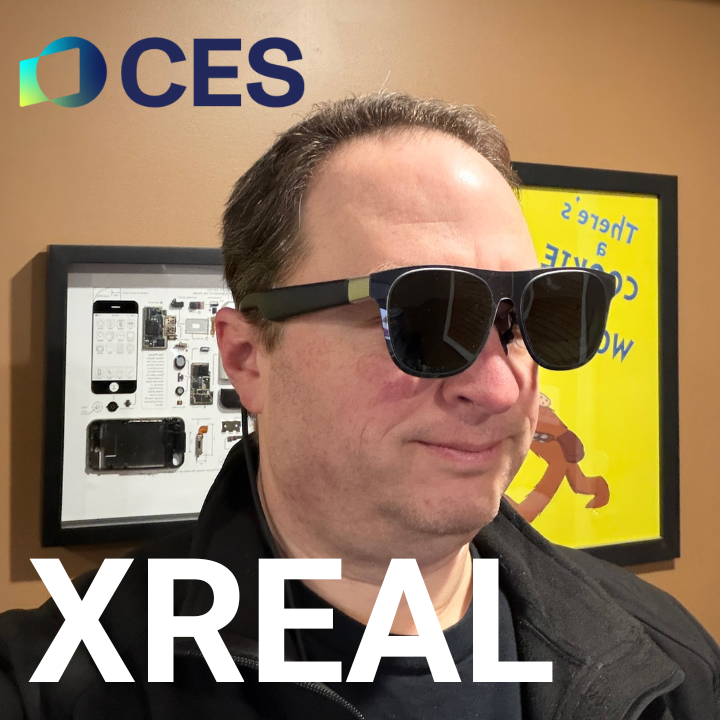
Every tech futurist and Marvel writer expects that we will soon have smart glasses that can contextualize the world around you with digital overlays and enhancements. However, the technology isn’t quite ready yet. Meta is getting closer with its Meta Ray-Ban Display, and XREAL is expected to offer a powerful tethered version of Android XR later this year with Project Aura. In the meantime, Meta’s Ray-Ban Meta Smart Glasses serve as mainstream entry point heading for consumers to start wrapping their heads around the idea of glasses with embedded cameras, mics, speakers, and AI. XREAL’s mainstream on-ramp to its own spatial computing glasses is the One line of display glasses. The value proposition here is clear: a pair of almost normal-looking sunglasses that tether to your phone, computer, or portable game console and present the user with a private, enormous virtual display.
XREAL 1S: An Even Better Value
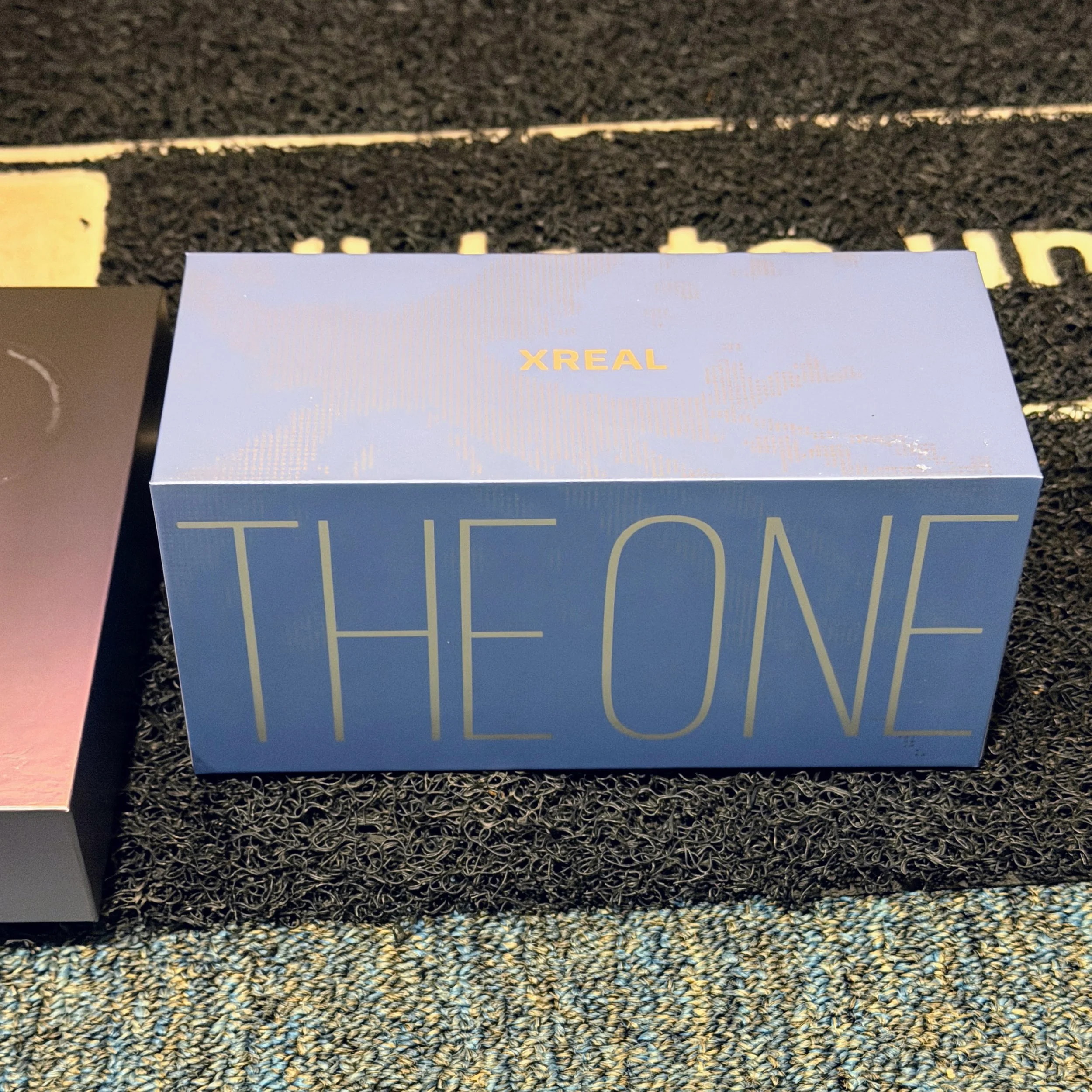
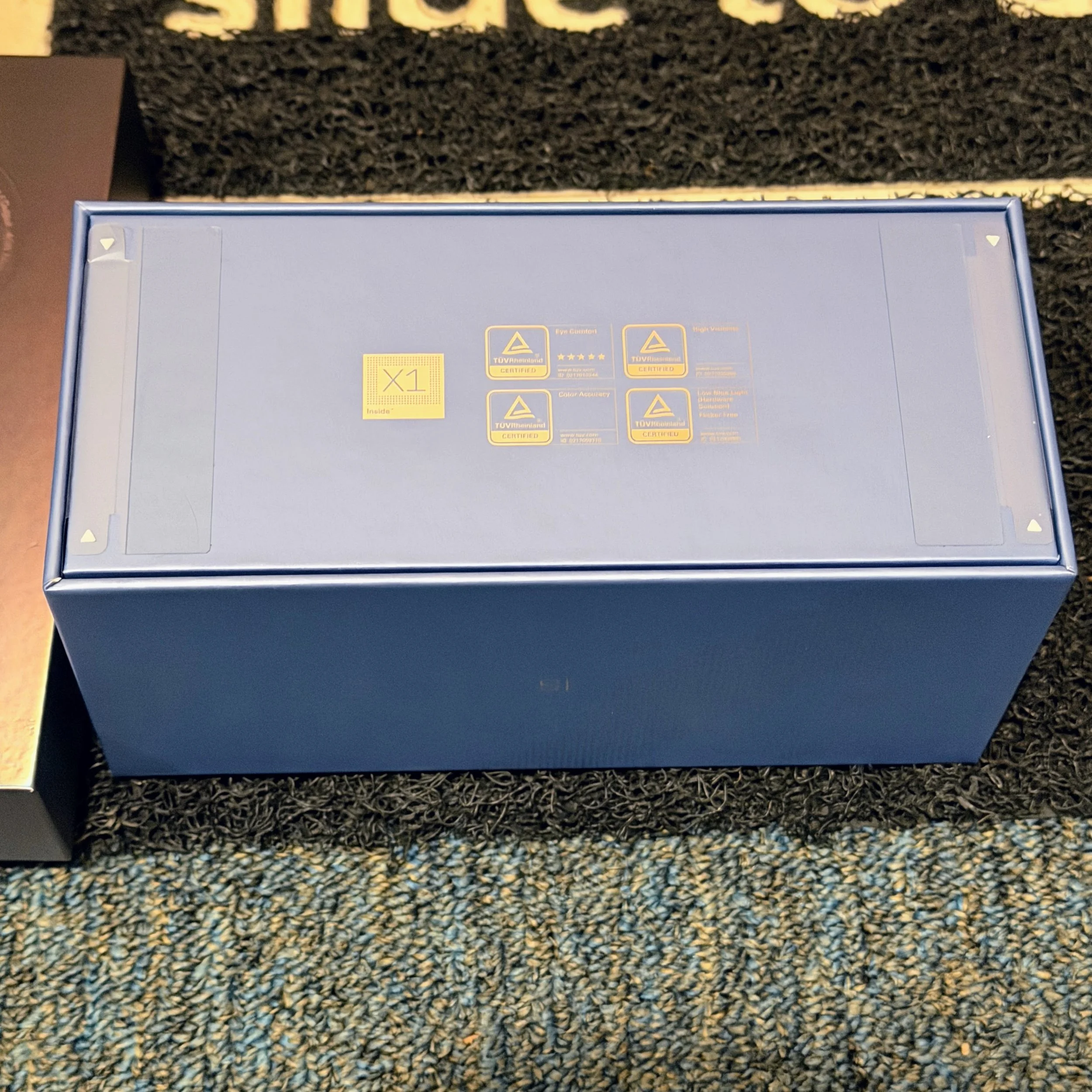
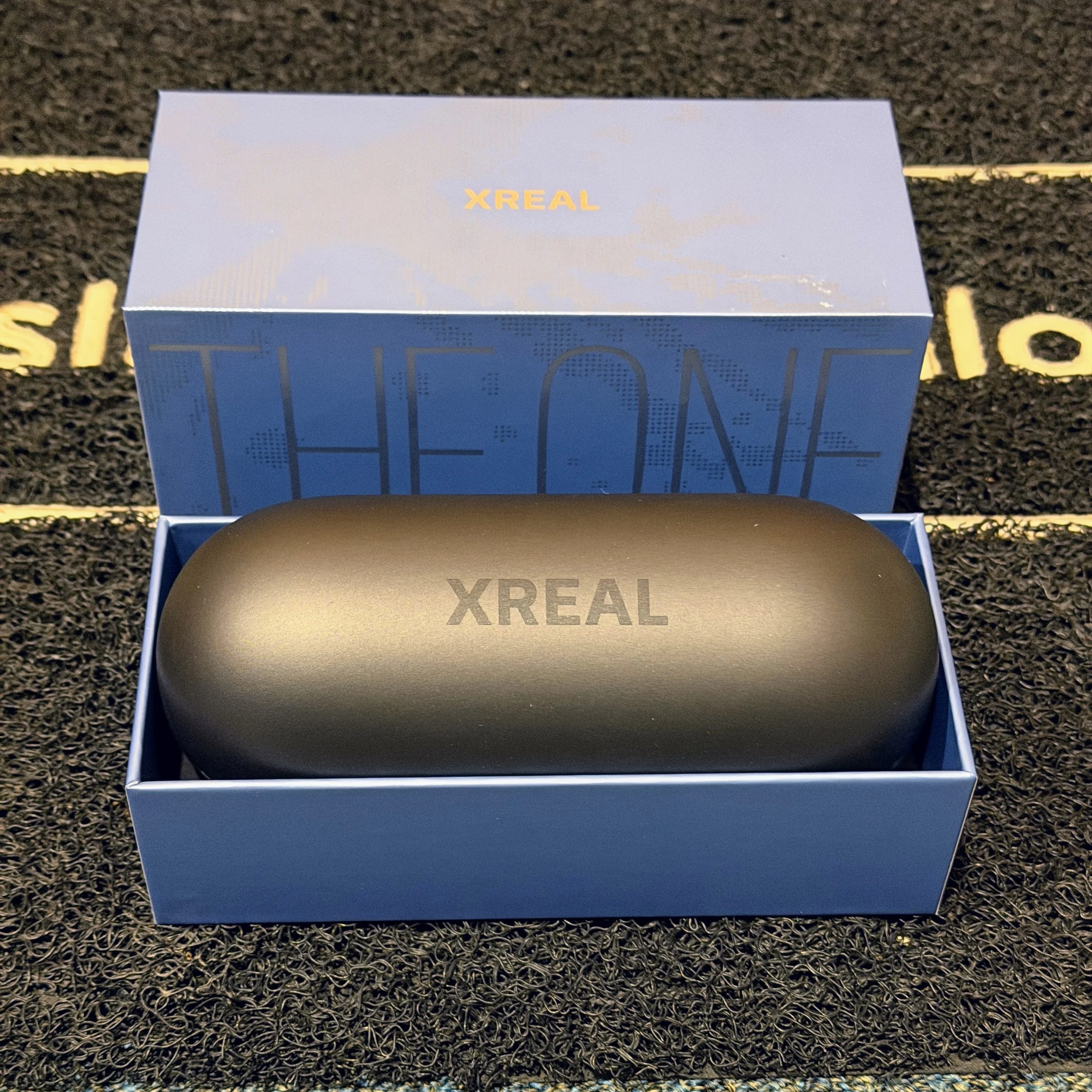
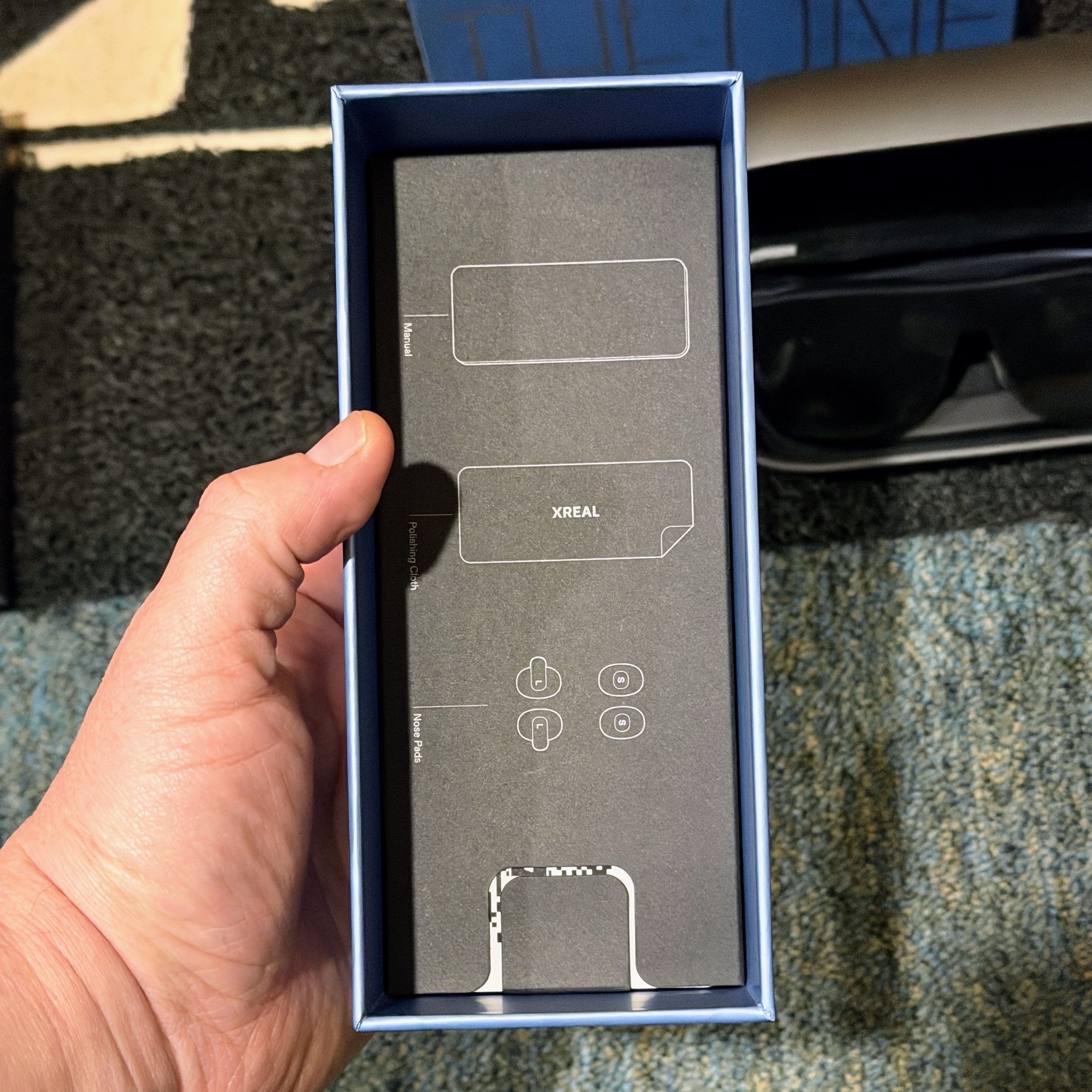
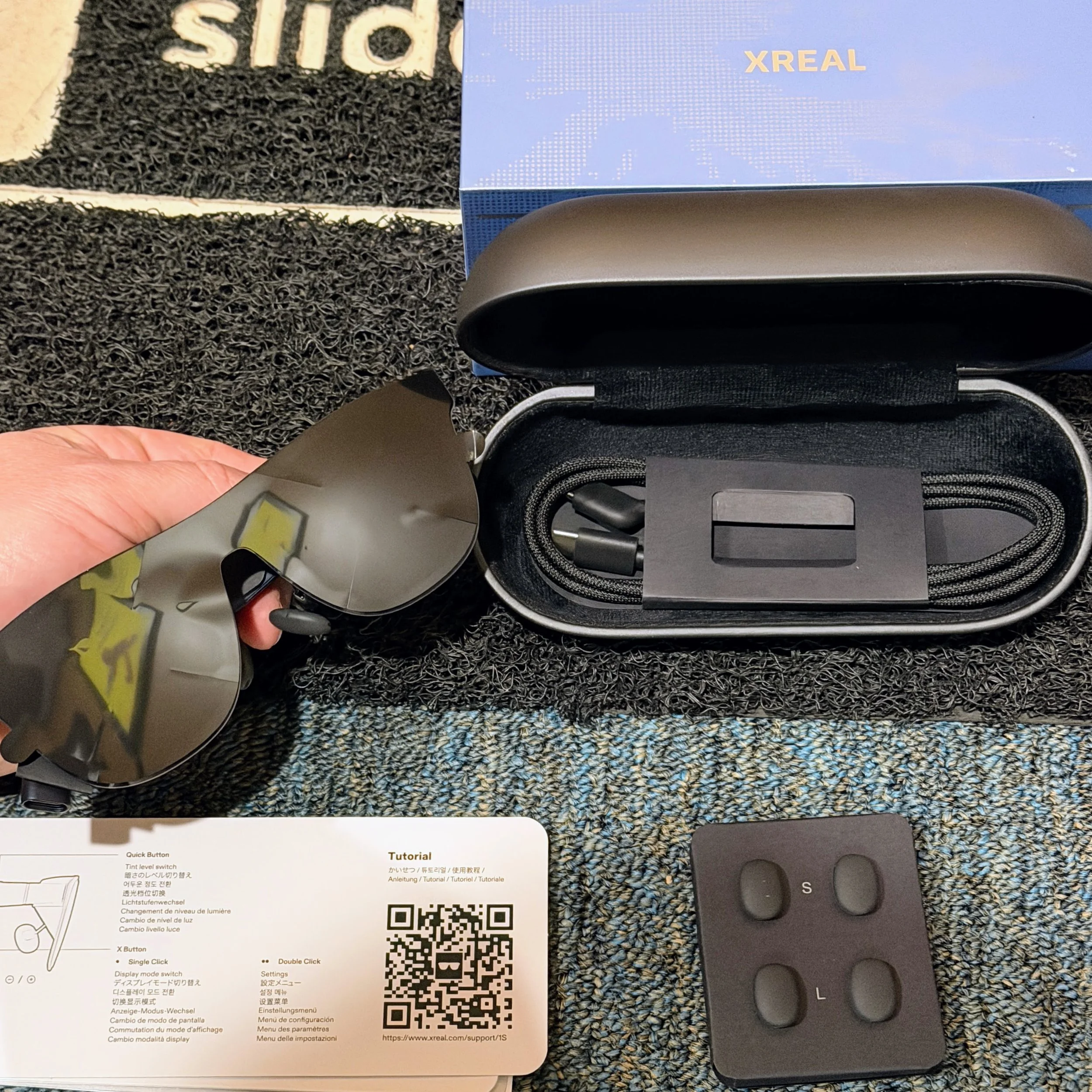
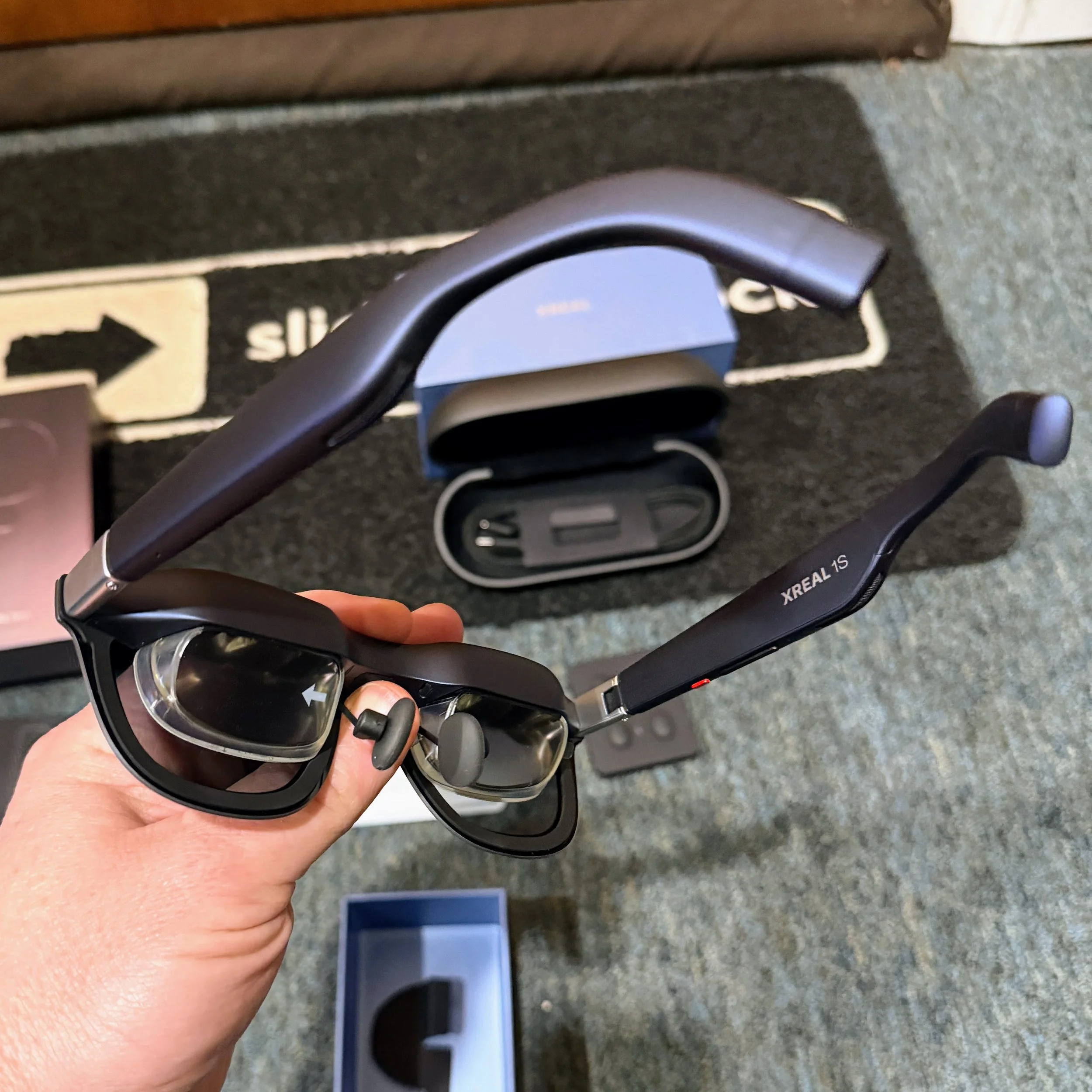
XREAL’s One was the best value in smart display glasses, but less just a year after they were launched, XREAL is replacing them with the XREAL 1S, which improves on the $499 XREAL One is almost every way at a lower $449 price. The XREAL 1S is 100 nits brighter, has slightly better color with 108% SRGB coverage, increases resolution from 1080p to 1200p, widens the aspect ratio a bit to 16:10 for better gaming, and widens the FoV (Field of View) from 50 degrees to 52 degrees. Each of these improvements seems minor, but collectively they add up, and the 1S costs $50 less than before. I don’t think many people will upgrade from the One to the 1S, but if they do, they’ll notice the improvements. The 1S still has electrochromatic dimming, still has high pixel density, still refreshes at 120Hz, still has native 3 DoF (Degrees of Freedom) for Anchor and Follow Modes, is compatible with the One Eye for 6 DoF, and takes the same optional prescription inserts as the XREAL One. The XREAL 1S actually beats the One Pro in resolution and matches it in brightness. There are still reasons to buy the One Pro – its lens design gives it the edge in FoV and edge clarity – but the 1S is so good for $200 less that I expect it to far outsell its premium sibling.
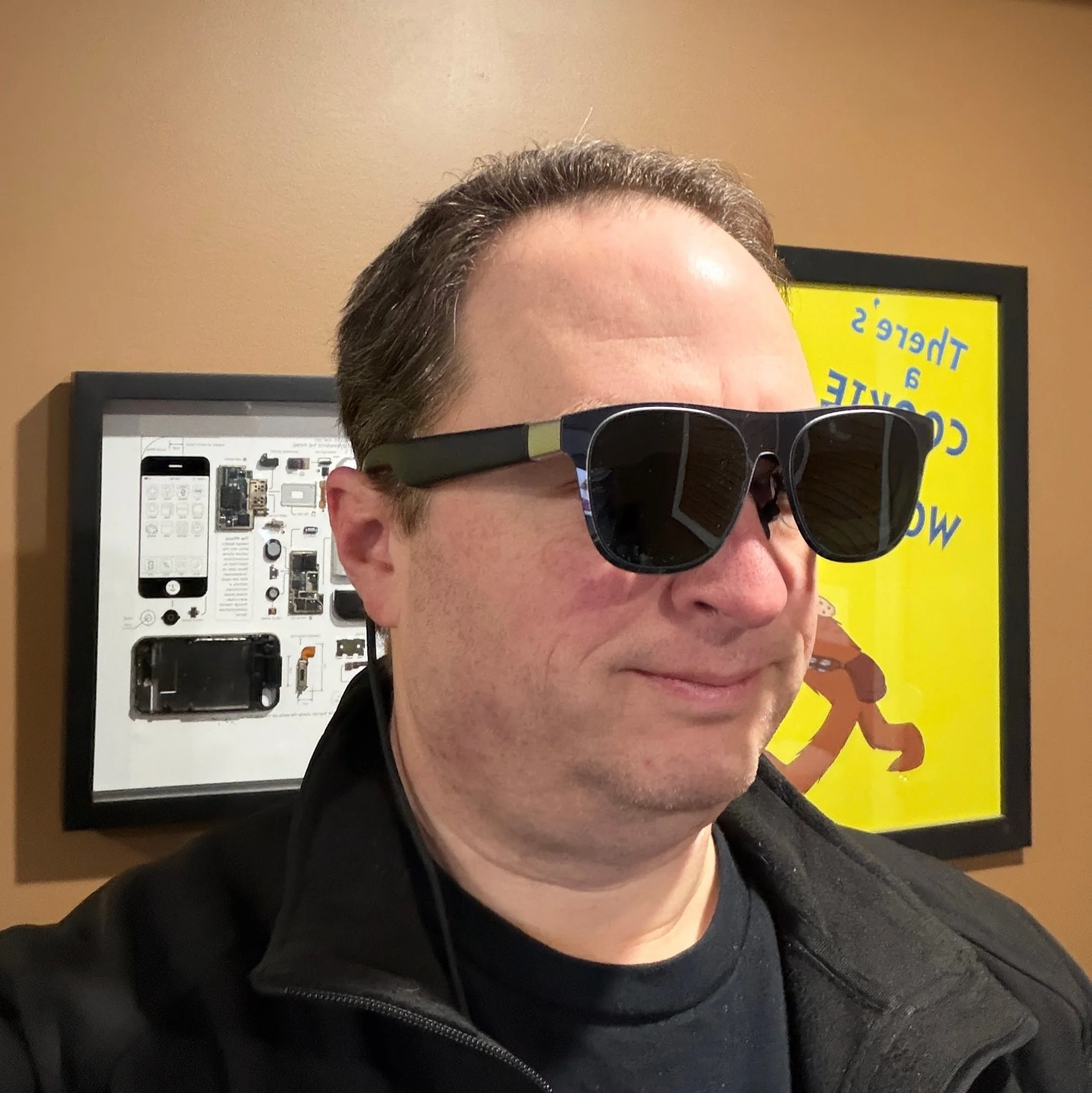
I have been testing an XREAL 1S review unit, and the image is crisp, colorful, and bright. It's much more comfortable, compact, and discreet than any XR headset, making it an amazing travel companion for watching content on planes, on a HUGE virtual screen, with complete privacy. I used the prior version to attend confidential business video conference calls in public where nobody could see what I was being shown but me. The XREAL 1S will connect to anything that can do DisplayPort out on USB-C, which includes most modern Windows and Mac laptops, handheld game consoles like the Lenovo Legion Go 2 (which I tested), and most high-spec smartphones, including the iPhone 17 Pro (which I also tested).
One More Thing: 3D on Demand
XREAL also has a software update for the XREAL 1S and One Pro that brings automatic 3D conversion for any content that has apparent depth, including photos, games, movies, TV, and YouTube. The software takes advantage of XREAL’s X1 Power chip. I had a lot of fun testing this. It isn’t something you’re going to want to have on all the time but it’s more than just a gimmick. This is similar to what Apple and Samsung can do in their headsets for photos, only without the same fidelity. The Apple Vision Pro and Galaxy XR turn photos into Harry Potter-like living memories, and panoramas into vistas you can revisit. XREAL 3D isn’t as precise with photos, and hair and body parts can look unnatural. Similarly, video is hit or miss. When it hits, it looks fantastic. Text and graphics overlays can have flickering artifacts, and sports content looks amazing until the logo at center court is given depth that’s not there and looks like players have stepped into a black hole. However, video podcasts get convincing natural depth and animated movies tend to look like the 3D converted versions without the theater upcharge. You can’t combine ultrawide mode with 3D, and everything looks sharper in 2D. I don’t expect 3D to be a big driver of sales but it’s not something I was expecting at this price point.
XREAL Neo: A Power Bank Hub Combo
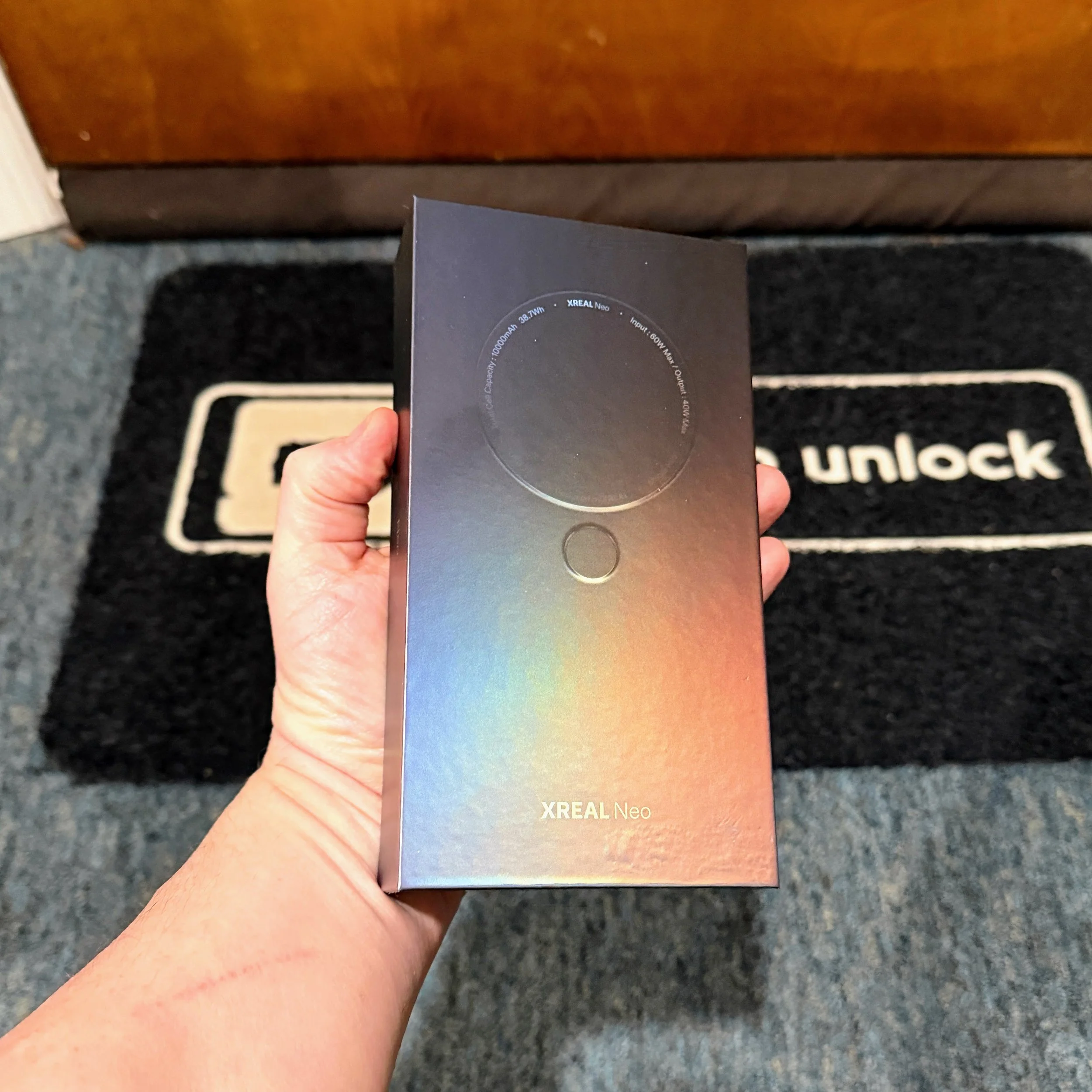
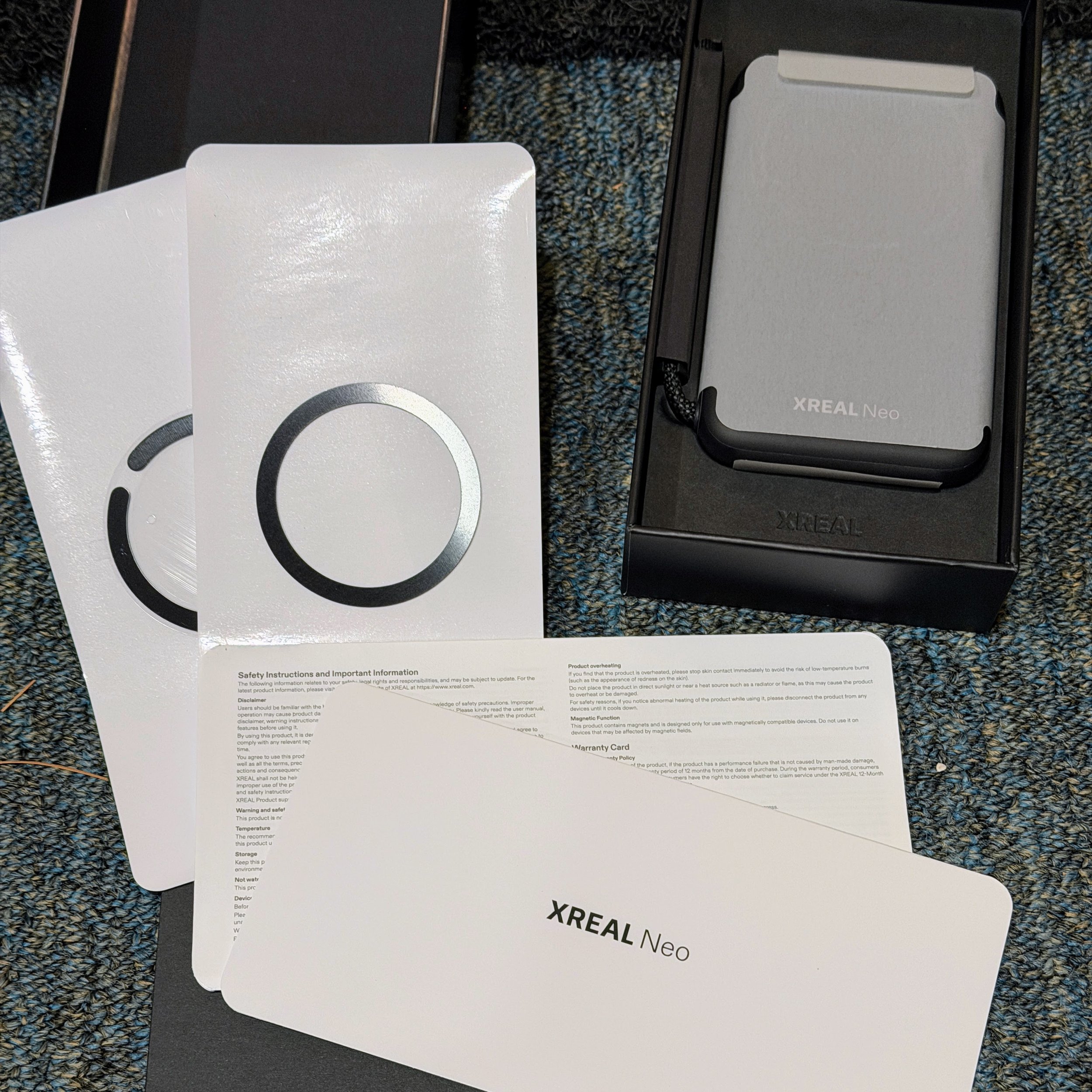
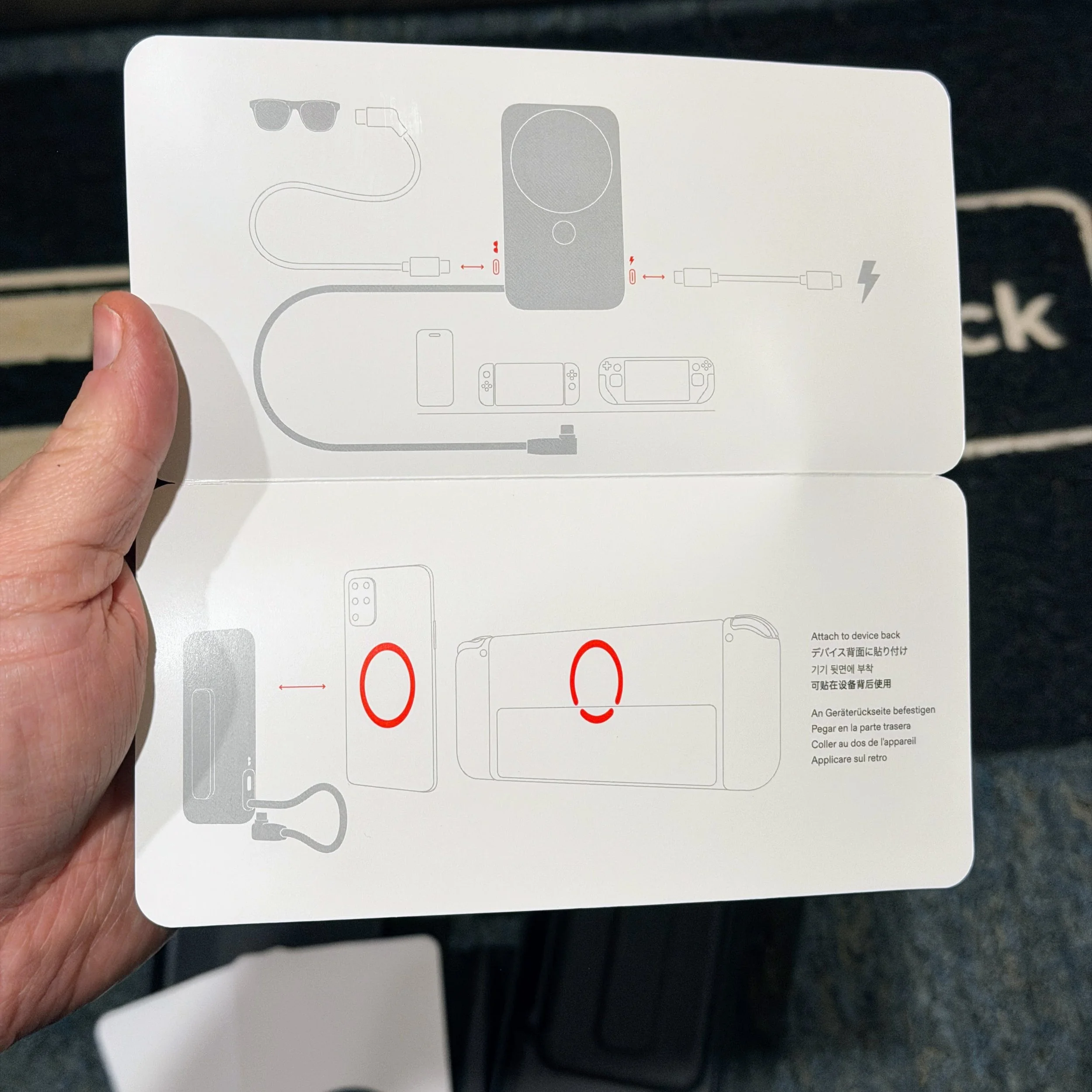
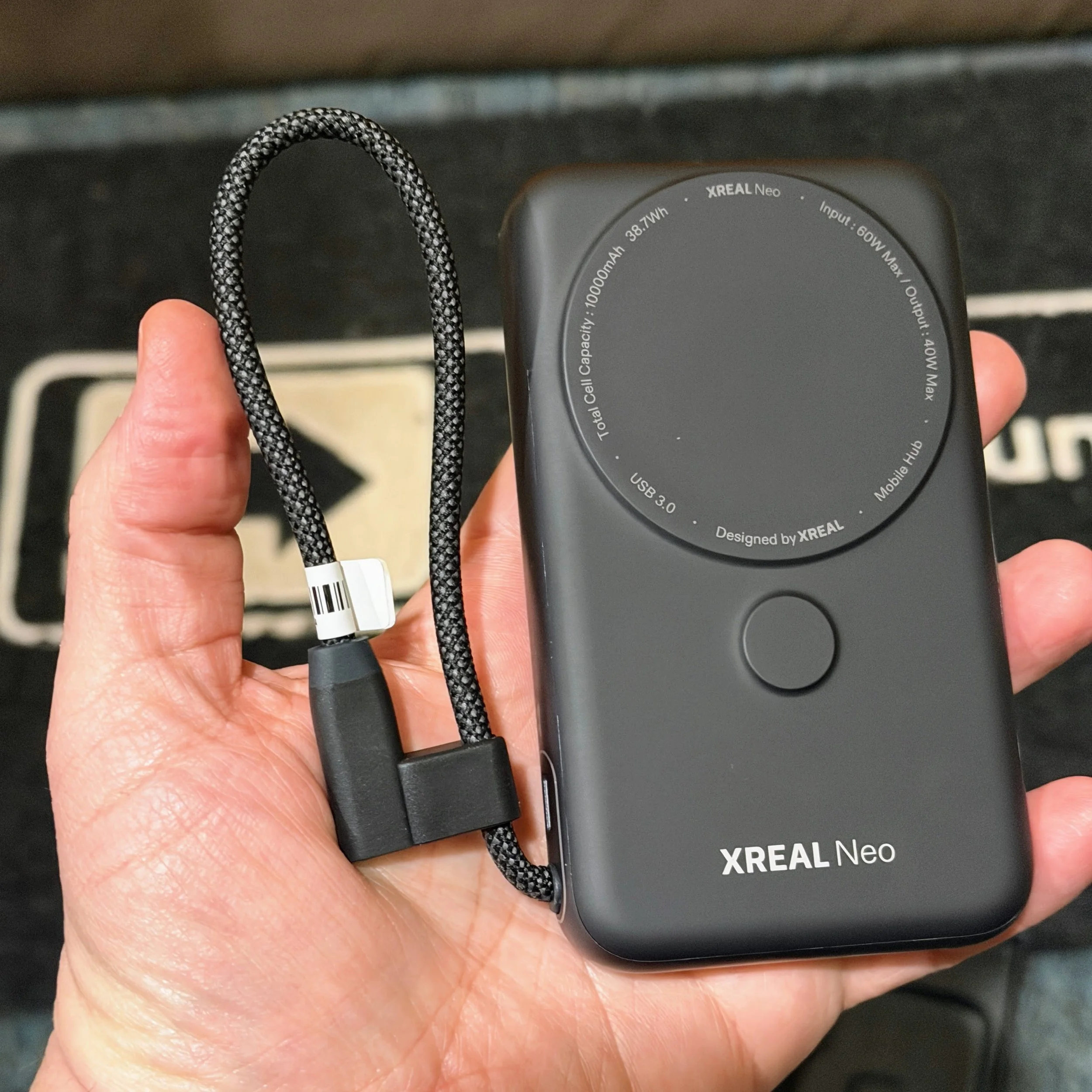
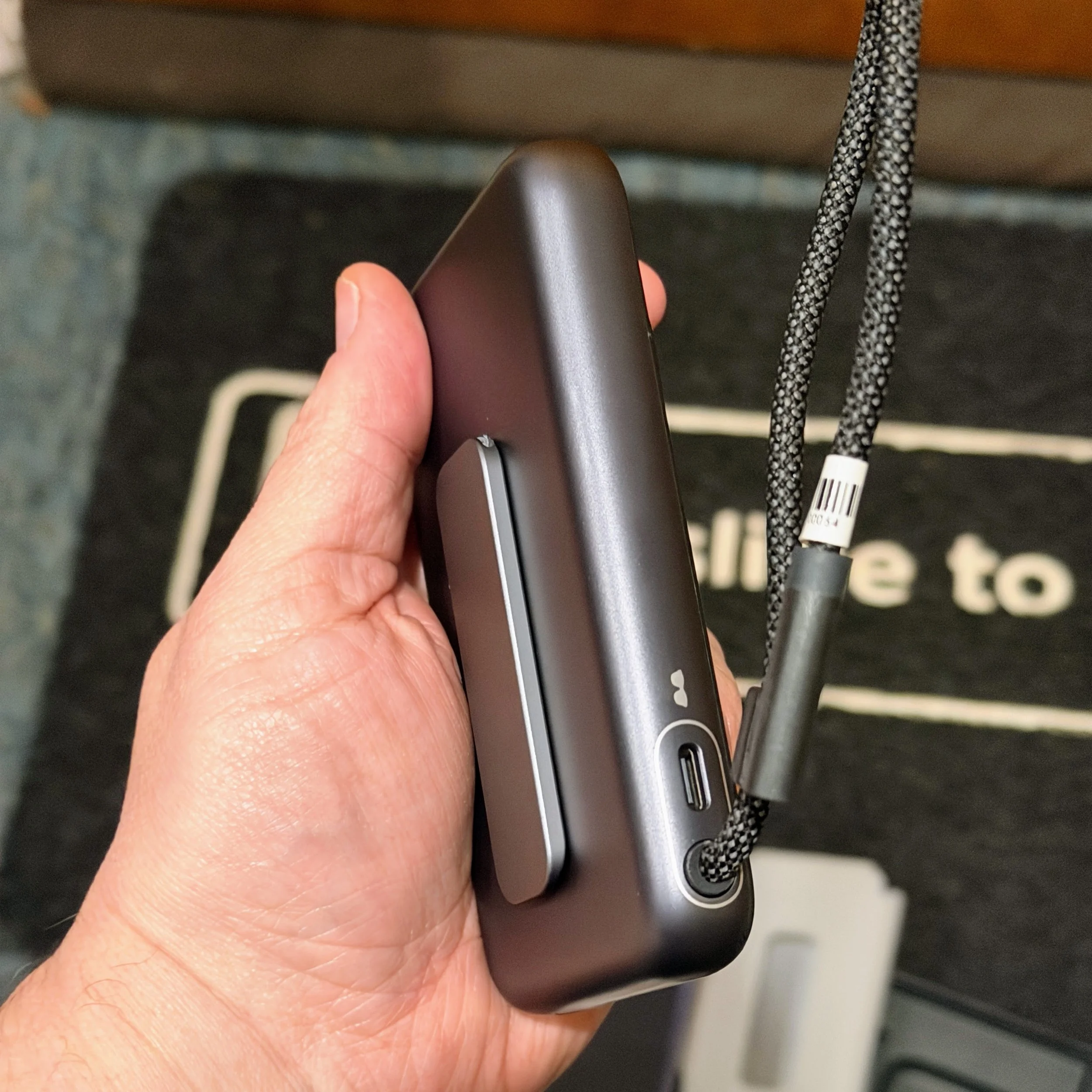
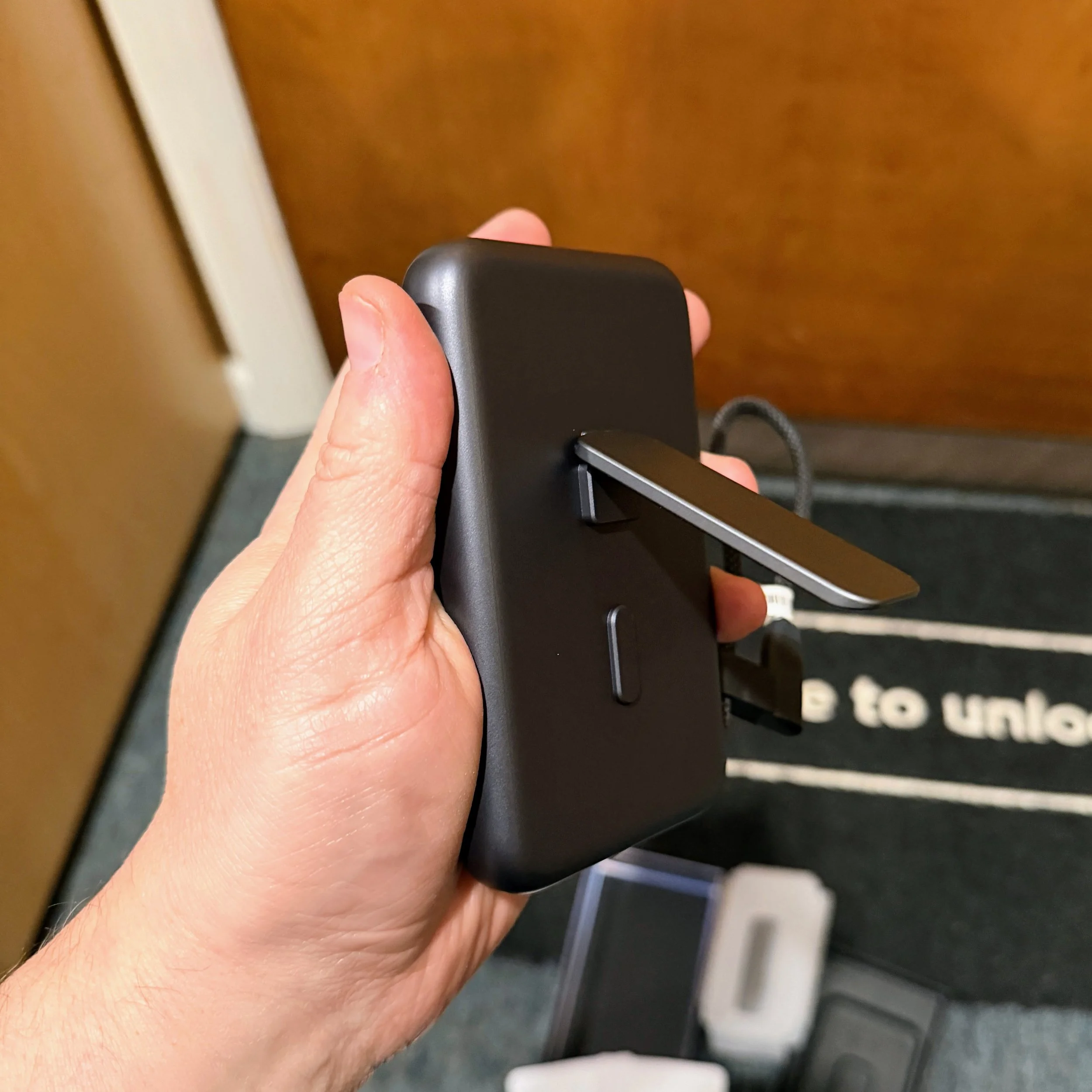
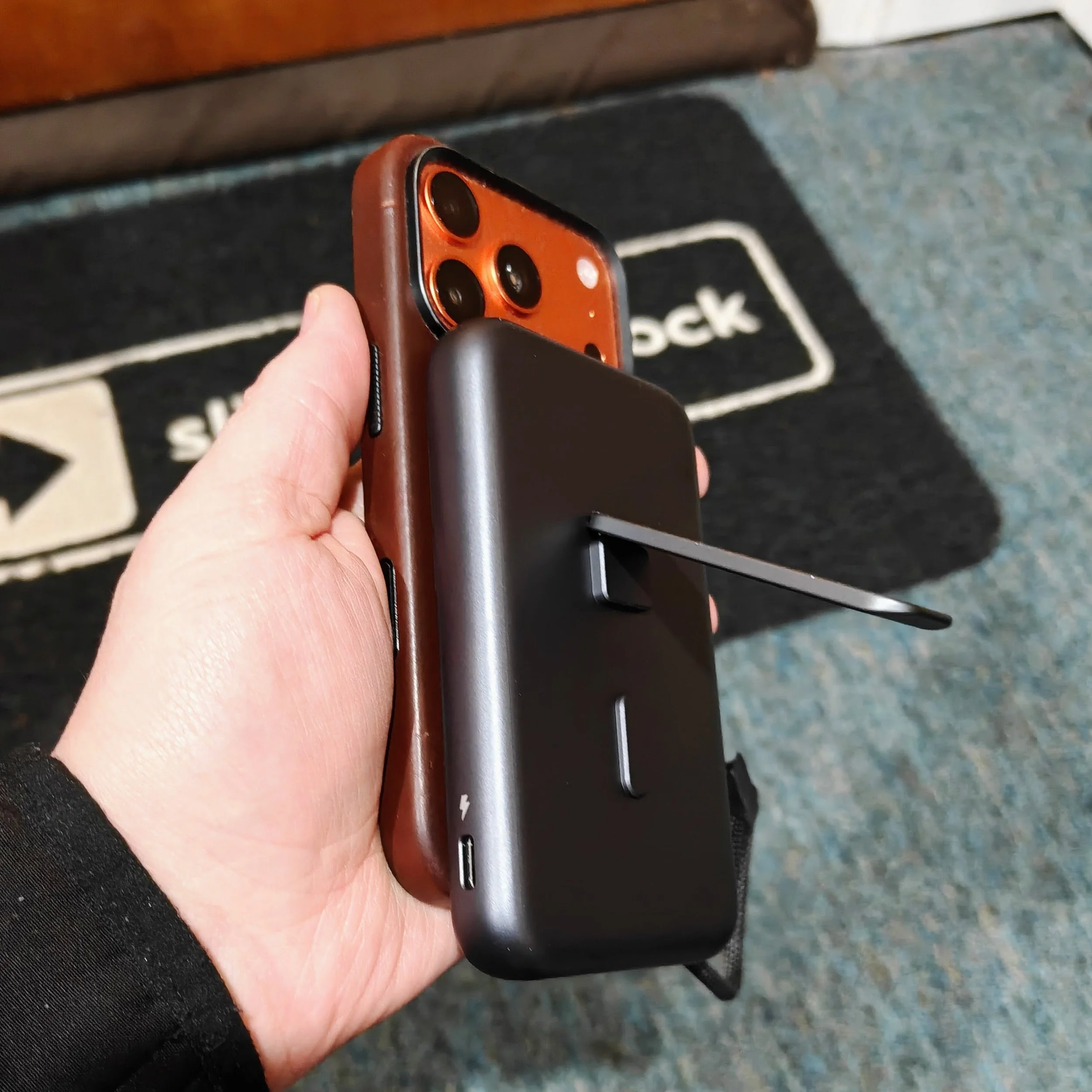
The Nintendo Switch 2 should work with the XREAL 1S but it doesn't because of the way Nintendo encodes its USB DisplayPort signal. To fix that, XREAL is also launching the Neo, a $99 10,000 mAh power bank with video passthrough. I tested this as well and confirm that it works with my Nintendo Switch 2. The XREAL Neo is going to be a must-have for Nintendo Switch 2 owners, assuming that Nintendo doesn’t update its firmware so that the Neo is incompatible (XREAL told me that this was unlikely, but we’ll see). However, the Neo is a compelling accessory even if you don’t have a Switch. The design is extremely well thought out. The MagSafe/Qi2 magnet holds iPhones and Qi2 Android phones in place, and a kickstand extends to prop up the pair with just enough overhang so the USB-C cable can connect to the phone’s bottom port. That connection cable is permanently attached to the Neo with its own little loop storage for transport, there are sticker magnets included for phones and gaming devices that can’t attach magnetically, there’s a charging passthrough on one side and video out to the glasses on the other. LEDs indicate level of charge. It’s great.
ROG XREAL R1: 240Hz FTW
The XREAL ONE platform is so good that some competitors are giving up trying to compete with it and coopting it instead. ASUS had its own display glasses in its ROG gaming line, but for 2026 it is collaborating with XREAL on the ROG XREAL R1, which is essentially a custom version of the XREAL One Pro that has the refresh rate cranked up to 240Hz for gaming.
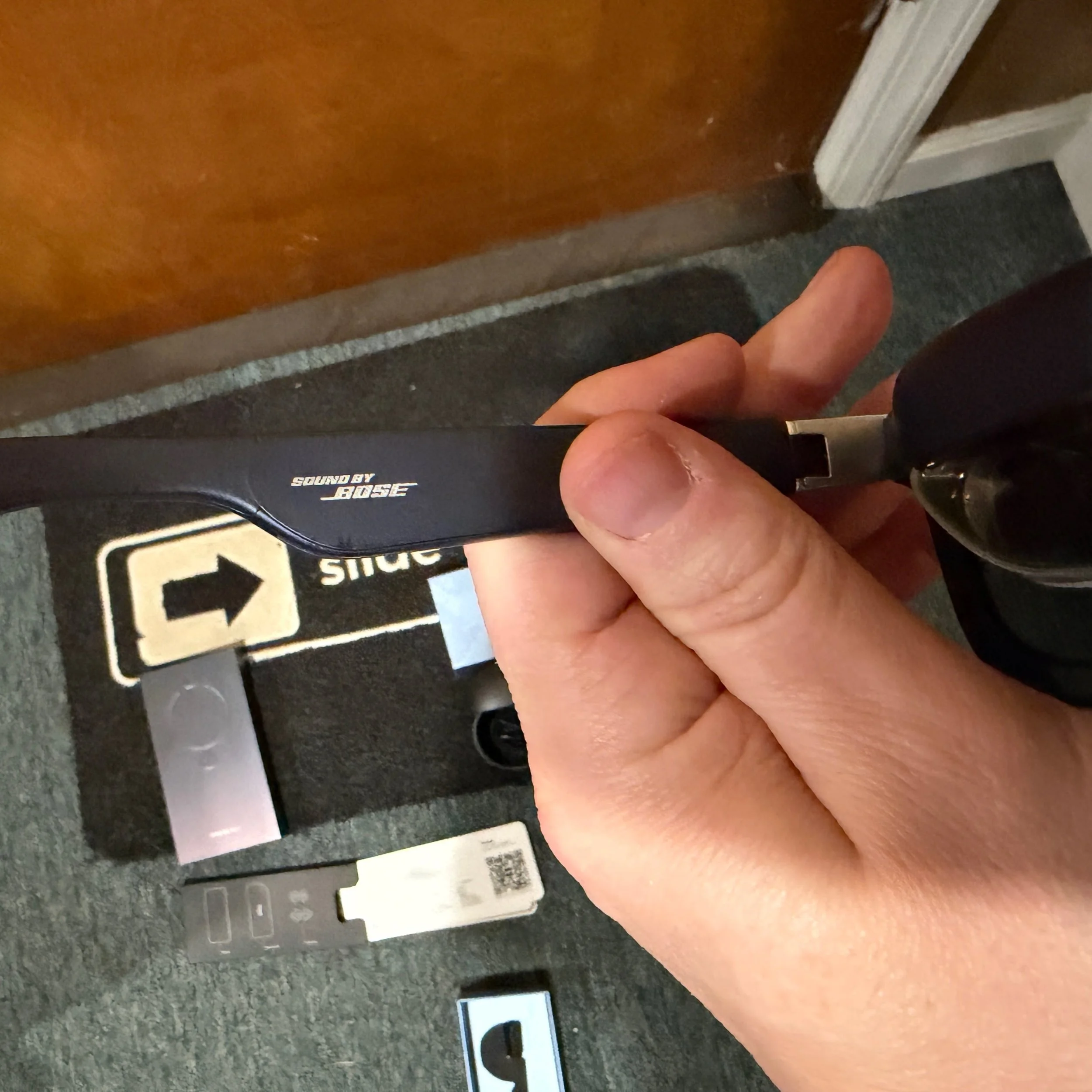
The companies are claiming that this will be the world’s first 240Hz micro-OLED FHD (1920 x 1080) gaming glasses, with ROG Control Dock for HDMI and DisplayPort connectivity to ensure compatibility with PCs and consoles. Of course, ASUS would like you to use it with the ROG Ally, but you don’t have to. Like the XREAL One Pro, the ROG XREAL R1 has a 57° FoV and projects a virtual 171” virtual screen at 4 meters covering 95% of the focused viewing area. Similarly, the ROG XREAL R1 has native 3 DoF for Anchor and Follow modes, electrochromic tinting, and Sound by Bose in the temples for “spatial audio awareness and in-game immersion.” Translation: they sound good, but for the most isolation and privacy you’ll still want separate earbuds.
The ROG XREAL R1 will be available globally in the first half of the year; pricing hasn’t been announced. I should get eyes-on with a pair here at CES and I will update this report accordingly.
For Techsponential clients, a report is a springboard to personalized discussions and strategic advice. To discuss the implications of this report on your business, product, or investment strategies, contact Techsponential at avi@techsponential.com.