
Anker 45W Charger: Brand Building, Constant Innovation, and the Shenzhen Supply Chain
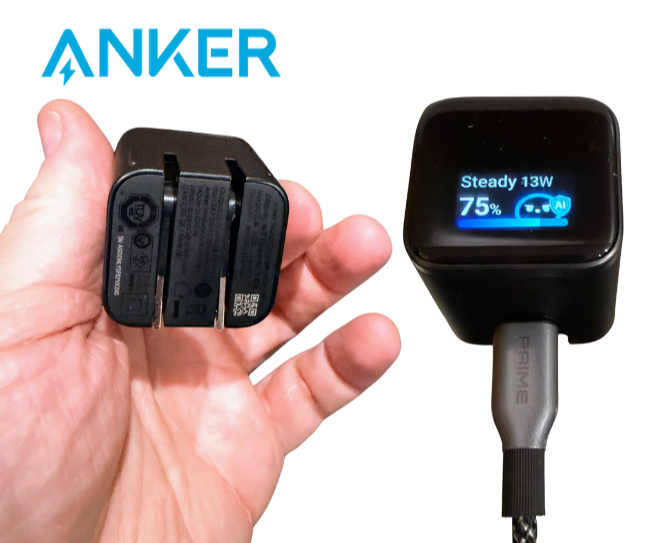
How much better can a charger be? Anker built its company around charging accessories that were less expensive than replacement models from smartphone brands but still safe and reliable. Anker then pioneered GaN technology that made its chargers smaller than the ones that came with your phone or laptop while still maintaining lower prices than the bigger brand. When Apple stopped shipping iPhone chargers in the box -- and most Android vendors followed -- it reduced overall e-waste, but it did so by shifting the cost of purchase to consumers. One of the biggest beneficiaries of that move has been Anker.
Anker used its success in power accessories and the solid brand it built to expand into adjacent markets: personal audio (Soundcore), small projectors, whole-house power systems, robovacs, home security, even breast pumps*. But power accessories remain core to the company, and Anker has not stopped improving its chargers.
The challenge for companies building commodities is to add enough differentiation to get the sale and to improve margins without adding too much cost. With the new Nano Charger, Anker shows the power of iterative improvement and the extent that the smartphone supply chain has made everything from silicon to displays incredibly inexpensive.
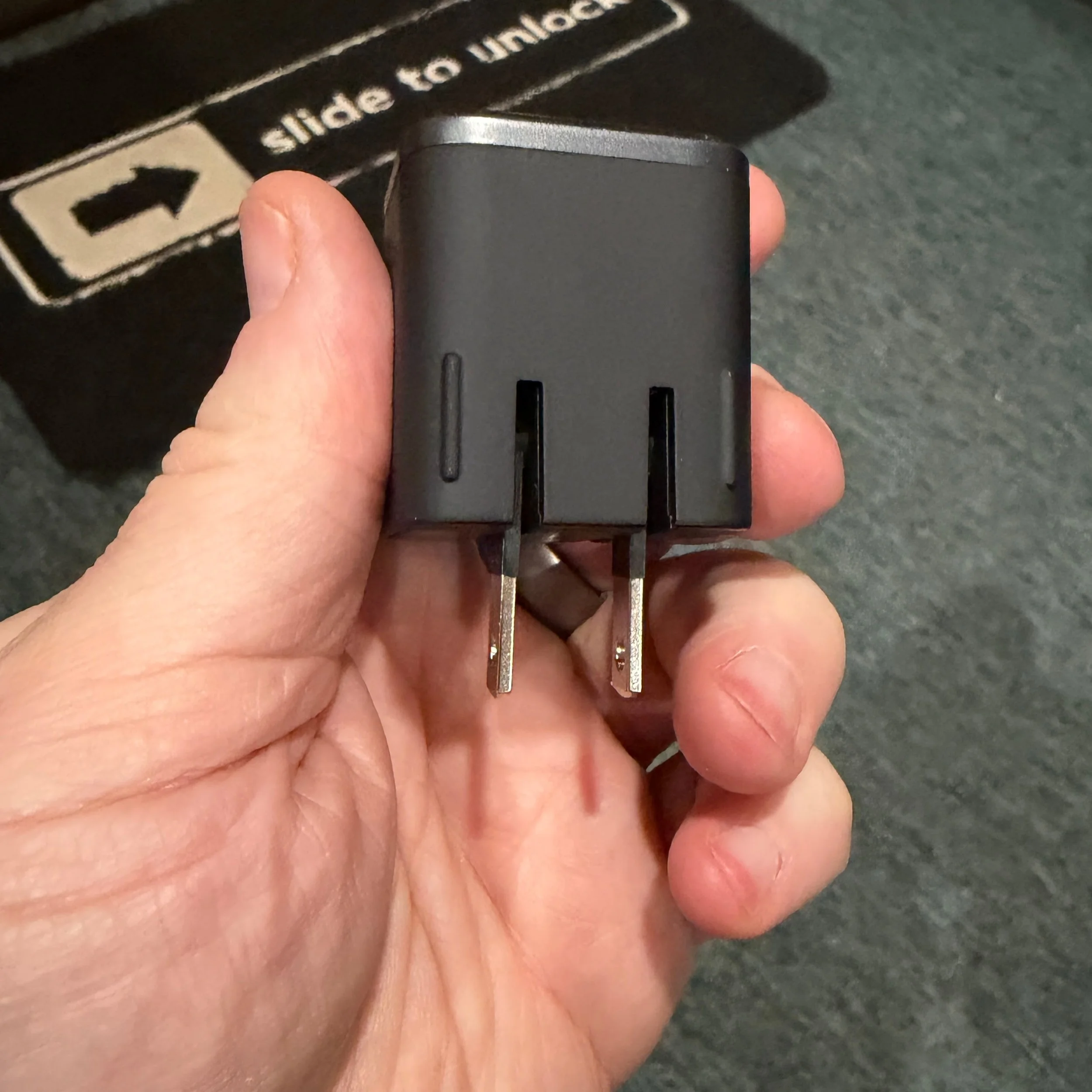
It's tiny -- 47% smaller than an Apple 45W charger. 45W is enough to charge any phone, any tablet, and most consumer laptops.
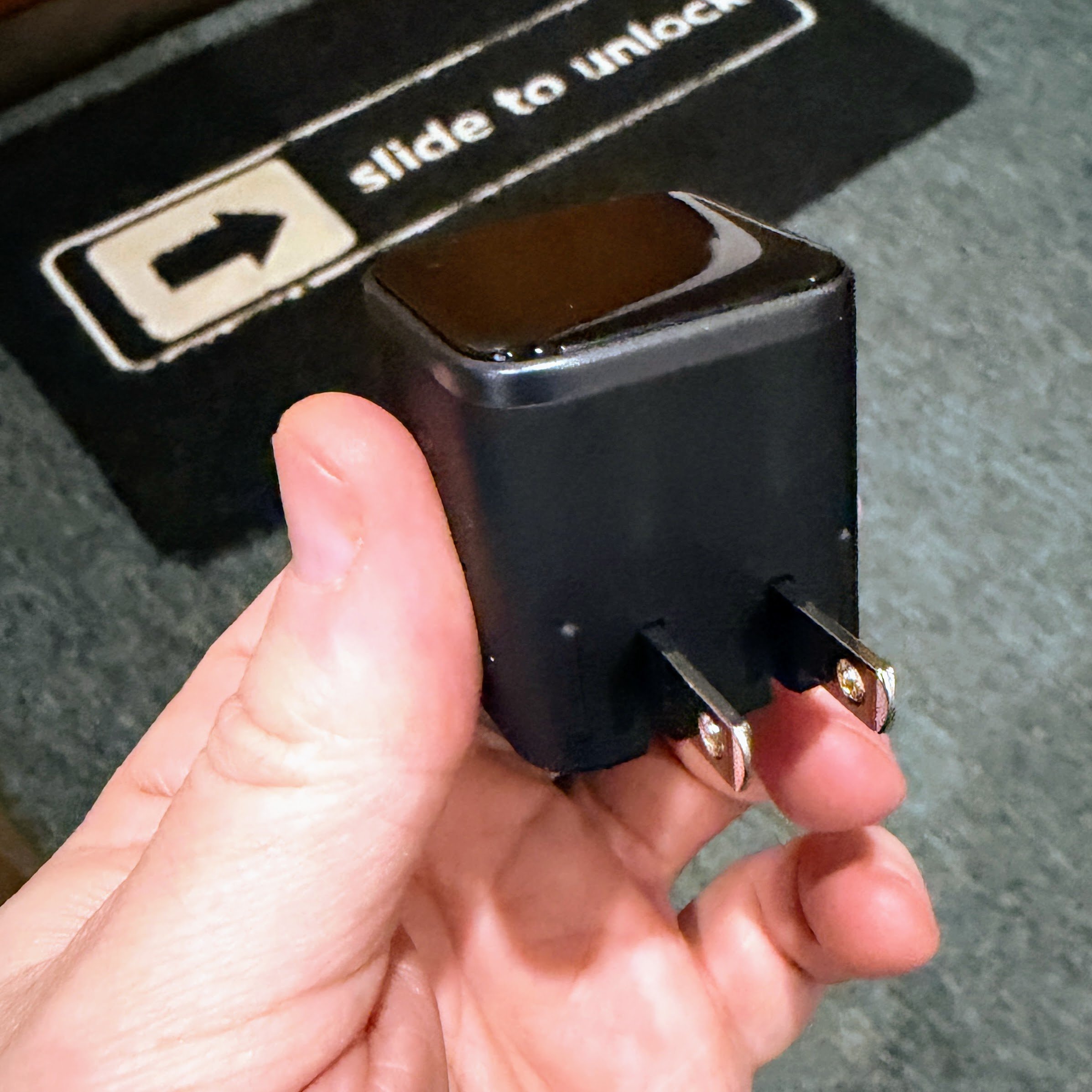
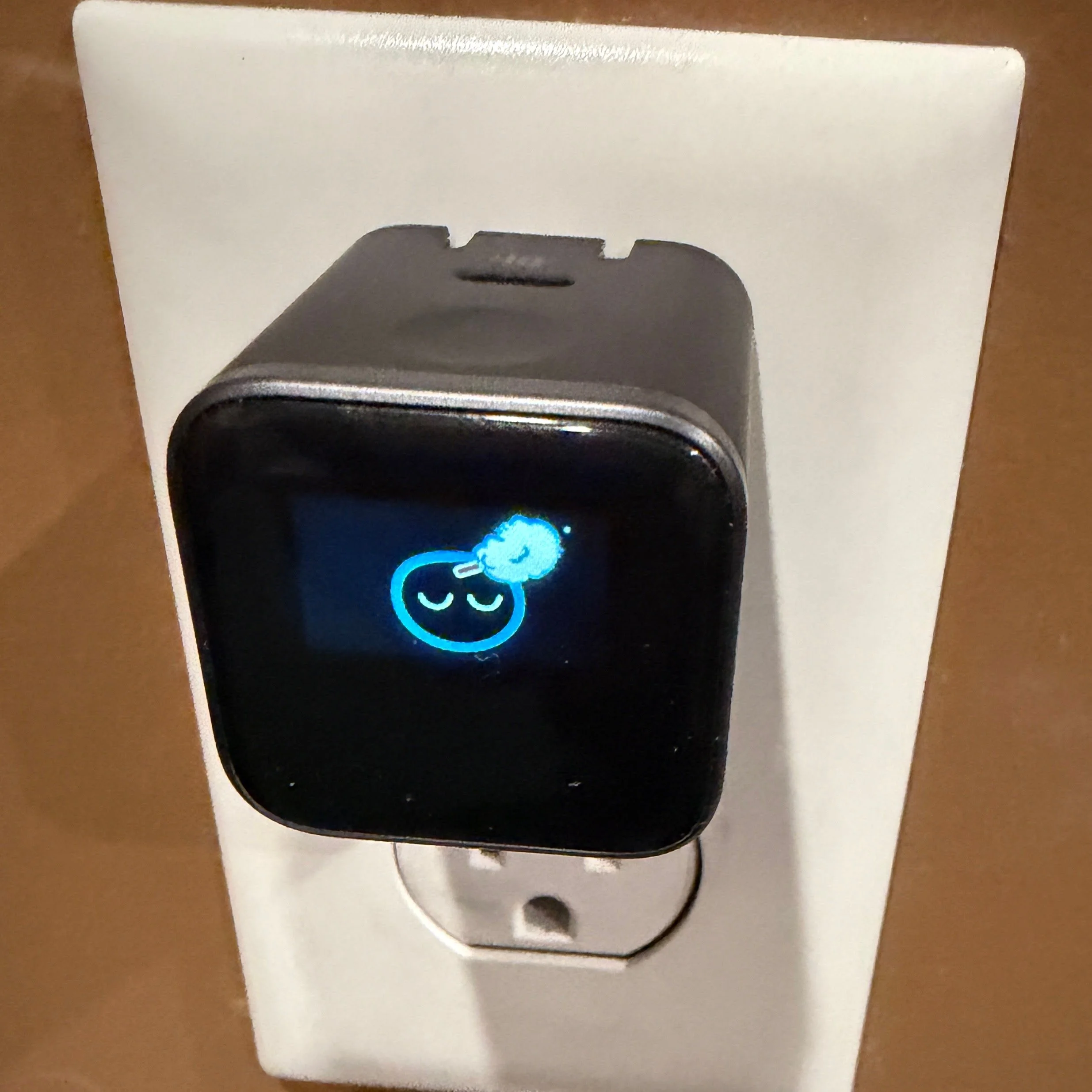
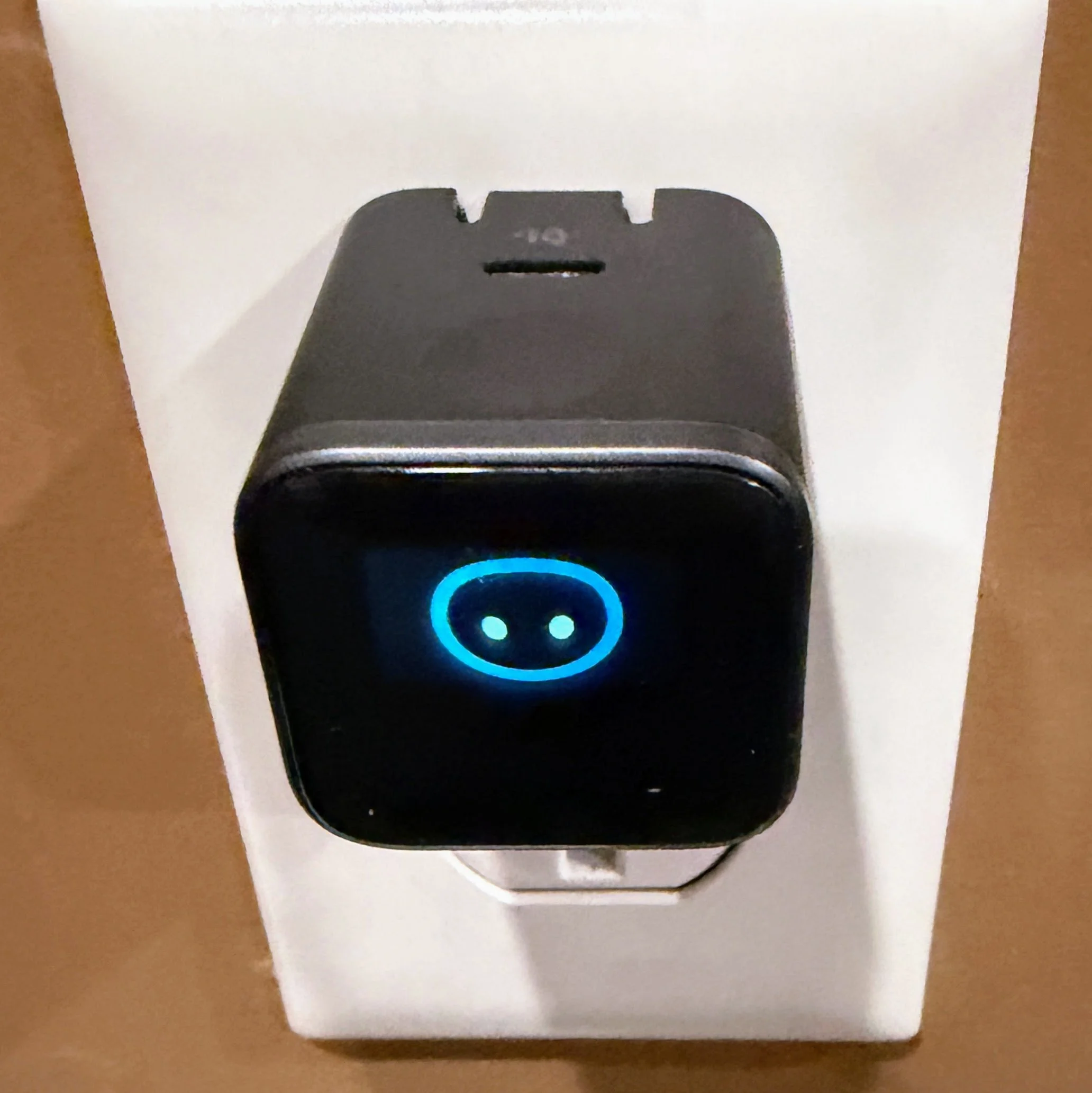
The wall plug folds in for transport and can be positioned outwards facing out or to the side, making it easy to charge -- and see the display -- even on a crowded power strip or wall outlet.
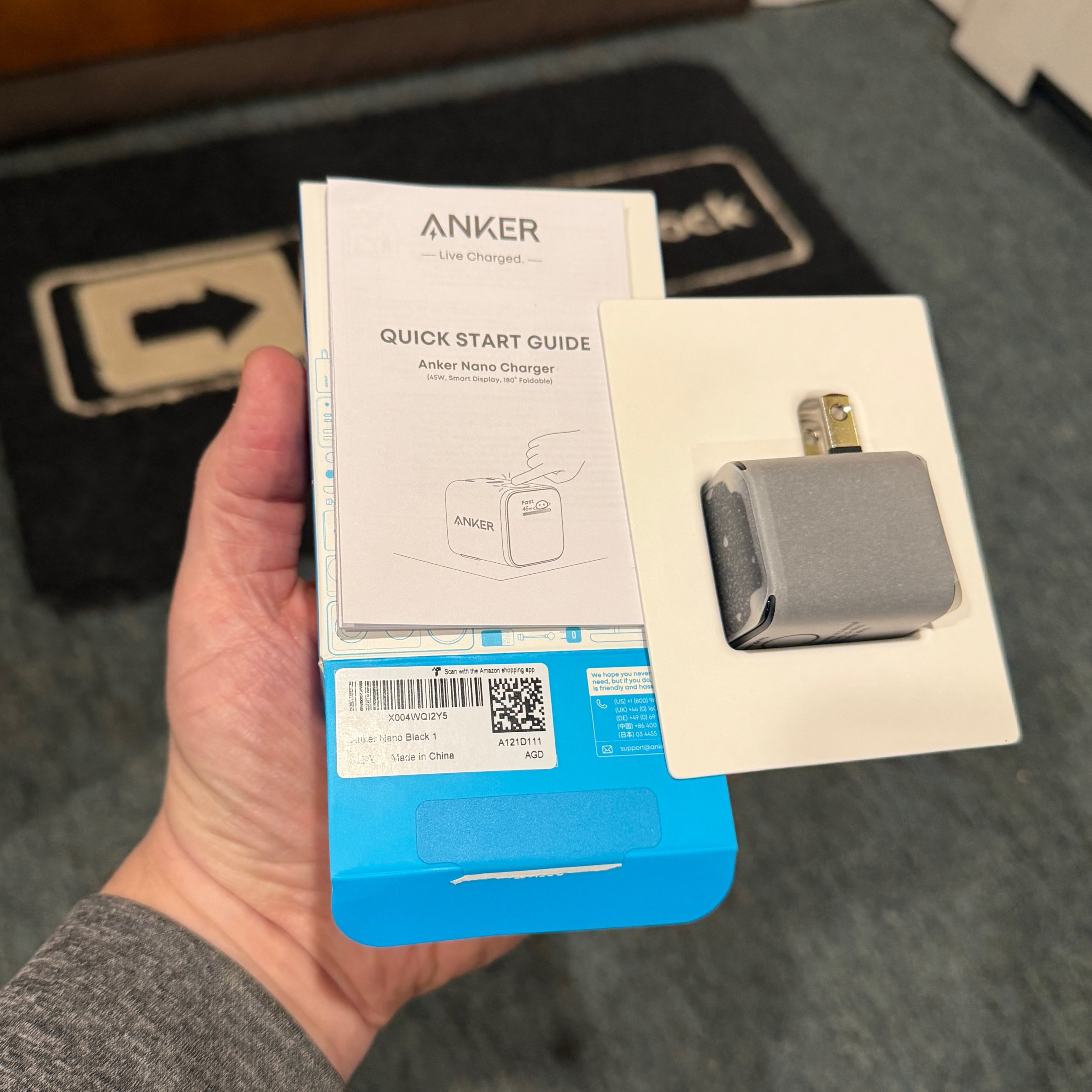
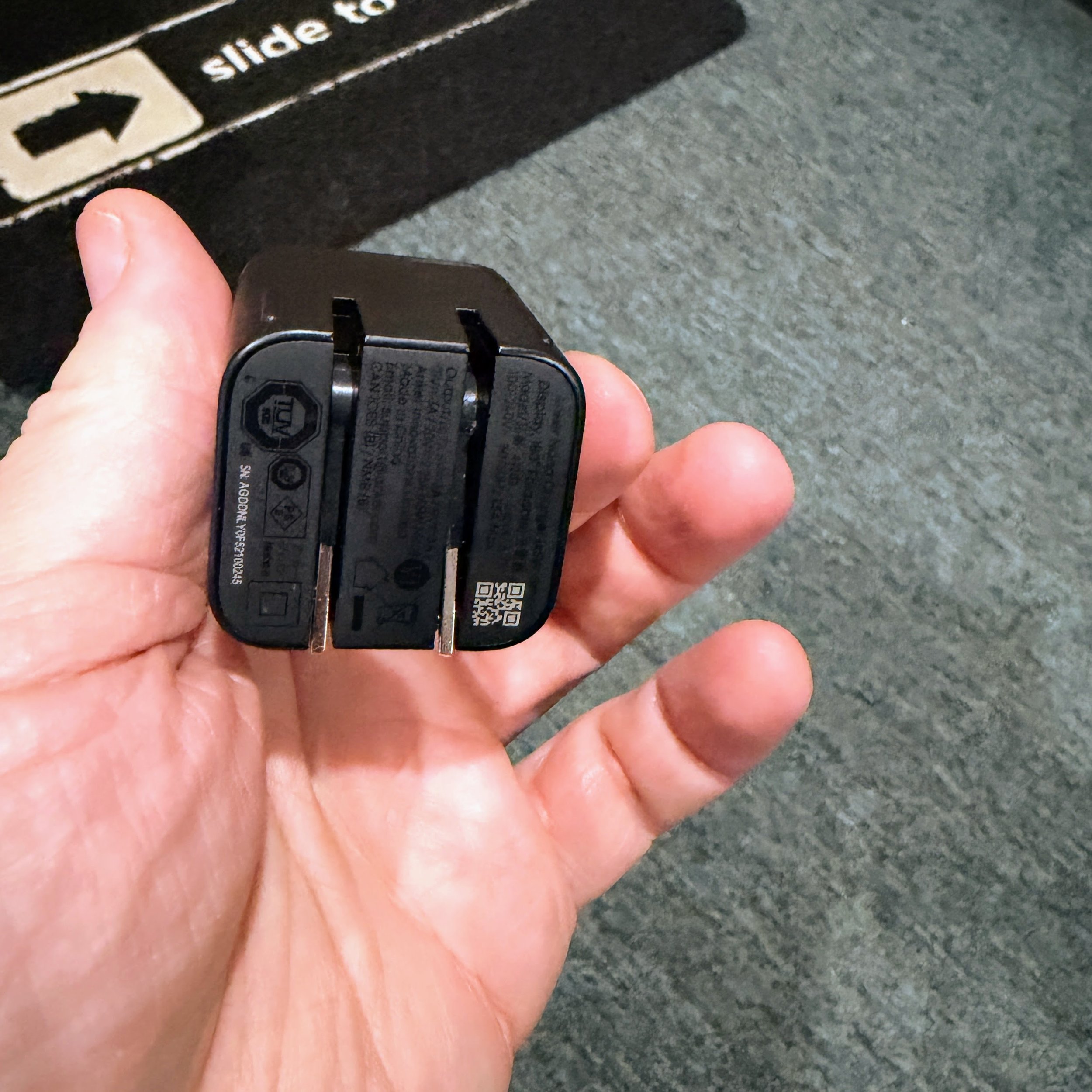
Like the premium brands its chargers connect to, Anker doesn’t skimp on safety certifications and the packaging is eco-friendly.
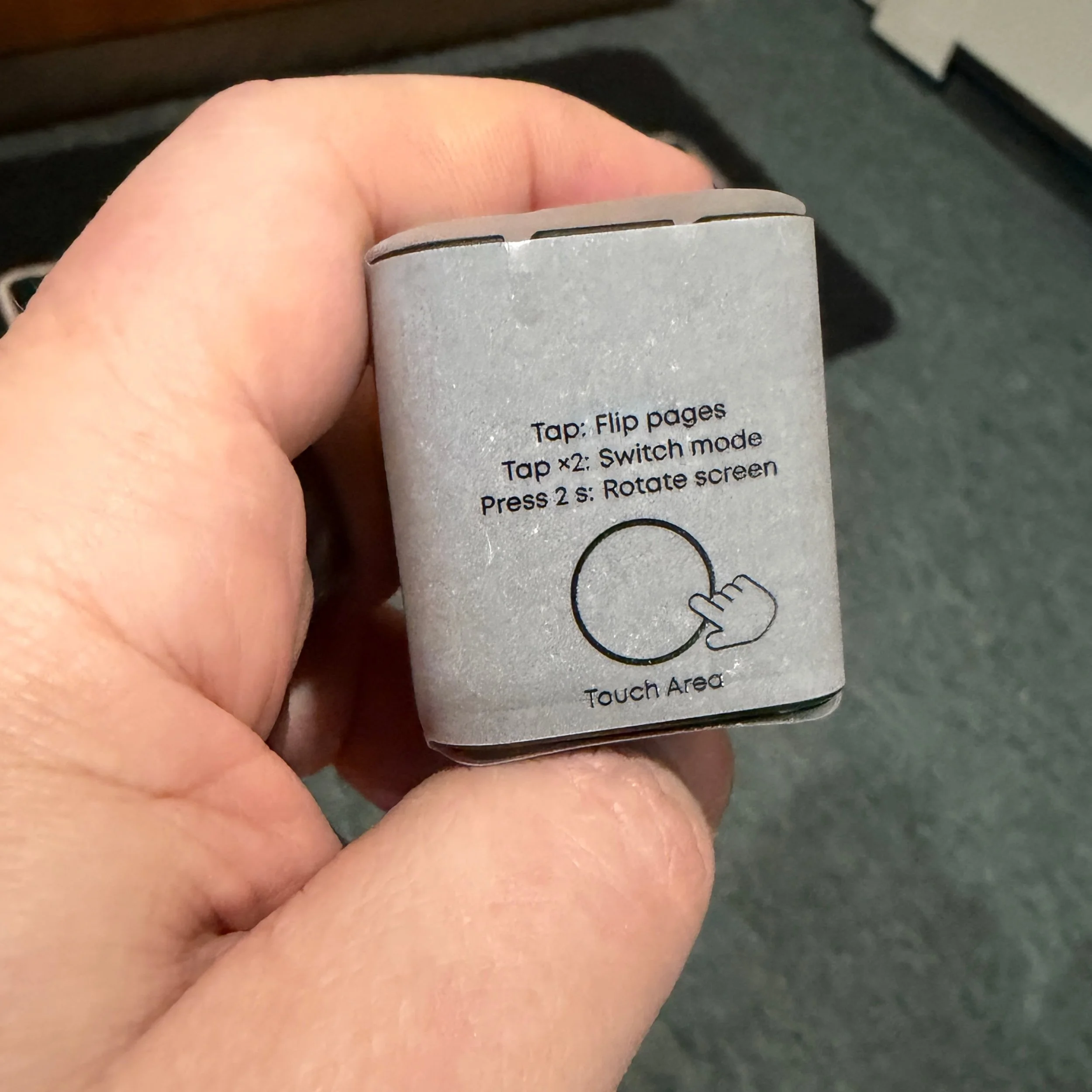
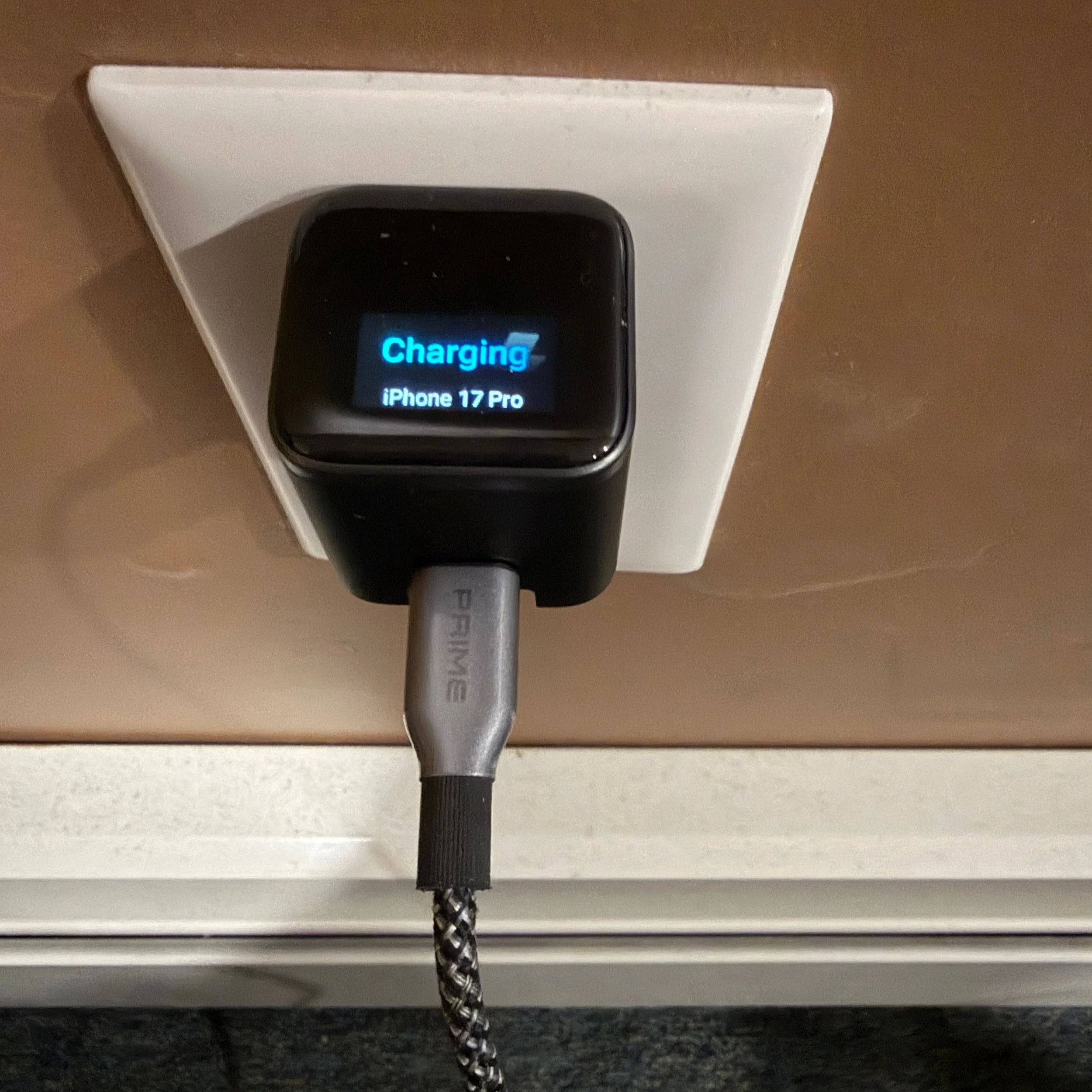
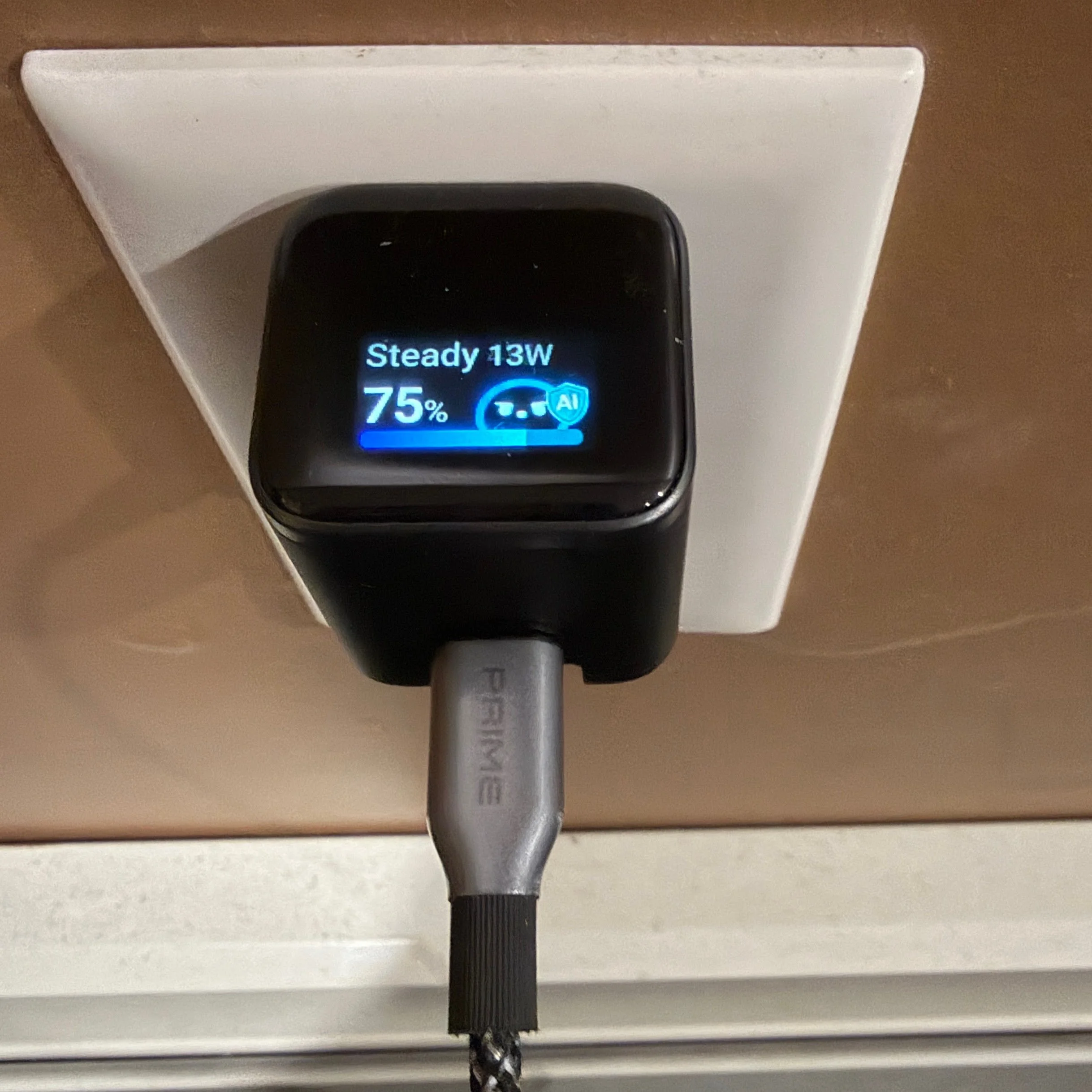
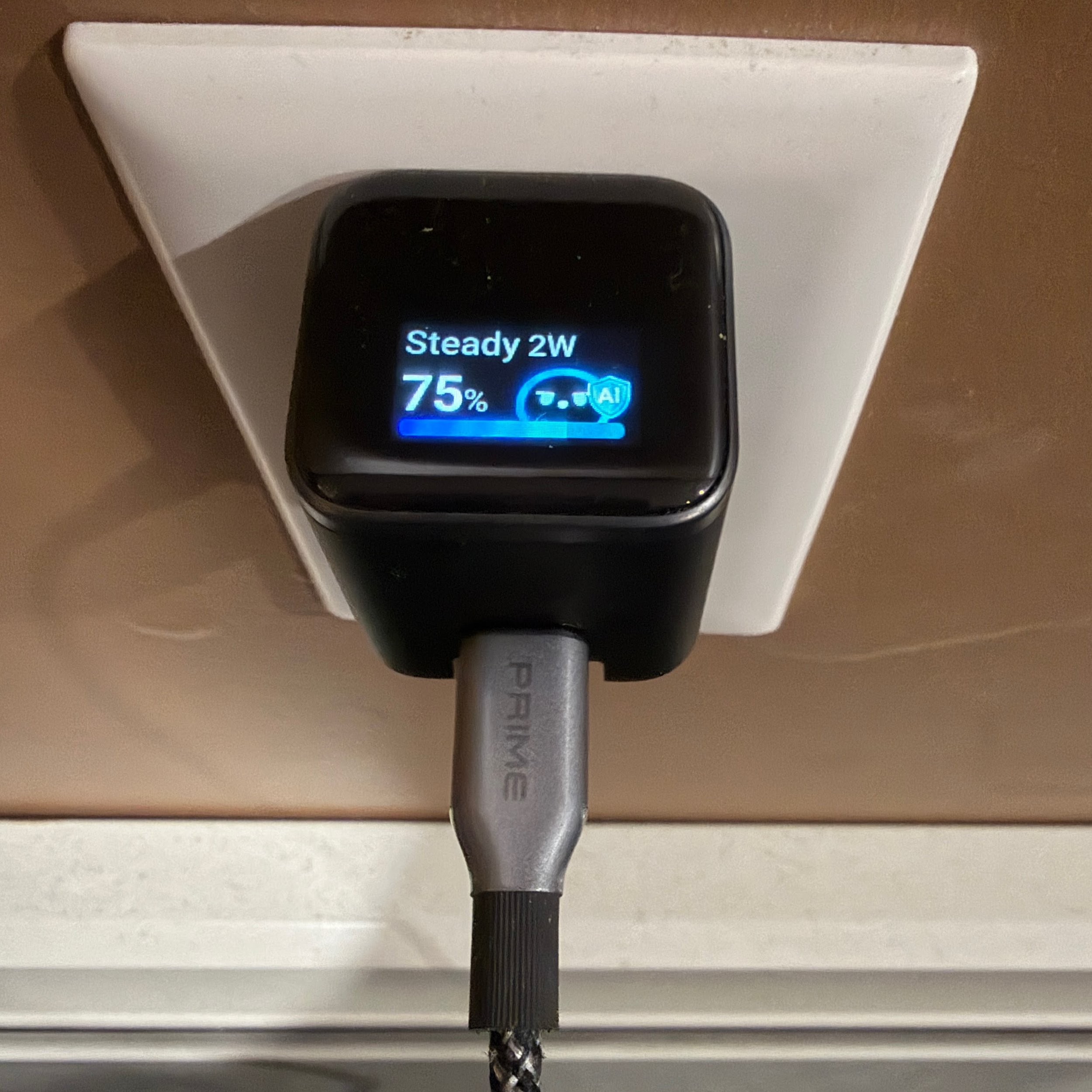
There's an animated color display with a basic tap-based (not touchscreen) user interface. This charger doesn’t just provide a readout of the wattage being output, it identifies most recent iPhones and iPads**, lets you see what percentage of the battery is charged, and it allows you to choose whether to charge the device quickly or on a slower curve that keeps the battery and charger cooler, which could prolong battery lifespan.
The display also has an animated smiley face, which is charming, and AI badging which is ridiculous. I'm not clear if "AI" refers to Anker having used machine learning to identify the devices that are plugged in, or the three-stage charging curve it uses, or something else entirely, but adding "AI" to the display is not adding value.
Thankfully, the smiley face is not a chatbot, there is no microphone or camera on the charger, and the inclusion of a display adds value without adding too much cost to what is still just an accessory.
Critically, Anker has managed to sell the charger for $40. MSRP on the 45W charger is $50 to establish perceived value, but even at launch there is a $10 coupon automatically applied on Anker.com and as a checkbox on Amazon. $40 is double the price of other inexpensive 45W chargers on Amazon and $14 more than Anker’s non-display 45W charger. However, it is still inexpensive enough to be an impulse buy if you value any of the features – the dual-rotating plug, the display that lets you know it is charging optimally, or the different charging modes. Anker still sells basic chargers without displays and with higher wattage ratings, but this is a great example of improving a product just up to the line without overimproving it and pricing yourself out of the market.
For Techsponential clients, a report is a springboard to personalized discussions and strategic advice. To discuss the implications of this report on your business, product, or investment strategies, contact Techsponential at avi@techsponential.com.
* You might think that would be the extension that took the brand too far off course, but it's an underserved market. Anker's baby line actually expanded significantly at CES to include milk cooling and storage systems, while the Nebula projector sub-brand was folded into Soundcore, and Anker's 3D printers were shelved.
**iPhone 17 / 16 / 15 series, 11" iPad Pro (2024 / 2023 / 2021 / 2020), 12.9" iPad Pro (2022 / 2021 / 2020), and 13" iPad Pro (2024).