
CES 2026: Dell Refocusing on Consumer & SMB with XPS, Branding, and Channels
Context
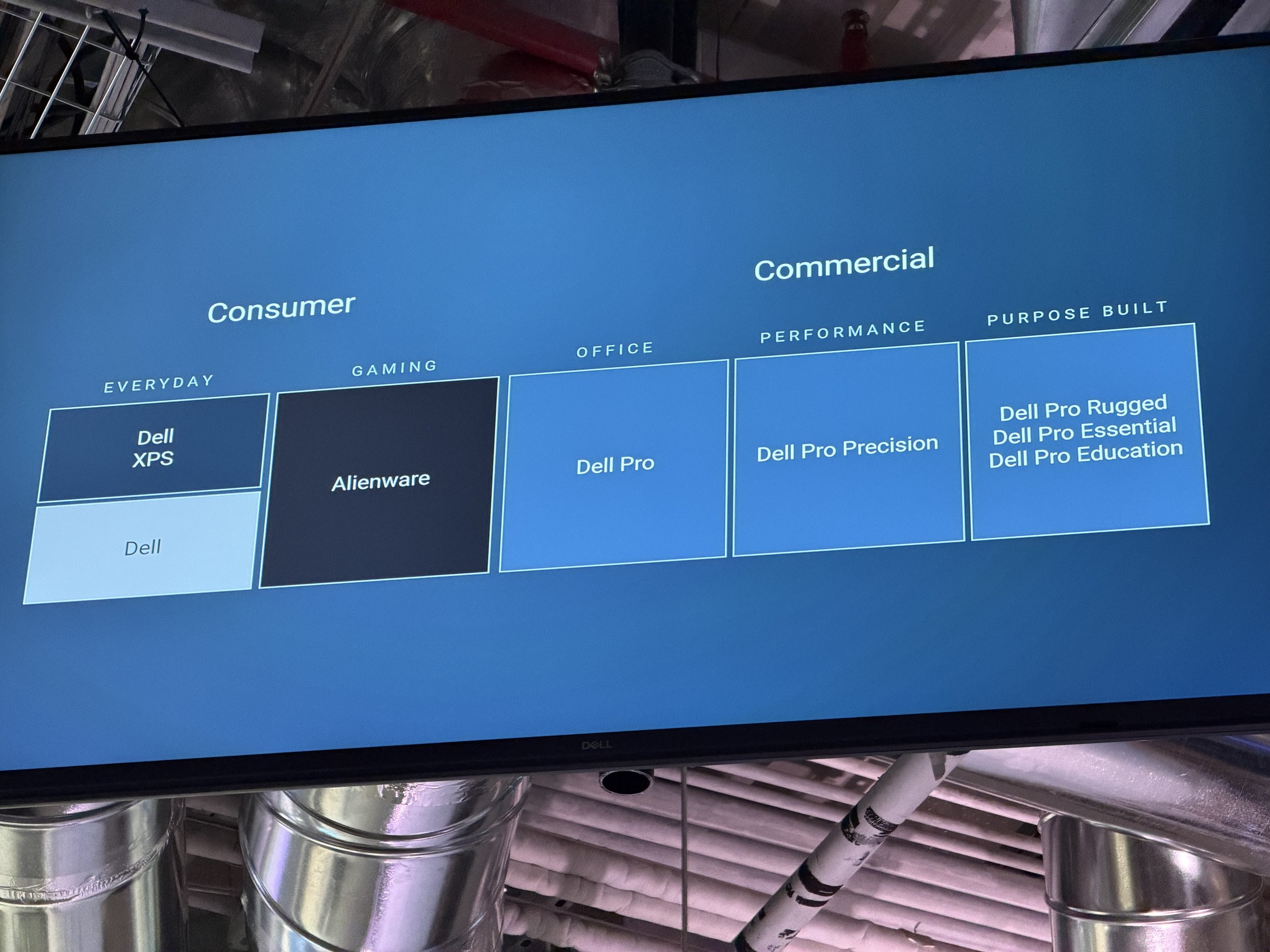
At last year’s CES, Dell launched an ambitious rebranding campaign. Dell dropped established sub-brands it had spent years building like Latitude and XPS and replaced them with a confusing Excel PivotTable naming schema that produced products like Dell Premium or Dell Pro Max Plus. Dell left its Alienware gaming brand alone, but the company generally starved the consumer business for resources and cut back on the sales channels that offered its products. The rationale was that “Dell” should be the main brand, and that bigger profits were to be had in enterprise.
This was a self-inflicted wound, and not just in hindsight. My notes at the time were not about how rivals needed to respond to Dell’s clarified branding, but how to take advantage of Dell’s abandonment of key market segments. As a result, Dell’s consumer sales suffered, but Dell also discovered that some enterprise deals also hinge on maintaining a strong consumer brand and including end user tech as part of the package and.
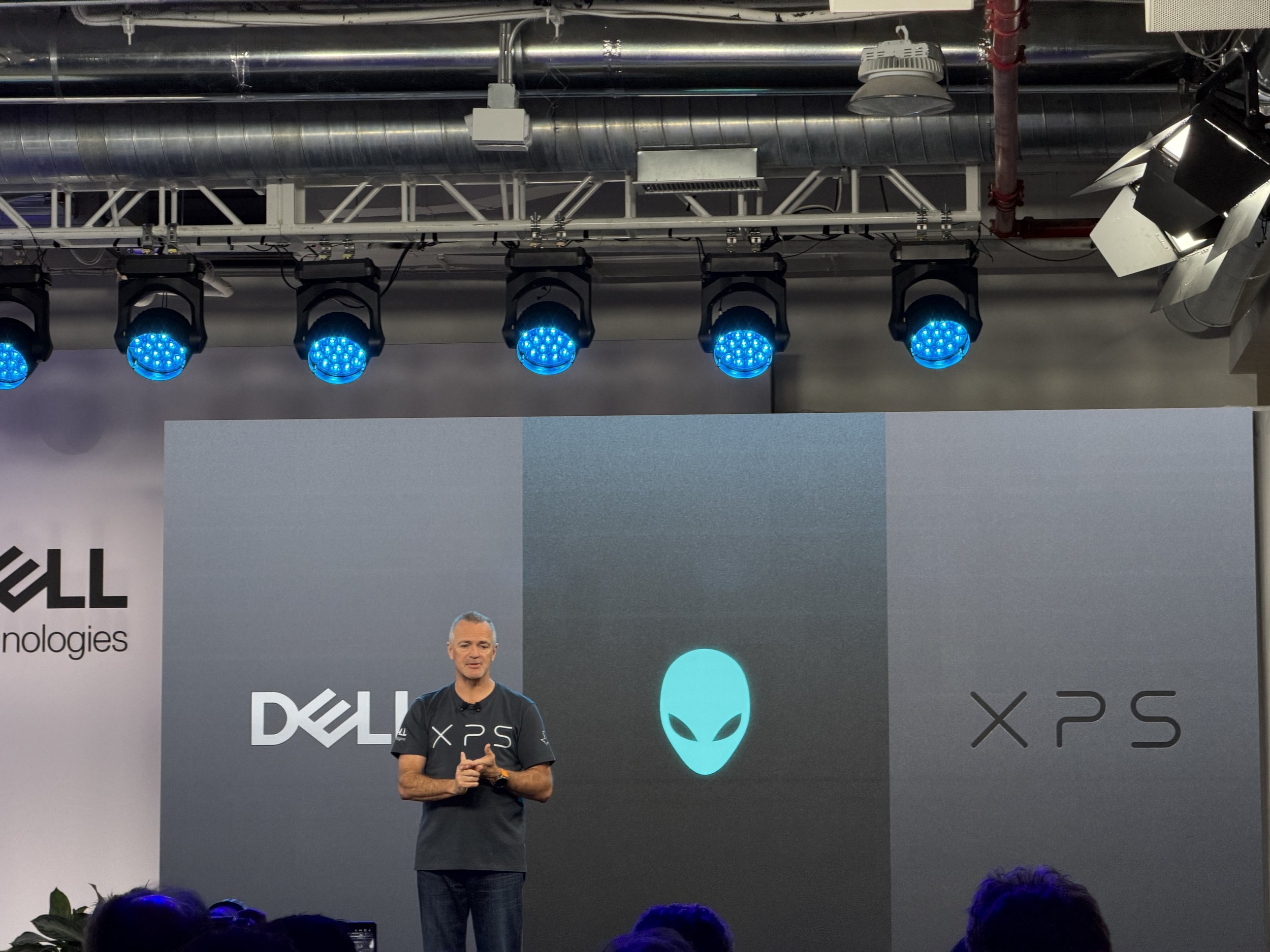
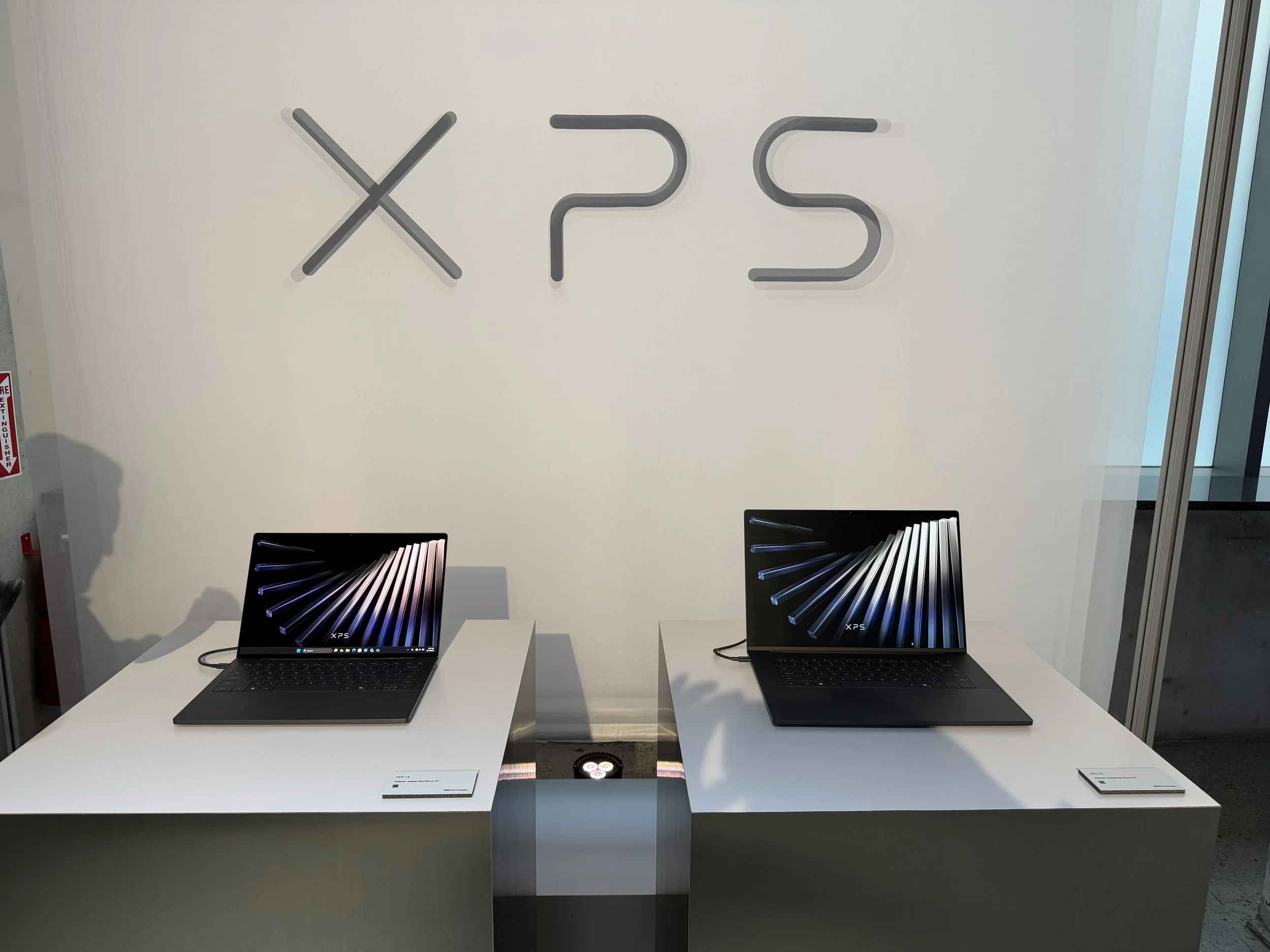
At its pre-CES preview, Dell admitted as much, and committed to bring back XPS, put marketing muscle back behind its consumer lineup, and target “all price bands, all device categories, and all routes to market.” It also promised to make faster decisions in response to market feedback, and a total about-face on its previous strategy within a year certainly suggests that Dell is serious.
Compared to the sheer volume of new products that Lenovo – or even ASUS – announced at CES 2026, Dell’s actual product launches were minimal. There are two XPS laptops, a slight change in Alienware laptop displays, an AMD option for the desktop, and a pair of new monitors. However, there is more coming: Dell is promising two entirely new lines in the Alienware gaming laptop category, a 17mm thin model ideal for hybrid work, portability, and students, and a new entry-level laptop that makes the Alienware brand more accessible.
Also, the XPS laptops and monitors that Dell did announce are seriously impressive.
XPS is back
Dell admitted that it will be focusing its marketing on design and capabilities, not AI messaging. This isn’t just “saying the quiet part out loud” that Microsoft’s Copilot+ PC initiative hasn’t delivered on its promise or driven consumer purchasing. It’s also an acknowledgement that unless you are adding software on top*, laptop manufacturers can’t really differentiate from other laptop manufacturers on AI capabilities. Everyone is using the same silicon from Intel, AMD, and Qualcomm. In the case of XPS, Dell is exclusively using Intel’s latest Core Ultra Series 3 with integrated Arc graphics.
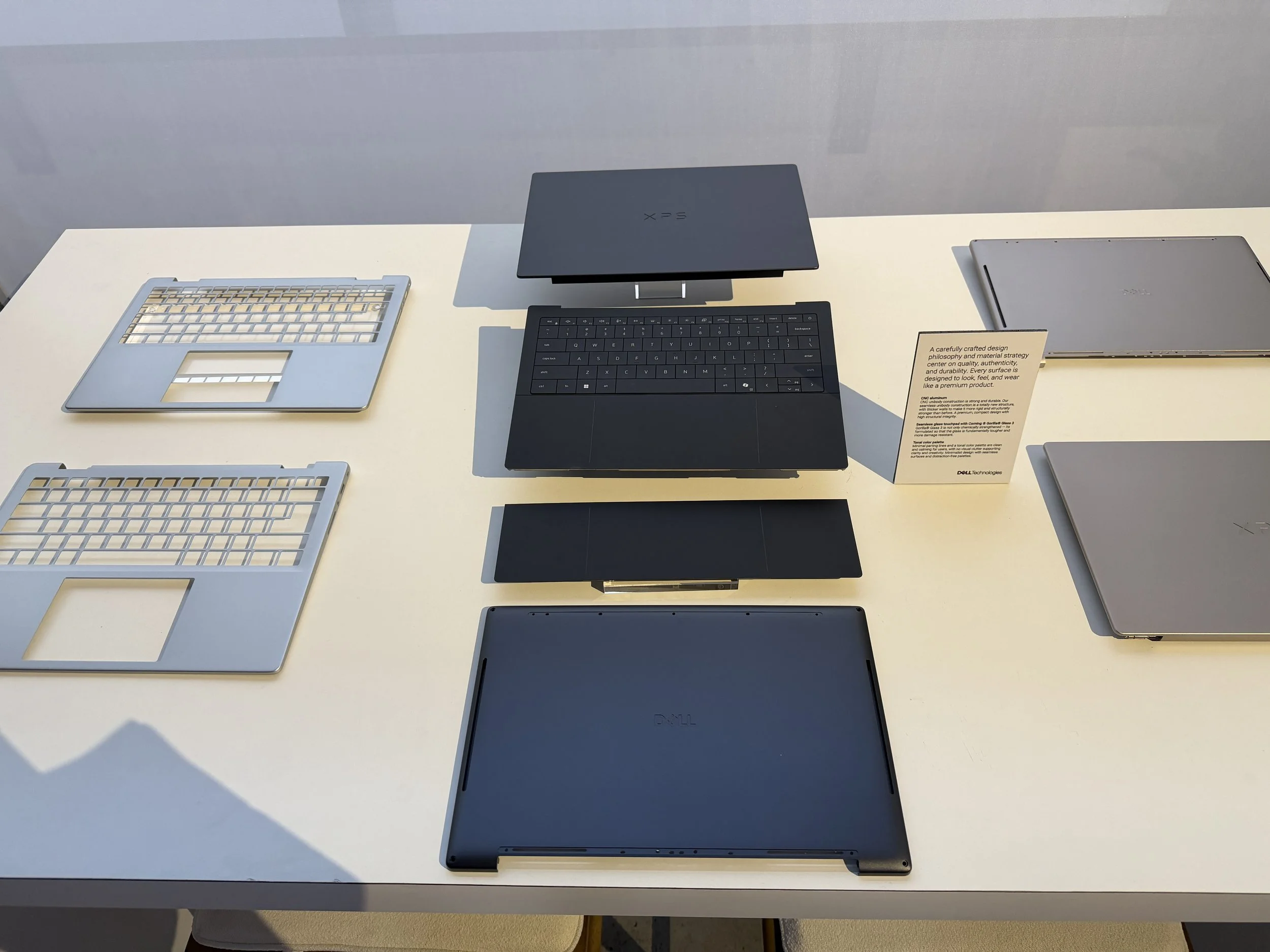
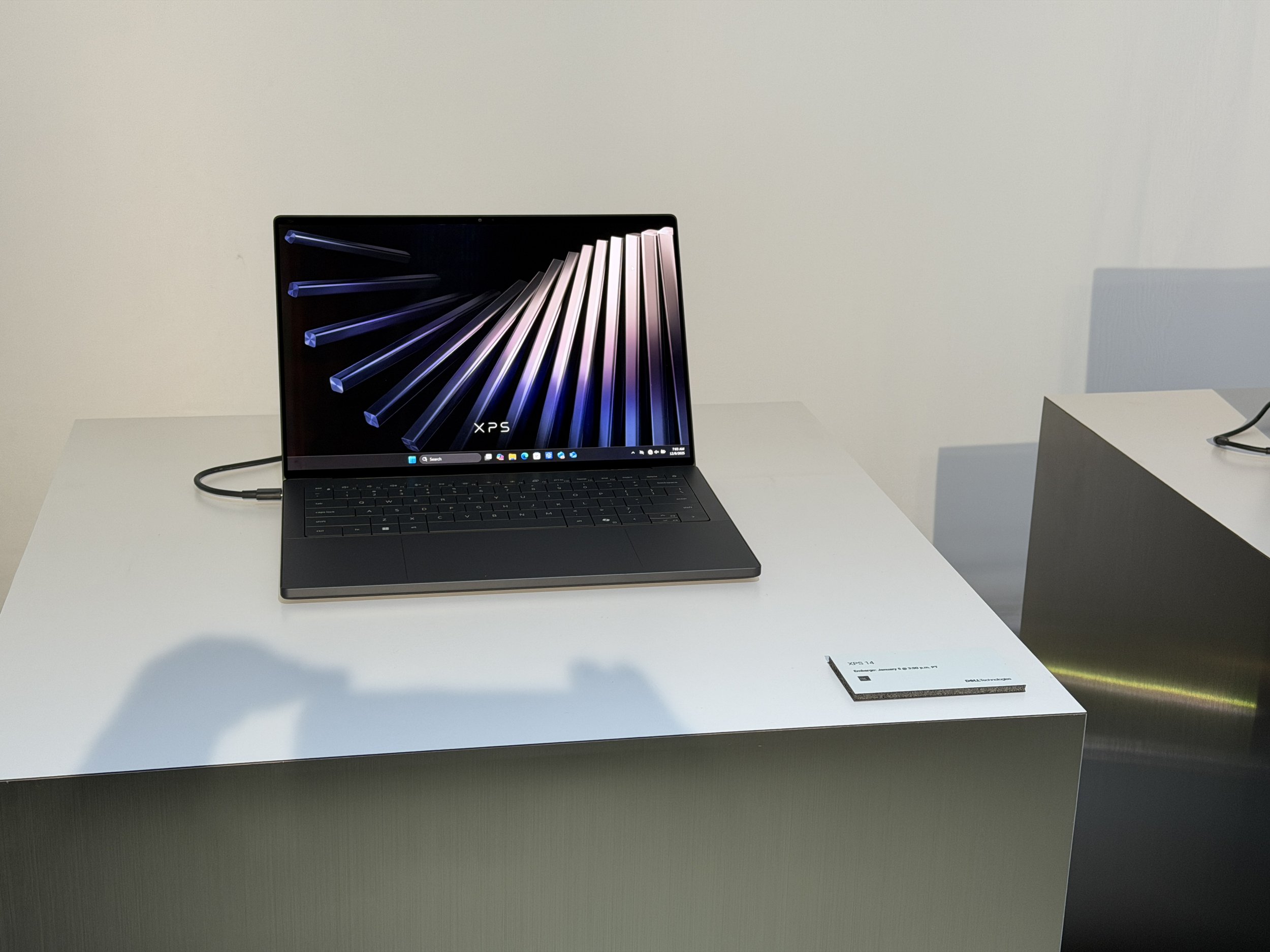
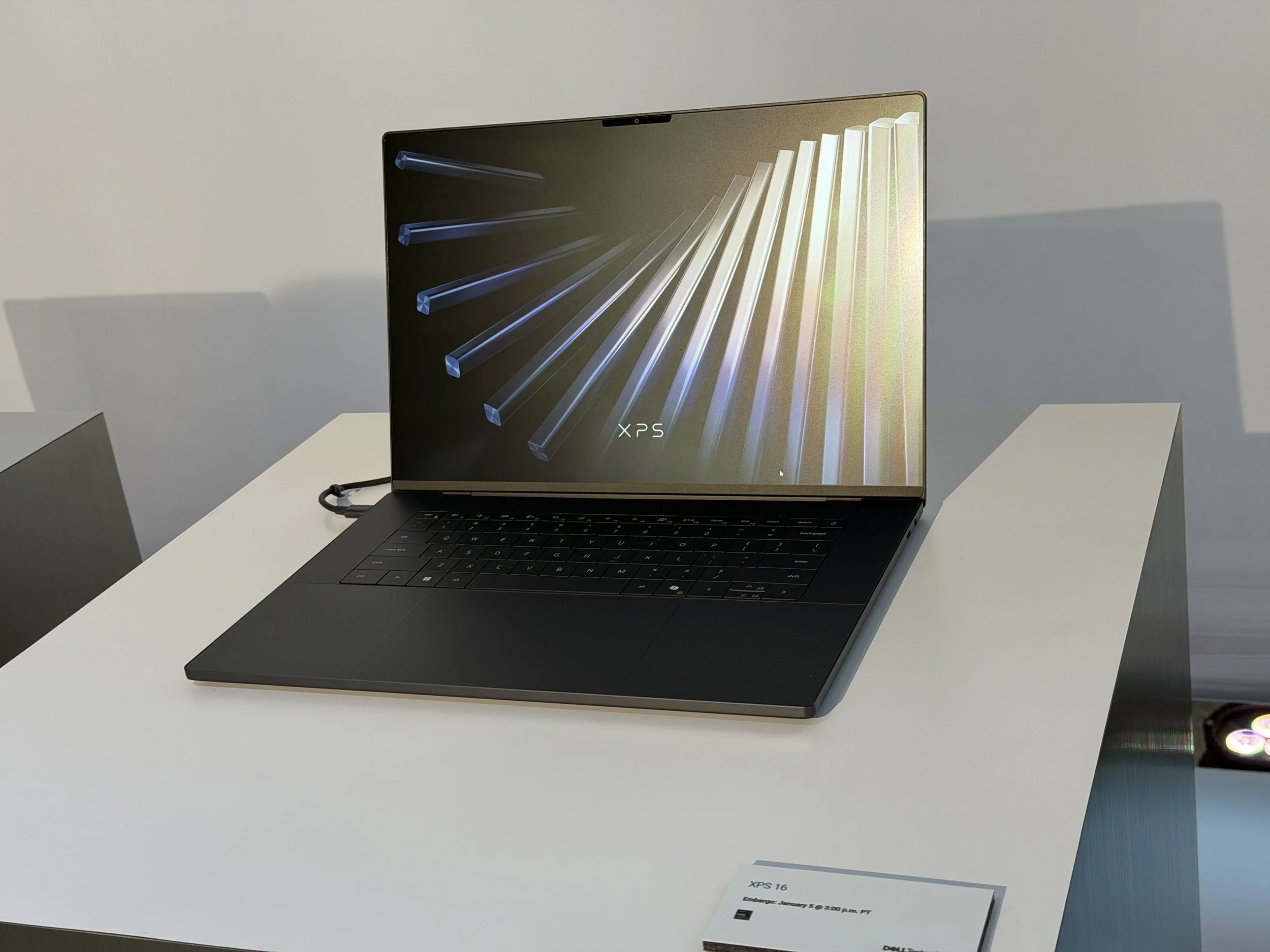
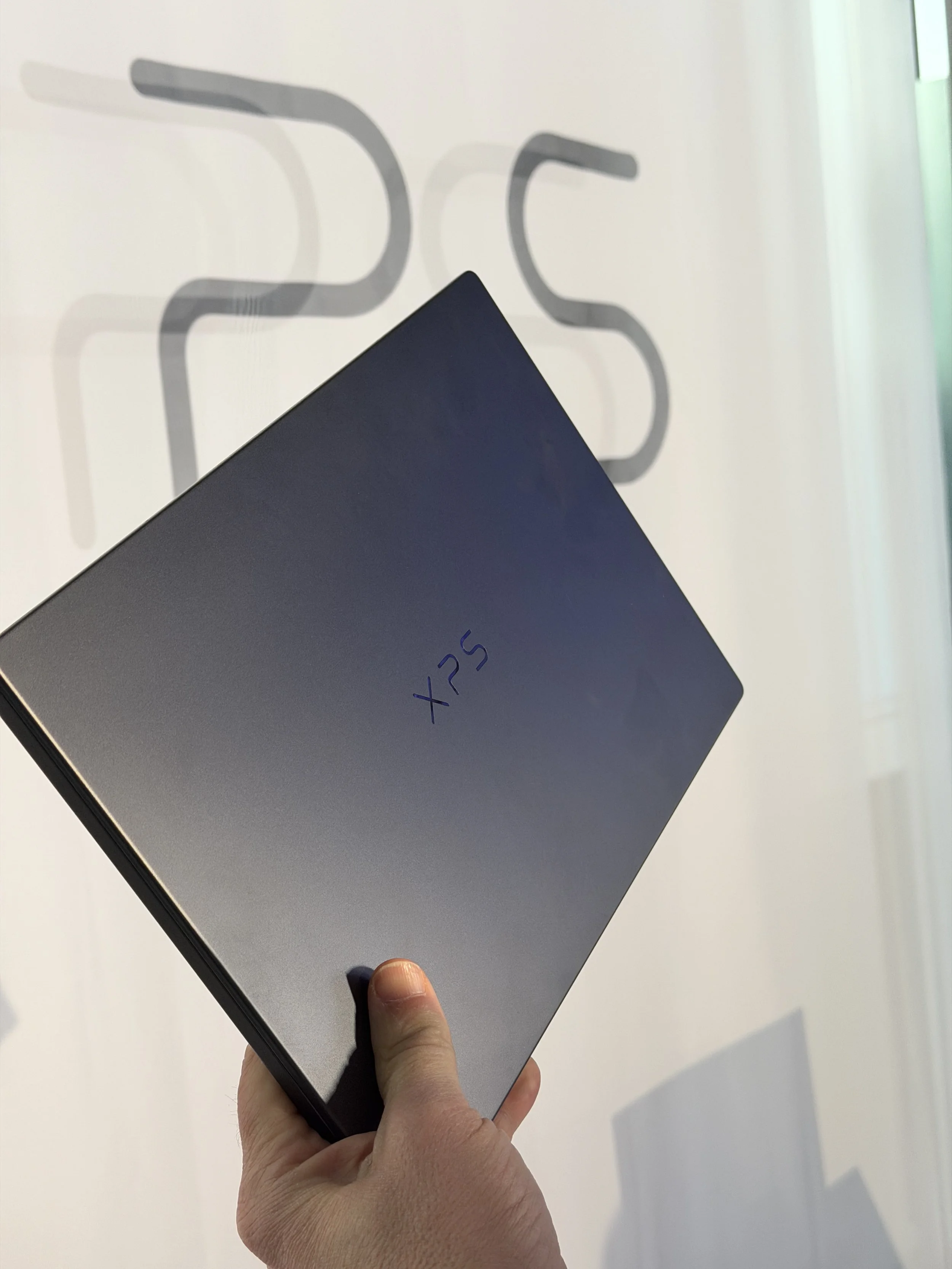
XPS was Dell’s premium line, and the new models are CNC-machined aluminum cases with Gorilla Glass 3 protecting the display. These are the most MacBook Pro -like designs I have seen in the Windows world, and not just visually; there is no flex to the cases, no visible breaks for antenna lines, and Dell balanced materials, size, and weight rather than aim for a specific superlative. The laptops are 14.6mm thick – Dell’s thinnest laptops – and the 14” XPS has a smaller footprint than a 13” MacBook Pro while matching it on weight at 3.0 lbs. The 16” XPS undercuts the equivalent MacBook Pro by over a pound at just 3.6 lbs. Dell includes rather large batteries in the package and Dell and is claiming exceptional battery life (40+ hours local video playback, 27 hours Netflix streaming. Real-world use will vary by workload, but it’s fairly safe to say that it should last an entire workday unplugged for anything remotely typical.
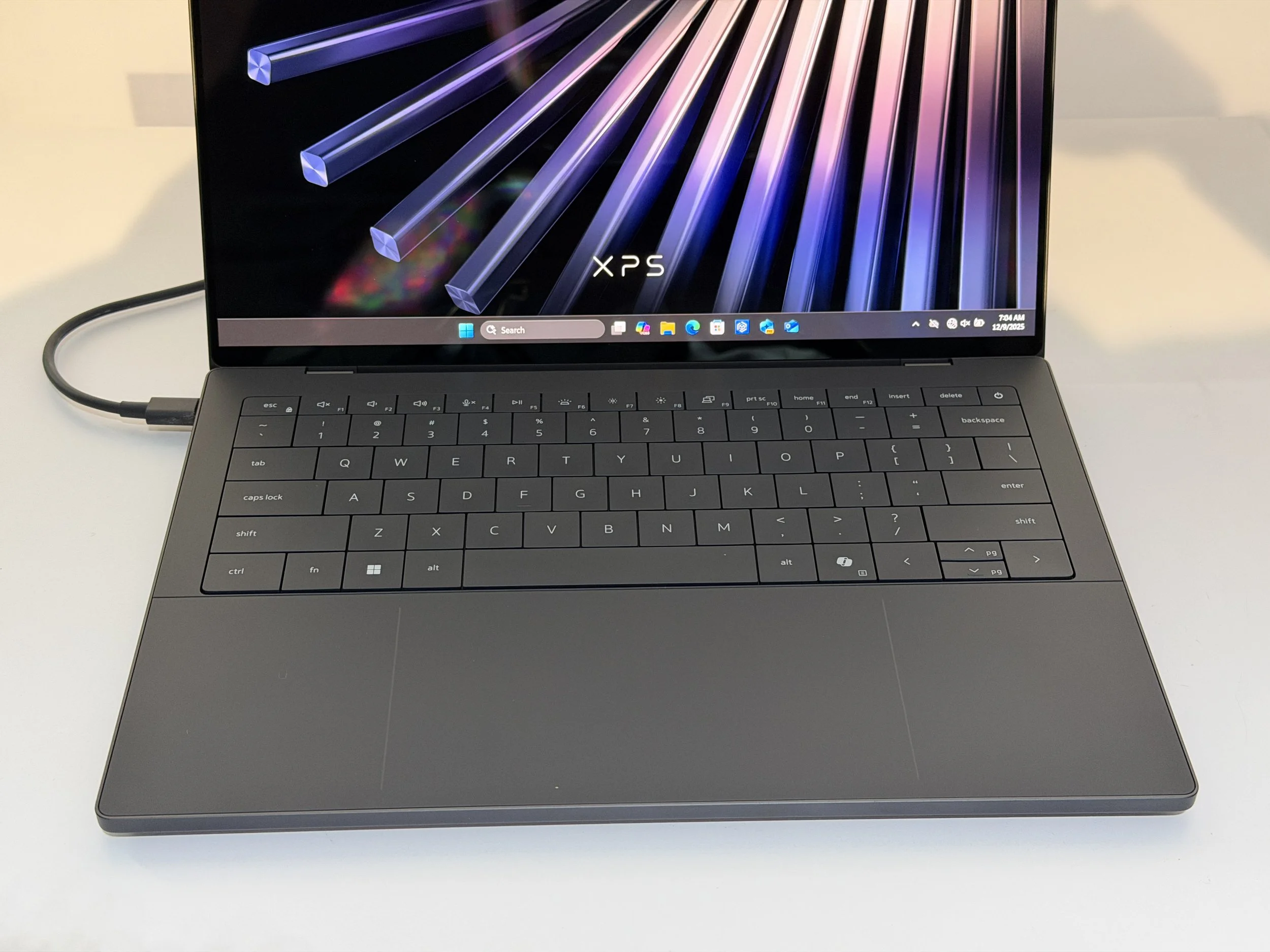
Function keys are back on the keyboard, along with more sculpted keys as Dell is refocusing design on utility, not just looks. Similarly, the glass touchpad that now has etching so you know where it starts/ends. It gives up a bit on minimalism but adds usability. What definitely does look pretty are the displays; I got eyes on with both display options, a tandem OLED or a 2K LCD with 1 - 120Hz VRR. I’ll have to get a review unit in house to know if the 10W speakers sound good.
Going forward, Dell plans to expand XPS across more price points and form factors. Specifically, there will be an XPS 13 this year, which Dell described as the lightest, thinnest (sub-13mm), and most affordable XPS ever.
To promote the XPS and its consumer brand generally, Dell has a new marketing campaign scheduled around launch time. Dell was also a sponsor of the Miami-Indiana college football championship.
Alienware: Expanding Options
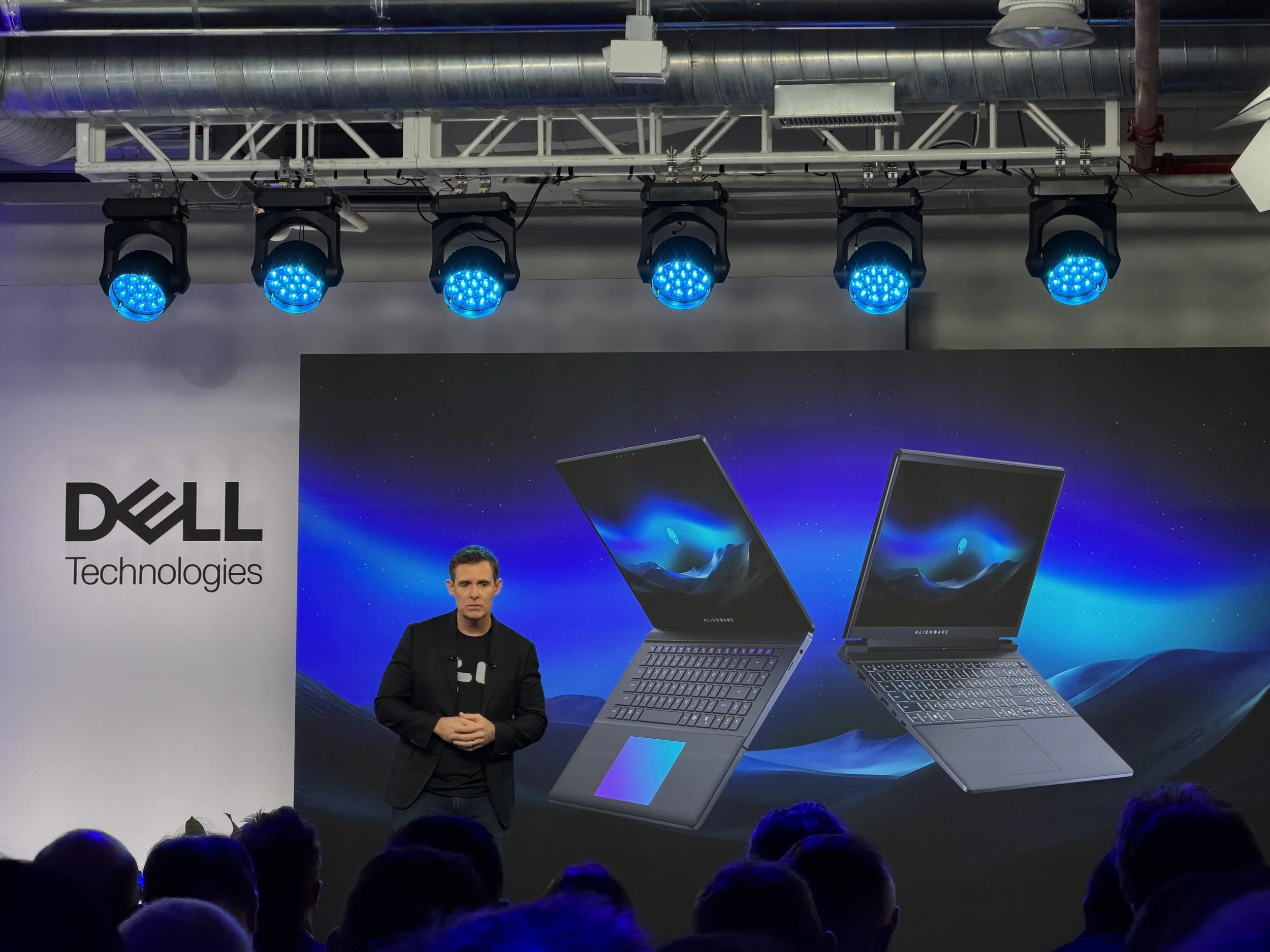
Dell left Alienware alone in 2025, and subsequently gaming was an area where Dell remained successful. Alienware intends to expand further in 2026 with ultramobile gaming notebooks – a Razer specialty – and products at lower price points – which has been an extremely effective strategy for Lenovo with Legion and LOQ.
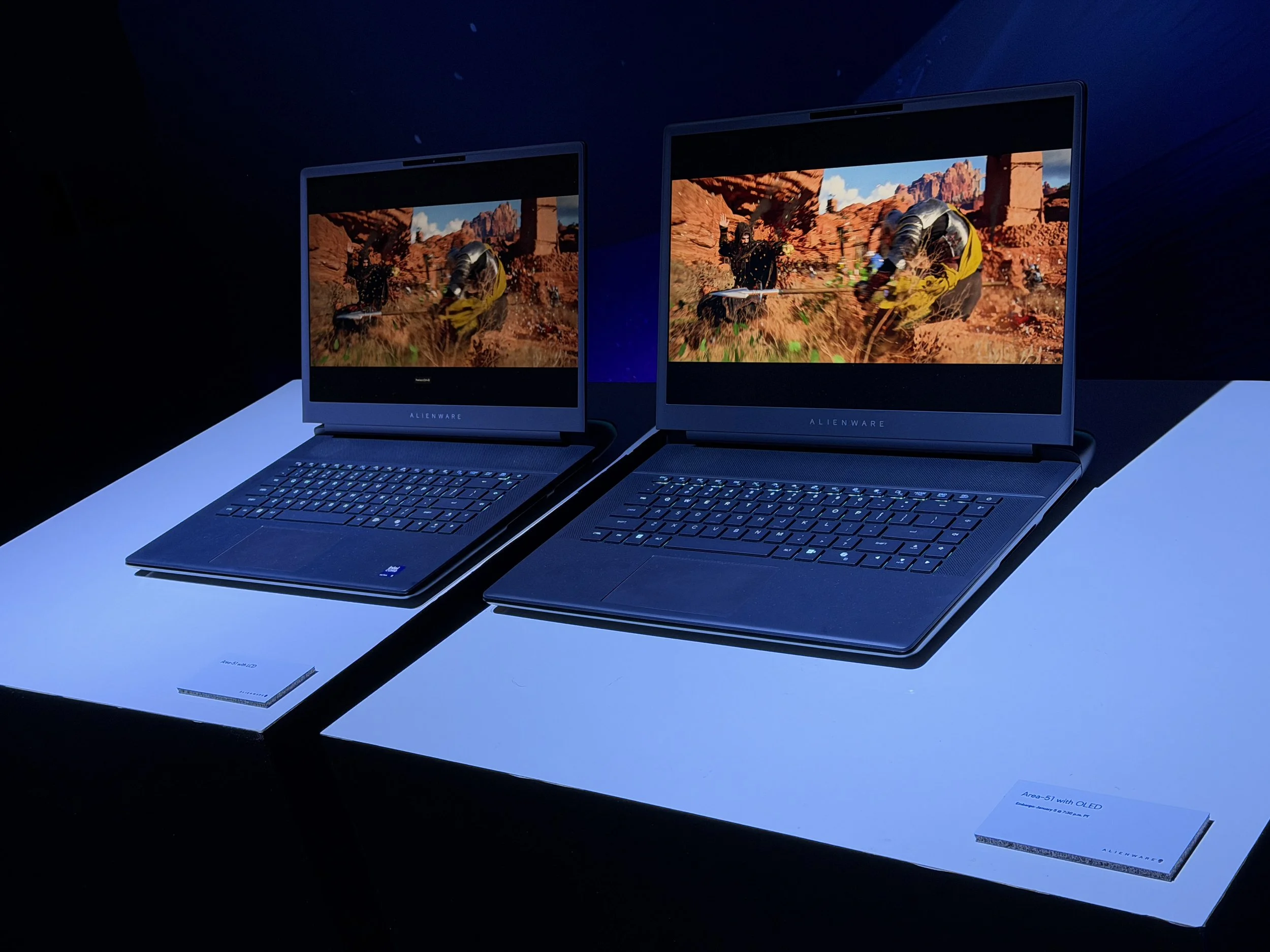
With the promise of more coming later this year, the launches at CES were somewhat minor, but welcome. Alienware is now offering AMD CPUs in Area51 desktops with 2nd gen Ryzen X3D coming; antiglare OLED 240Hz displays on 16 Area-51 and 16X Aurora notebooks; and Intel Core Ultra Series 3 (Panther Lake) HX updates.
If You Don’t Want One of These UltraSharp Monitors What’s Wrong with You?
Dell kept its monitor introductions at CES to two, but they’re both extremely desirable for the right audience.
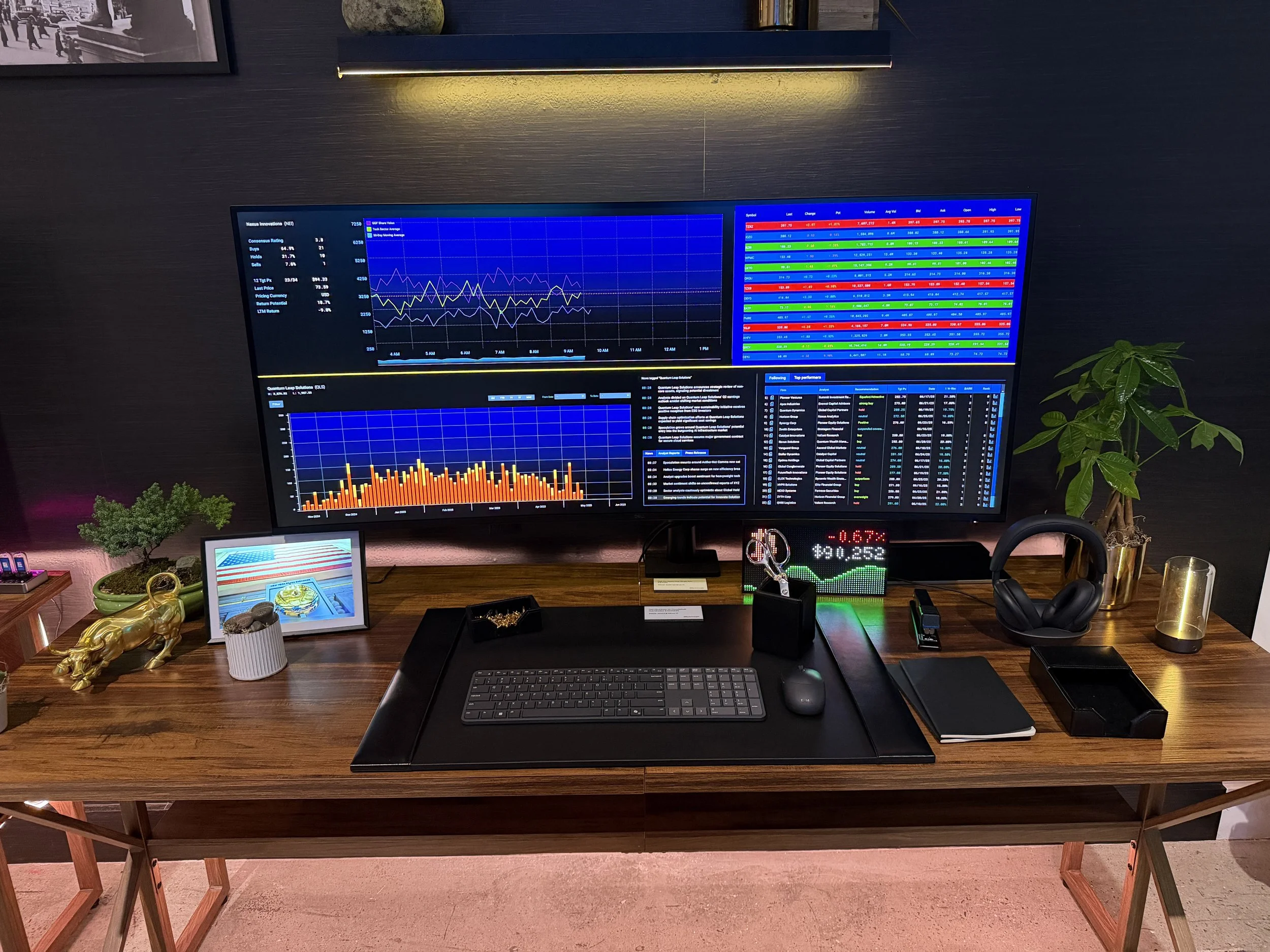
UltraSharp 52 Thunderbolt monitor – This is an enormous 52" 6K 21:9 IPS black monitor for consolidating multi-monitor setups into one continuous panel with no bezels, easier eyelines, and less physical desk space. This is a professional monitor for displaying lots of financial or scientific data, and unlike most gigantic monitors which compromise resolution, the UltraSharp 52 has 129ppi. It refreshes at 120Hz, has the highest TUV rating for blue light, and an auto brightness sensor. You can connect up to 4 PCs and segment the display, there is an integrated KVM switch, pop-out ports, and a single Thunderbolt 4 cable can connect to both Windows and Macs with 140W power delivery.
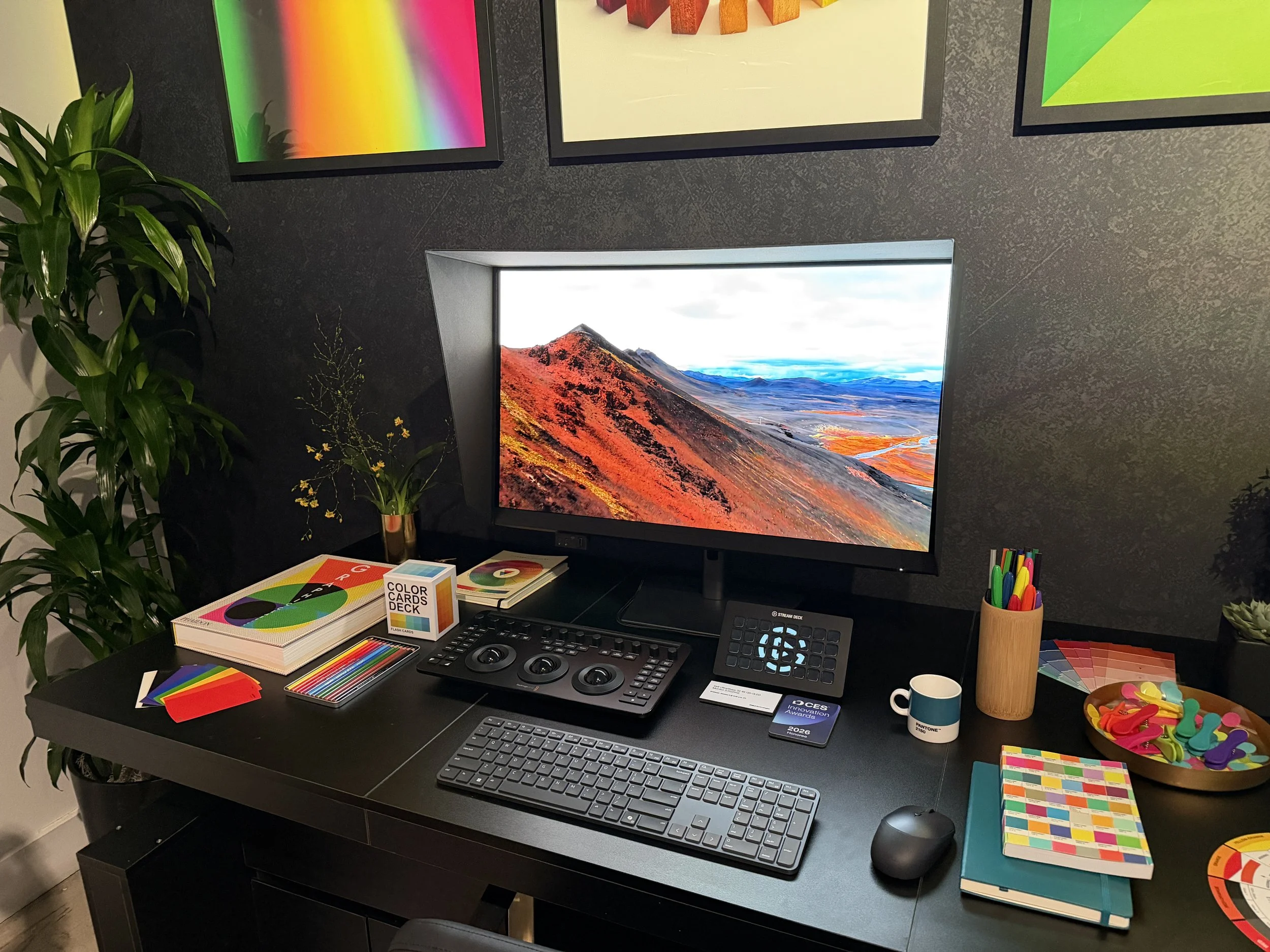
UltraSharp 32" 4K QD-OLED – This is a hybrid work monitor that takes a panel associated with gaming and tunes it with an antiglare DisplayHDR True Black 500 and Dolby Vision. This has improved panel life and better blacks than the gaming version, while the anti-glare coating is better suited for professional environments. Dell claims exceptional color accuracy; you can store color calibrations on-monitor and it can also be calibrated remotely for production environments.
For Techsponential clients, a report is a springboard to personalized discussions and strategic advice. To discuss the implications of this report on your business, product, or investment strategies, contact Techsponential at avi@techsponential.com.
*HP does add software for managing AI workloads to its enterprise laptops that can genuinely add value, but users often have subscriptions to OpenAI, Anthropic, Google, etc. or are locked into corporate AI initiatives.