
Updated: T-Mobile T-Mix Moves Perks Into the App and A La Carte

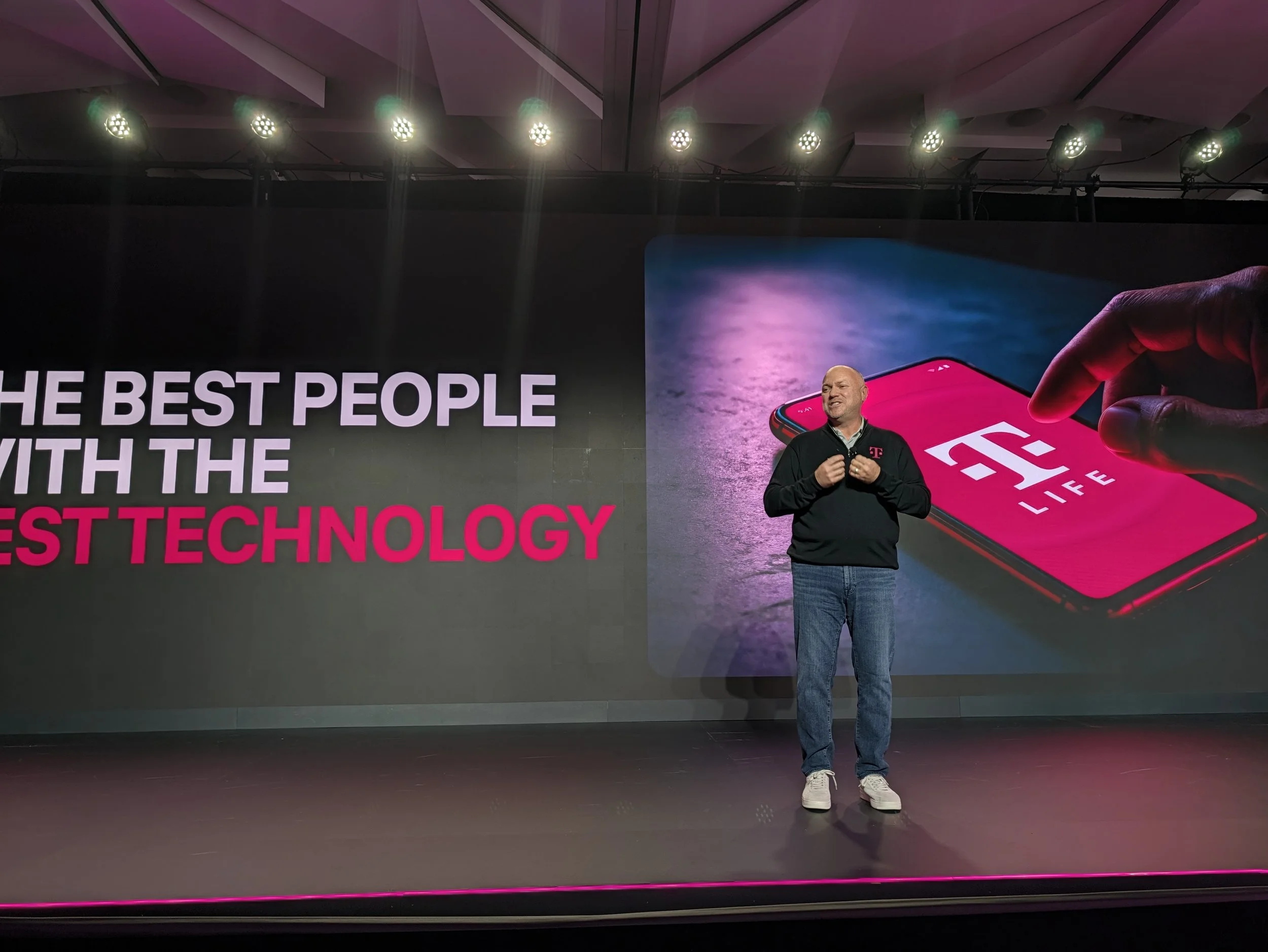
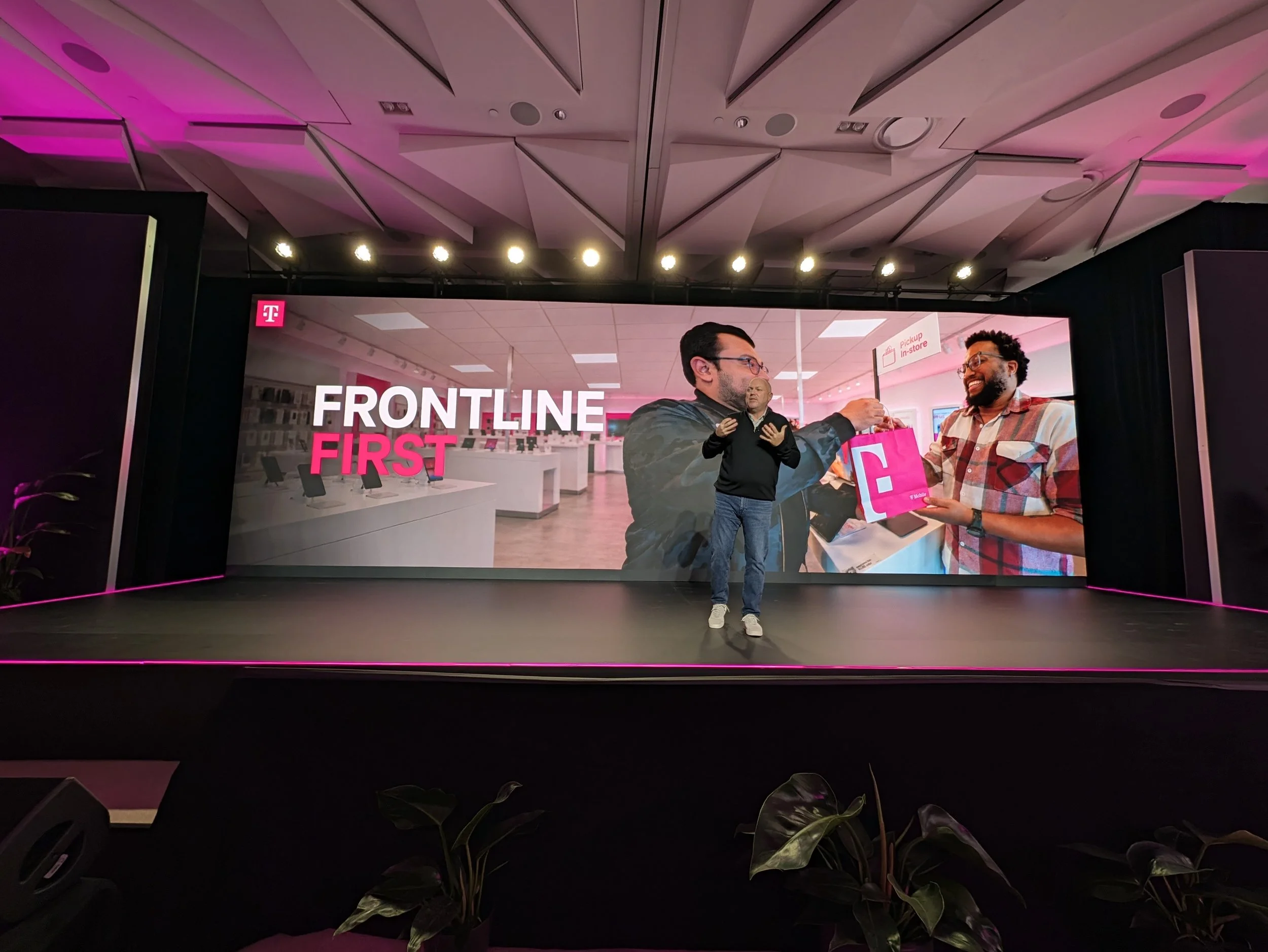
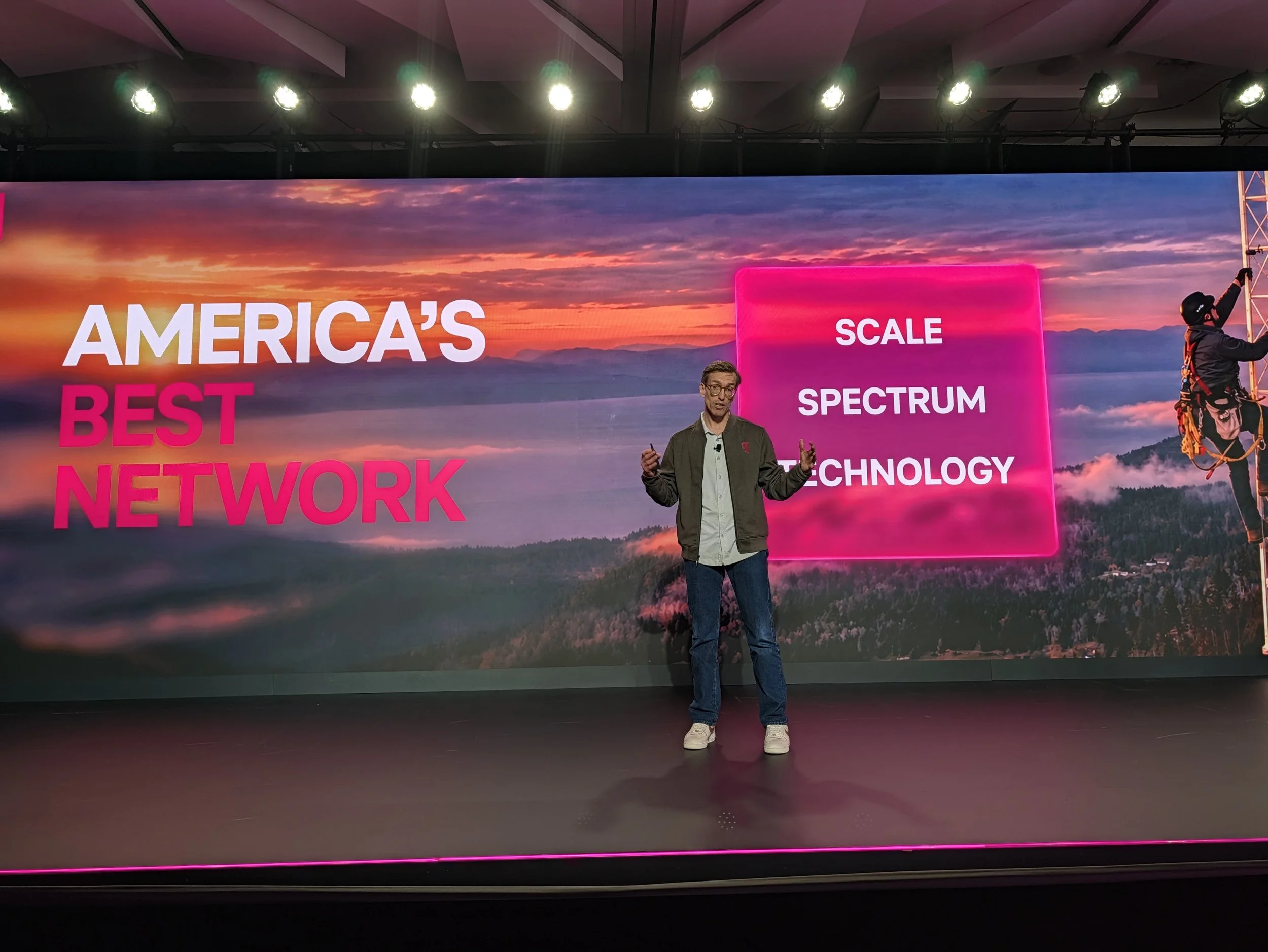
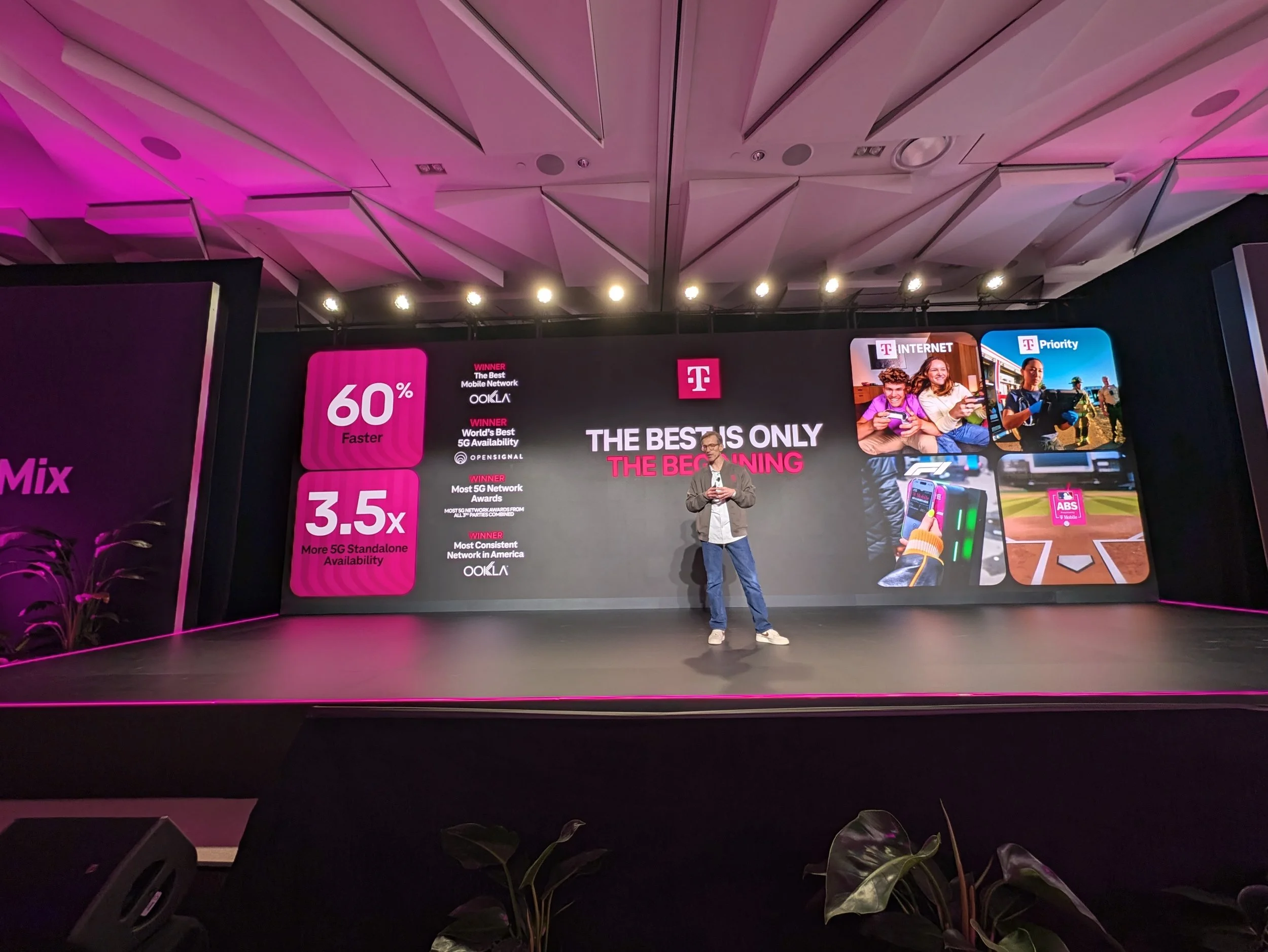
[This report was first published on Oct 26, 2026 as T-Mobile announced T-Mix in a press release, linked below. On November 5, T-Mobile held a press conference in LA where it clarified and expanded on that press release and my initial briefing. This report has been updated accordingly.]
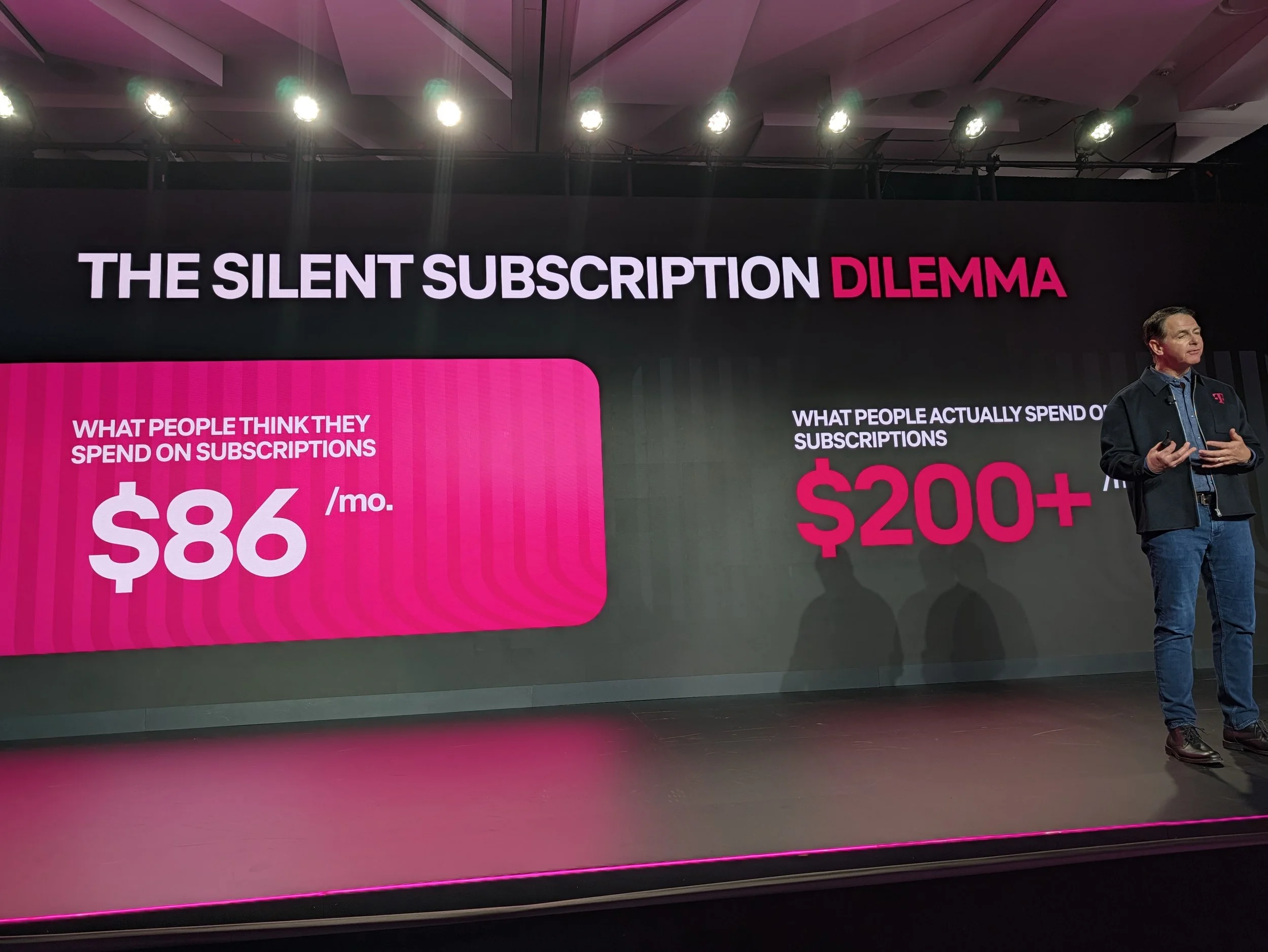
T-Mobile has long been known as a value brand and its freebies have been widely imitated by rivals. T-Mobile is now offering more flexibility with its perks with new T-Mix plans. In this economy, consumers are wary of freebies that they suspect they are, in fact, paying for, so giving them the ability to mix and match what they value makes sense. However, Verizon tried something similar with +Play that failed due to complexity; T-Mobile’s execution is different but it will need to position the plan extremely carefully to consumers.
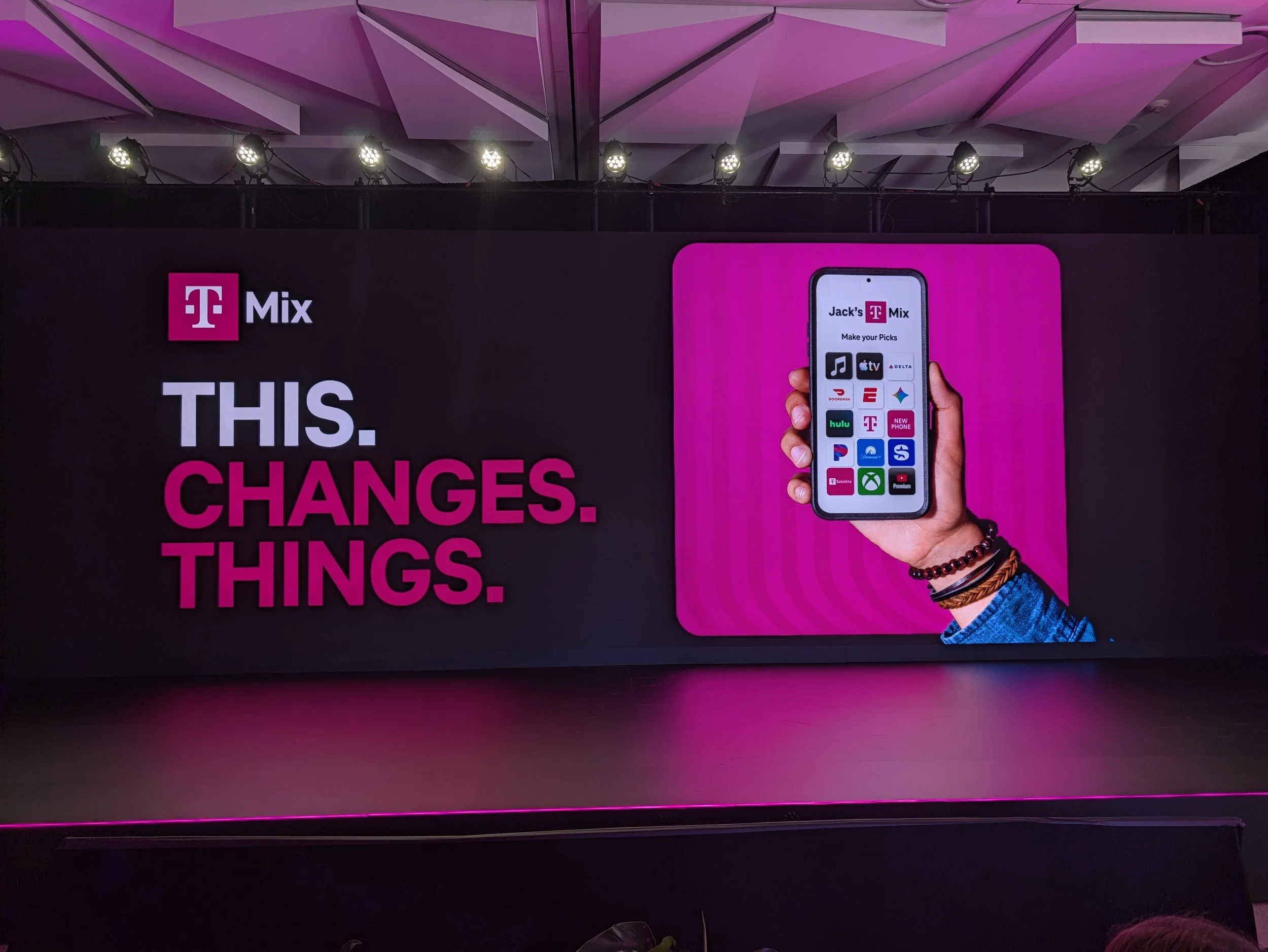
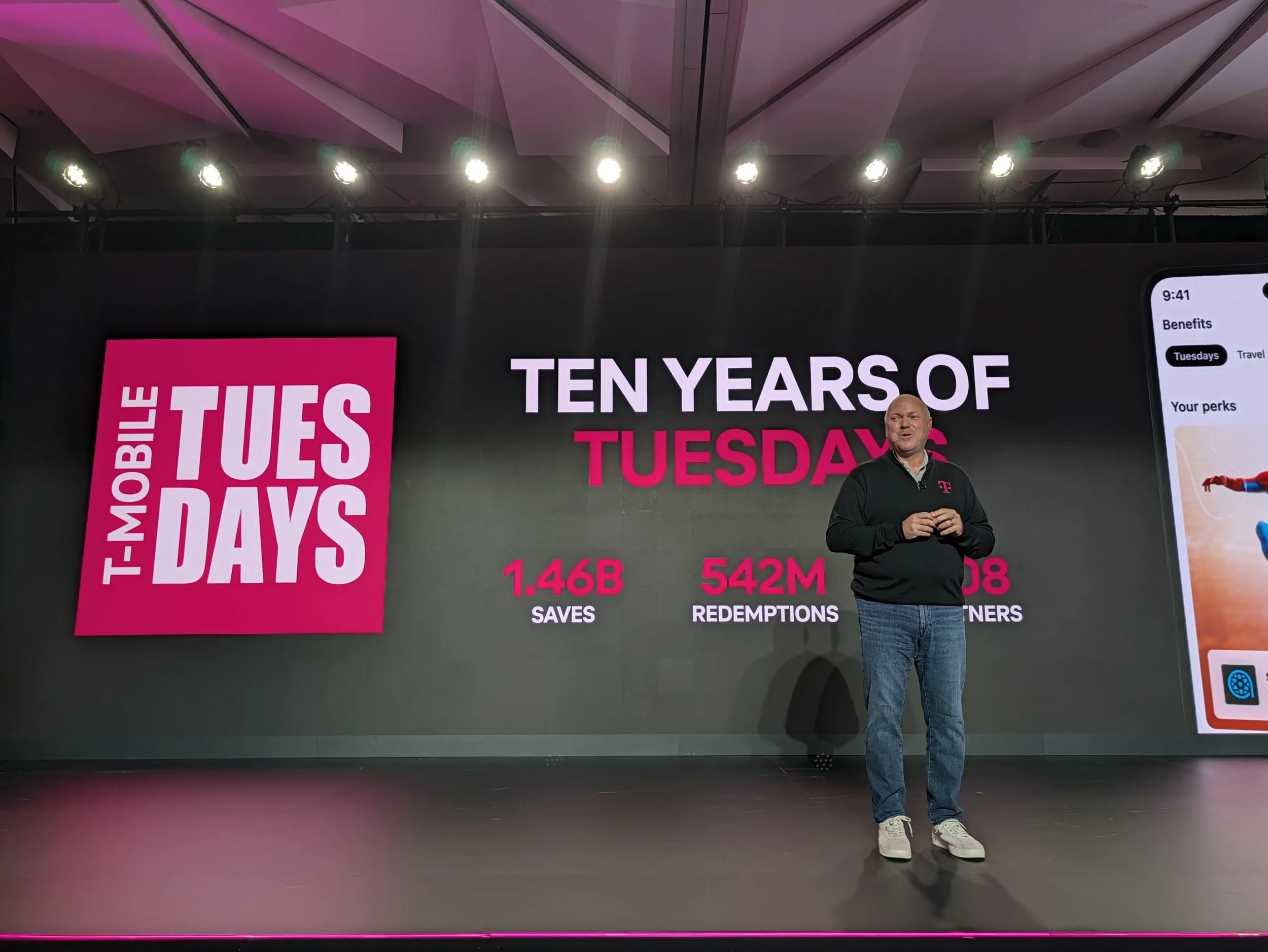
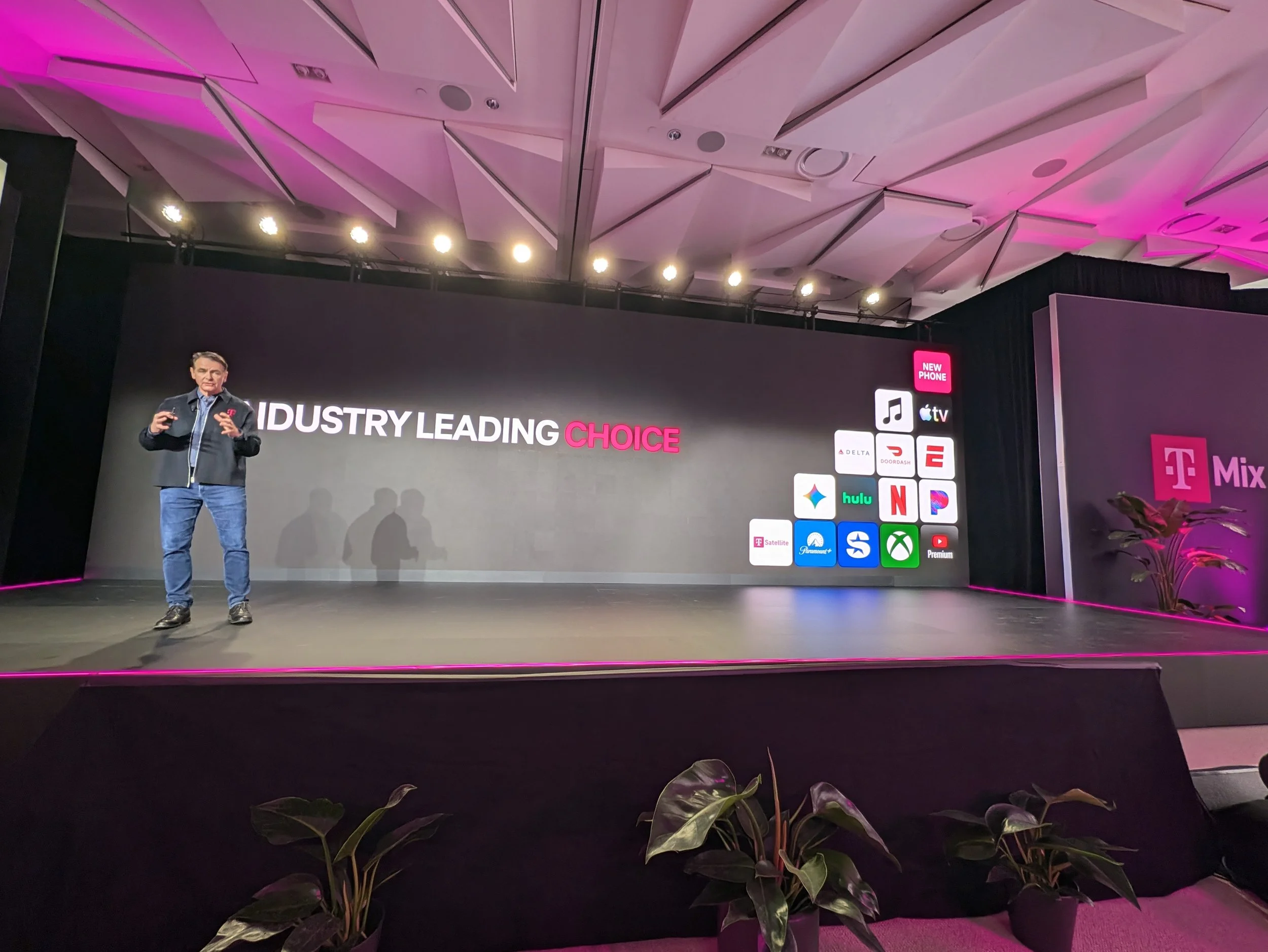
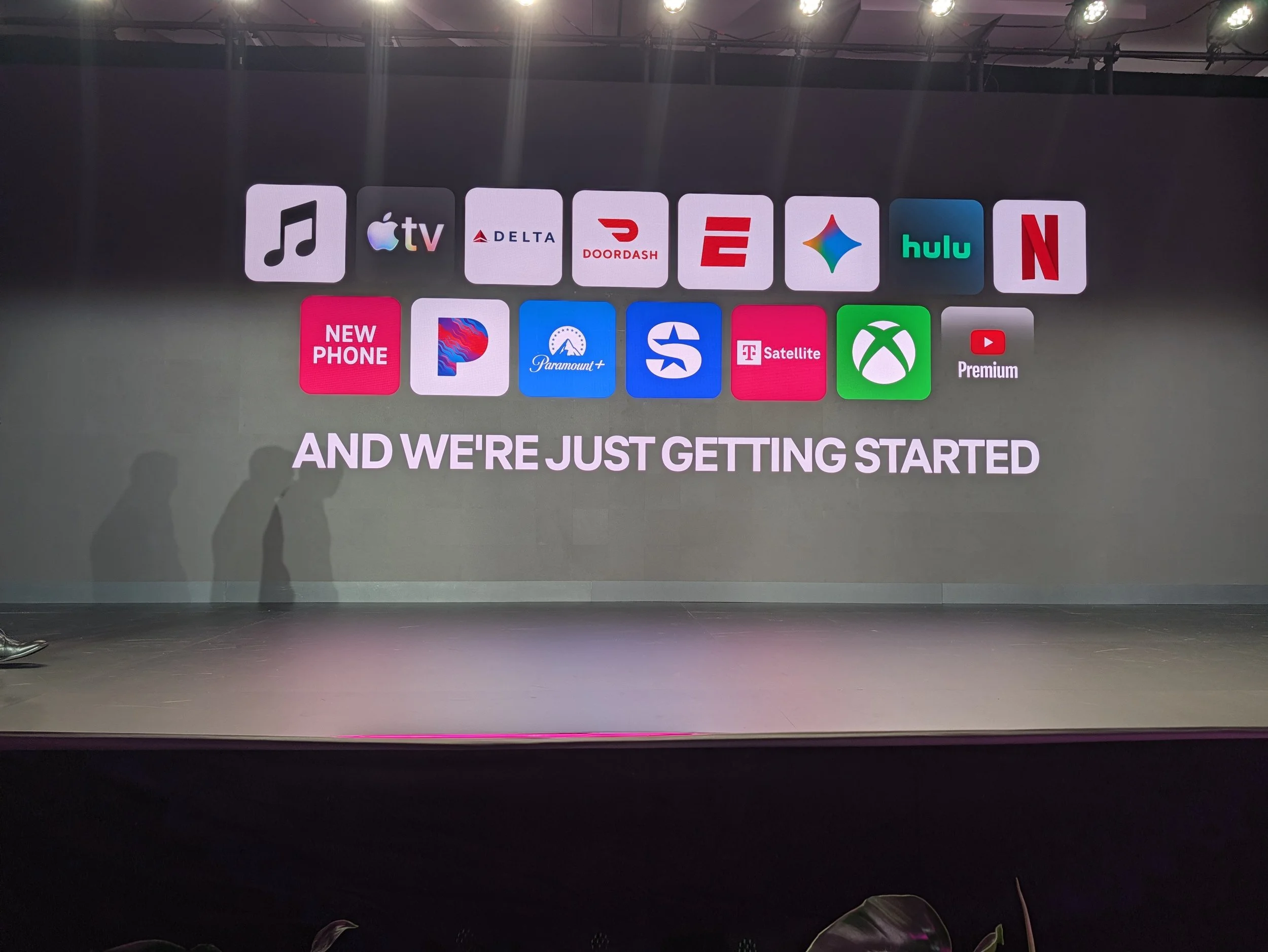
T-Mix is a new set of plans that replaces T-Mobile’s Experience plans for new subscribers [edited Nov 5, 2026 with clarification on this point]. The company is not forcing migration for existing subscribers, though they may find that they get more value from T-Mix if they do switch. T-Mix is managed entirely through T-Mobile’s T-Life App which is already widely used by T-Mobile subscribers for everything from discovering T-Mobile Tuesday benefits to self-serve plan changes. T-Mobile has also assembled a broader array of content partners for T-Mix than its plans offered before, including Apple (Apple Music and Apple TV), Delta, DoorDash, ESPN, Google (Gemini and YouTube Premium), Hulu, Netflix, Pandora, Paramount+, SiriusXM, and Microsoft (XBOX). There are also T-Mobile services that are selectable as part of T-Mix, including satellite connectivity and optimized video calling (which uses 5G SA network slicing, a fun detail for network nerds).
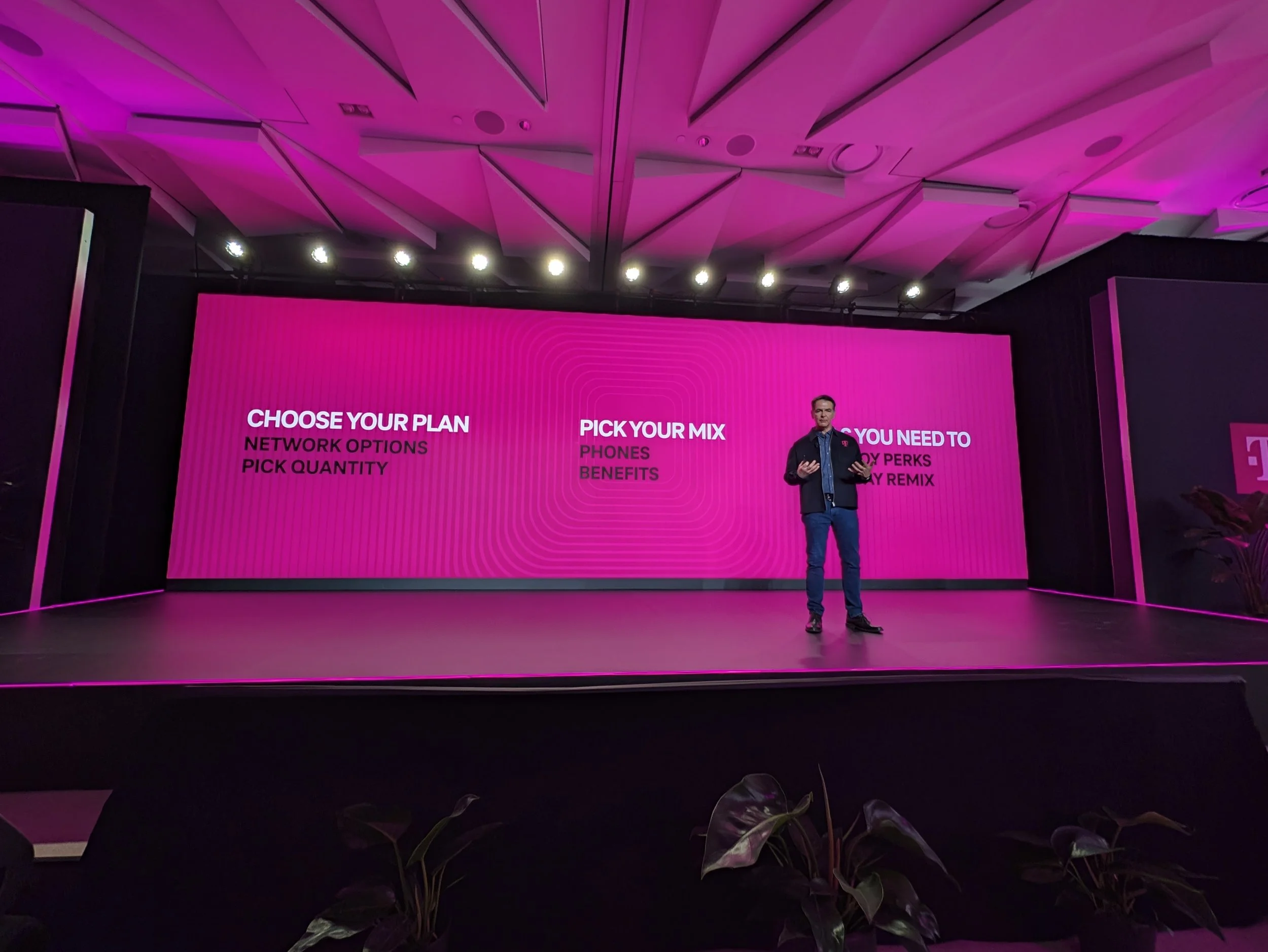
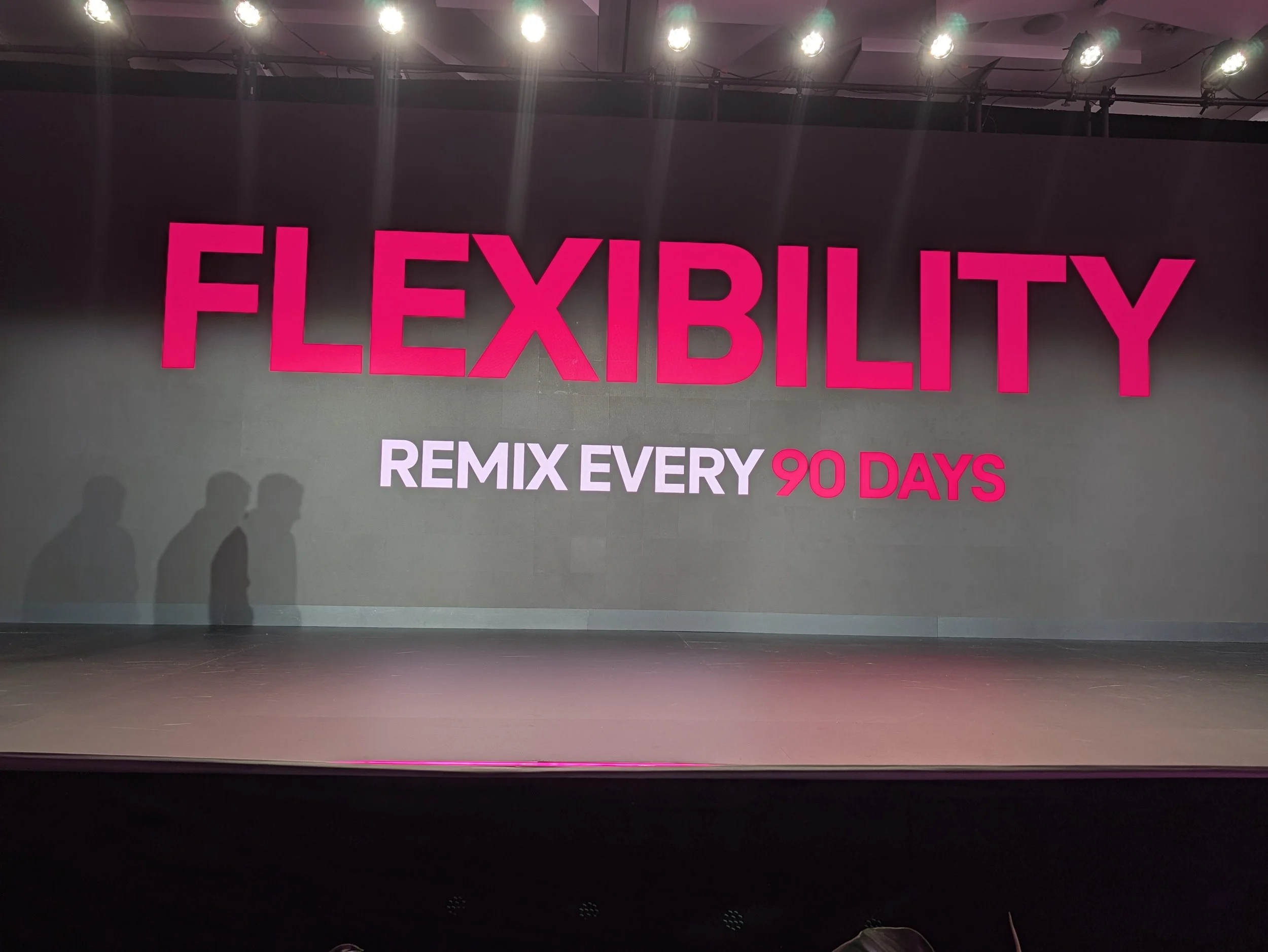
Selecting perks – now called “picks” – in the app is fairly straightforward if you start with a dollar value in mind and aren’t trying to figure out specific device rebates. Don’t watch Netflix? Don’t pick it. Fly Delta a lot and need some extra miles for an upcoming trip? Pick that. You can switch picks once every three months, so there’s some stickiness (a concession to content partners) but not too much.
[Added Nov 5, 2026: T-Mobile knows that this is more complicated, and a spokesperson said that it’s true that consumers want simplicity, but they also want control.]
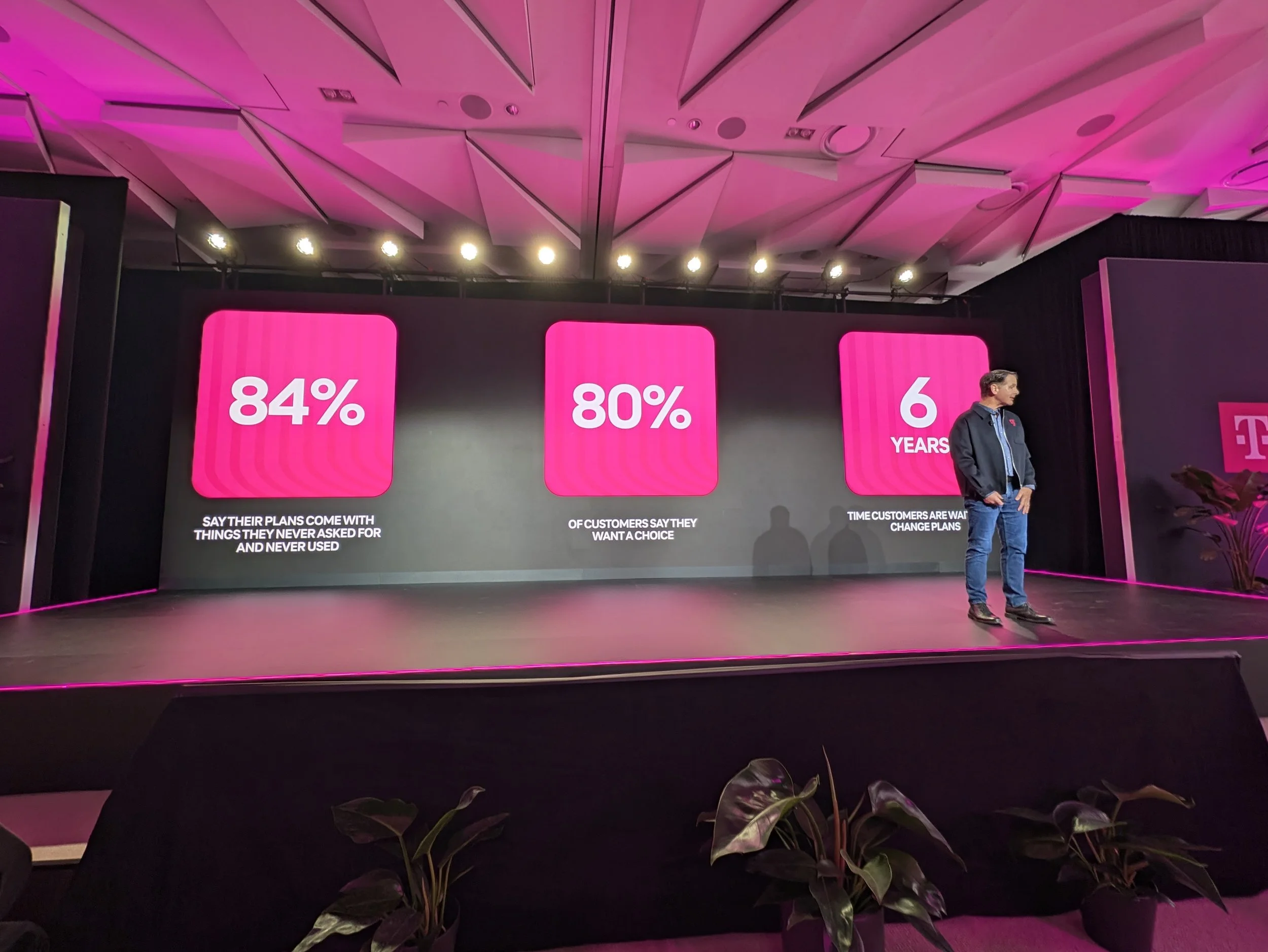
When I asked T-Mobile how this differs from +Play, they pointed out that Verizon was offering the ability to buy services, while T-Mix is simpler, because you’re just choosing from a list and not deciding what to pay for. If consumers take that perspective, T-Mix is great: it lets consumers dial in just how many picks they want to pay for, and tailor those picks to their interests. Existing T-Mobile subscribers who are happy with their monthly outlay may be quite pleased to now be able to switch to a T-Mix plan at the same dollar level, just with a lot more control over how that outlay is allocated.
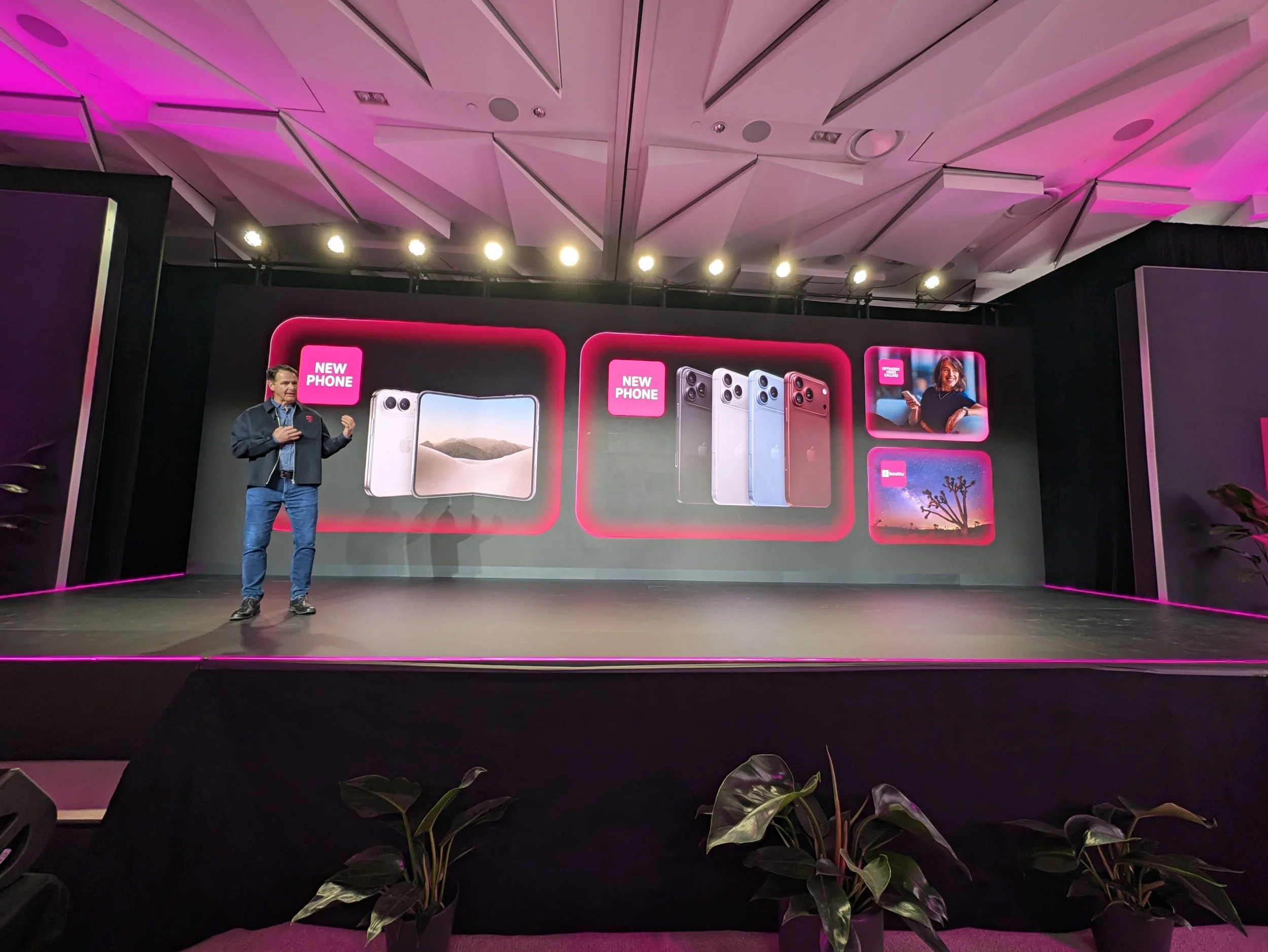
T-Mix will also make sense for customers who have paid off their phones or buy them outside the carrier system (from Apple, for example). They won’t be paying for device subsidies that they aren’t using, instead choosing picks that do add value for them. [Added Nov 5, 2026: T-Mobile also hinted that they now have the option of using Picks as a way to add to device incentives — perhaps during a sale period, a “2 Pick” phone could be purchased for just one Pick. And it was clear that it intends to add to the Pick list with additional partners over time, giving consumers the ability to switch their Picks to services or experiences that aren’t available — or don’t even exist today. Given that most consumers typically pick a phone plan once and don’t touch it for five or more years, this is unique flexibility that should help T-Mobile reduce churn.]
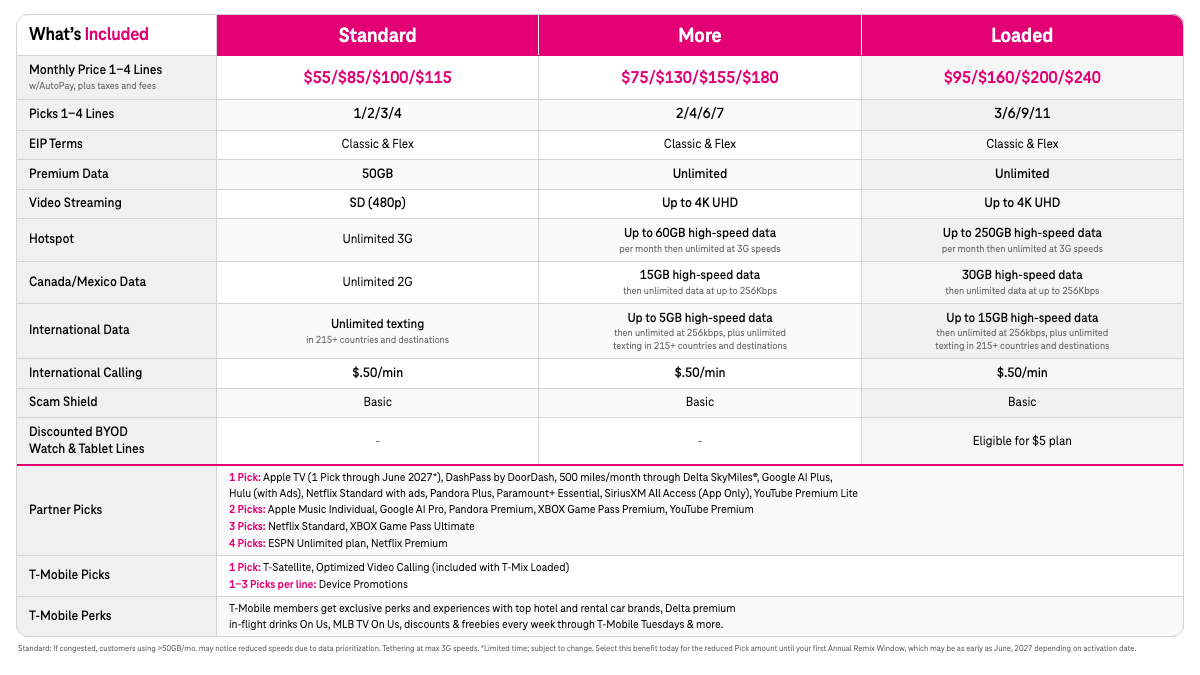
However, for consumers trying to choose a rate plan or switching, T-Mix creates a dizzying array of choices that can be hard to wrap your head around, especially compared to extremely simple plans like Verizon’s Simplicity*. First, there are three base levels of T-Mix service options with different amounts of premium data, hotspot, and international calling; this roughly corresponds to T-Mobile’s existing Essentials, Experience More, and Experience Beyond. The number of picks you get – one, two, or three per line in a family plan – follows those three base levels, so if you want more picks, it can make sense to buy up to “More” or “Loaded” levels even if you don’t need additional hotspot data. Then there are not only different content options to choose from but also plan features like satellite service and optimized video calling. Finally, T-Mobile is turning device subsidies into one or multiple picks. You may need more or fewer device subsidy picks based on the value of the phone you’re buying and the device you’re trading in.


[Removed Nov 5, 2026 after T-Mix launch in LA clarified that existing plans are being replaced with T-Mix for new subscribers. None of this will be a problem as long as T-Mobile makes it abundantly clear that existing Essentials, Experience More, and Experience Beyond plans are still available. It should also target switchers with those plans first, and then offer T-Mix later in the customer lifecycle.]
[Added Nov 5, 2026: T-Mobile assured me that in its test phase it found that new subscribers understood the T-Mix value proposition quickly — so quickly that the onboarding process for T-Mix was faster than with Essentials. However, it did note that many subscribers needed time to consult with family members about which Picks to choose; this can occur outside the initial onboarding process through the T-Life app.
T-Mobile claims that it will be difficult for rivals to copy T-Mix. That’s true — but only up to a point. Verizon has the content relationships already and could restart +Play with a simpler pricing structure and easier onboarding process, though it is well behind T-Mobile in app-ification of self service. The real moat isn’t T-Mobile vs AT&T, it’s T-Mobile vs Starlink. As SpaceX moves to become a mobile carrier, it can’t just rely on satellite coverage for rural areas and its new Qualcomm relationship to build a reported 80,000 cell towers. It will also need to manage the full lifecycle of devices and content relationships, including phone subsidies, financing, and promotions. None of this is impossible, it’s just a different and additional set of deliverables beyond connectivity and billing.]
*Verizon Simplicity stops making economic sense in families with higher line counts, so T-Mix often won’t be competing directly against it. But it is certainly easier to compare Simplicity to other plans compared to T-Mix.
For Techsponential clients, a report is a springboard to personalized discussions and strategic advice. To discuss the implications of this report on your business, product, or investment strategies, contact Techsponential at avi@techsponential.com.