
Samsung Adds Widescreen to Refreshed Galaxy Foldables and Watches
This is Part 1 in my coverage of Samsung Unpacked with high level analysis of form factor use cases, Samsung’s approach to materials science for foldables, and its collaboration with Google on AI. For hands-on details on the new phones and wearables, see Part 2: Hands-On with Samsung’s New Foldables and Wearables
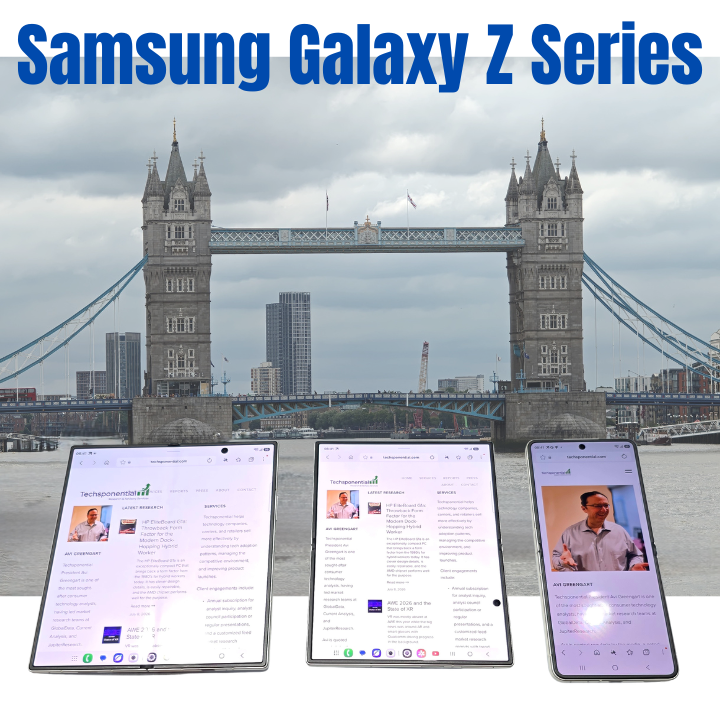
New Shape!
The Galaxy Z Fold8 really needs a more distinctive name (“widescreen?” “folio?”) because it is the first new shape from Samsung since it pioneered the foldable category along with Motorola back in 2019. This is not the first time a passport-style foldable phone has been tried – OPPO had the well-reviewed Find N in 2021, and Huawei just launched the Pura X Max (China-only for now). It’s also not going to be the last: Apple is widely expected to launch the first foldable iPhone with this shape in September.
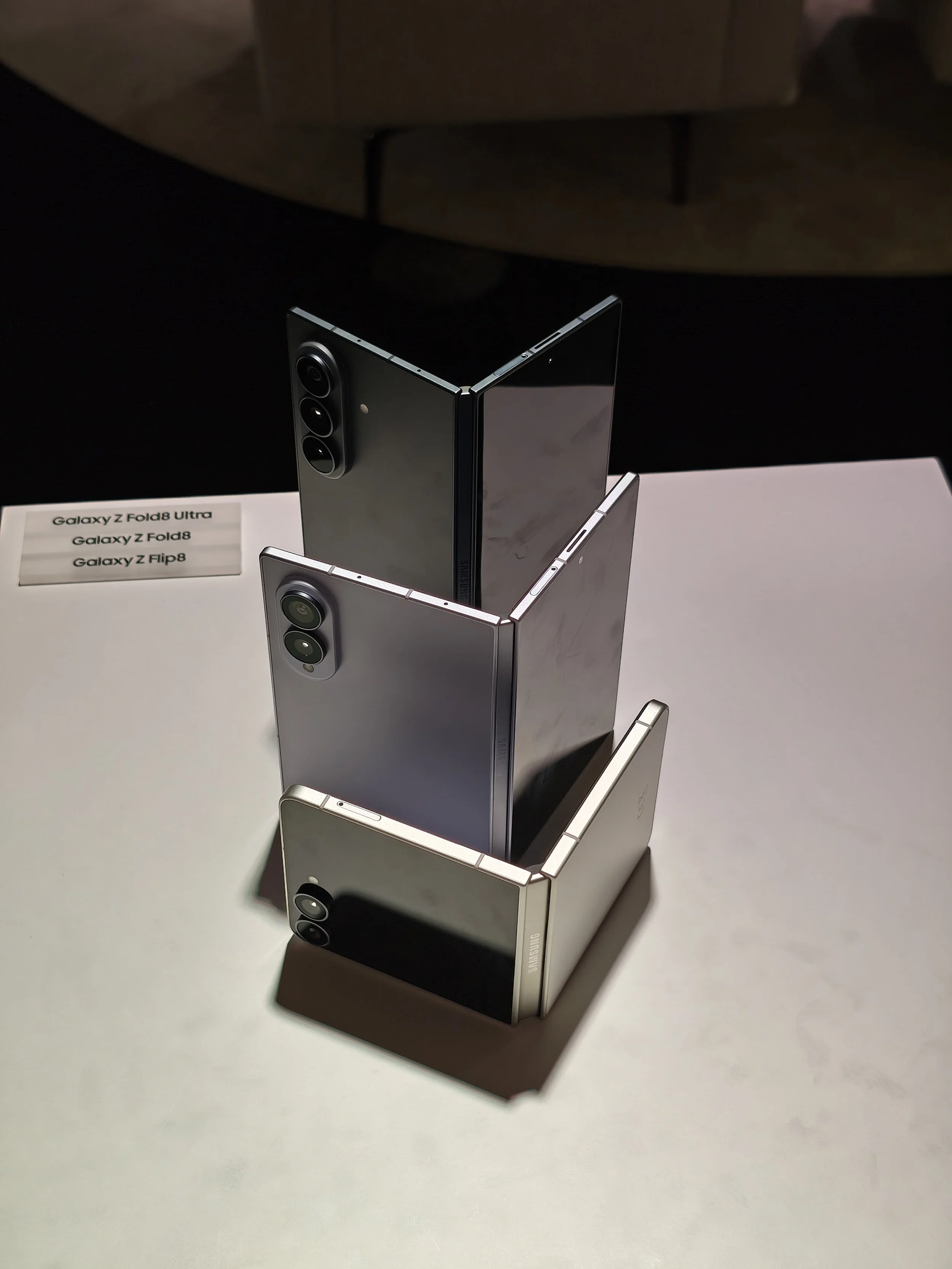
There are advantages and disadvantages to different form factors, and Samsung is adding to its portfolio, not taking any of the others away.
Fold-smaller phones like Samsung’s Galaxy Z Flip8 are best for fitting into tighter pockets and disappearing in bags compared to bar phones. They also naturally lend themselves to selfie tripod use cases. Finally, they can be used to reduce doomscrolling in some cases by allowing users to access crucial information from the outer display. Samsung has increased the number and sophistication of widgets available on the Z Flip with each generation, but Motorola’s razr still has a simpler and more flexible implementation for running full apps on the outer screen.
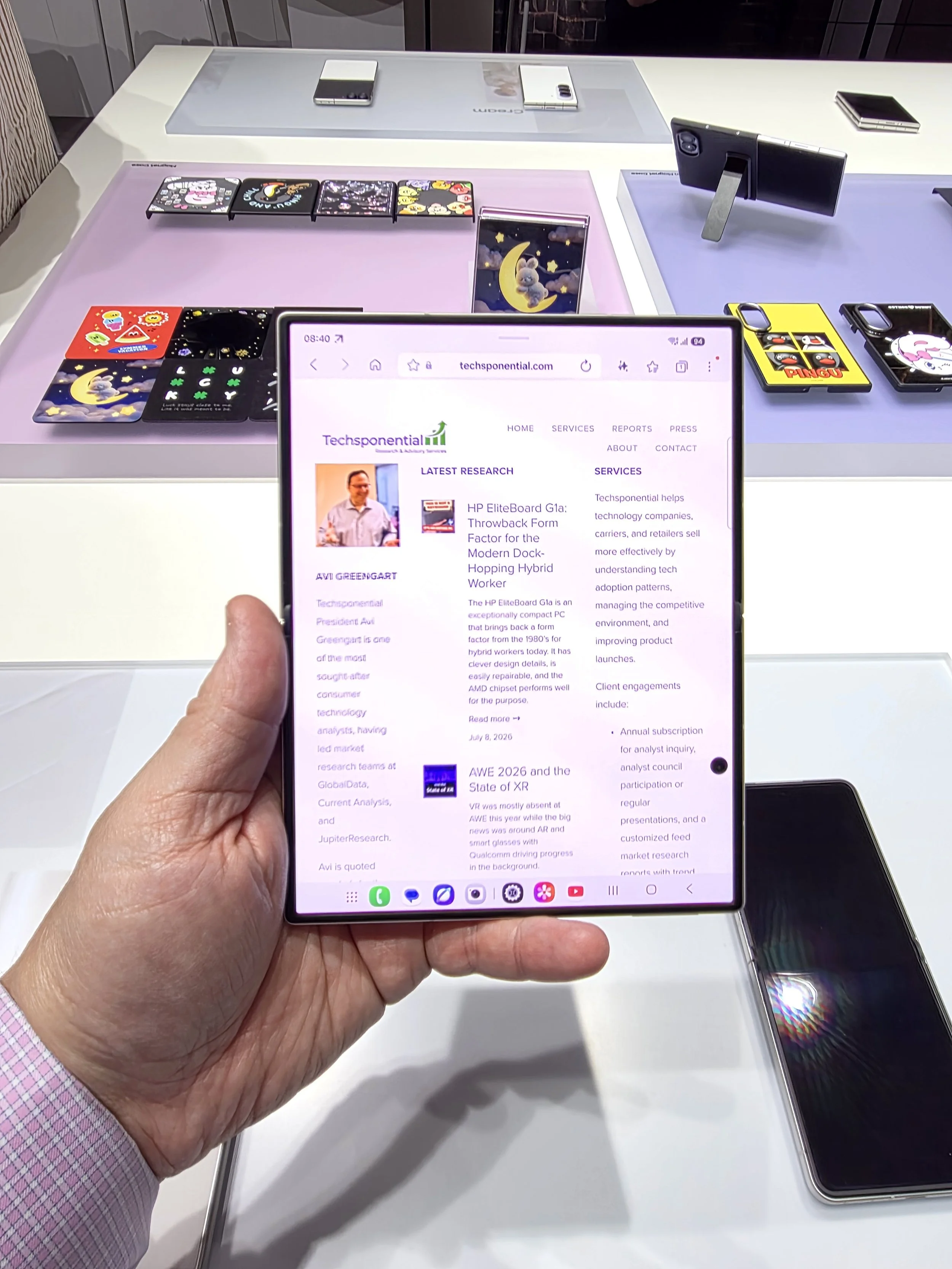
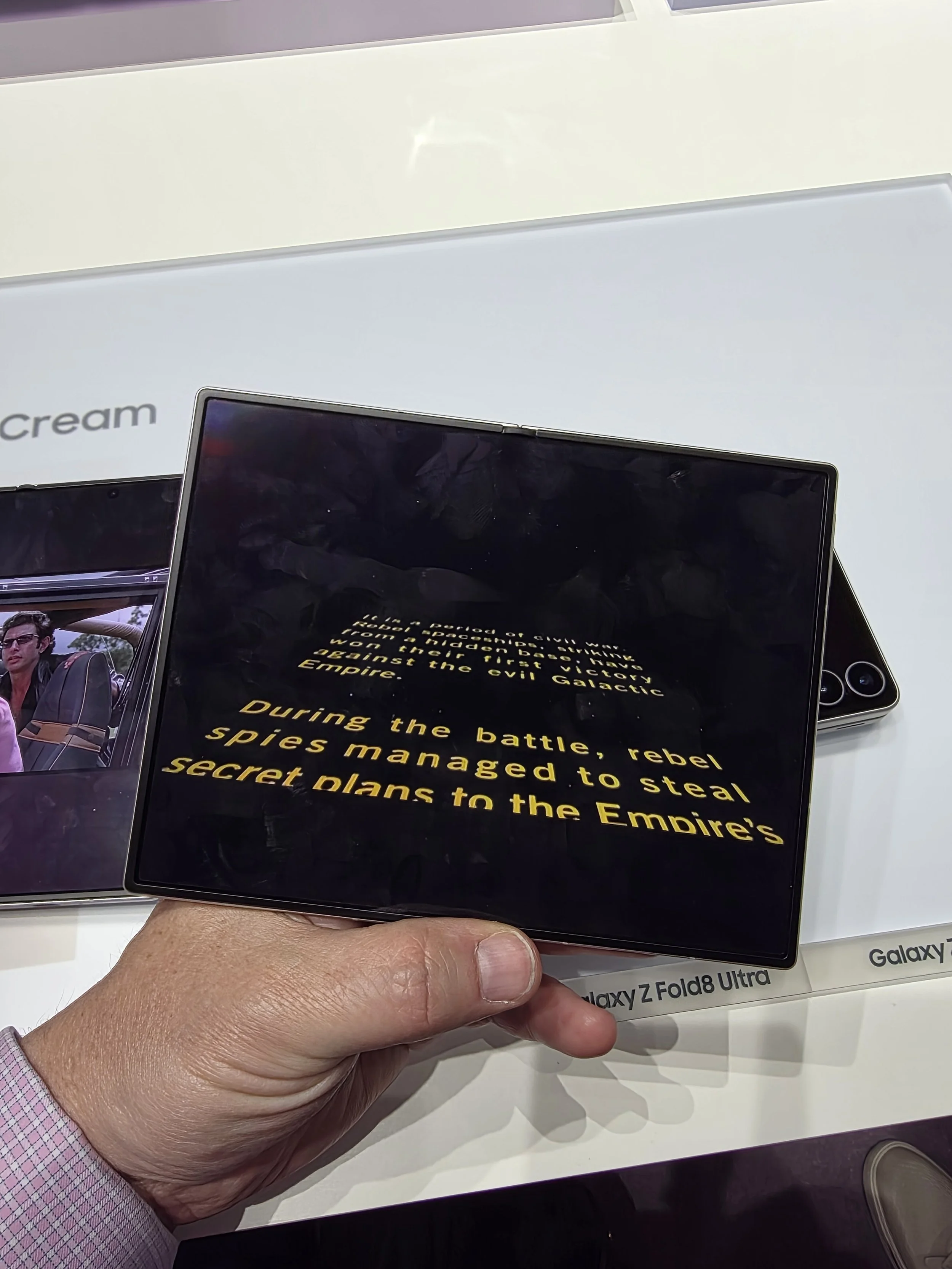
Fold-larger square phones like Samsung’s Galaxy Z Fold8 Ultra are ideal for productivity: it acts like a no-compromise bar phone on the outside, with the ability to run two full size apps simultaneously on the inside. Samsung has been working on this form factor longer than anyone, and it shows in its polished multitasking and quick launcher which are only now coming to competitors. However, the central area of the internal screen is not much larger than a full-size bar phone turned sideways when watching entertainment.
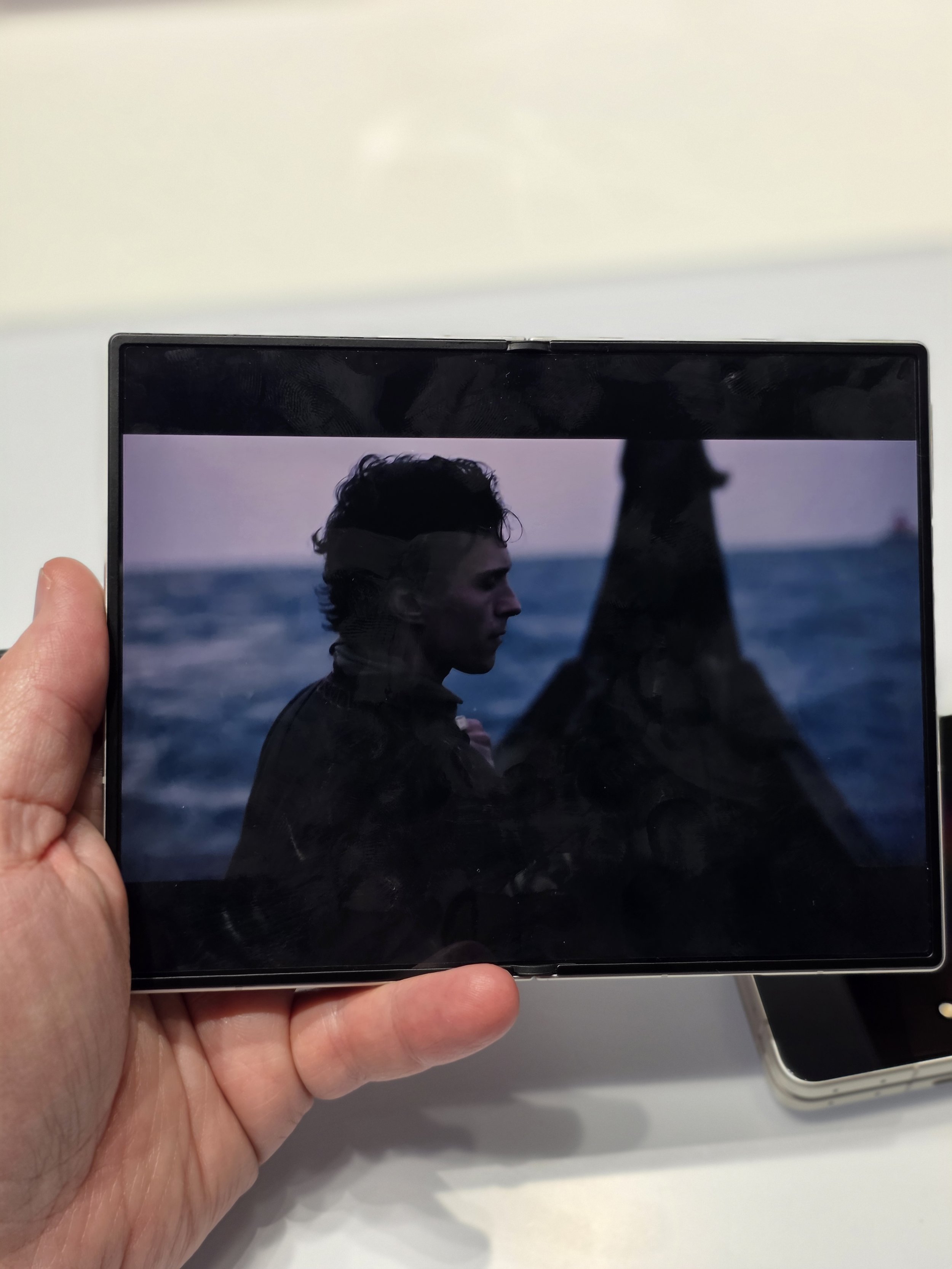
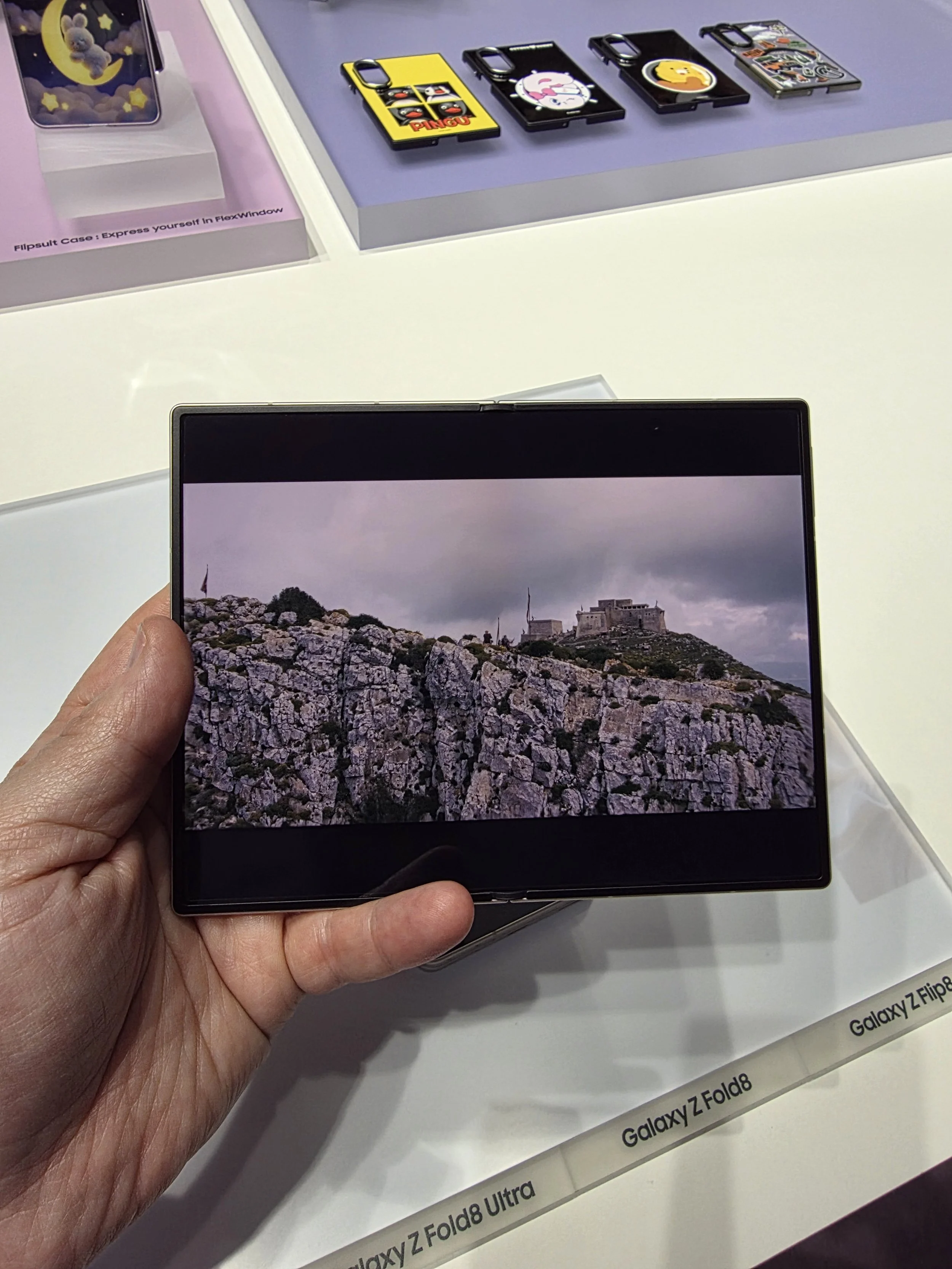
Fold-larger widescreen phones like Samsung’s Galaxy Z Fold8 are best for entertainment because the interior display’s aspect ratio comes closest to mimicking a widescreen TV set that content was designed for. However, the downside to the form factor is that when closed, it’s noticeably wider than most bar phones. (Most, not all. The Galaxy Z Fold8 is actually nearly the same width as the original Galaxy Note from 2011). OPPO’s Find N was beloved by reviewers but it didn’t sell especially well and the company switched to fold-larger square phones. Apple’s expected entry will undoubtedly popularize the form factor, though it is worth remembering that Apple’s imprint is not always enough to make something mainstream: the iPhone mini sold poorly and was discontinued, and the iPhone Air has been overshadowed by thicker iPhones. Still, if you get the dimensions right, this can be an extremely appealing form factor.
Tri-fold tablet phones like Samsung’s Galaxy Z Trifold are best for providing both the interior real estate for productivity and a rectangular shape for entertainment. However, they are also thick and heavy when closed, compromising basic phone use, and enormously expensive. Samsung quickly sold out its limited run of Trifolds and there is no word on when or if another version is coming.
No Crease, No Problem
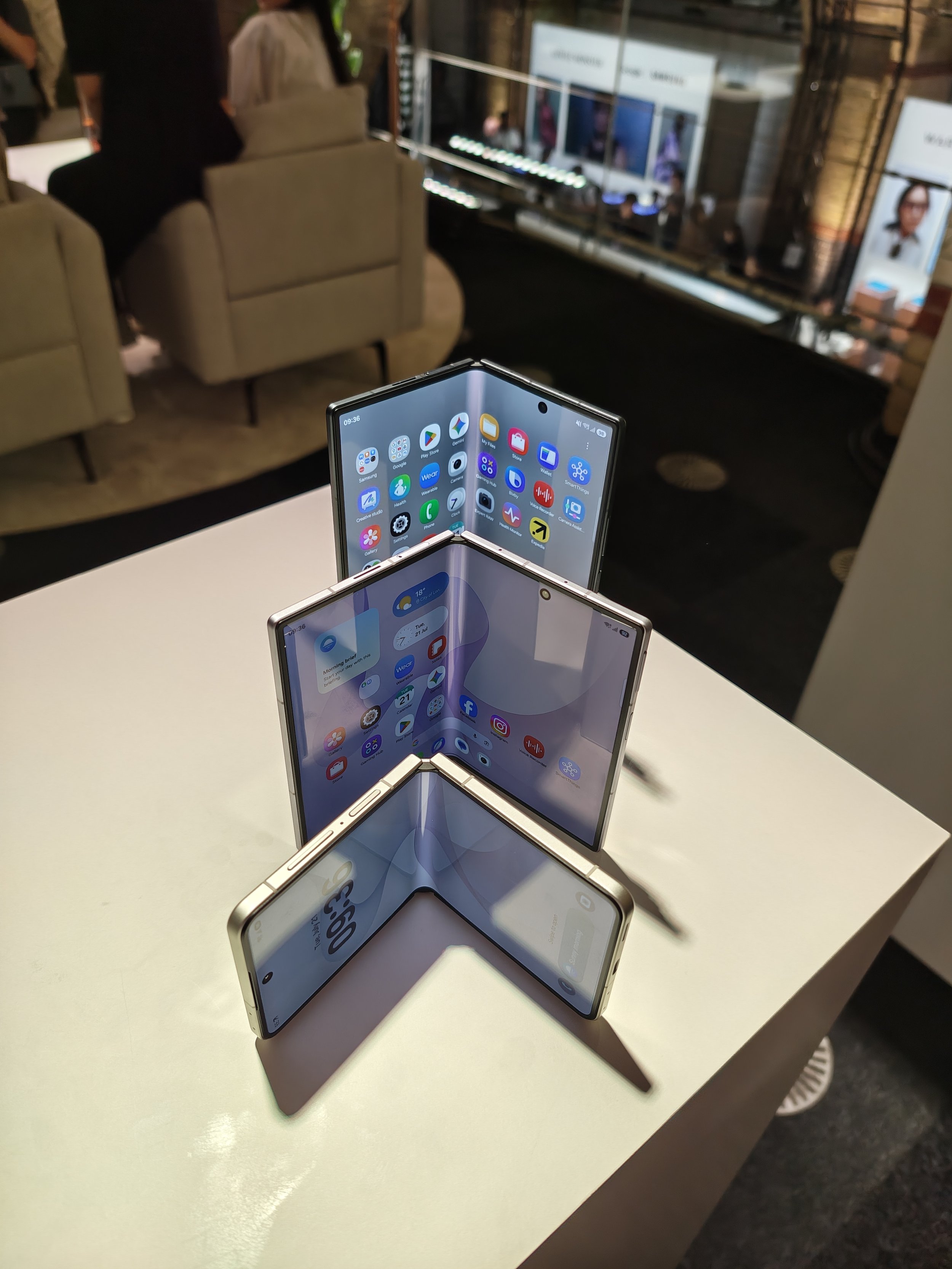
People have been complaining about the visible and tactile crease at the center of foldables from the beginning. Customers quickly discover that the crease visually disappears in use, but it remains a key perceived problem for people considering a foldable. It is also worth admitting that even if you never notice the crease when using productivity apps, it can be more distracting when watching entertainment. The fear of buying a foldable with an annoying crease has been amplified by tech reviewers because, in the age of YouTube, everything is presented visually, and even a crease you can barely see or feel in real life shows up like a glaring ripple on camera.
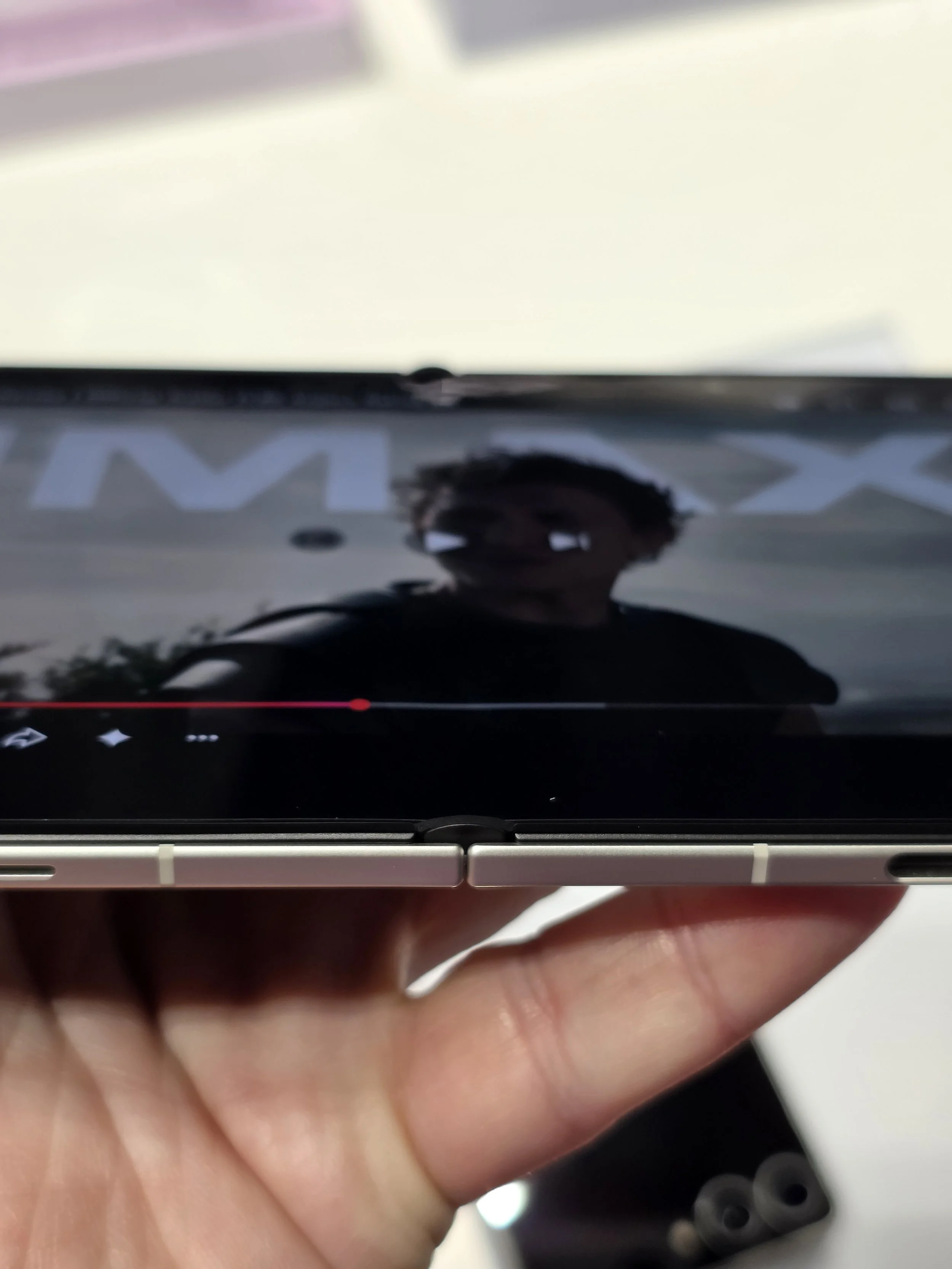
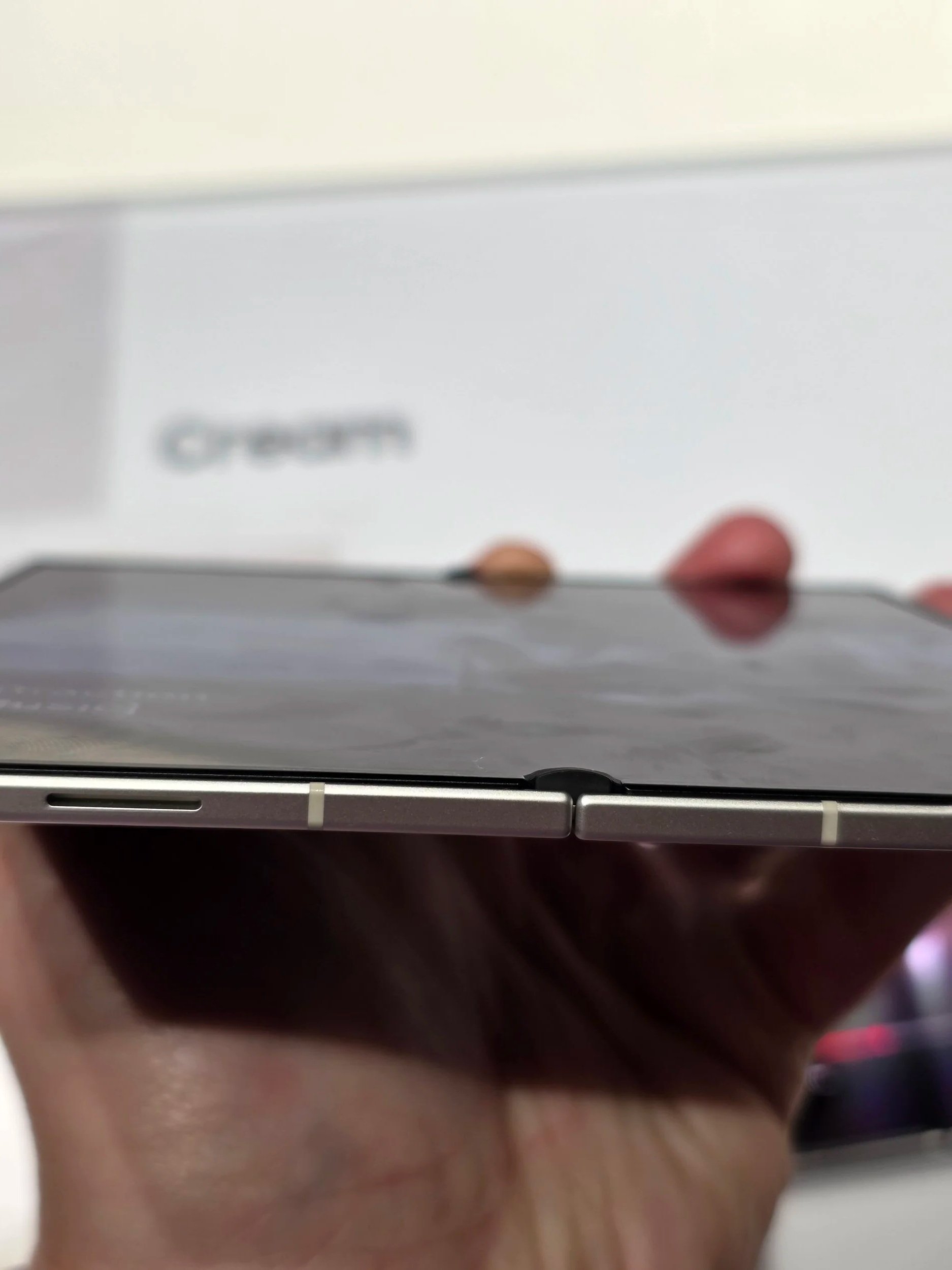
With each new foldable release, vendors have reduced the appearance of the crease, and new material science and manufacturing techniques have helped nearly eliminate it. OPPO’s Find N6 was one of the first to claim it eliminated the crease, and now Samsung (and presumably Apple) is next.
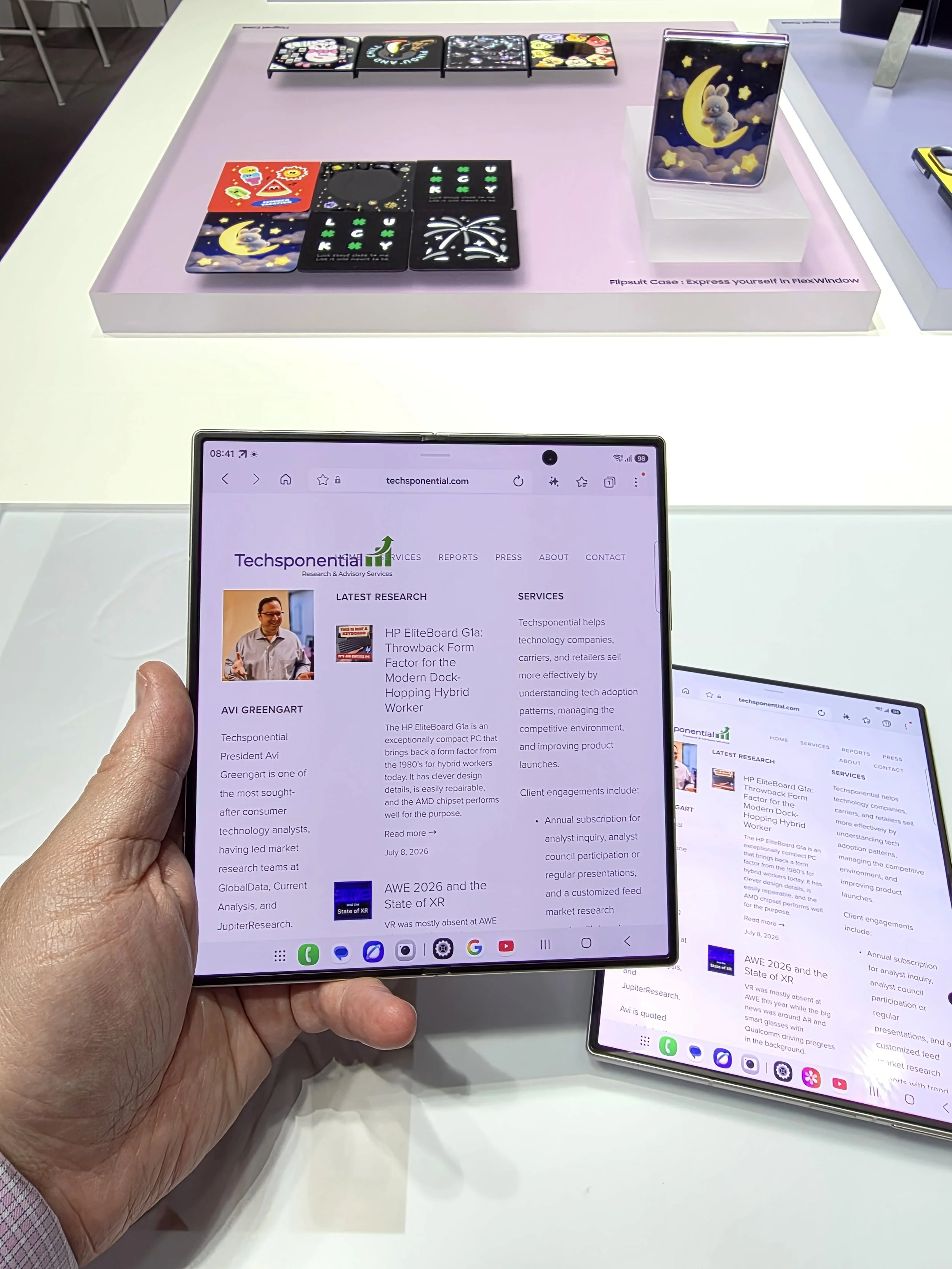
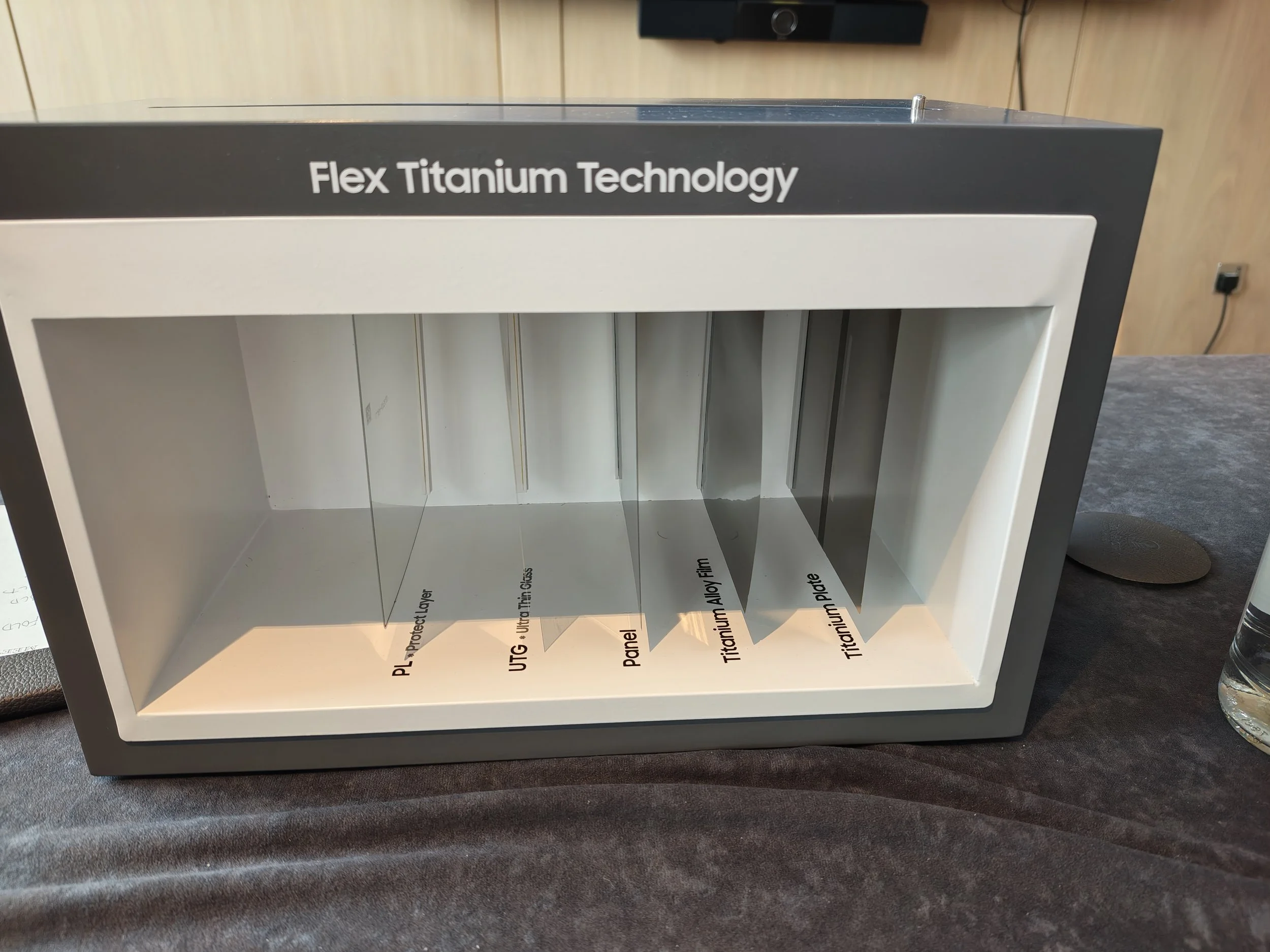
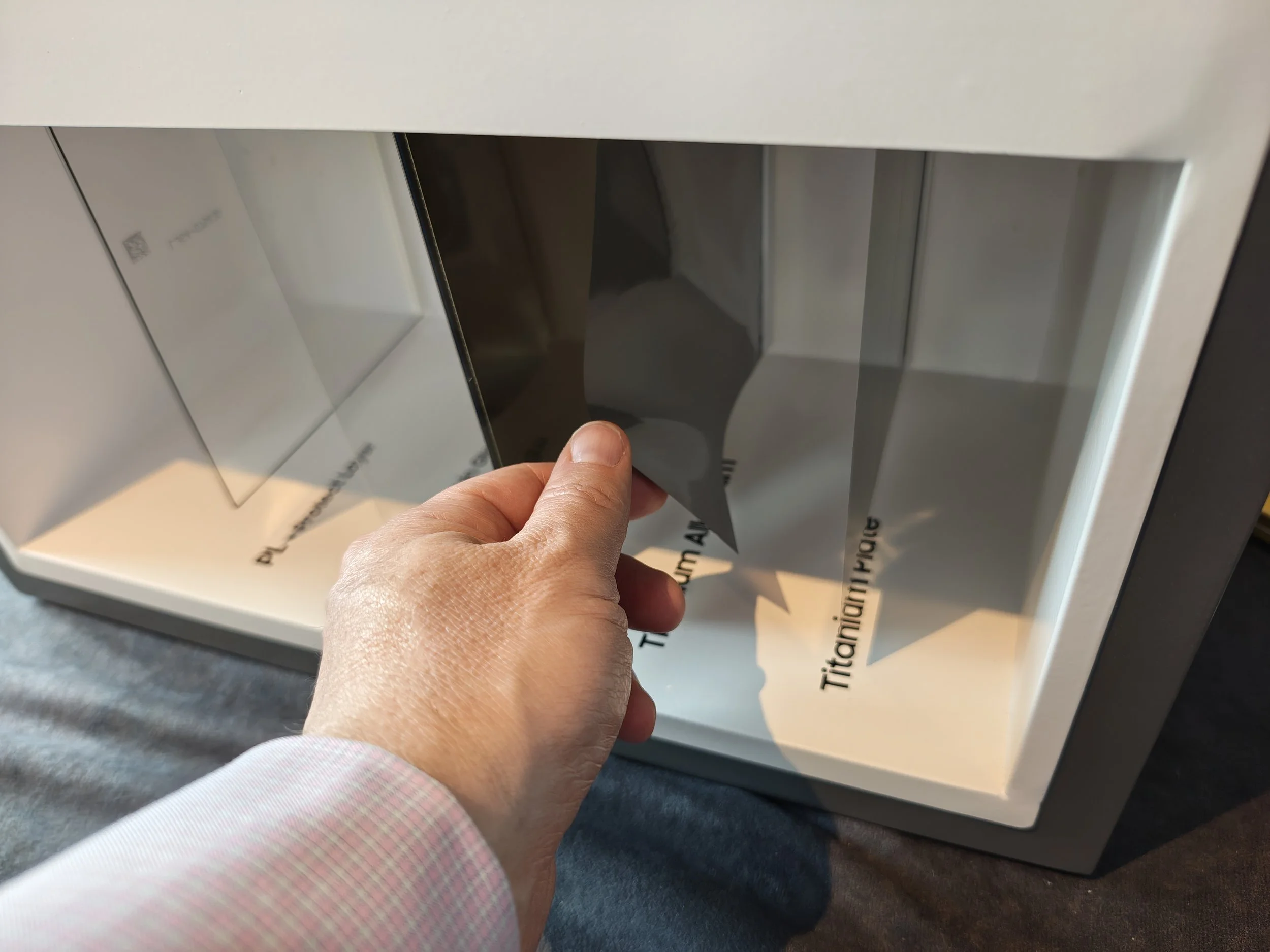
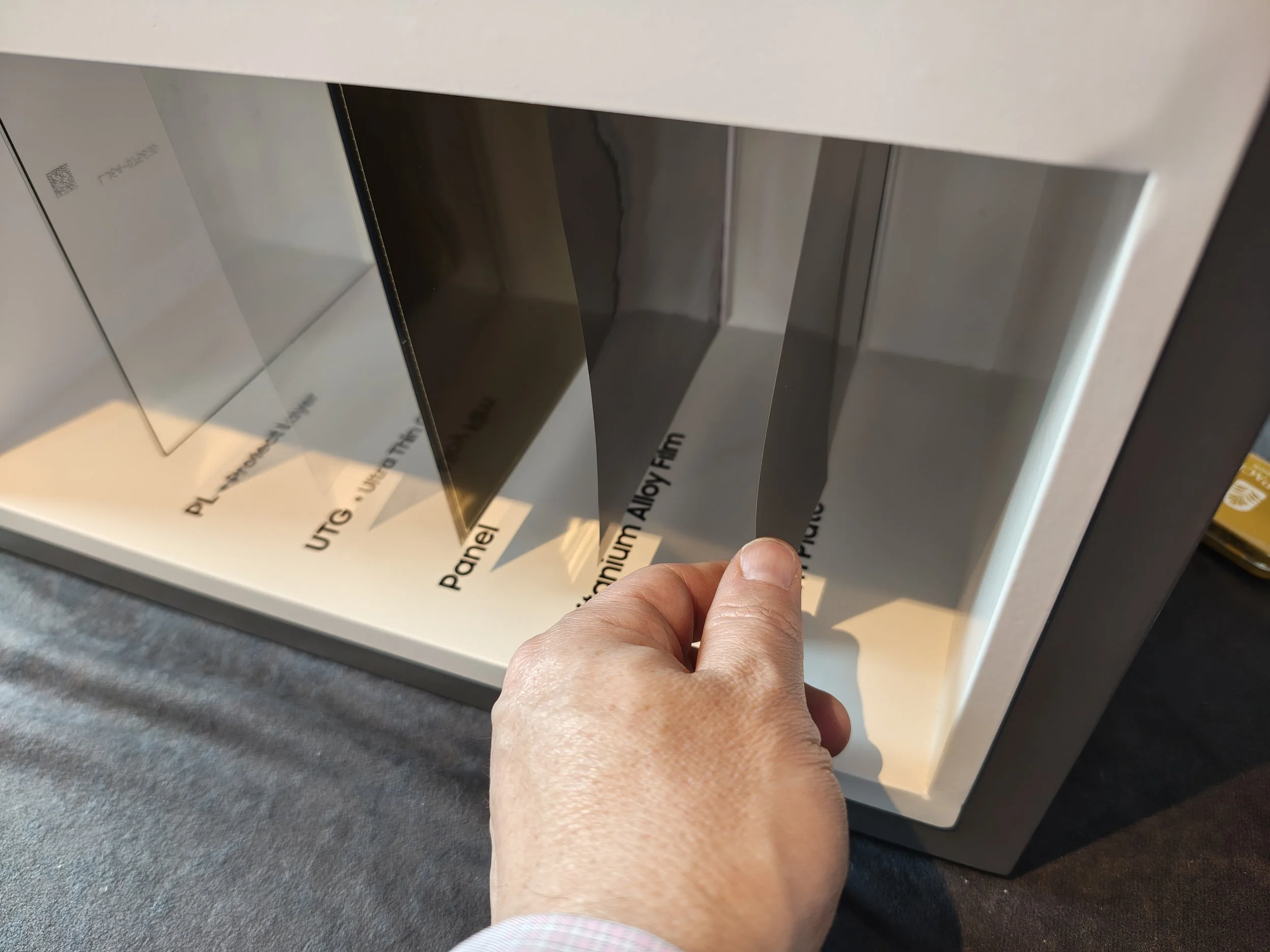
Samsung is using Flex Titanium Technology in the Galaxy Z Fold8 and Galaxy Z Fold8 Ultra, which combines a ridiculously thin titanium-alloy film directly behind the OLED display, and a titanium plate under the display stack. A layer of ultra-thin flexible glass and a top coat of protective plastic make up the rest of the stack. (There is not enough room for a digitizer, so neither of the new foldables support S-Pen.) This structure reduces the crease, improves durability, and comes in 10% thinner than the previous generation. It’s really impressive: there is barely a hint of a crease on the Galaxy Z Fold8 Ultra – none at all when looking at it from the side – and essentially no crease whatsoever on the Galaxy Z Fold8.
Samsung also addressed another pain point with foldables: opening them. On all of its new models Samsung added Easy Open Structure by adjusting magnet location and including a slight indentation where your finger can grip the side to get the case to flip open. The improvement is not subtle – opening and closing the new Galaxy Z series is now almost enjoyable rather than a chore.
New Battery Chemistry!
With the Galaxy Z series for 2026, Samsung is adopting silicon carbon technology in the battery. Other vendors, including Lenovo’s Motorola, have been using this more energy dense battery tech in some of their phones. Samsung and Apple have been more conservative, waiting for data on longevity and mass production capacity. Samsung is still being conservative, want to ensure that they can support the phone for 7 full years with software updates – and expecting the batteries to keep up in terms of safety and number of recharge cycles. Samsung isn’t disclosing the percentage of silicon carbon in the battery but all three have the same percentage. The Galaxy Z Fold8 gets a 4,800 mAh battery, and the Galaxy Z Fold8 Elite gets 5,000mAh. That’s still smaller than the 6,000 mAh unit in the Motorola razr fold, but between the Galaxy’s new, more efficient silicon (see below) and large cells, getting a foldable no longer requires compromises on battery life. I’ll test this with my review units, but I expect them to last an entire day of very heavy use, or into the second day for lighter times.
Samsung + Google Gemini = Galaxy AI
Of course, Samsung is pushing AI functionality across all of the new devices, which will vary in usefulness based on how much you depend on Samsung and Google native apps. Now Nudge now supports multitasking: for example, you get a message asking for a date, and it opens your calendar. Ambient Nudge pops up prompts that should be relevant to what you’re doing. There are more agentic experiences with integration with over 40 apps now, including Expedia. Both Google and Samsung stress that agentic AI is optional, and under the user’s control: before it is invoked, users are given the option to select which apps they are willing to let AI interact with. Google also got Samsung to preload Gemini Notebook, and there is a 6 month trial of Gemini Pro included with device purchase.
Much of Galaxy AI is more Google than Samsung, but there is another new AI feature from Samsung coming to the foldables aimed at parents and content creators. My FanCam creates social-ready content from video footage without manual cropping. You select a person in the video and it will create a version of the video that follows that person throughout the footage.
For Techsponential clients, a report is a springboard to personalized discussions and strategic advice. To discuss the implications of this report on your business, product, or investment strategies, contact Techsponential at avi@techsponential.com.