
Meta Launches Lower-Priced Glasses Ahead of the Competition
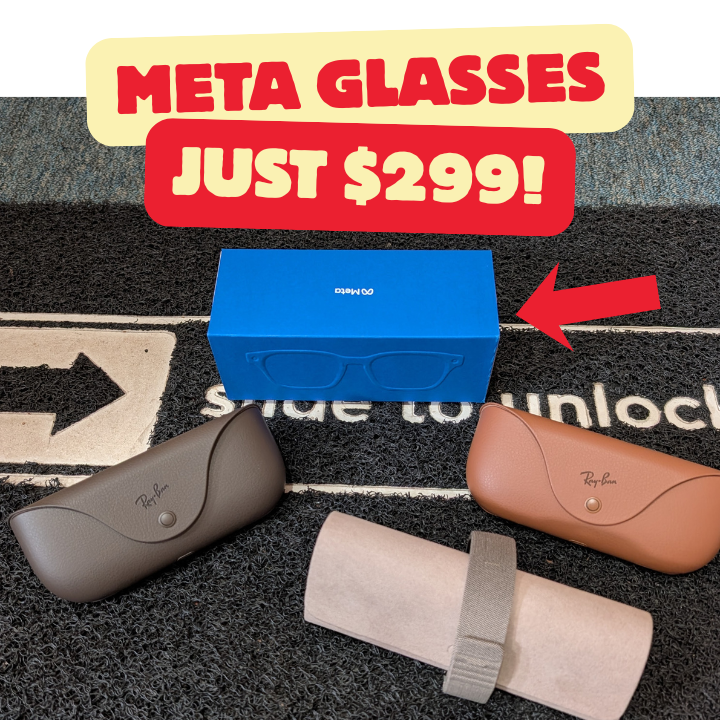
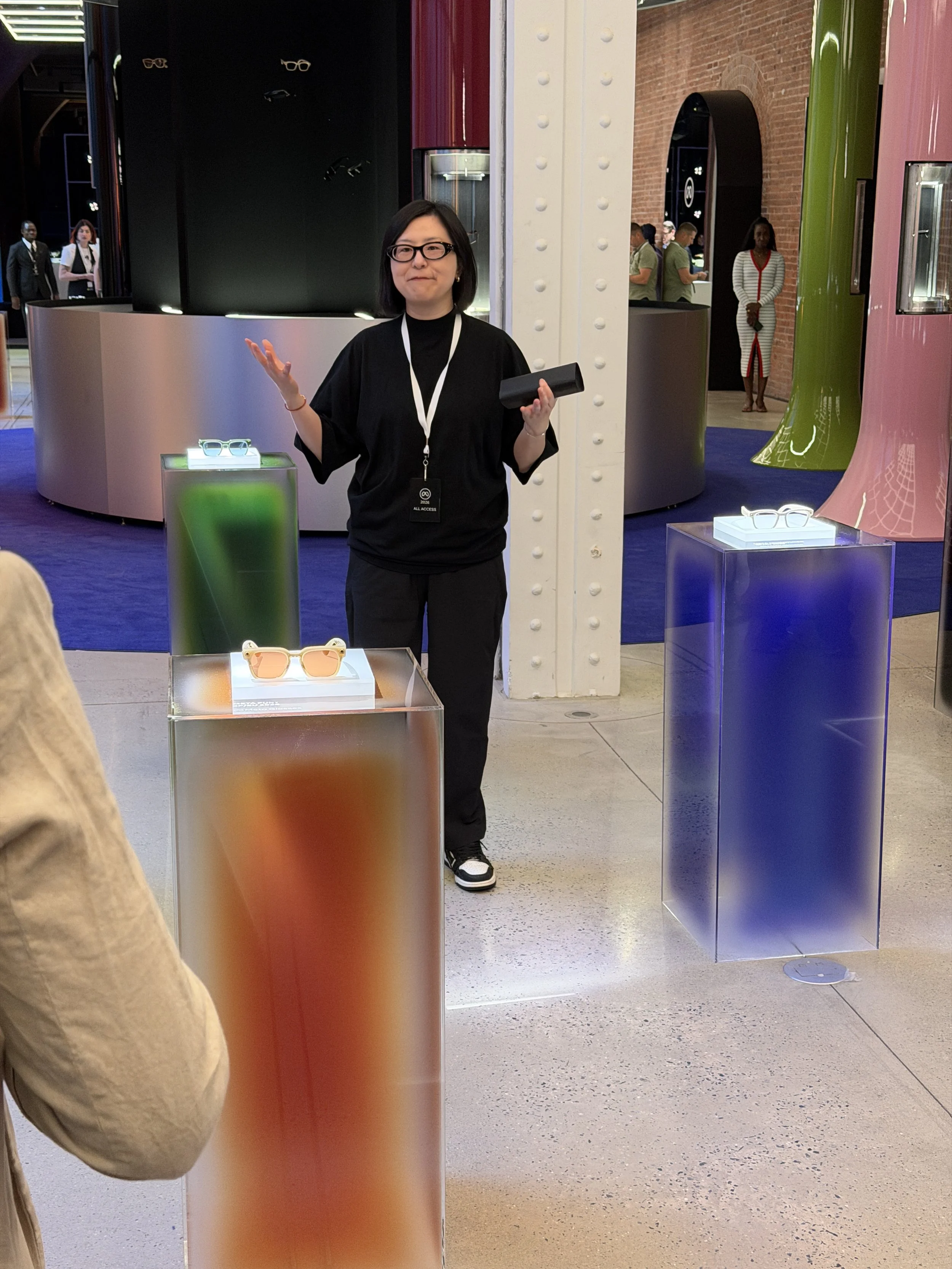
Meta chose to launch its new mainstream glasses less than a week after AWE, just in time for summer sunglass season and ahead of competition from Google and its partners. I attended Meta’s event where we got to sample the three new styles, see multiple color options, and test the new Muse Spark AI model that is shipping alongside the new glasses. Two of those things went better than the other.
The three styles were designed and manufactured by Essilor-Luxottica and will be sold in Essilor-Luxottica retail outlets alongside Best Buy, Amazon, and Meta.com. There is no rift between Meta and its key eyewear/retail partner, which is good for Meta, because Essilor-Luxottica is a cheat code for getting products to market that go on your face, involve personal style, and may require optometry. However, Essilor-Luxottica wants to maintain a brand premium for Ray-Ban and Oakley, and Meta wants to sell as many smart glasses as possible. My Meta Adventurer review unit has a similar silhouette to the Ray-Ban Meta Wayfarers but the latter start at $380 and go up from there, while the Adventurer starts at $300. There are also far more color and finish options for the frames – 26 variations in all – although only the Meta Adventurer comes in both medium and large sizes; the Meta Fury is essentially medium, while Meta Glasses by Kylie are on the smaller side.
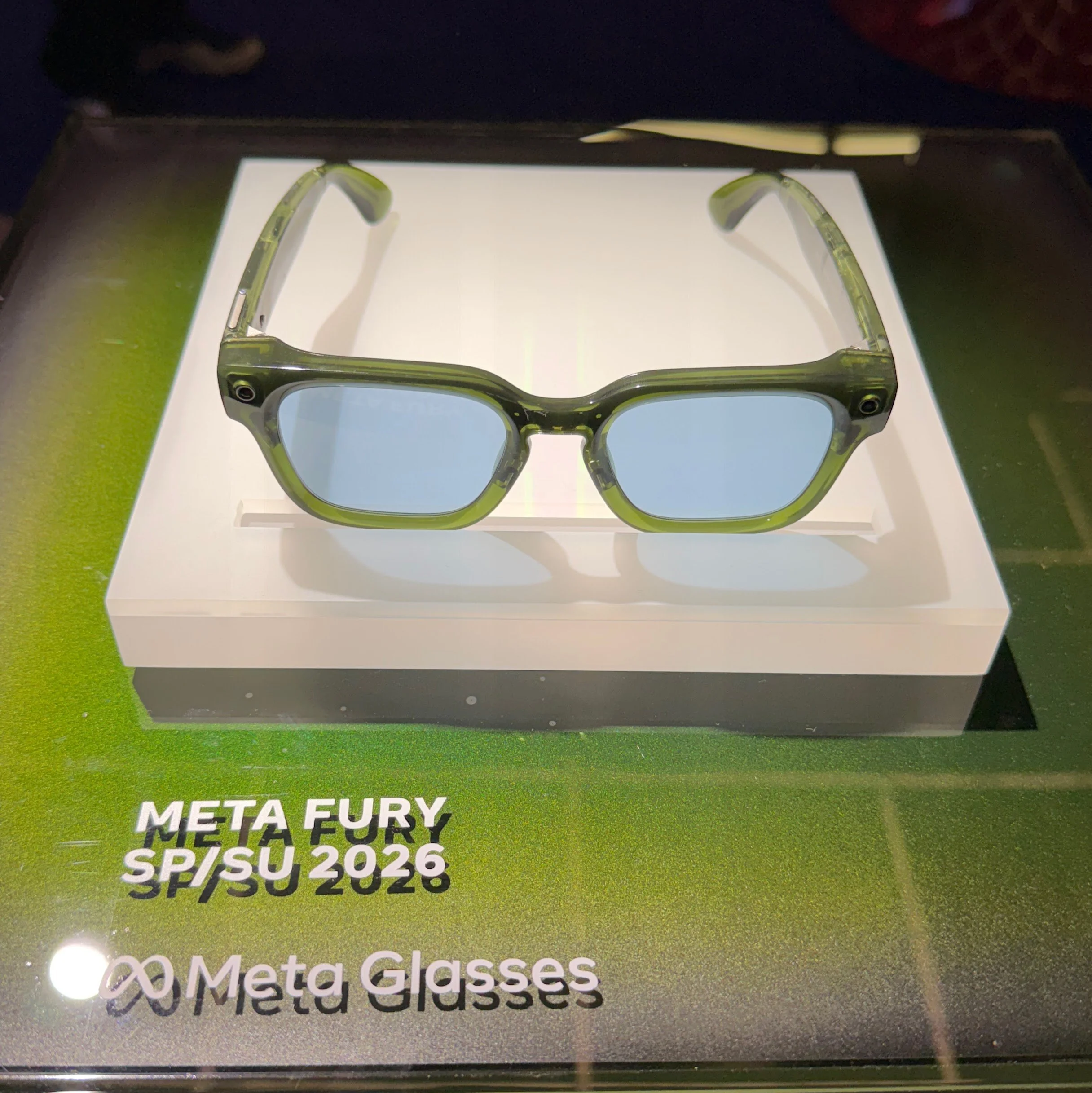
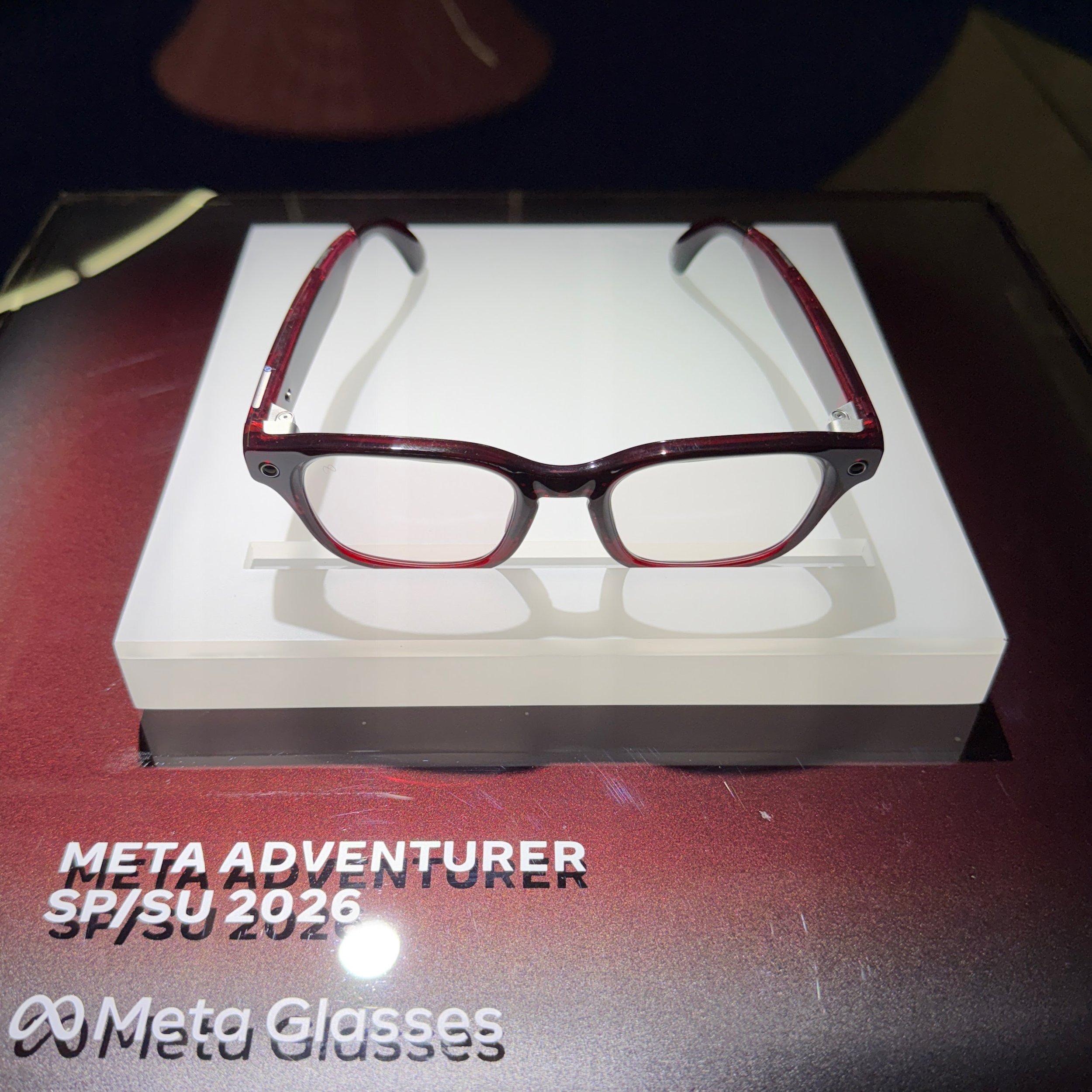
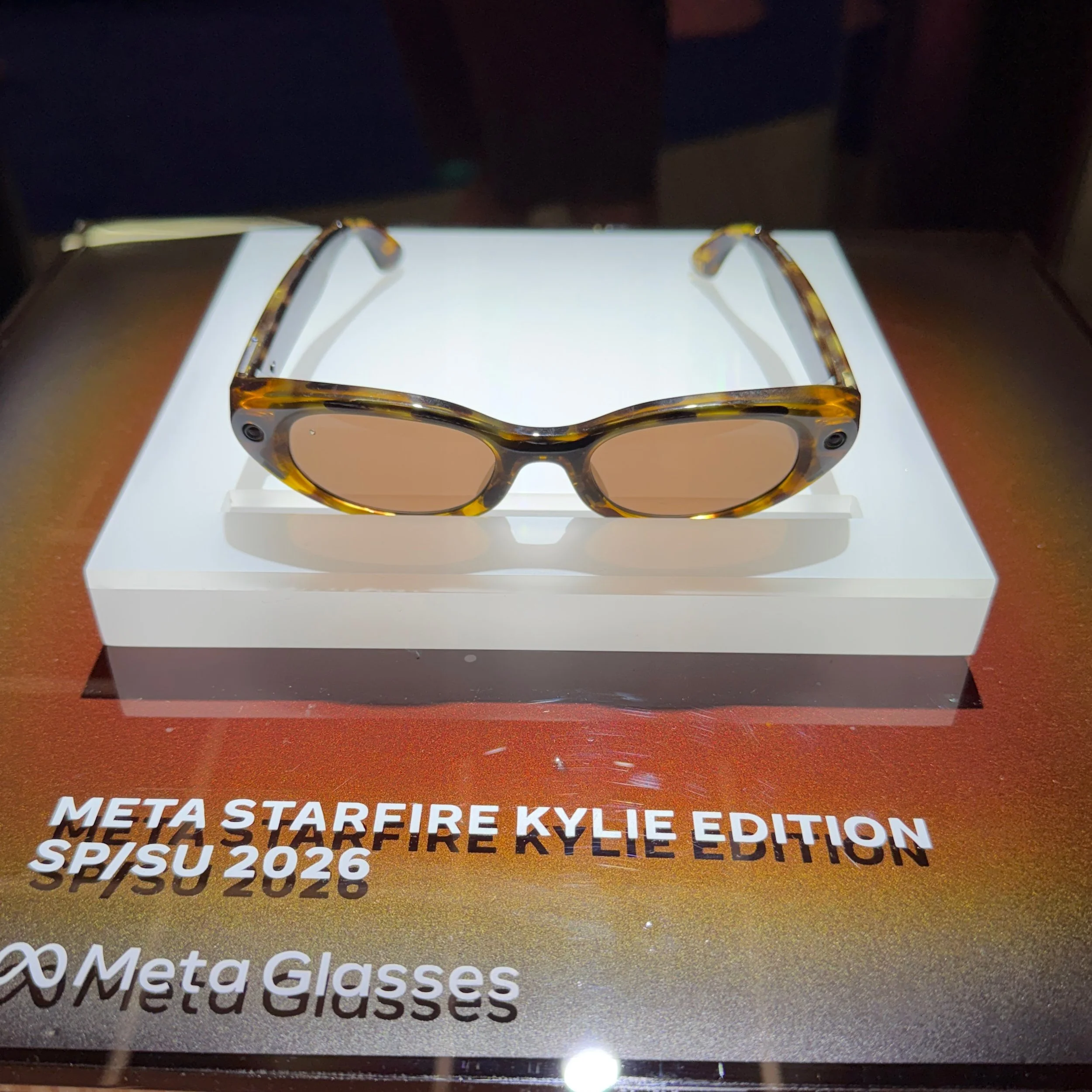
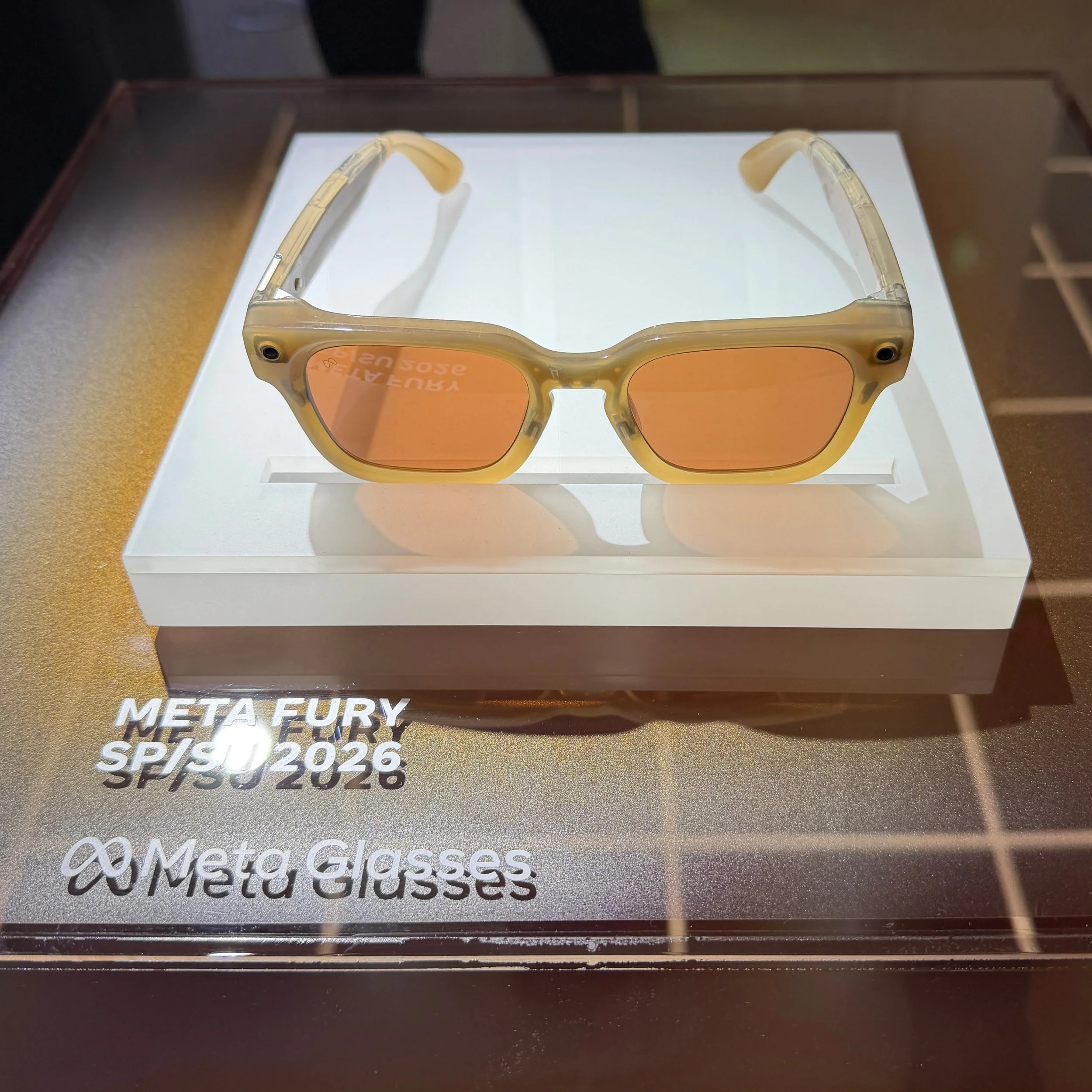


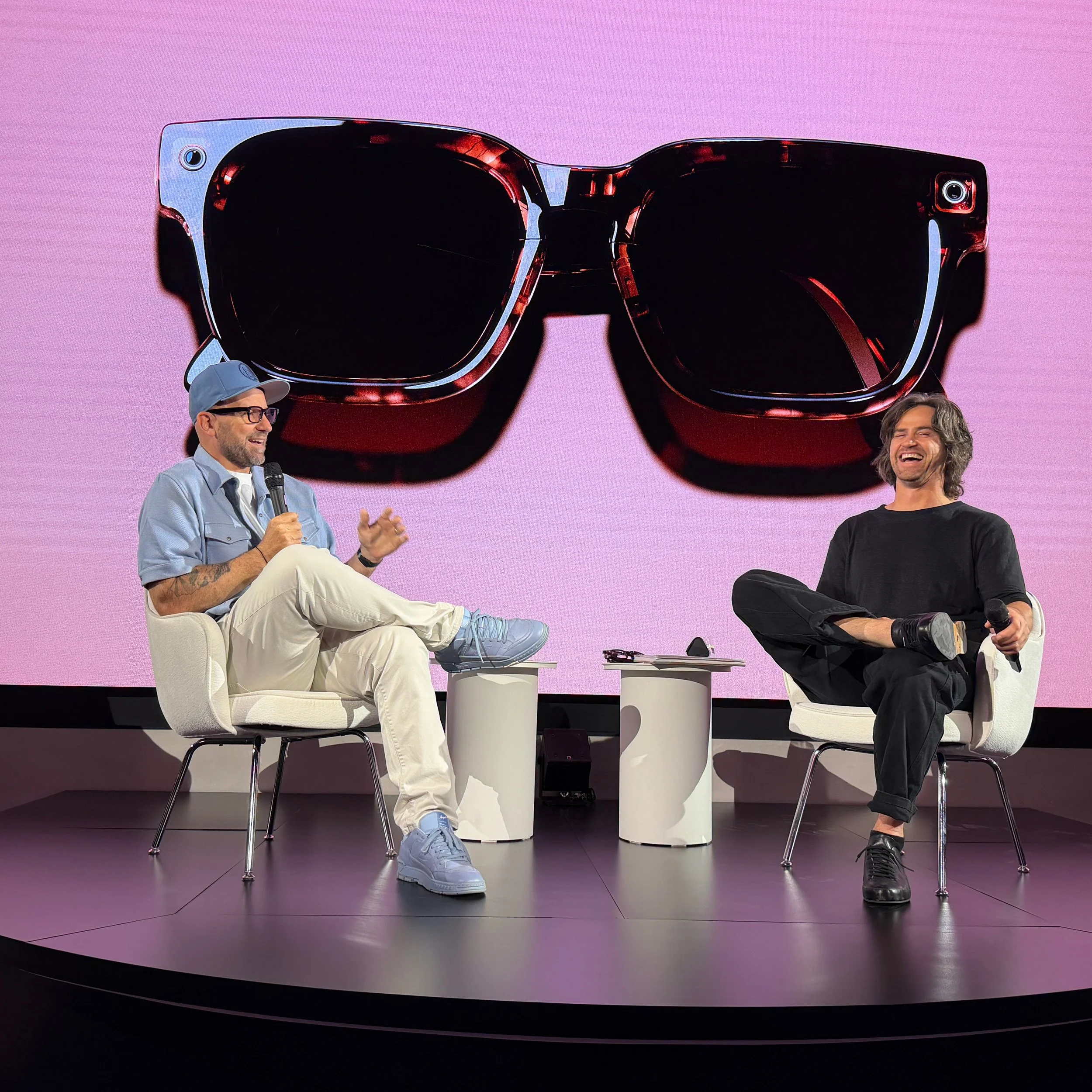
“Kylie” refers to Kylie Jenner, and her involvement and a more complex color options raise the price on that model. This appears to be a fashion collaboration done right: Kyle had input into some of the features of the cats eye style glasses: the nose pads are metal for better interaction with makeup, there’s a tiny jewel on one end of the frame, and the case includes a makeup mirror. The AI voice you hear in the glasses is based on Kylie’s actual voice.
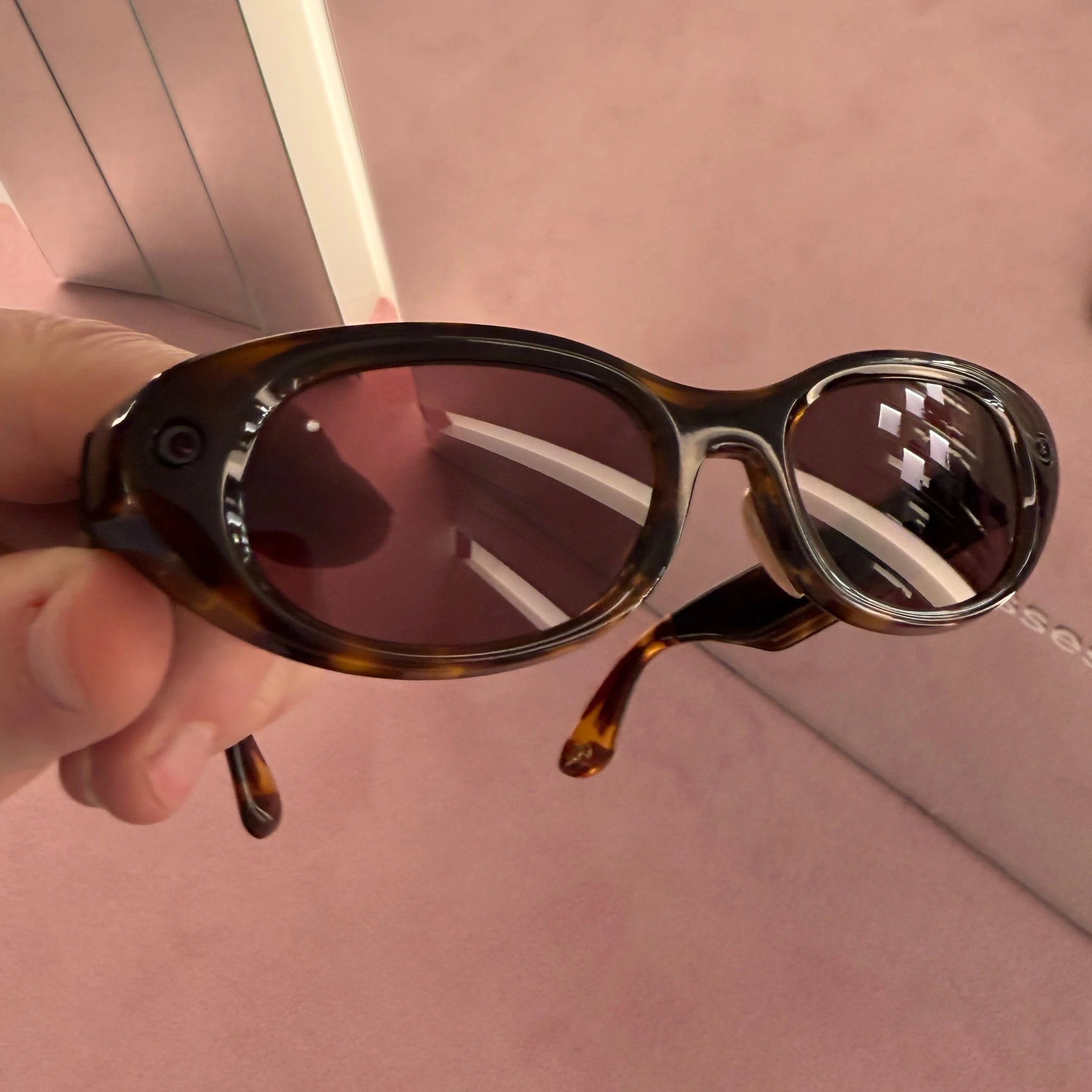
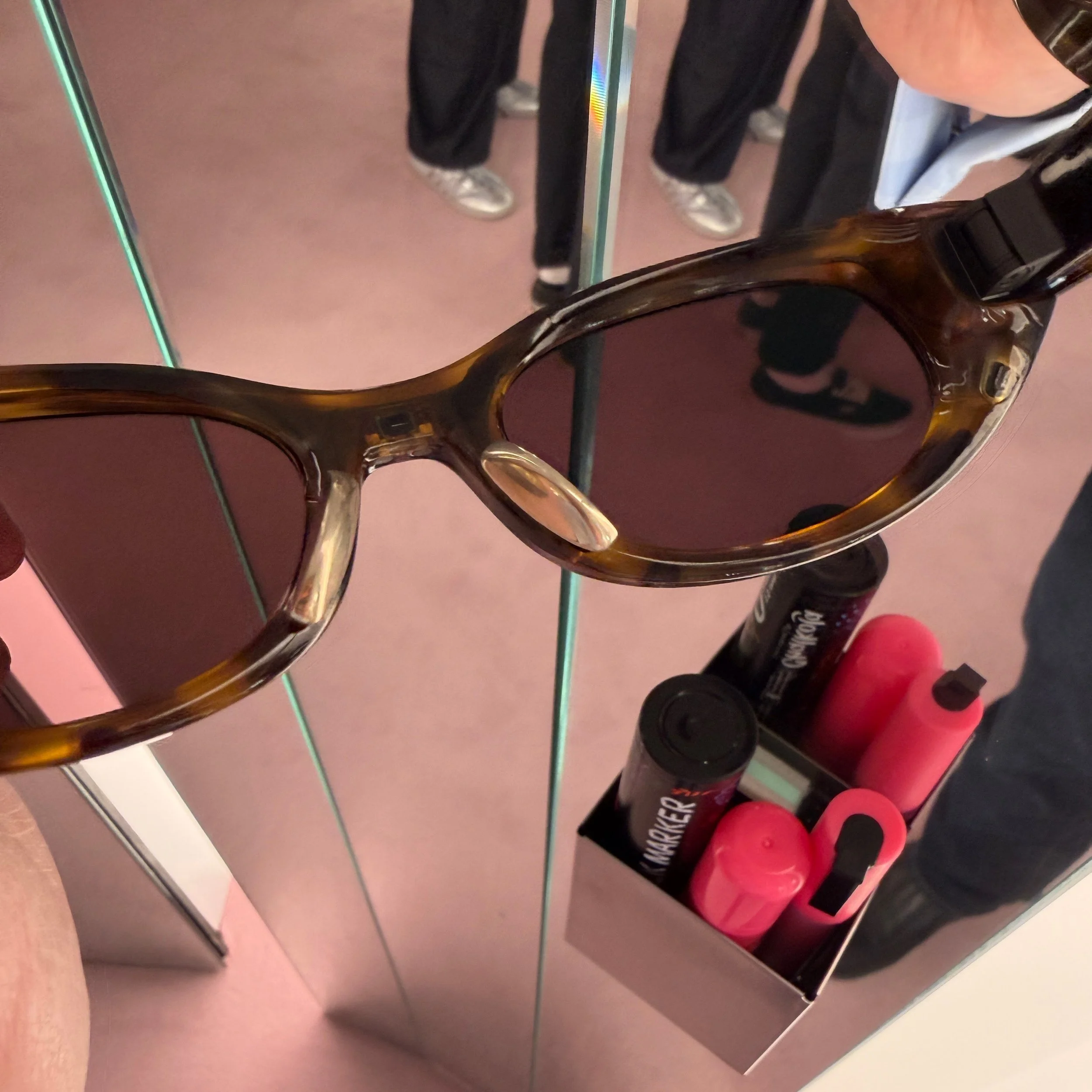
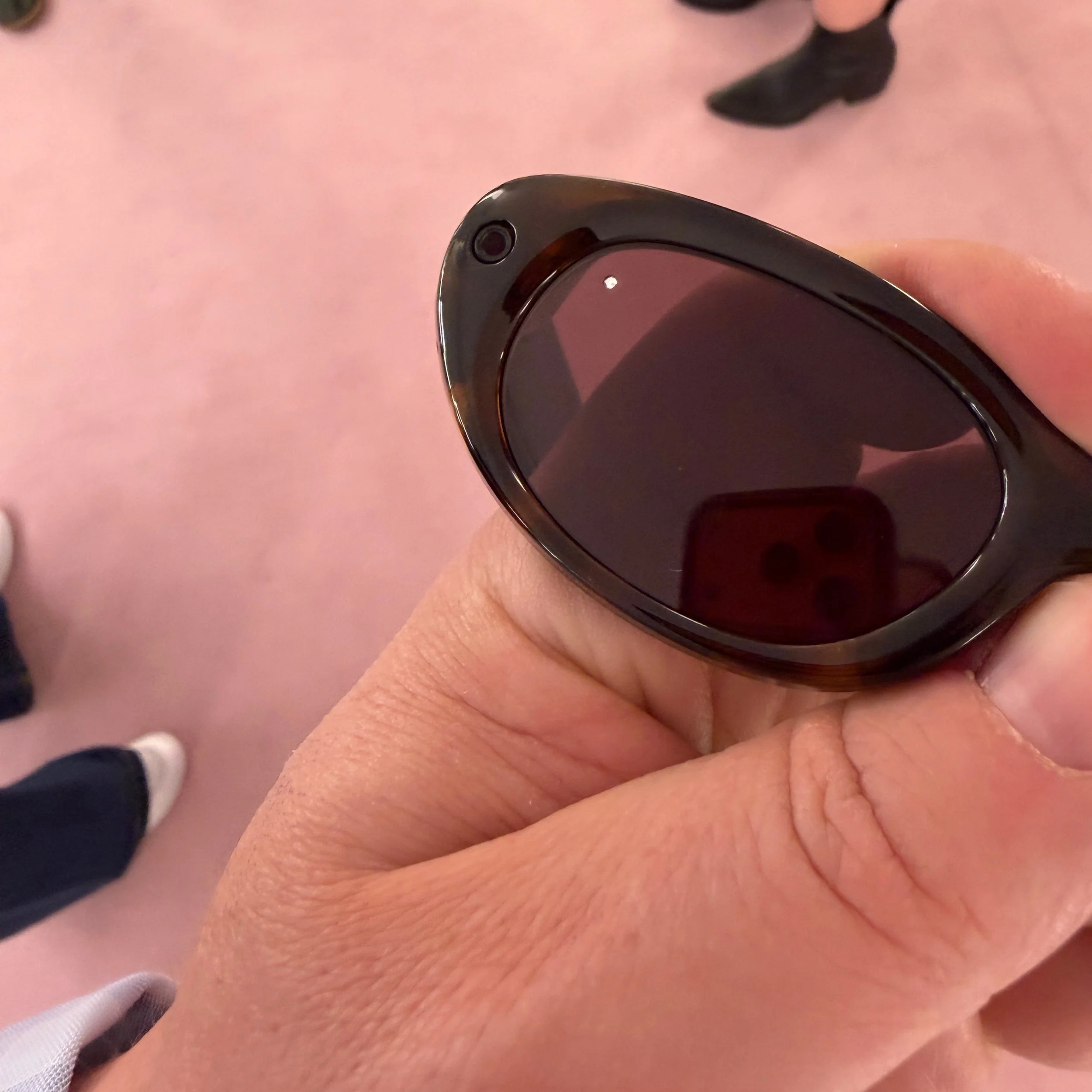
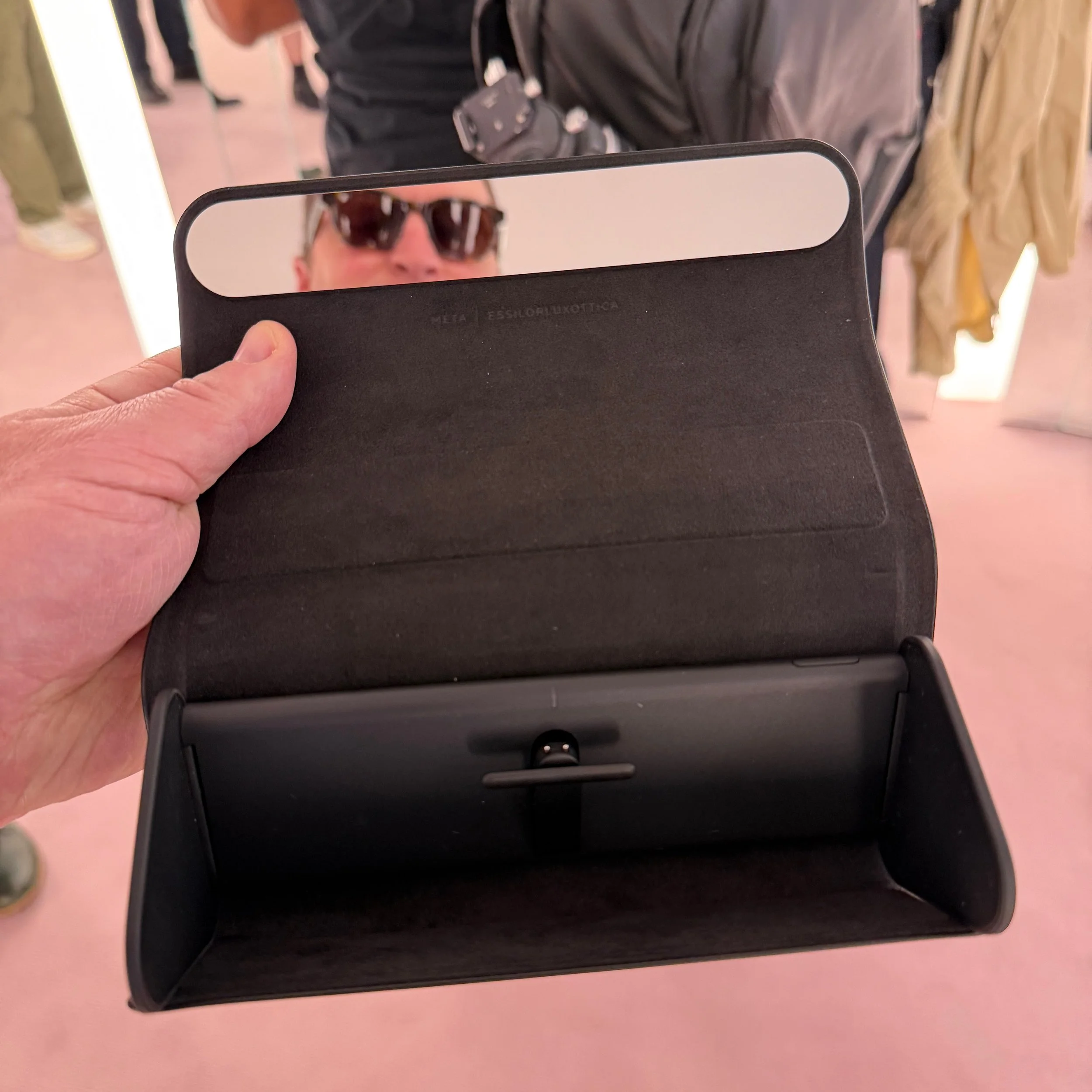
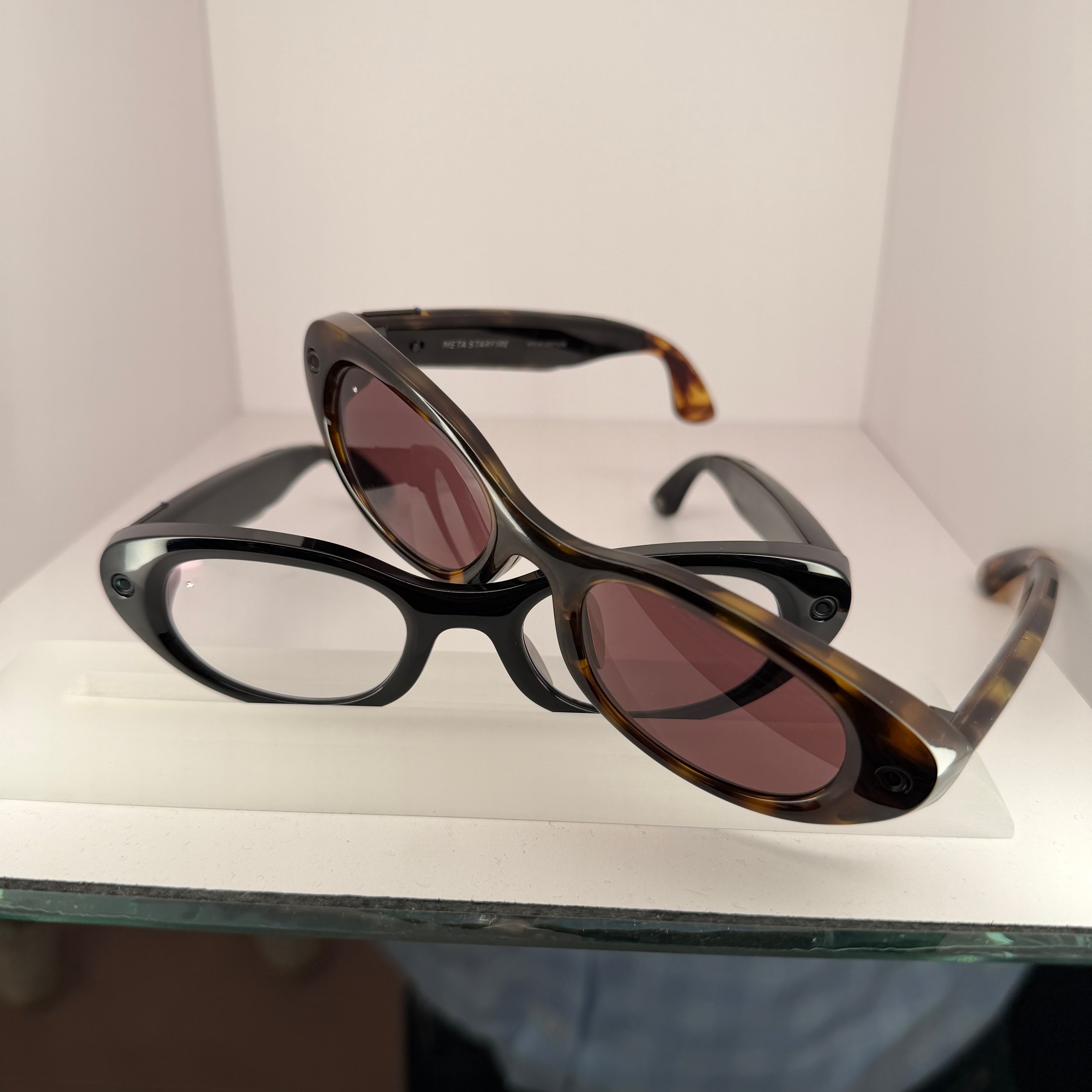
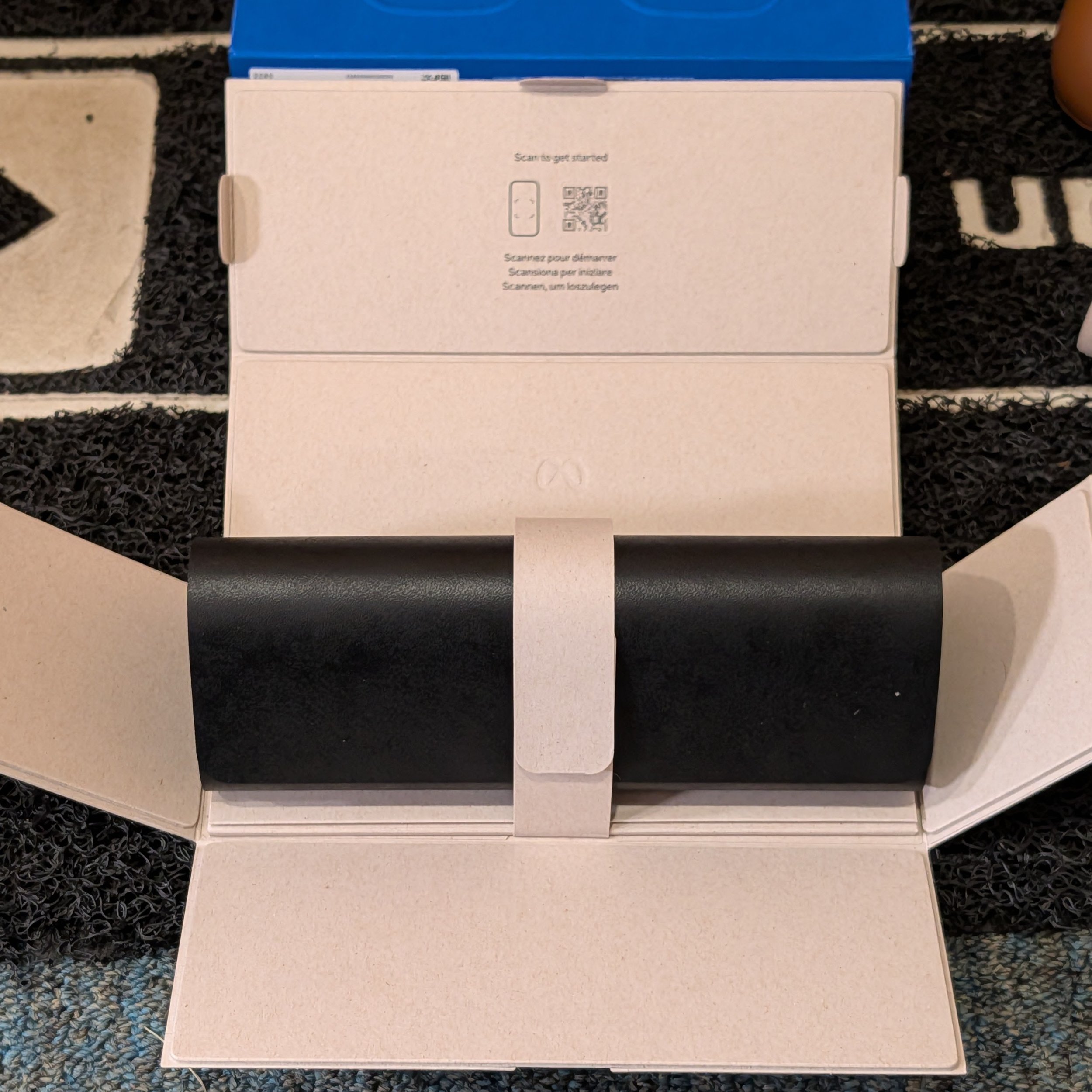
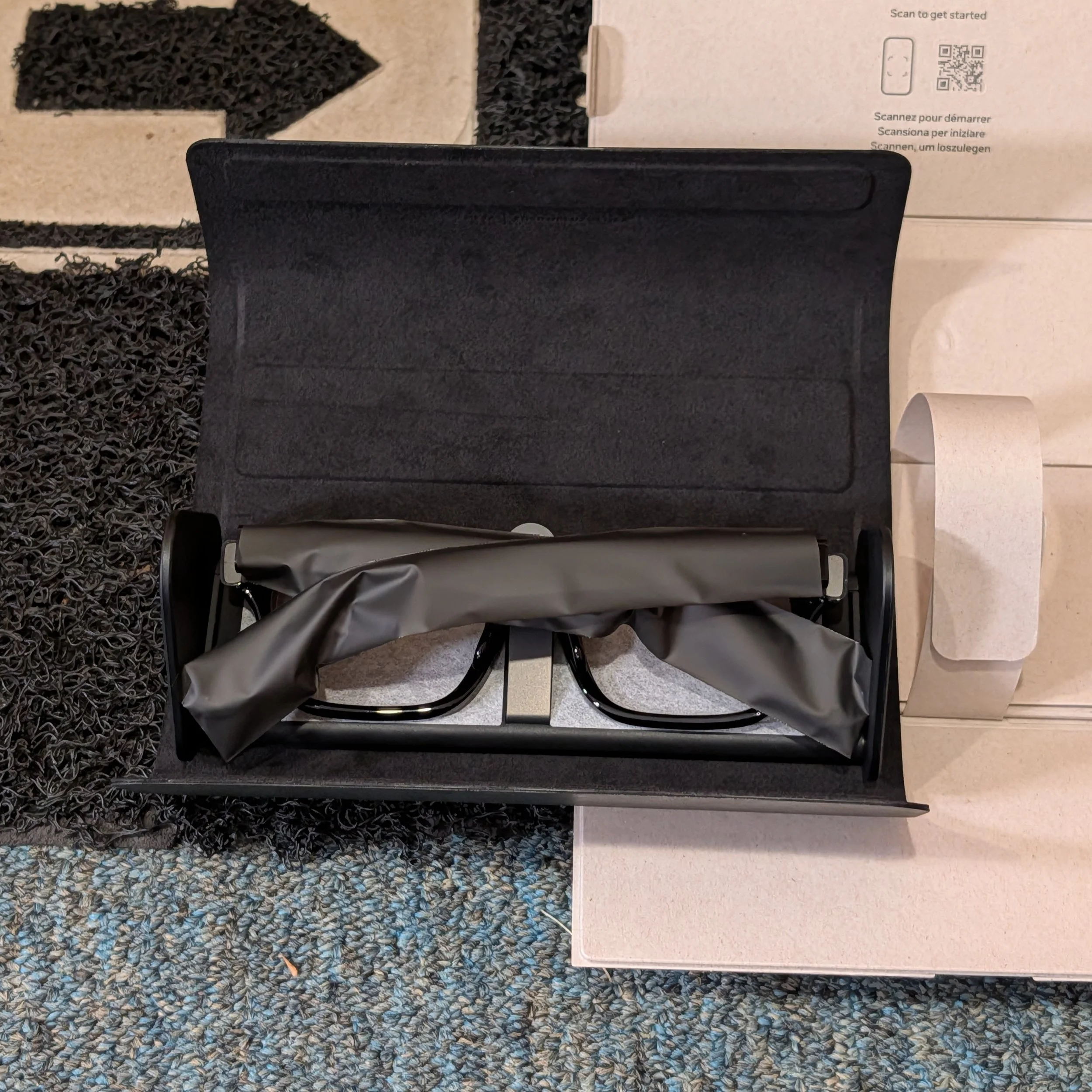
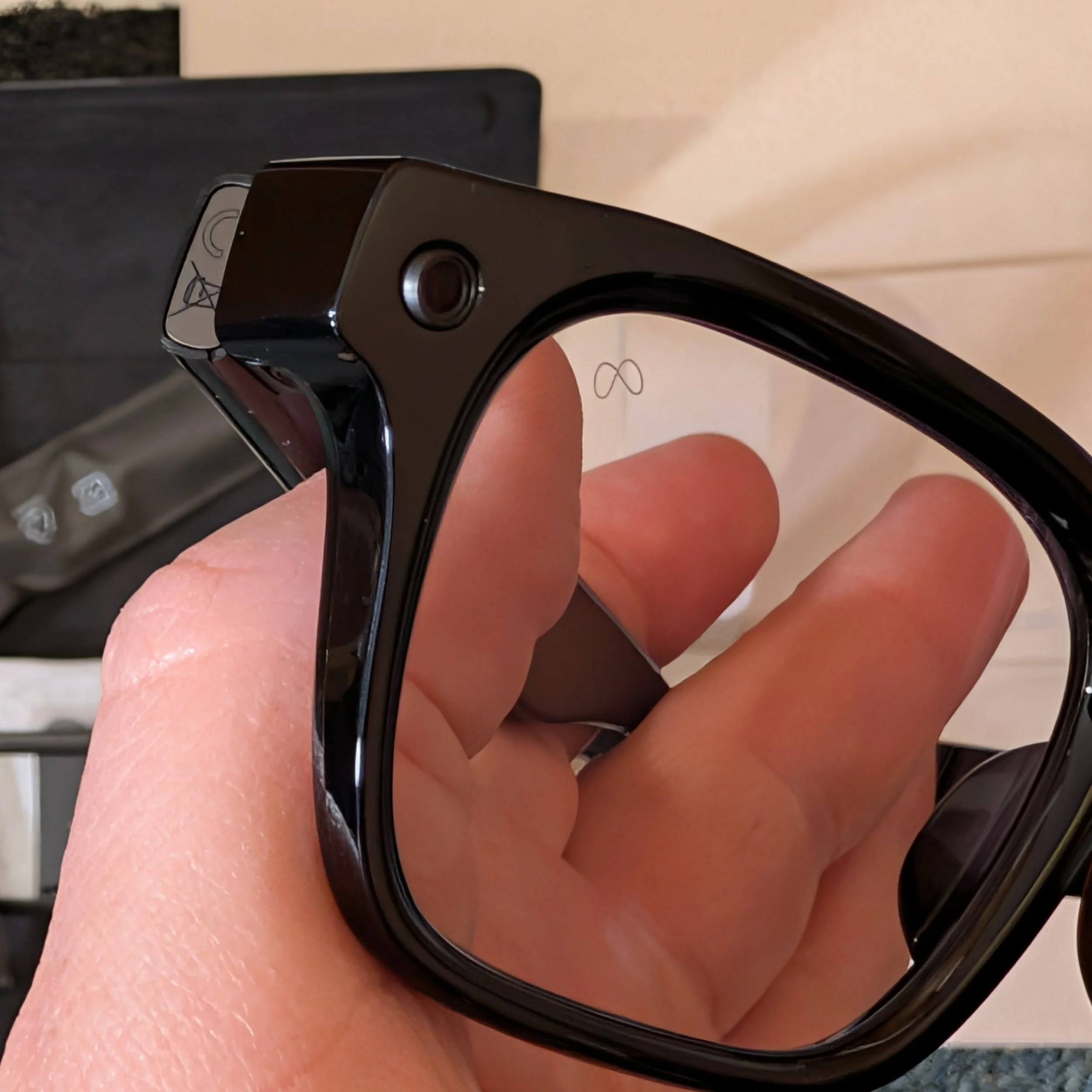
While the new Meta-branded glasses are less expensive than the Ray-Ban models, Meta didn’t cut anything out to hit friendlier price points. In some ways, they are better than the more expensive Ray-Ban Meta versions. Camera and battery specs are identical, but the Meta-branded models have collapsible charging cases similar to the Meta Ray-Ban Display, adjustable nose bridges (using a similar-but-different from Ray-Ban Meta Optics), and bendable rear temples.
The Meta Glasses weigh around the same as their Ray-Ban siblings in similar styles and sizes, though prescription lenses may account for some of the difference on my scale. The Gen 2 Ray-Ban Meta Wayfarer with my prescription weigh 55g. The new Meta Adventurer is 53g with the default clear lenses. Ray-Ban Meta Blayzer Optics with my prescription are a gram lighter at 52g.
The prescription range on the new Meta Glasses is fairly wide: -12 to +2.25 and bifocals and progressive lens options should be supported*. Lenses can be added at purchase at some retailers or afterwards by many optometrists and any Lenscrafters; adding lenses after purchase explicitly does not void the warranty.
AI Demo Fails
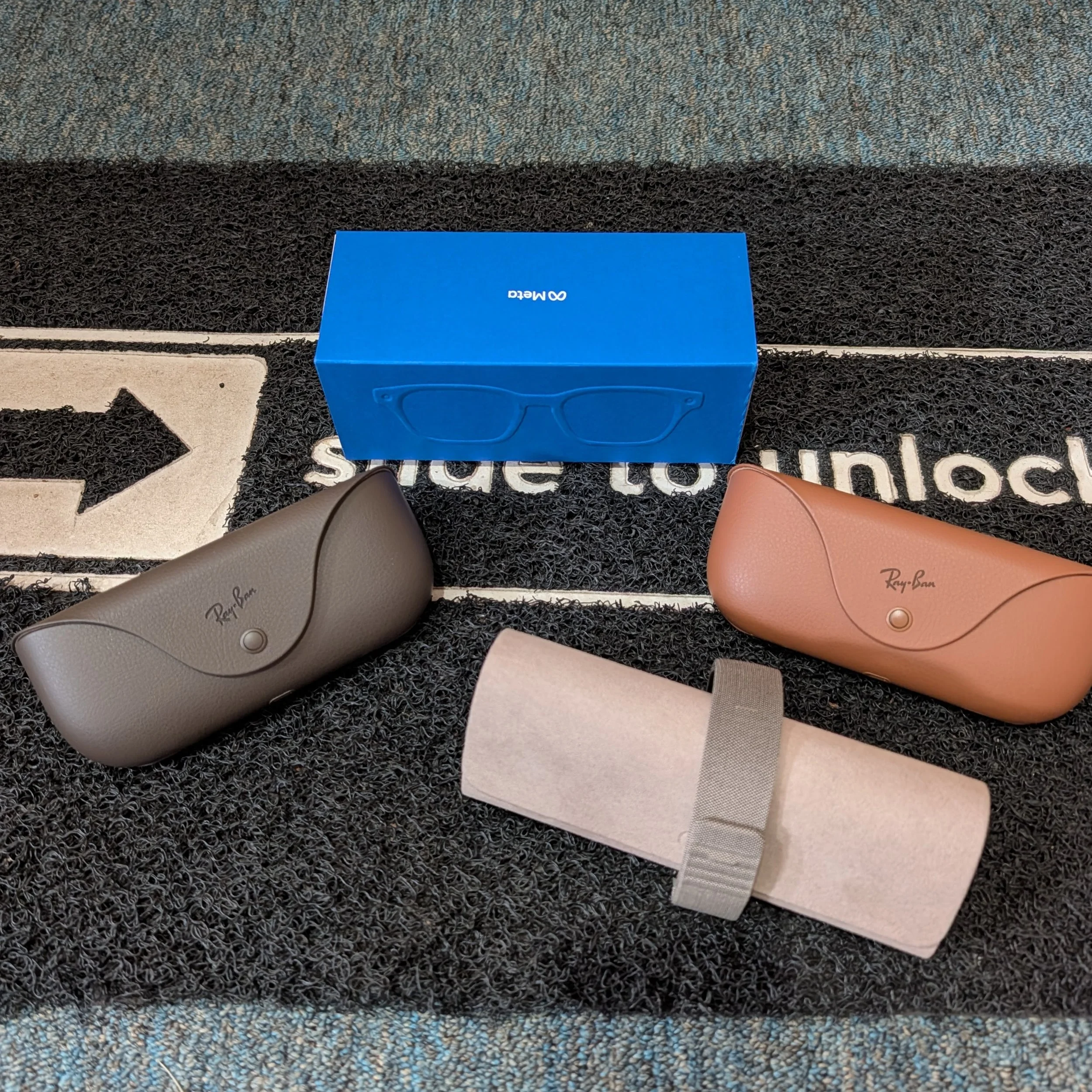
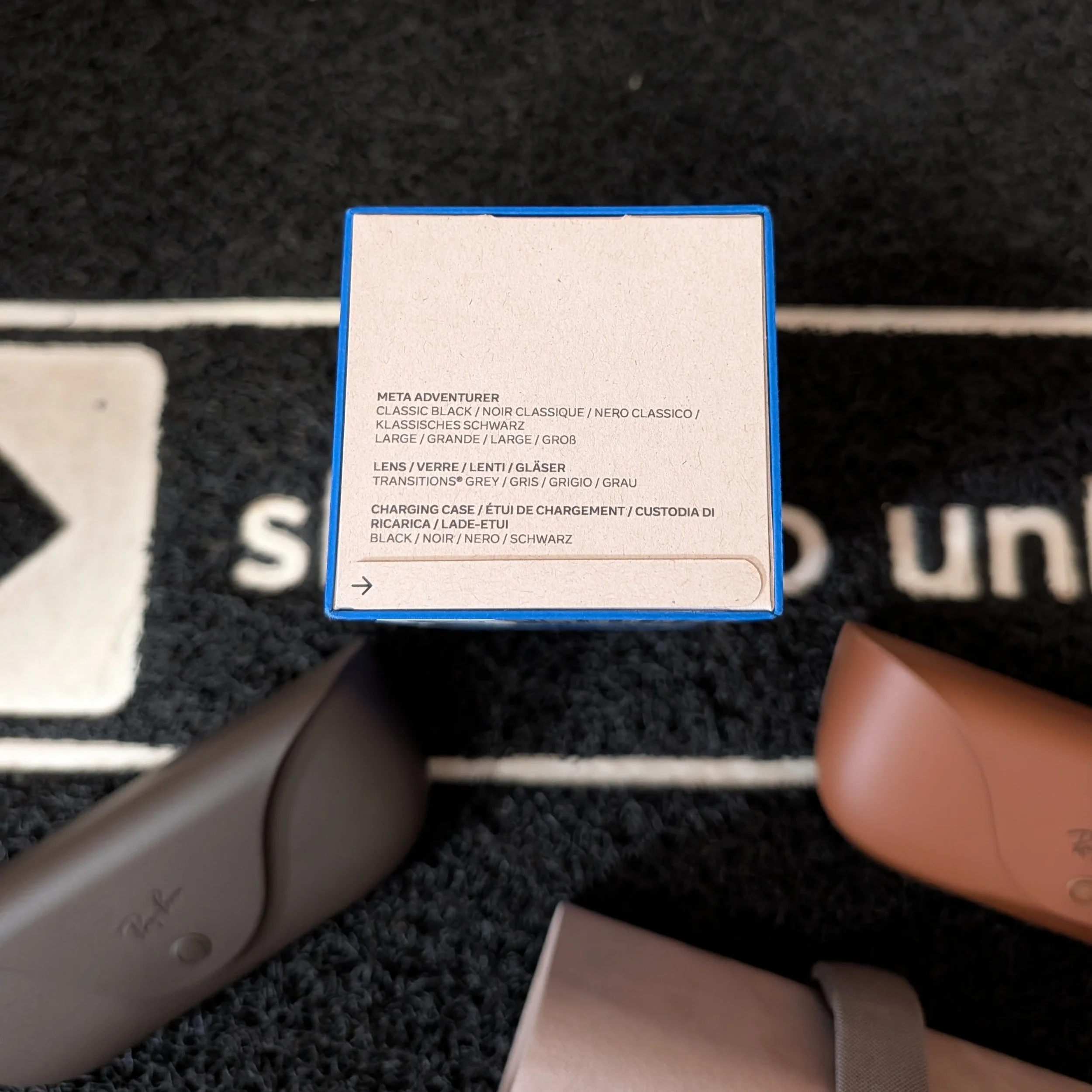
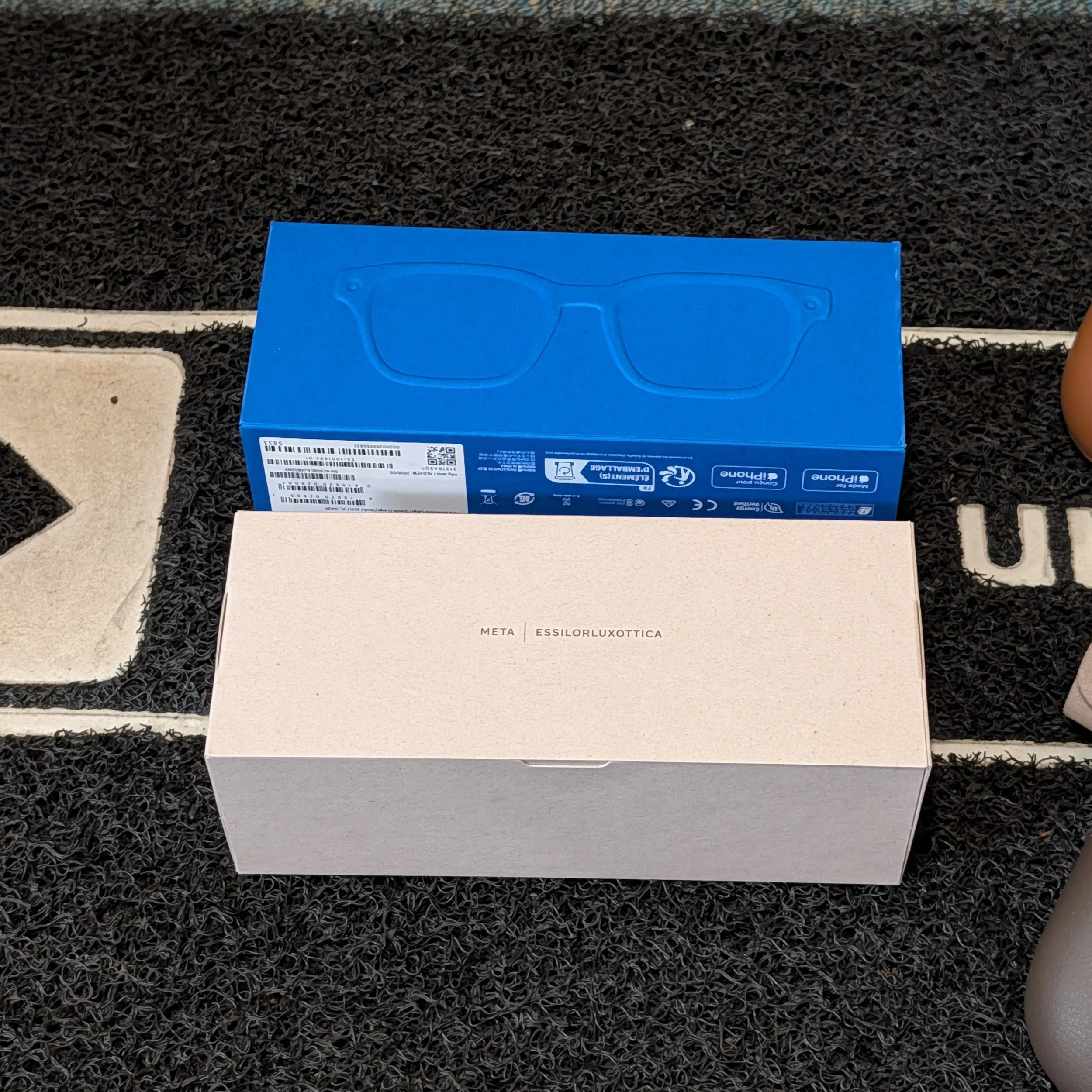
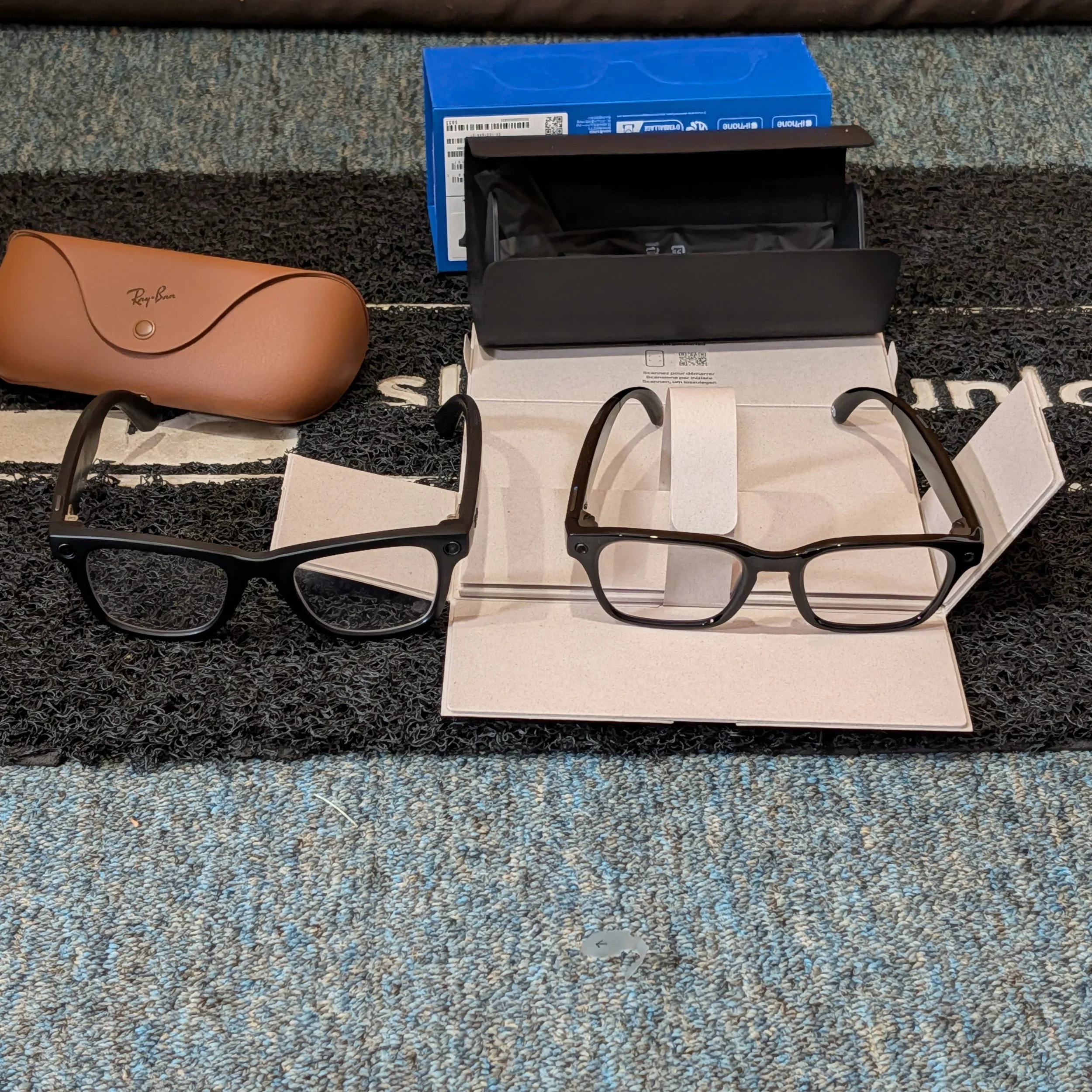
In a Q&A at the event, Meta CTO Andrew Bosworth said that early customers primarily used Ray-Ban Meta Smart glasses for listening to music, and AI was an afterthought. Today, AI is one of the top reasons for purchase intent and in actual use. So Meta was excited to use the new glasses to launch a larger AI model, Spark AI. Unfortunately, in my live demos, the Spark AI mostly didn’t work. After proposing a solid popcorn recipe from an art/inspiration wall, it repeatedly misread text, failed seven times to translate a sign (eighth time worked!), and suggesting ridiculous song pairings with a giant day-glow birthday cake (no, ambient music does not match the “warm color palette”). Given that the old models work effectively on all these tasks on the other Meta smart glasses I have been testing for months, I’m going to chalk the demo failure up to …demo failure. I’ll be testing the Meta Adventurer with Spark AI starting today (see unboxing photos below) and will update this report if it turns out that it wasn’t just a bad demo day.


Competitive Landscape
There are a lot of exciting XR glasses coming to market, but for someone who wears glasses to adopt a smart version, it has to offer clear utility, and that bar is even higher for people who don’t wear glasses. Snap’s upcoming Specs has an incredible amount of technology, but they cost $2200 and no one will mistake them for regular glasses. XREAL AURA are also full AR glasses, will also be priced in early adopter territory (though no more than $1,500 according to the preorder site), and have a tethered compute puck running Android XR. Like Snap Specs, XREAL expects people to use the AURA for “sessions,” not all day.
Meta has succeeded by offering much more limited tech balanced with glasses that look like sunglasses because they are sunglasses. At launch in 2024, the Ray-Ban Meta Smart glasses cost $300, a relatively small premium over non-Meta Ray-Ban sunglasses. They were good sunglasses first, and earbuds, hands-free camera, and AI assistants second. With many Ray-Ban Meta styles now running $460 and the Optics starting at $500 before prescription, lower pricing significantly helps the value proposition.
Google hasn’t announced pricing on its Android XR audio glasses co-developed with Samsung and Warby Parker or Gentle Monster. Meta has some reputational debt around privacy and Google has Gemini ecosystem integration advantages, so there is likely room for both in the market, but Meta is definitely putting the pressure on.
During the Q&A** Boz didn’t discount the possibility of Meta audio-only glasses, which would address privacy concerns and cost less. Boz also noted that removing key electronics components opens up new opportunities for the frame design, materials, and style.
There are also dozens of smart glasses coming to the market that make different decisions altogether about what to include. For example, XGIMI spinoff MemoMind has exceptionally light smart glasses with a monochrome display but no cameras starting at $400 for the Kickstarter version.
For Techsponential clients, a report is a springboard to personalized discussions and strategic advice. To discuss the implications of this report on your business, product, or investment strategies, contact Techsponential at avi@techsponential.com.
* I have asked Meta for confirmation, but the Ray-Ban Meta smart glasses support both, as do the prescription-ready Ray-Ban Meta Optics, which have the widest lens support. Meta Ray-Ban Display are single prescription only – only young eyes need apply.
**I didn’t get Boz to reveal product direction; my question was about app development for the glasses. Meta is focused on vibe coding rather than a large app store; he may be right about the future, but for now, Meta’s audio-only glasses would benefit from more discoverability and its Display badly needs more things to do beyond accessing Meta social media apps.