
WWDC 26: Apple Intelligence Works Now
Summary:
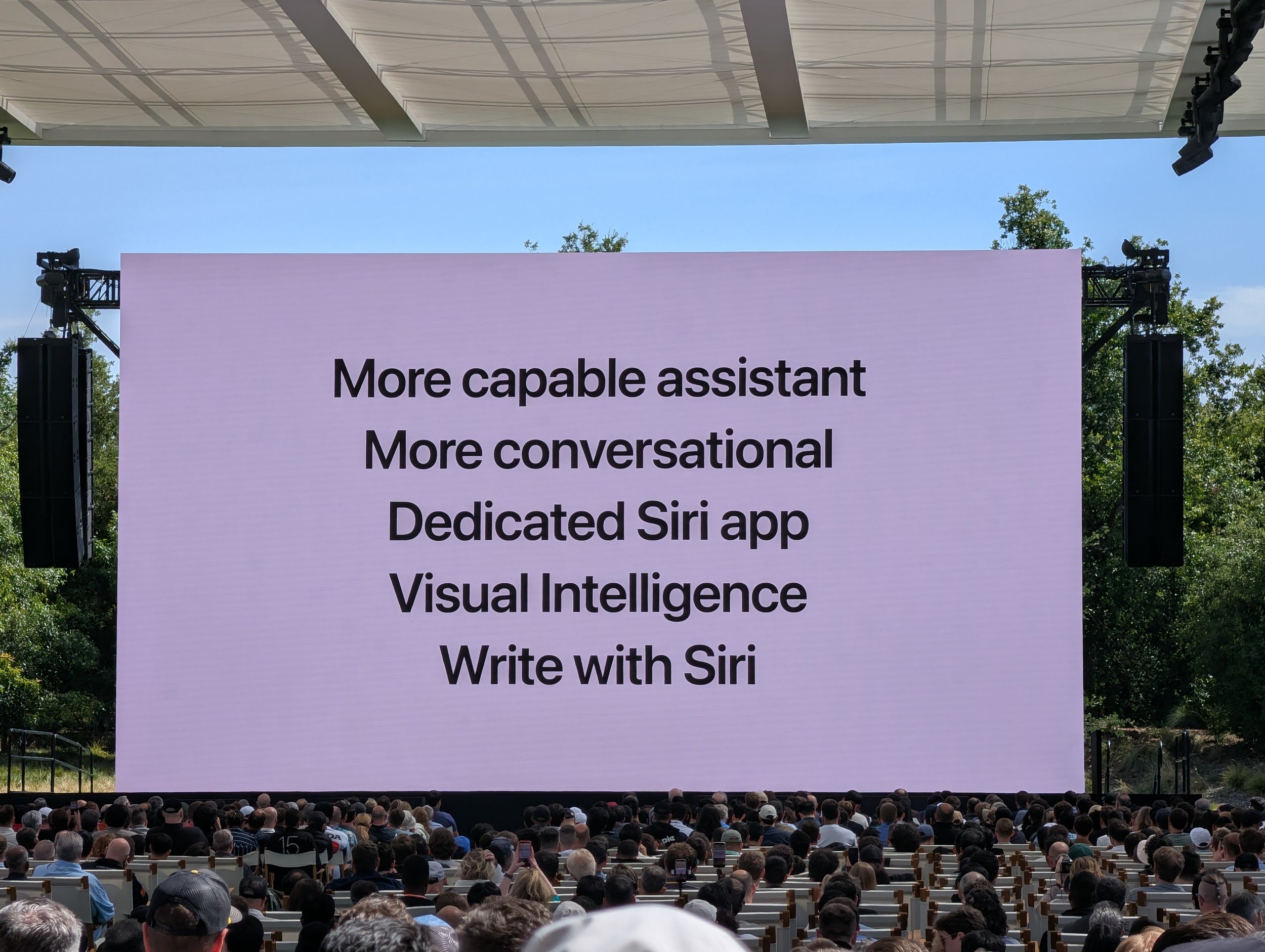
Apple made everything faster across its operating systems, added quality-of-life improvements, and announced new parental controls. The big news is that it now delivering on the promises it made for Apple Intelligence two years ago – and even though rivals are way ahead on agentic AI, the new Siri should be enough to be competitive, especially if developers buy in and give Siri AI more context and capabilities.
Analysis
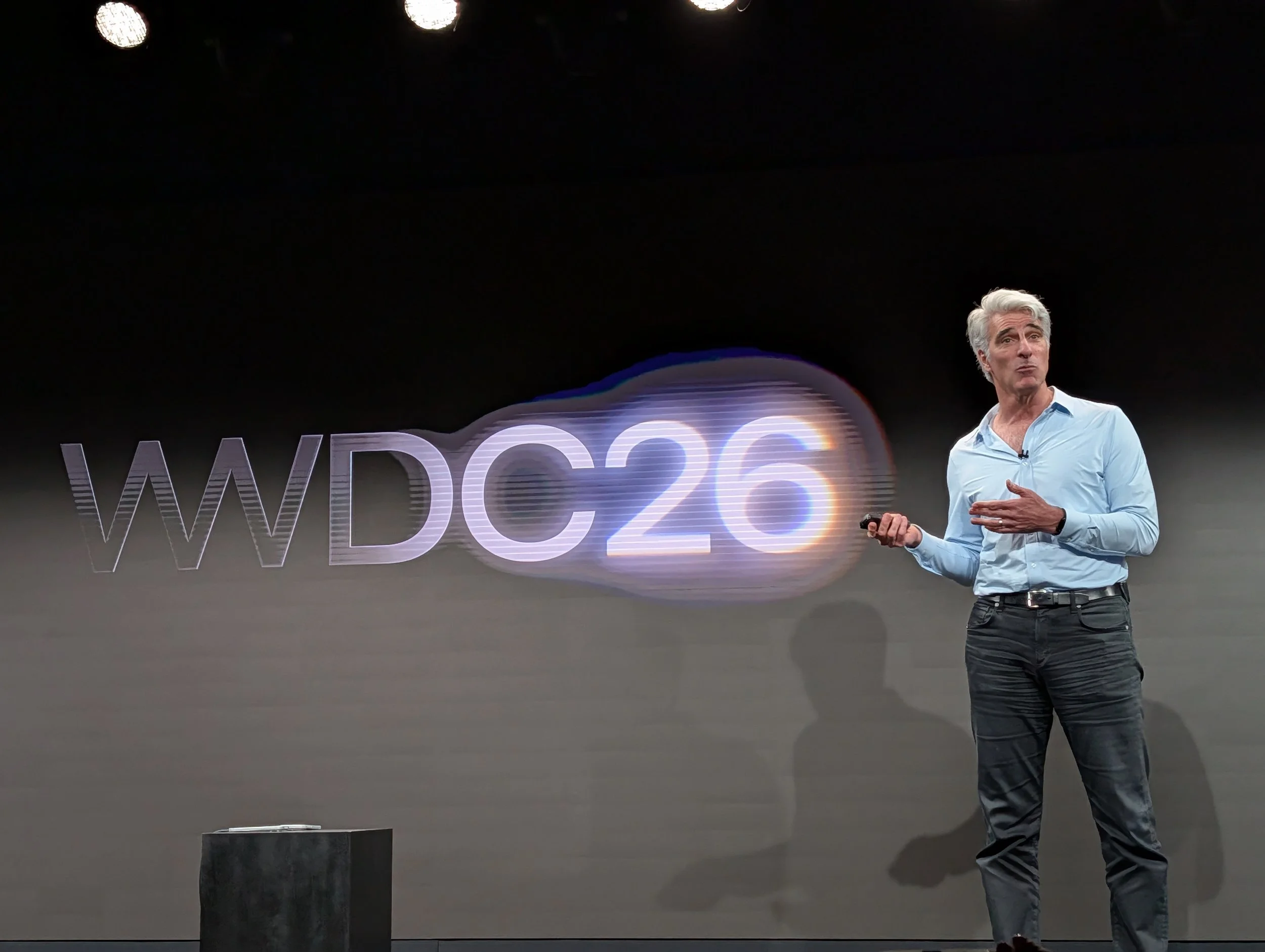
The title of this report was originally, “Apple Intelligence Is Working Now, We Promise.” After two years waiting for Siri to move beyond programmatic responses and minor text editing, I was skeptical that what Apple displayed in its WWDC26 keynote video was real. For this reason it may have been a mistake for Apple to skip live demos and stick to the pre-recorded presentations it has used post-pandemic. However, I held off publishing this report long enough to clear the invitation list (thanks, Apple Analyst Relations!) and test Siri AI myself on a MacBook Pro M5 Max, Apple Vision Pro, and iPhone 17 Pro. It’s classified as a beta, but it appears stable and definitely works.
Apple launched its presentation with positioning, saying that it is not seeking AI for the sake of AI. The goal is to carefully build helpful tools "with privacy at every step." This contrasts the approach Google took at its developer conference, where the only acknowledgement of consumers’ unease with AI came late in the keynote.
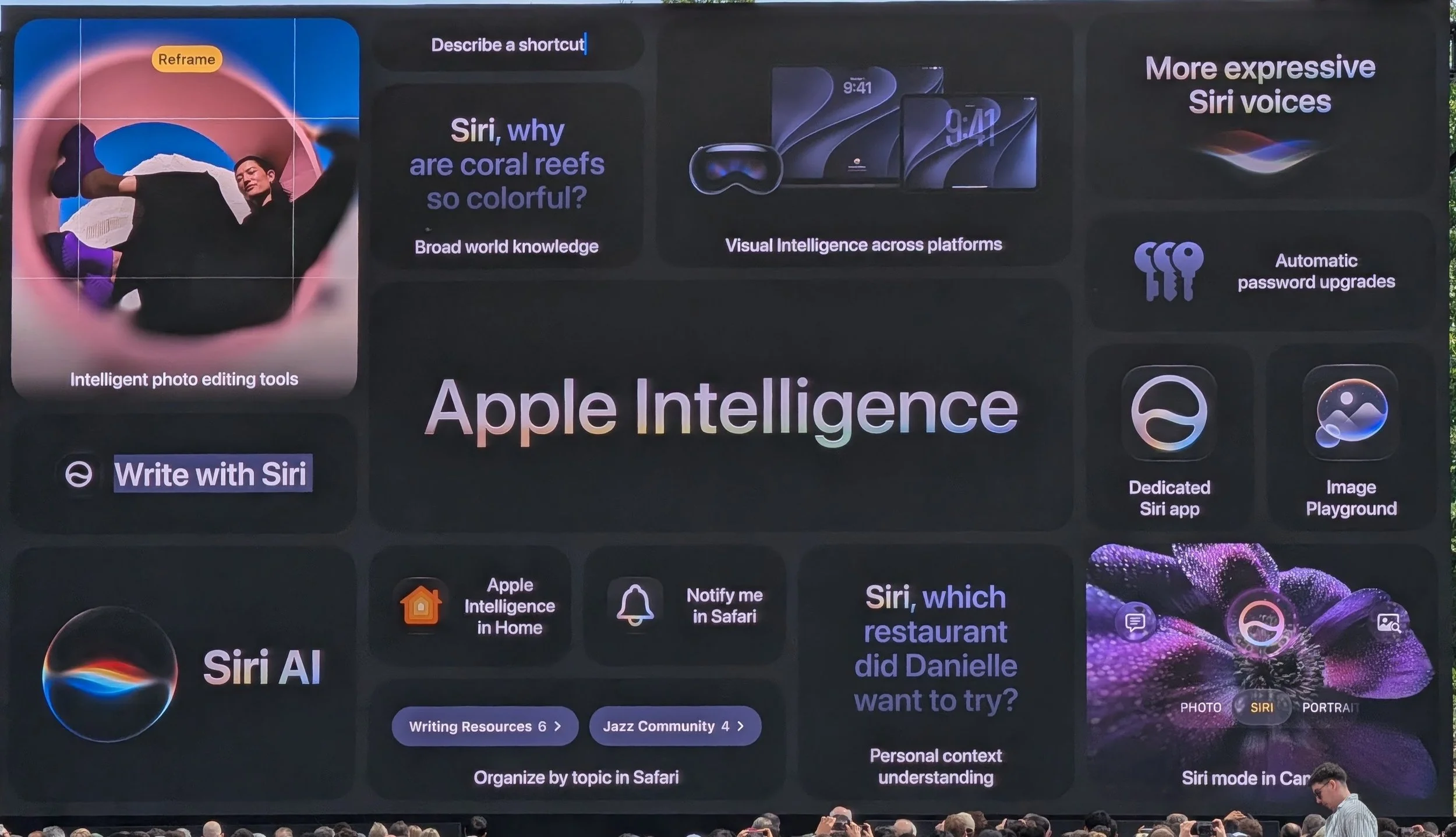
Apple Intelligence is still well behind Google Gemini for agentic capabilities, some queries, and language support, but it delivers on the things that consumers actually want to use AI for. In this sense, it is meeting consumers where they are rather than pushing them into a future they aren’t ready for. Siri AI is able to answer sophisticated queries, remembering context, and responding in the fluid, personalized way that consumers have come to expect from the latest Gemini, ChatGPT, and Claude models. It should be enough to keep Apple ecosystem dwellers happy. In many cases, Siri AI will be the only AI that they ever use regularly.
Siri and Gemini Relationship Explained
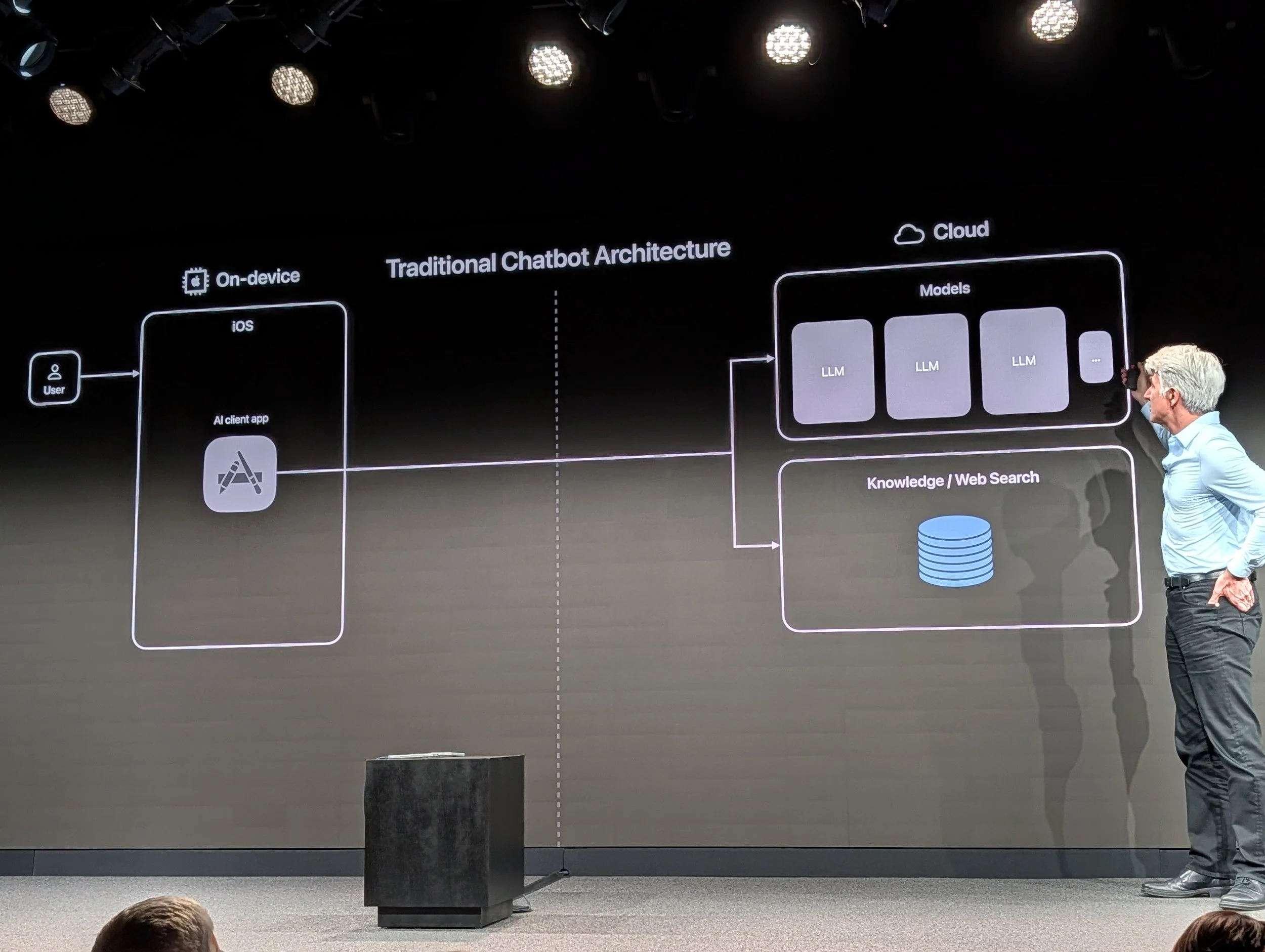
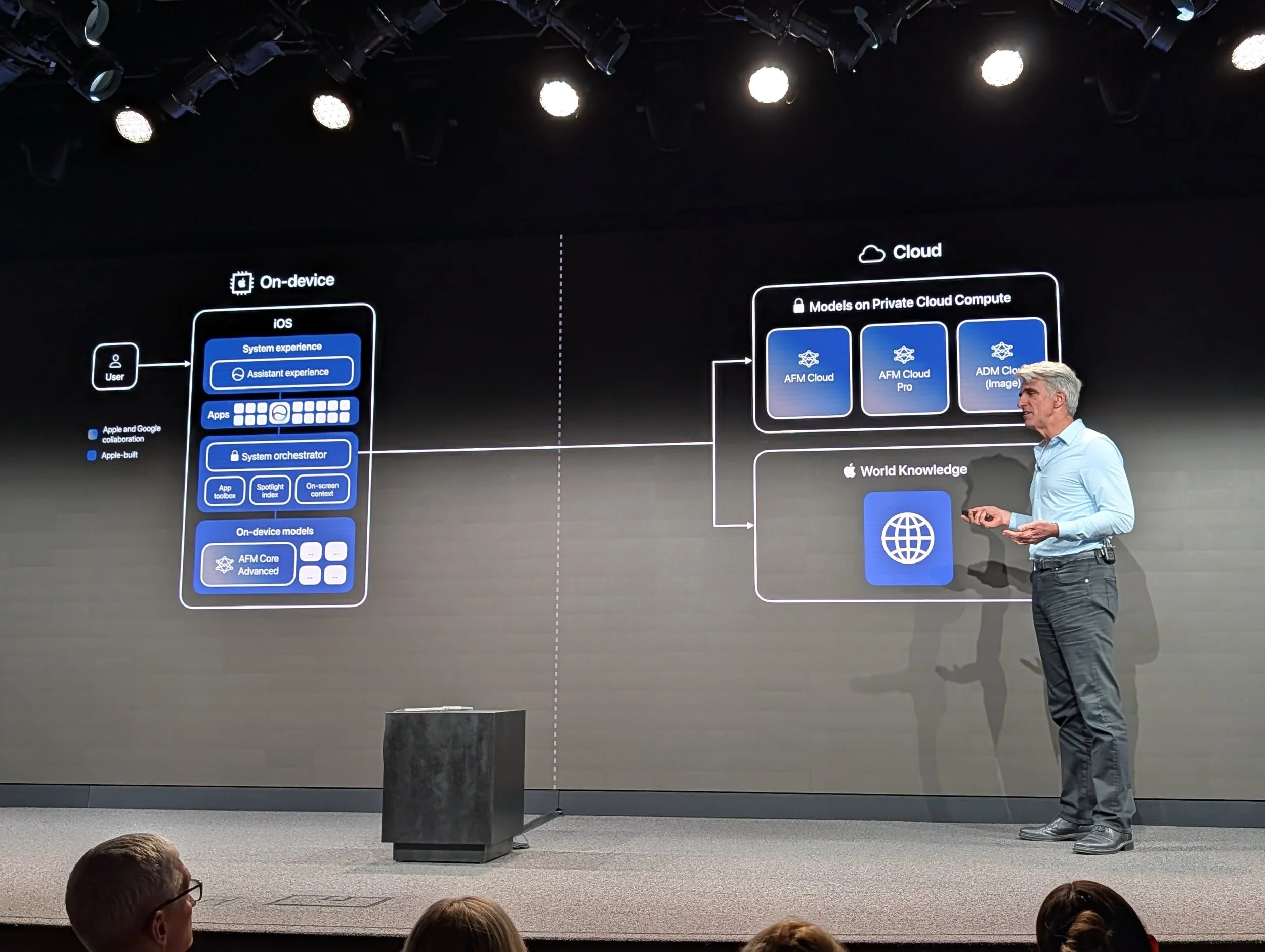
There is reason why Siri AI is now able to act more like Google Gemini: they share common ancestry, up to a point. Apple is now building its foundational models based on Google’s Gemini. However, this has confused a lot of people: Apple is not using the Gemini Assistant, it isn’t using Google’s various small models, it isn’t using Google Search, and none of the data goes to Google’s servers. The Apple Foundation Models are built based on Gemini models; the smallerApple takes Google’s Gemini base model and builds various specialized Apple Foundation Models from that. The smaller Apple Foundation Models are then accessed on device whenever possible. When larger(Apple provides third party app developers with APIs to access these models areas well). When more sophisticated models or world knowledge is needed, larger Apple Foundation Models (also based on Gemini) are accessed in Apple's Private Cloud Compute servers and supplemented with Apple's own world knowledge base as necessary. Data is encrypted when sent to and from Apple Private Cloud Compute; nothing is stored beyond the needs of the query – Apple is not using queries to train future AI models – and Apple has no access to the information itself.
Apple’s Bet
Apple is betting that owning the foundation models is not as important as owning the customer, and that running smaller models on device is better than shunting nearly every query to more capable models in the cloud. Apple’s approach is certainly cheaper – both in terms of not having to train the models and limiting inference costs somewhat (Apple’s inference costs across its enormous installed base are still going to be astronomical). This looks like it may be a good bet, but it was Plan B; Apple’s efforts training an LLM were not able to keep up with OpenAI, Google, and Anthropic.
Google is betting that owning the foundation model and then running huge models in the cloud gives it technical advantages that extend throughout its ecosystem, while leasing its model to Apple brings in some revenue and presumably is part of its agreement with Apple to maintain Google Search primacy on Apple OS’s. Interestingly, Microsoft is making a similar bet to Google, moving away from its dependence on OpenAI and building its own AI models.
There's a new Siri app that syncs with iCloud so you can go back to conversations you've had on any Apple device logged into a single account. The VisionOS version of Siri is a glowing orb that can be placed anywhere in your environment; look at it and you've invoked it. This is every bit as cool in use as it sounds, and voice-driven AI is particularly useful in spatial computing environments. That had been a key advantage for Samsung’s Galaxy XR – Android XR launched with Gemini while the Apple Vision Pro was stuck with a version of Siri that was best at managing timers.
Still Plenty of Limitations
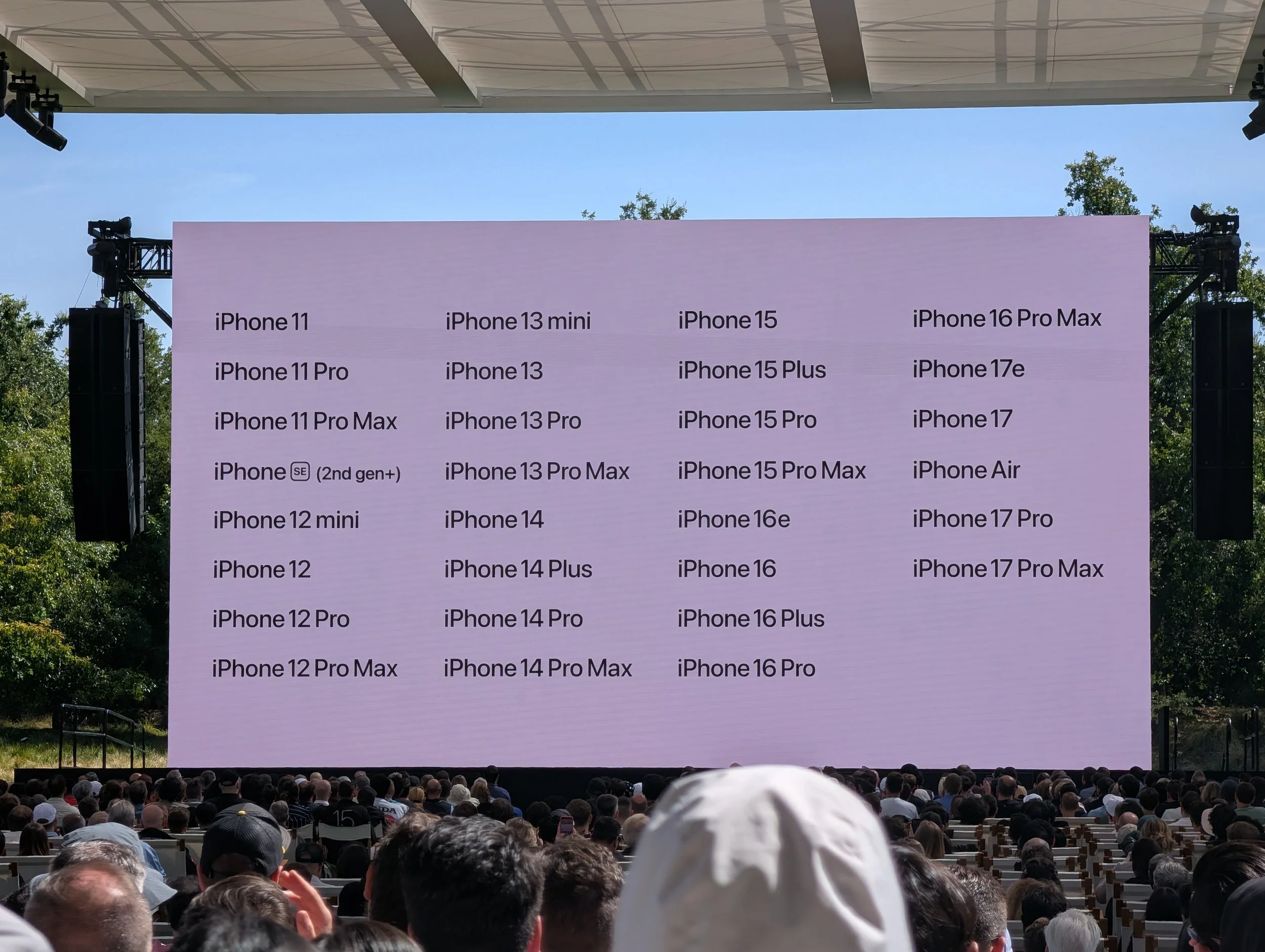
Apple’s most capable local models are hardware limitedrequire specific processor, NPU, and RAM capabilities/capacity, limiting them to just a handful of Apple’s most recent devices, so people. People who bought iPhone 16 will get most of the Siri AI features but if they were expecting dramatically improved voice dictation and better-sounding Siri voices they will remain disappointed. Older Apple devices reaching back to the iPhone 11 will get faster thanks to OS optimization (see below) but won’t get any of the new AI goodies.
Even on the most recent iPhone 17 Pro and MacBook Pro M5 Siri is launching in English. It still has limited ability to interact with third party apps; asking it to put something on my Outlook calendar didn’t work – even though I’m told that Microsoft is using Apple’s Intents API for at least some of its apps. Siri put the event on an iCloud calendar instead, and not the one I actually use.
Some of Apple’s limitations today are likely future strengths. If developers broadly adopt Apple’s pair of AI APIs and Apple can iron out the kinks, that would make the Apple ecosystem extremely hard to leave; even if other platforms had better agentic capabilities, your apps have personal data, credentials, and access to services that a powerful AI orchestrator can take advantage of.
Apple also continues to push a privacy and security message around Apple Intelligence, which is a major competitive differentiator – even as it is an impediment to global sales at launch. For now, Siri AI is not shipping in the EU on the iPhone and China across all products. The EU is insisting that the iPhone is a monopoly (while the Mac isn’t), and therefore Apple needs to open up its architecture to allow third parties to run amuck (think agentic AI without Apple oversight). Apple has sent the EU Trusted System Agent proposals as an approach that would phase in third party apps and manage the internal data access to preserve security, but the EU has rejected this. The EU is essentially demanding system-level access for any third-party AI assistant. Apple believes this is dangerous, because it is, and so Apple is holding Siri AI back from EU countries until the regulators are willing to consider a different tactic or adjust how DMA is applied.
Apple’s approach to agentic AI is deliberately cautious, partly because it is trying to narrow the scope of what is already a huge launch to deliver on non-agentic AI on a grand scale. Apple also needs to implement agentic AI securely. Apple notes that you can use the Mac to run OpenClaw-like agentic apps or apps from Google on your iPhone. Apple isn’t just trying to make its OS the best platform for other AI, it does plan to build more agentic functionality into its products itself over time. The new Siri is primarily request-based today, but it is an entirely new Siri, and Apple executives said the “completely modern agentic architecture” allows it to be extended in the future. In the meantime, Apple is seeking to find a way to make agentic AI “helpful, useful, understandable by consumers, and safe.” Apple isn’t there yet. That’s fine; mainstream consumers aren’t ready for it either.
The closest thing to agentic AI that Apple announced are in Password and Shortcuts. The Password manager can, with your permission, log into sites where you have a compromised password and update it to a secure one. This is wonderful, but it does make it harder to leave Apple’s ecosystem. You’ll have full access to the new password that it generates, but good luck if you regularly use Chrome on Apple platforms or use any browser on Windows or Android. Shortcuts lets iOS users create sophisticated macros on their phones. However, the step-by-step Shortcuts interface can be inscrutable. Now you can just describe what you want to do with Siri, and she’ll program the Shortcut. Nice.
There are bound to be edge cases where the old Siri did things that the new one does not, or not as quickly or in the same way (a common complaint about Alexa+ vs Alexa in our home). I asked Apple about this, and they said that you could effectively turn off most Siri AI features and be left with older Siri – though it requires multiple settings in various locations, not just a single “run older Siri.” Undoubtedly the first YouTuber to create a tutorial, “Turn off Siri AI” will get a lot of views.
This was nominally a developer conference, but there was nary a line or code or even much push to adopt the APIs that enable Apple Intelligence to access information or services from apps. Developers can tie into Apple's on-device models or access other models from OpenAI, Anthropic, and now Google. Apple did dive deeper into code in a separate “State of Platform session at WWDC, but the keynote was aimed primarily at consumers (and, obliquely, at investors).
Non-AI Quality of Life Improvements
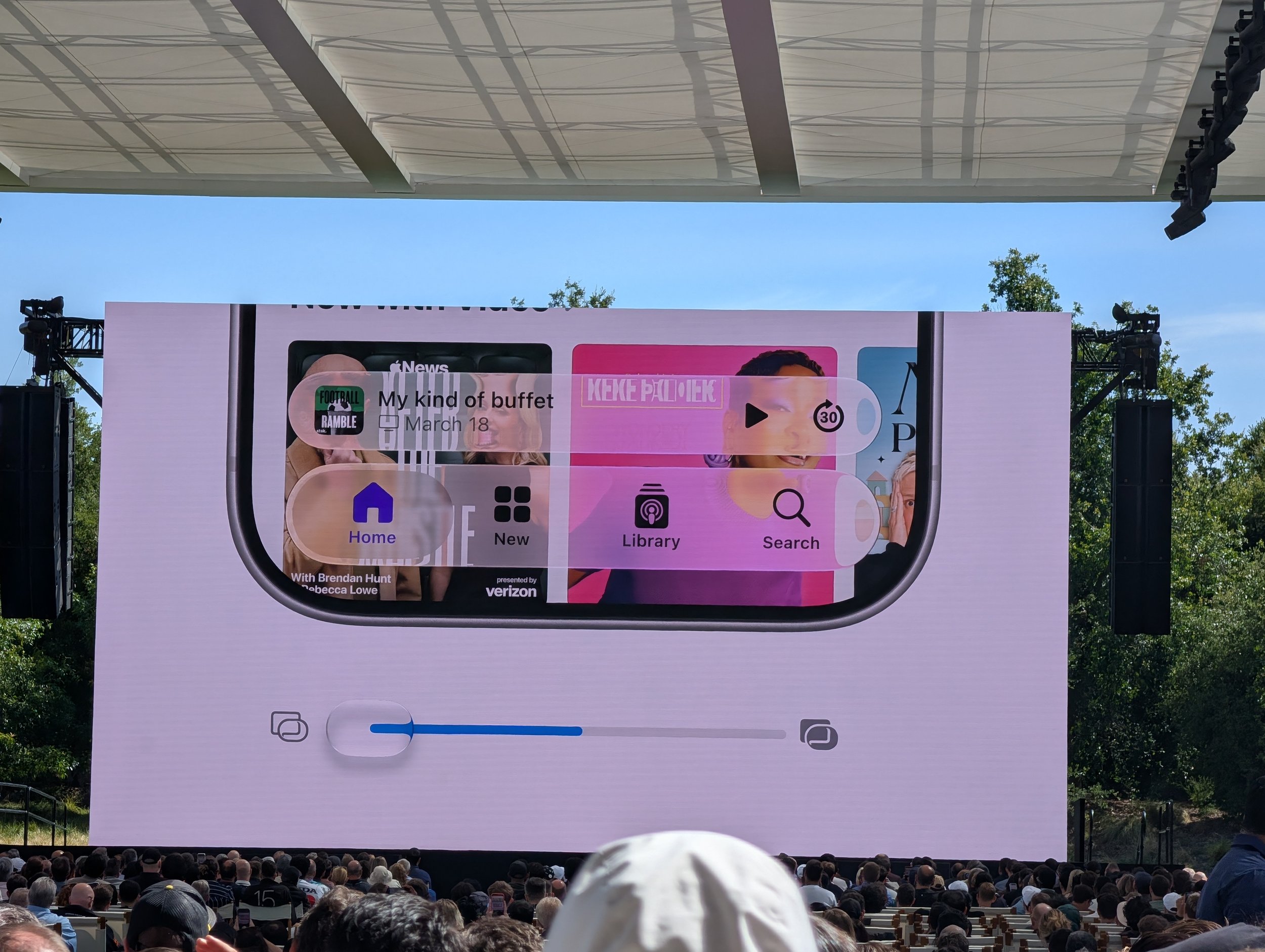
Apple typically structures its keynotes product-by-product. It broke from that format this year by talking about broad themes: updating background processes to speed up everything from app launches to file transfers, improving little things all over the place, and fixing Liquid Glass’ tendency to make text hard to read. There are literally hundreds of small quality of life changes; my favorite is the ability to turn panoramic photos into immersive environments in Apple Vision Pro. The assembly watching the keynote at Apple Park in Cupertino gave the loudest cheer to improved corner radii in the user interface, which says more about the audience than the feature.
The speed improvements in iOS 27 will go all the way back to iPhone 11. Despite urban myths, Apple does not plan obsolescence to get consumers to upgrade. On the contrary: Apple wants its products to retain maximum value for the secondary market, which drives ecosystem growth, and feeds Services sales. Apple is also serious about its sustainability goals.
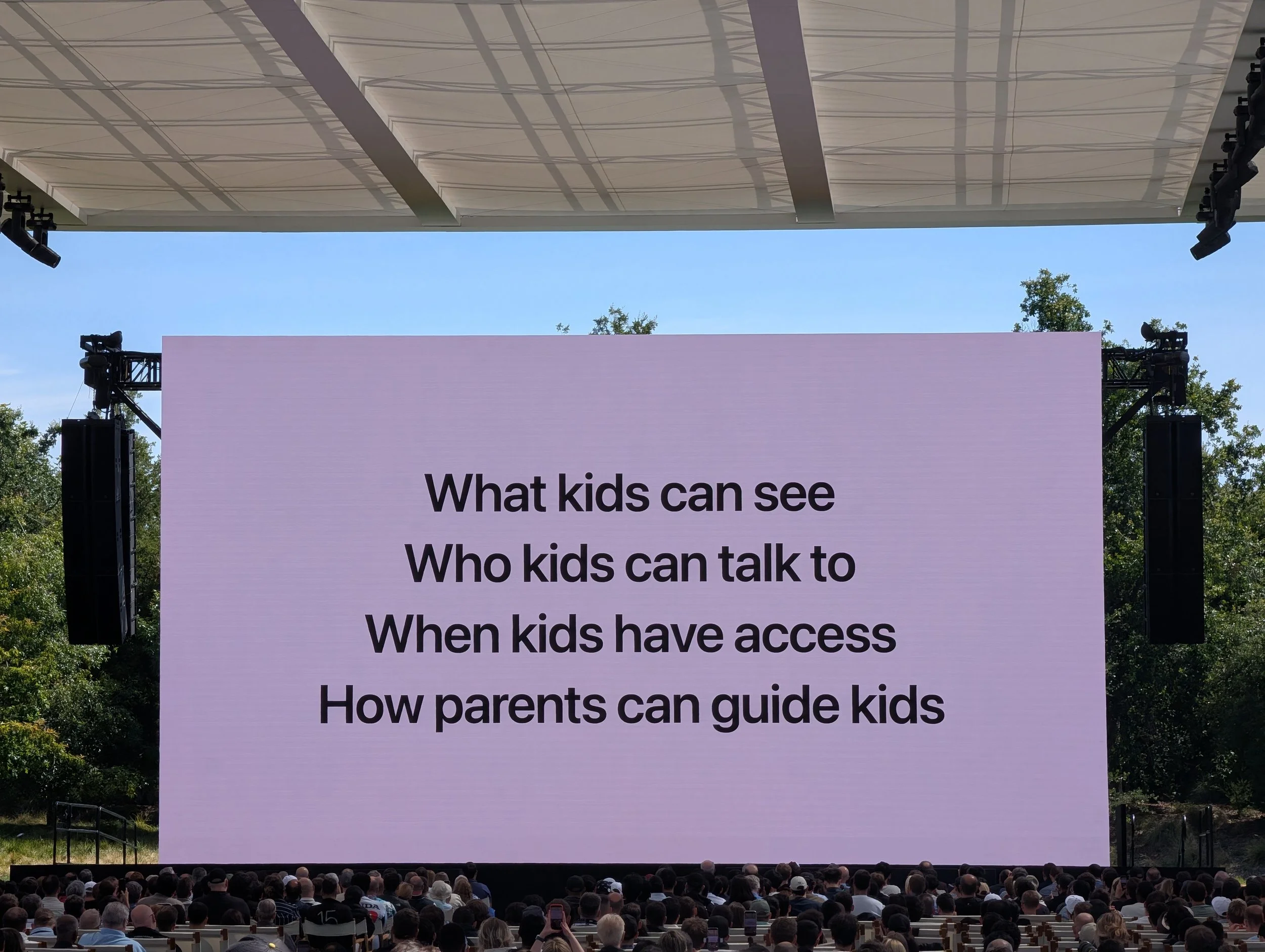
Parental controls was another cross-device theme. Trying to get ahead of regulators and make its own employees with families more comfortable, Apple is providing a lot more flexibility for parents, giving them tools to choose which apps kids can download and now allow kids to ask their parents for permission to browse new websites. Parents can restrict violent content and nudity and set app access on different schedules. Apple is pushing child accounts to manage the controls and is making it much (much) easier to convert existing accounts to Child ones. Apple is working with medical and child research groups to help design some of the guidelines, but is leaving it up to parents for implementation. This seems like a good approach from a corporate brand and backlash perspective, though it would be more effective if high-baseline recommendations were on by default rather than asking parents to choose.
Good Morning, Tim! And Goodbye
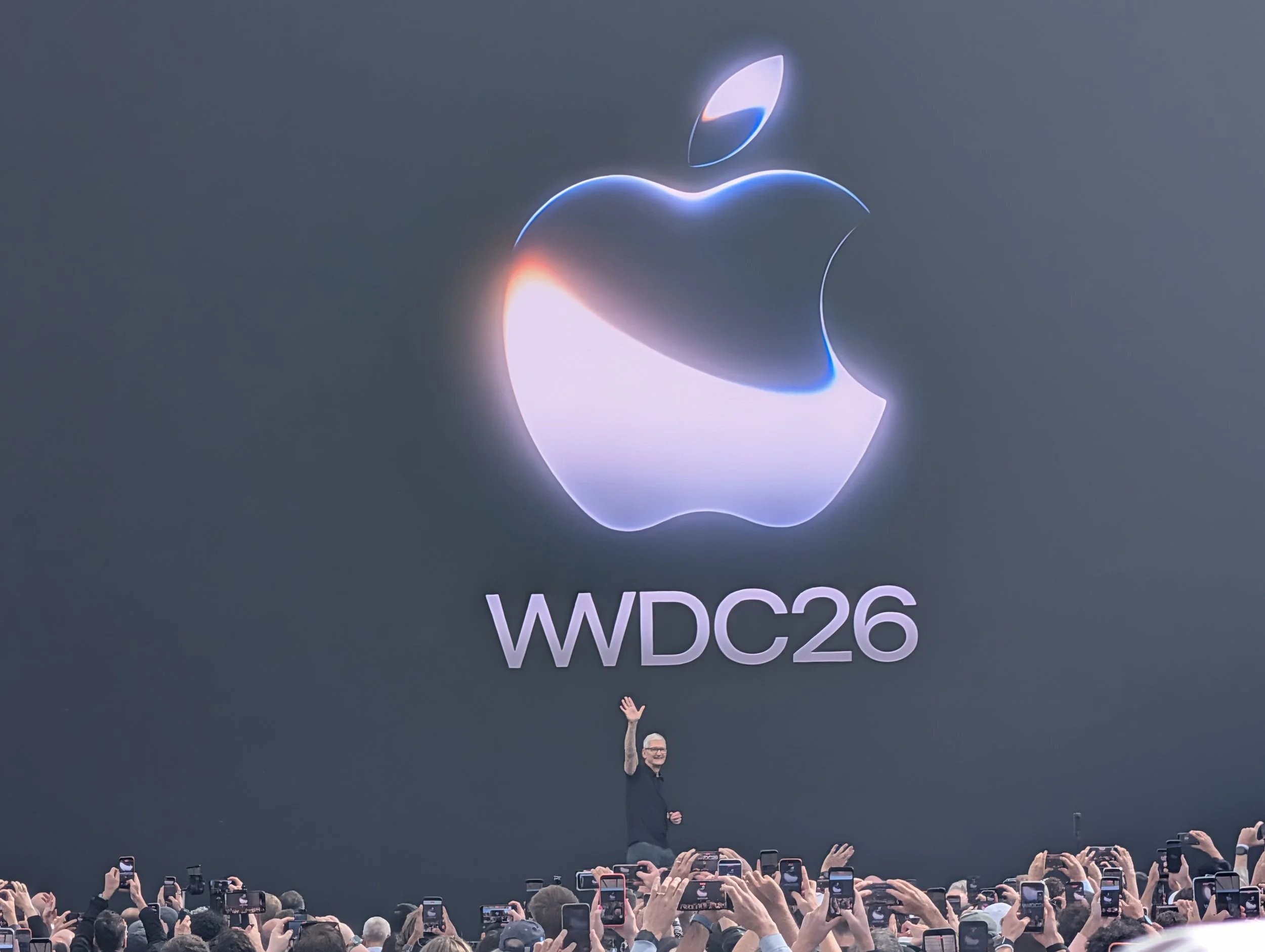
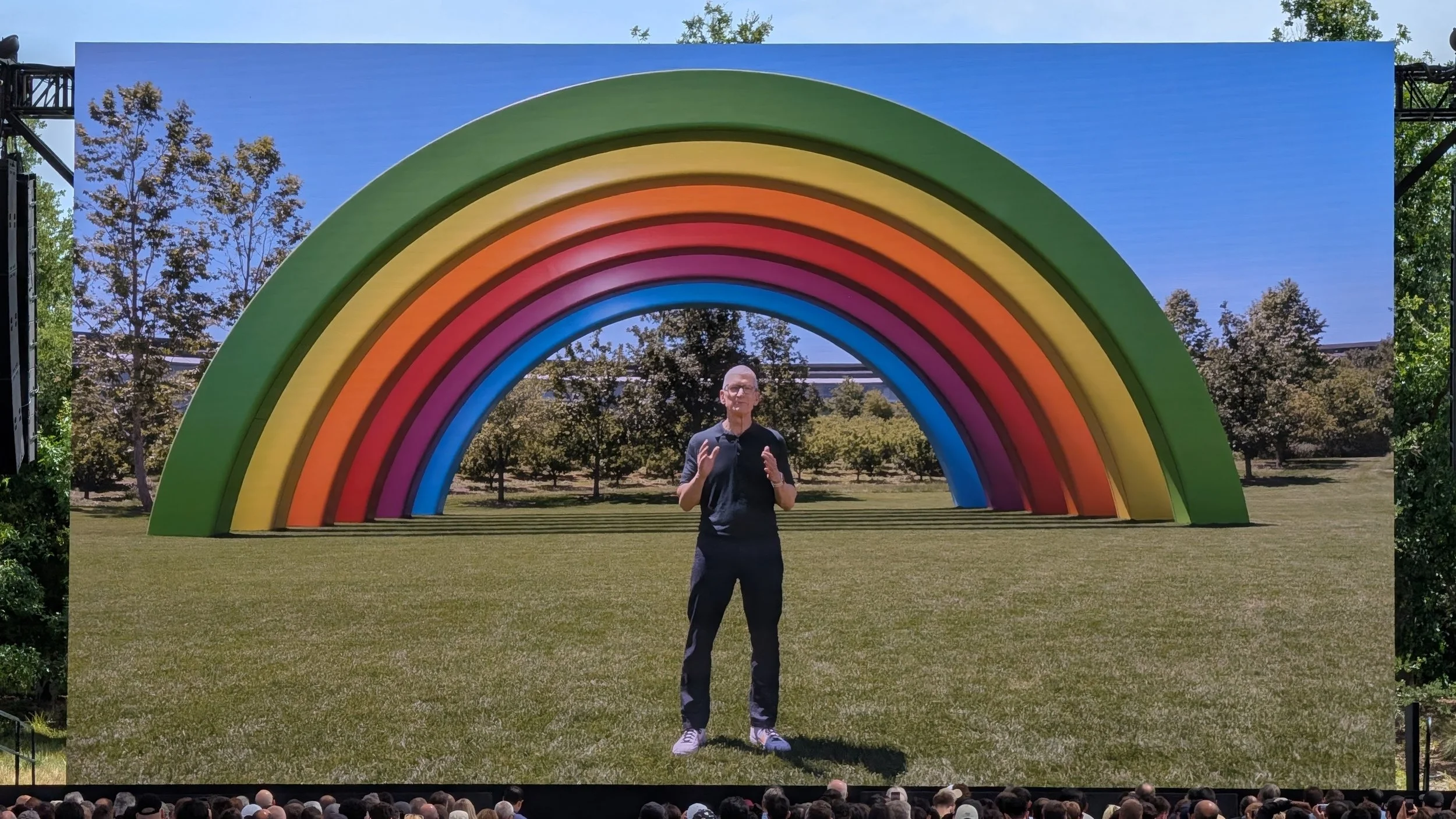
This was likely Tim Cook’s last major event as CEO, and after a live introduction by Craig Federighi, Tim acknowledged the ovation with a string of about a dozen, "Thank you"’s before he could get to his trademark "Good morning!" At the end of the recording, Tim bowed out as CEO and says "it's been the honor of a lifetime."
For Techsponential clients, a report is a springboard to personalized discussions and strategic advice. To discuss the implications of this report on your business, product, or investment strategies, contact Techsponential at avi@techsponential.com.