
New Apple Silicon M6, M5 Ultra For Updated Mac mini, Mac Studio: Can Apple Make Enough?
Summary
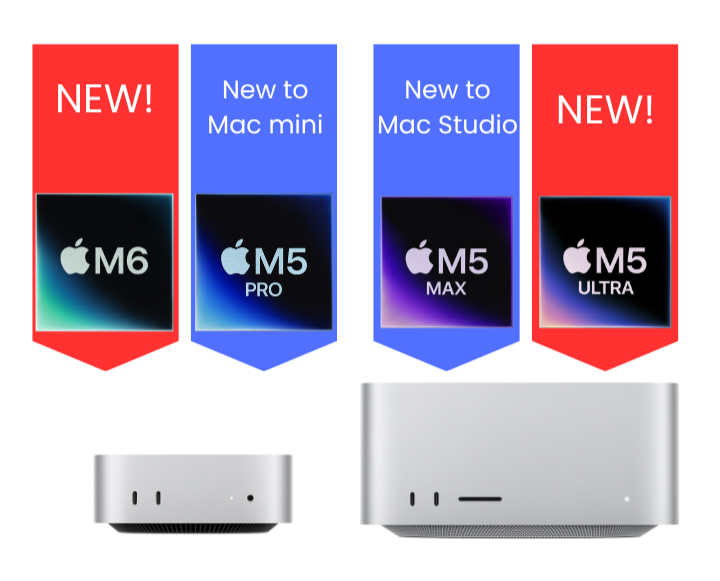
Ahead of its expected iPhone event next month Apple introduced updated Apple Silicon with two new SoCs that will first show up in updated Mac mini and Mac Studio. Benchmark records will be set, pricing for the higher end configurations will be dramatic — but still potentially cheaper than paying for tokens — so demand will be high. Now we need to see how many Apple can make.
iPhone Event is Going to be a Banger
Apple is announcing two significant new additions to Apple Silicon and updated Mac mini and Mac Studio configurations they slot into, and Apple did this with just a press release outside the iPhone event widely expected at some point in September. Some of this may be due to timing – the Mac mini M6 should be available on September 22, so Apple may want more lead time for orders. Some of this is simply due to the importance of the iPhone to Apple overall; it would rather have that event focus just on the phones. Still, this does suggest that the iPhone event will have a lot of substance.
Mac mini M6 has no PC equivalent
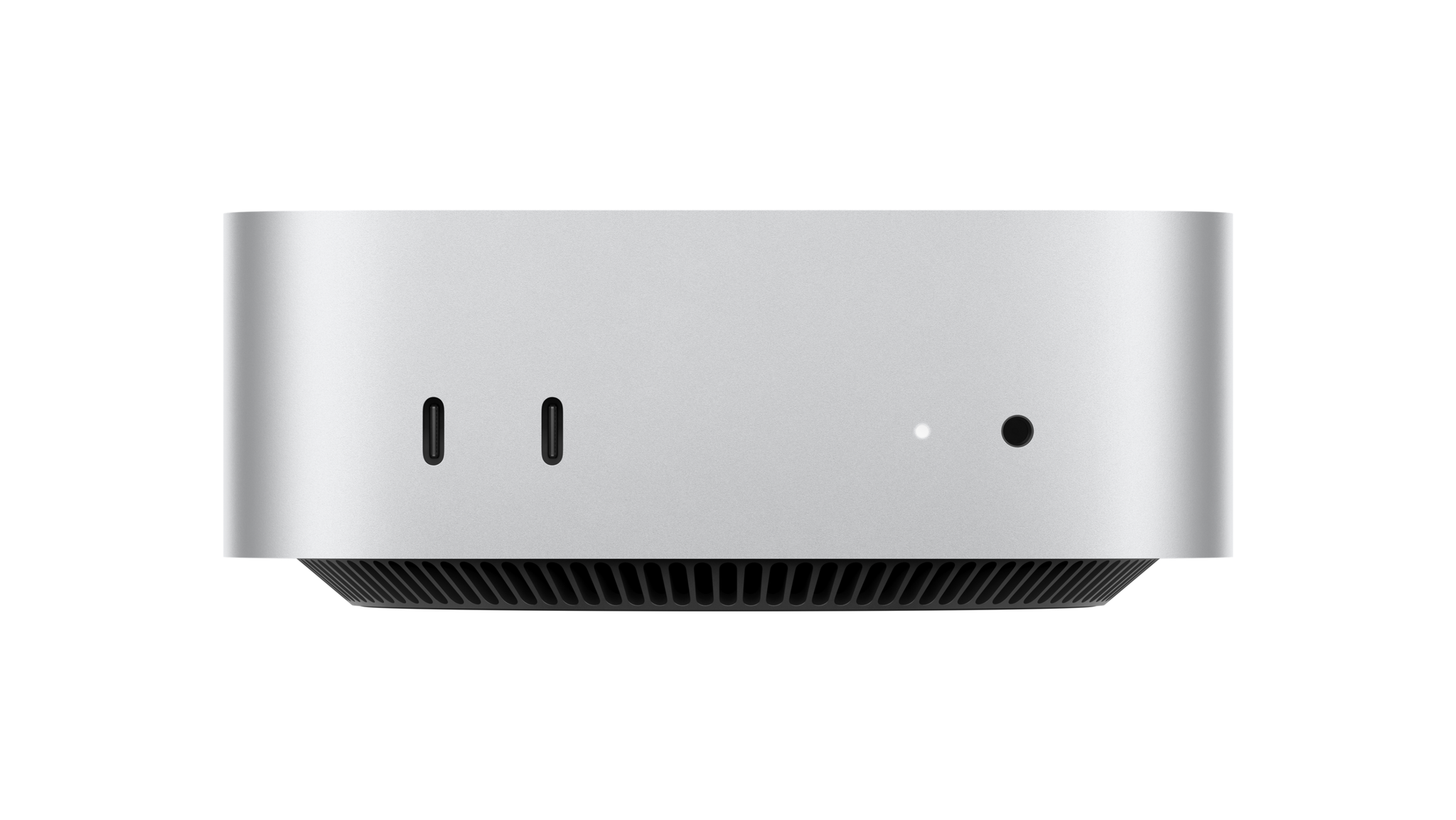
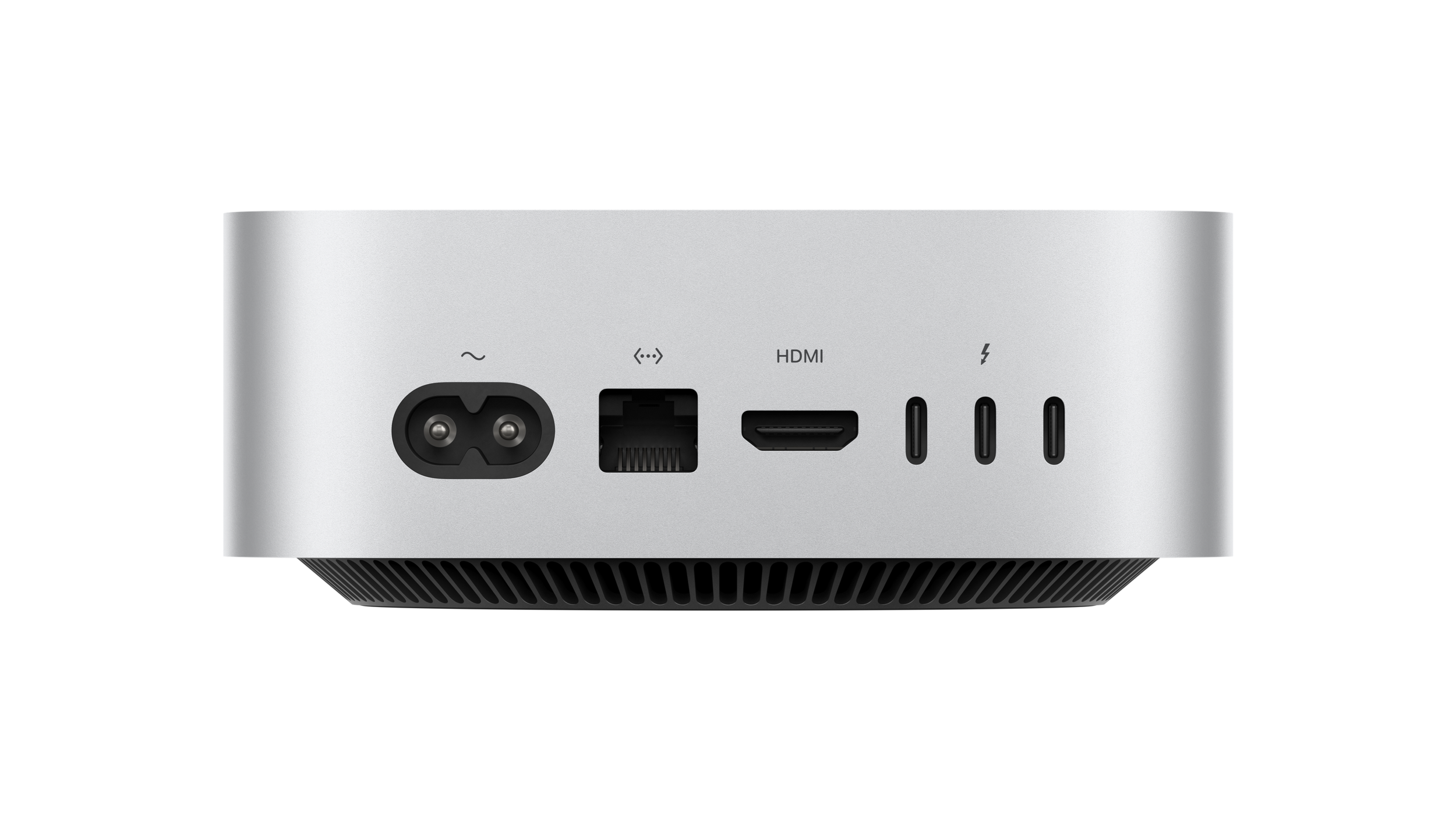
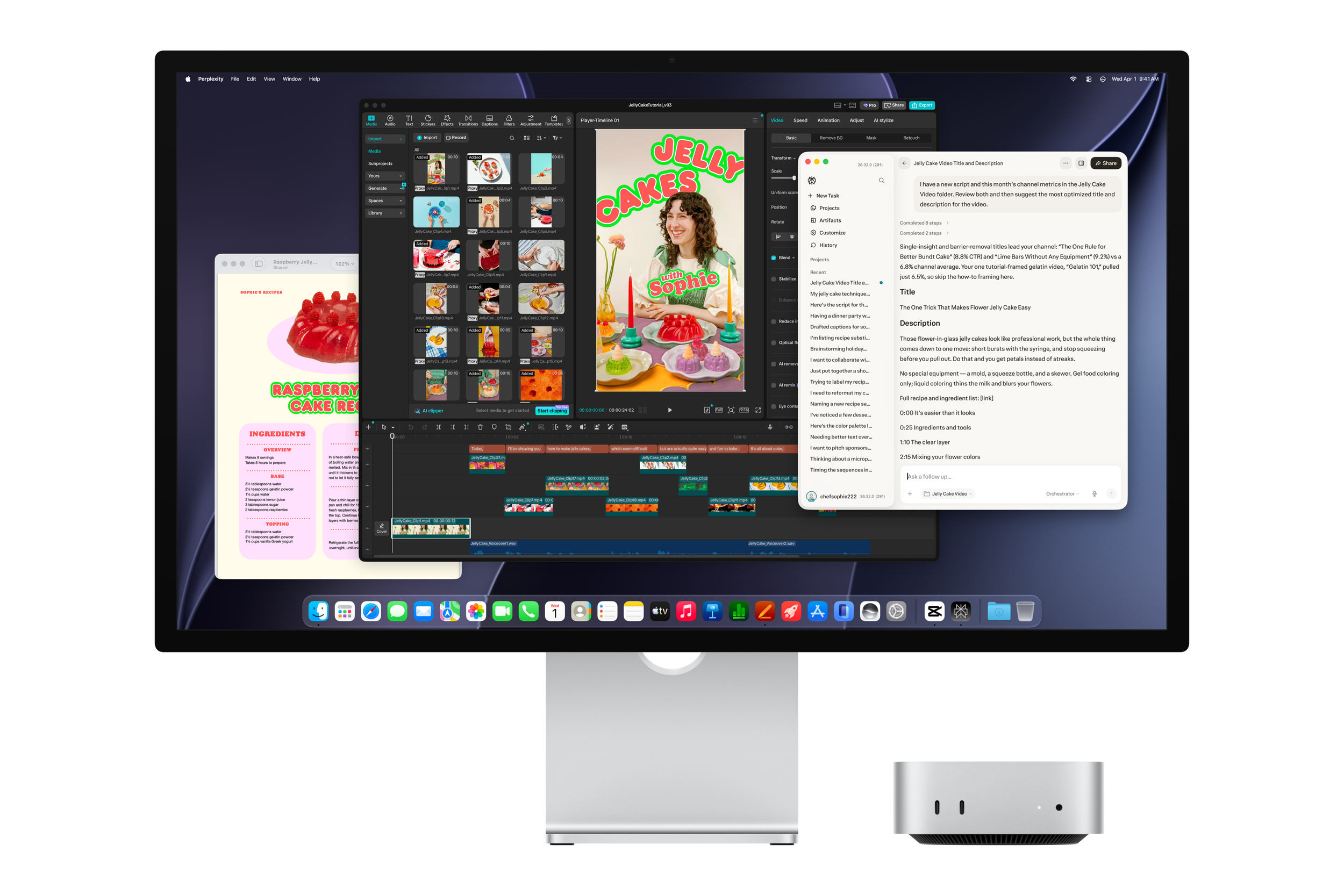
The Apple Silicon M6 is Apple’s first SoC built on a new 2nm process node and is the first mainstream Apple Silicon chip with a 12-core CPU. There are two super cores, four performance cores, and six efficiency cores. We’ll have to wait until we can benchmark it, but this is likely to set some records for single-core performance. It also adds neural accelerators in the GPU for 4x higher peak AI performance, twice the neural engine capability, faster unified memory and faster storage. The Mac mini M6 starts at $900 with 16GB of RAM. That’s up $100 from the Mac mini M4 that it replaces, but there simply isn’t anything offering this level of performance in the PC world at this price point or tiny form factor. Qualcomm and NVIDIA/MediaTek may have chipsets that can match some of Apple’s numbers, but only in systems that are 2x – 4x the price. For consumers looking for a general-purpose Mac to attach to a monitor, keyboard, and mouse, the base Mac mini should last 5 – 10 years before it is outdated.
Update Sept 23: our Mac Mini M6 review has been published.
Mac mini M5 Pro for AI Appliance Use Case
Apple also thinks that people with existing Macbooks and iMacs will buy Mac minis as agentic AI appliances. It has plenty of evidence that people are doing this already; higher-end Mac mini configurations have four-month wait lists. To address this audience, Apple is offering M5 Pro configurations. Remember, Apple’s “Pro” chips can be thought of as the equivalent of two base model chips on a single die. That makes an M5 Pro more capable than an M6, even though the M6 has improvements over the M5 and is on the newer process node. The fact is that Apple is going to struggle to satisfy demand for all configurations from AI researchers, OPC (One Person Companies), tinkerers, and enterprises who want to run AI models locally for privacy, security, and economics. However, I do hear from individuals and SMB who have budget for tools but need more handholding before (or after) they buy. Apple understandably wants to promote how flexible its platform can be, but it really ought to put together guidelines and Apple Store classes on how to safely and securely set up an AI hub to move the use case from bleeding edge/early adopter to early mainstream.
M5 Max or new M5 Ultra for Mac Studio
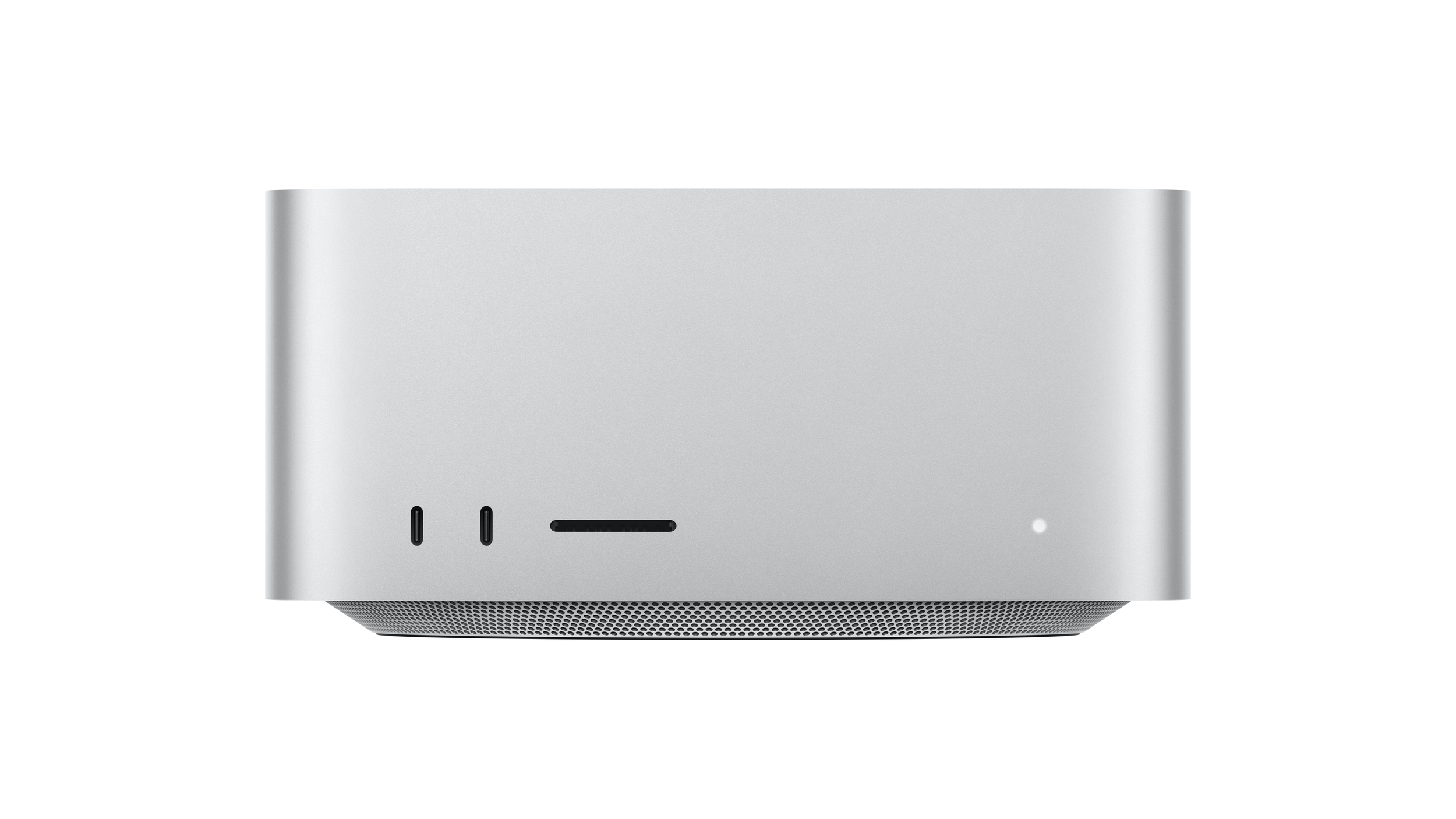
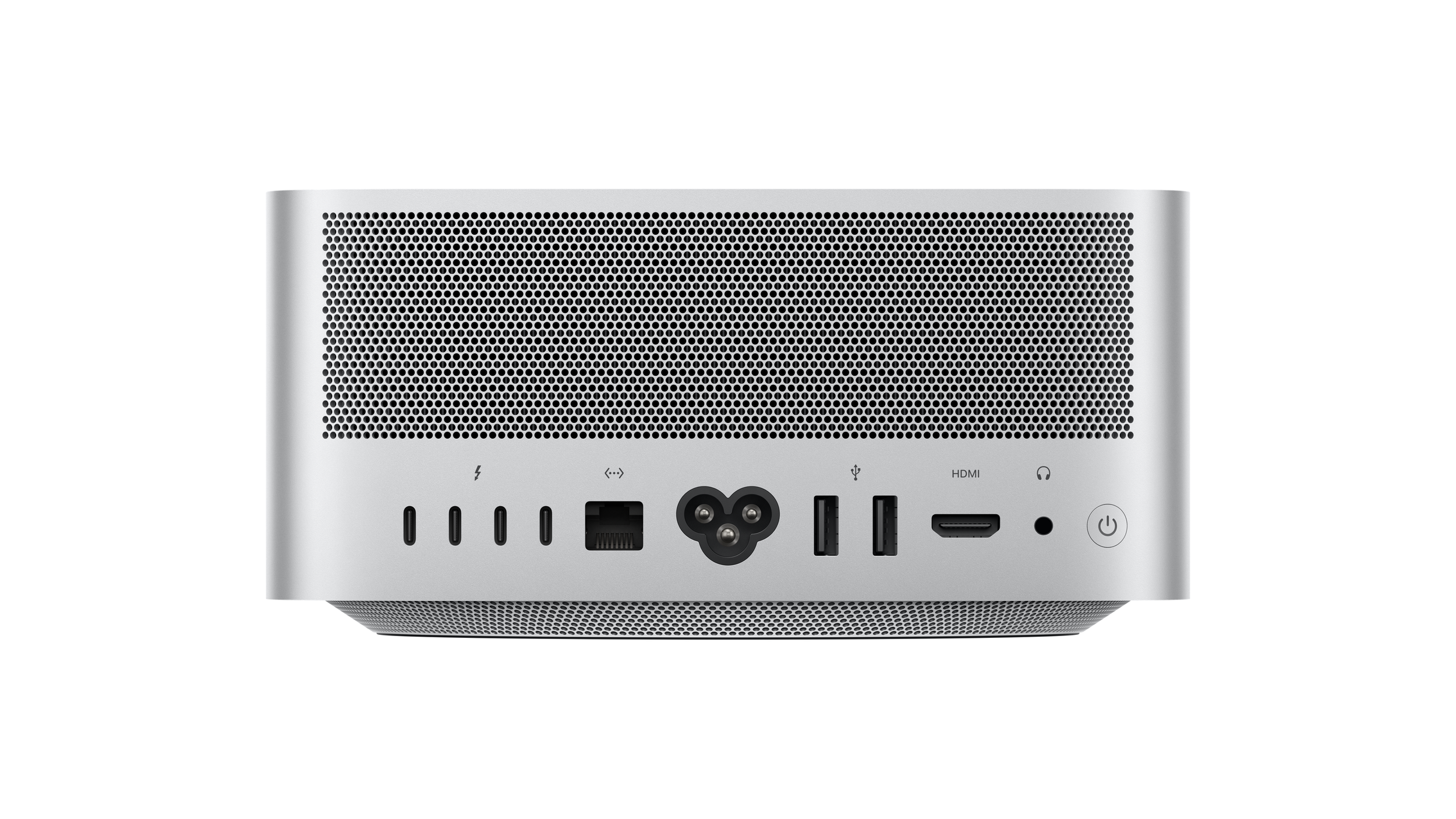
Apple’s “Max” chips are huge; the M5 Max couldn’t fit on a single die; it uses Apple’s Fusion Architecture to essentially staple two M5 Pro chips together. (Yes, this dramatically oversimplifies the engineering, but that is what it looks like.) That means it has basically two of everything on an M5. Twice the memory bandwidth, twice the GPU count, and more. Apple has offered an M5 Max on the MacBook Pro – I’m writing this report on one – but it was not available on Apple’s workhorse Mac Studio desktop, “just” an M4 Max or an M3 Ultra. Apple is now making the M5 Max the base configuration starting at $2500 (and going way, way up from there depending on memory and storage options). Apple pointed out that you can cluster up to six Mac Studios together with four providing the best performance-per-dollar with approximately 3x the performance of just a single unit.
The Apple Silicon “Ultra” tier was always too big for a single piece of silicon, but to make an Ultra version of the two-die M5 Max, Apple needed to create a quad-die architecture, or “next generation UltraFusion.” As a result, the Apple M5 Ultra is Apple’s most powerful chip ever and its technical marketing contains serious performance gains even over the most-recent M3 Ultra: 3.3x faster machine learning training, 4x faster LLM prompt processing, 4.3x text-to-image performance. Of course, it’s even more dramatic compared to the older M1 Ultra, with Apple claiming it is 15x faster overall. Headline tech specs for this silicon beast include an 80-core GPU now with neural accelerators, 50% higher bandwidth memory (1.2TB/s) and up to 512GB of it. The base Mac Studio M5 Ultra starts at $5500. The top-end memory configuration will be useful for running cloud-size LLMs on device, and it’s delayed until late October. Apple did not specify the price, but my guess would be as much as $15,000 - $23,000 depending on SSD size chosen.
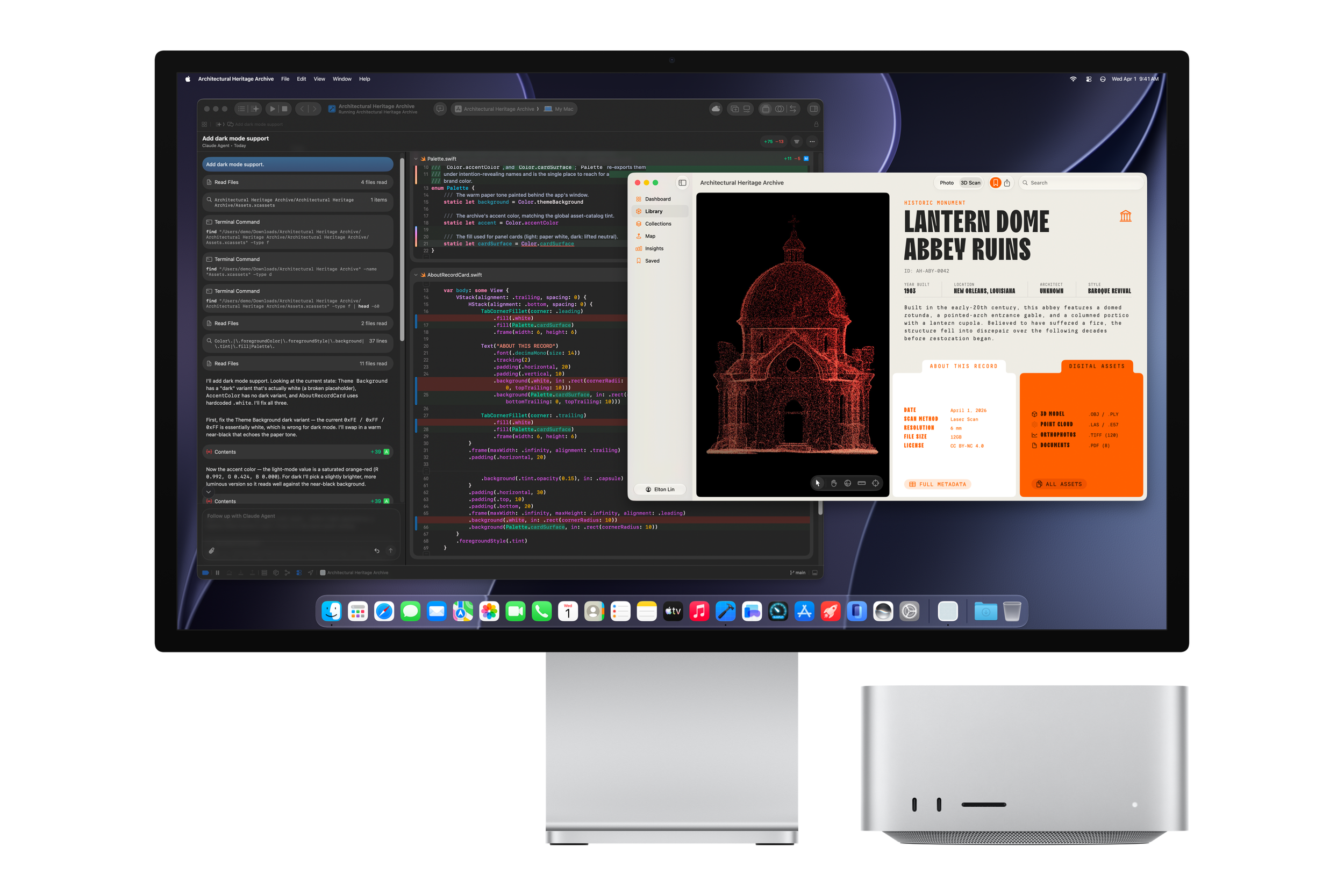
The Mac Studio is a legitimate professional AI workstation, though in the less maximalist configurations it can also be useful for more traditional computing tasks like video editing, animation, coding, and engineering. The M5 Ultra/higher memory configurations are clearly targeted at deep-pocketed enterprises looking to create, run, or distill their own models; for some of these buyers, the local vs cloud token bill ROI is obvious. If Apple can make them, they’ll sell.
For Techsponential clients, a report is a springboard to personalized discussions and strategic advice. To discuss the implications of this report on your business, product, or investment strategies, contact Techsponential at avi@techsponential.com.