
MWC 2026: Top Six Takeaways (Not All Of Them Are AI)
Like all tech events these days, MWC was about AI, but it differed in how it was about AI. I was a bit surprised that there wasn’t even more 6G or NTN news at the show, but MWC has become an AI infrastructure show, only one that is aimed a bit more at telecom operators than hyperscalers and enterprise. This report covers six highlights from the show that will impact the industry past the immediate news cycle.
RAAS (Repairability As A Strategy)
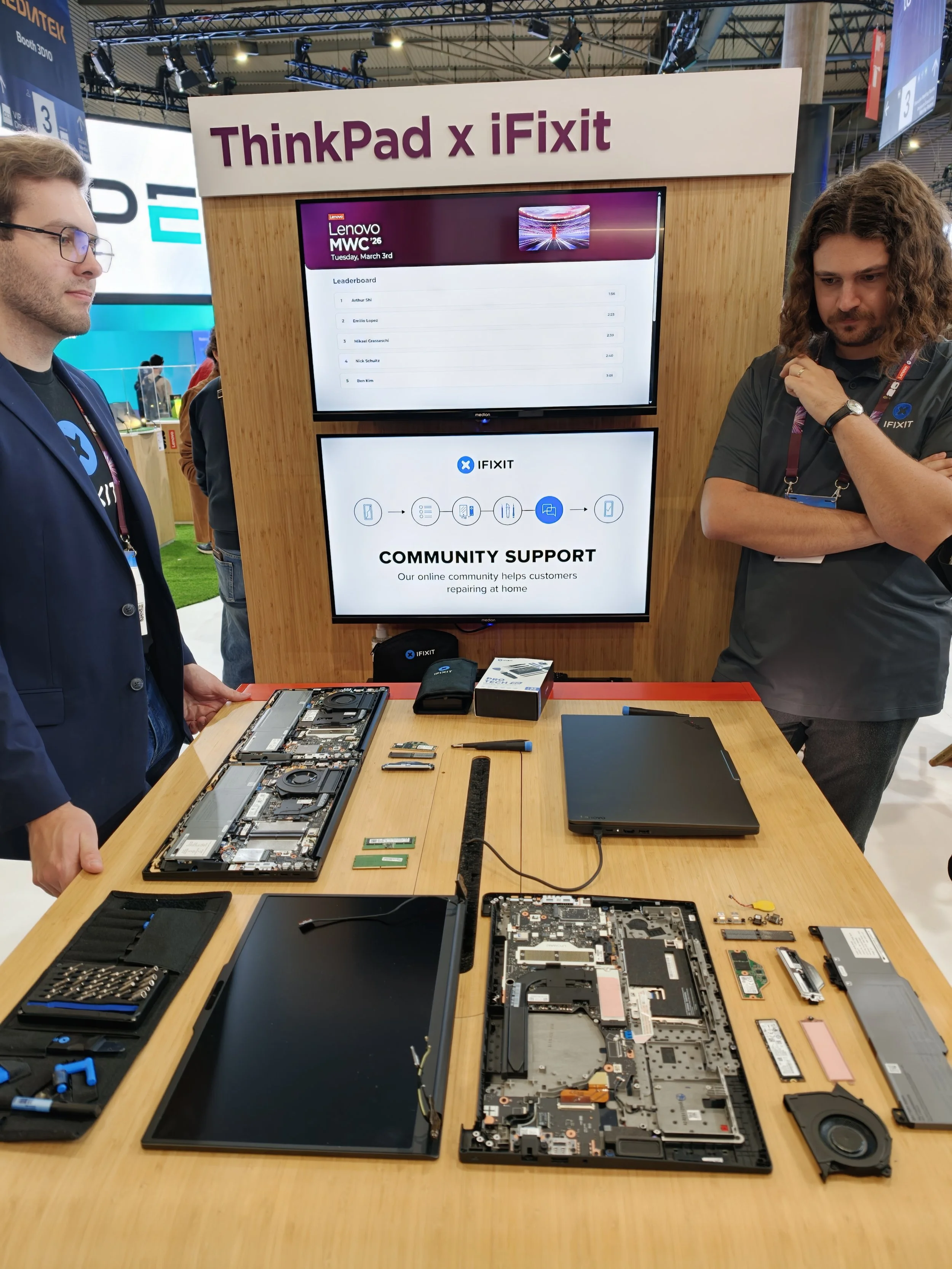
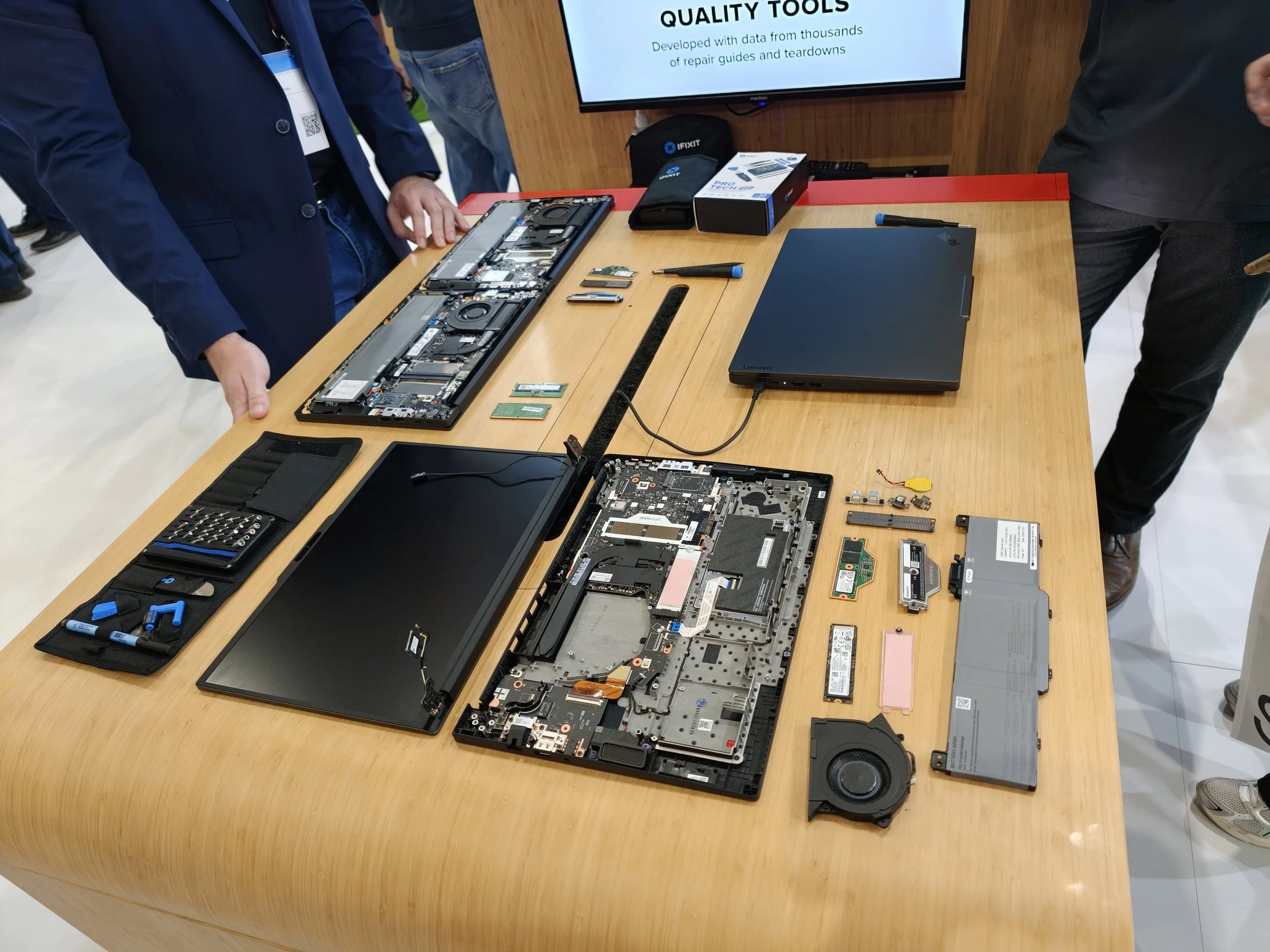
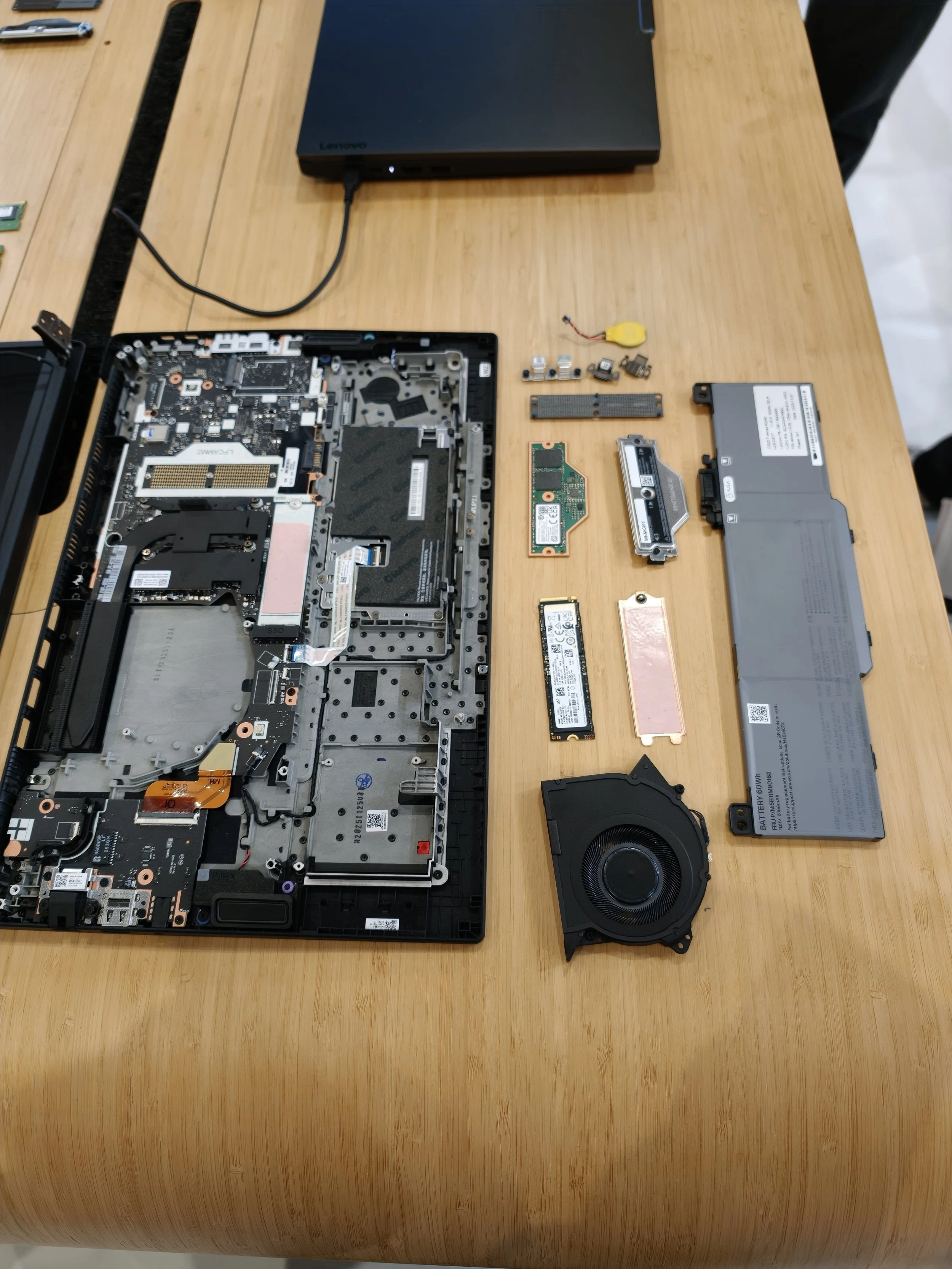
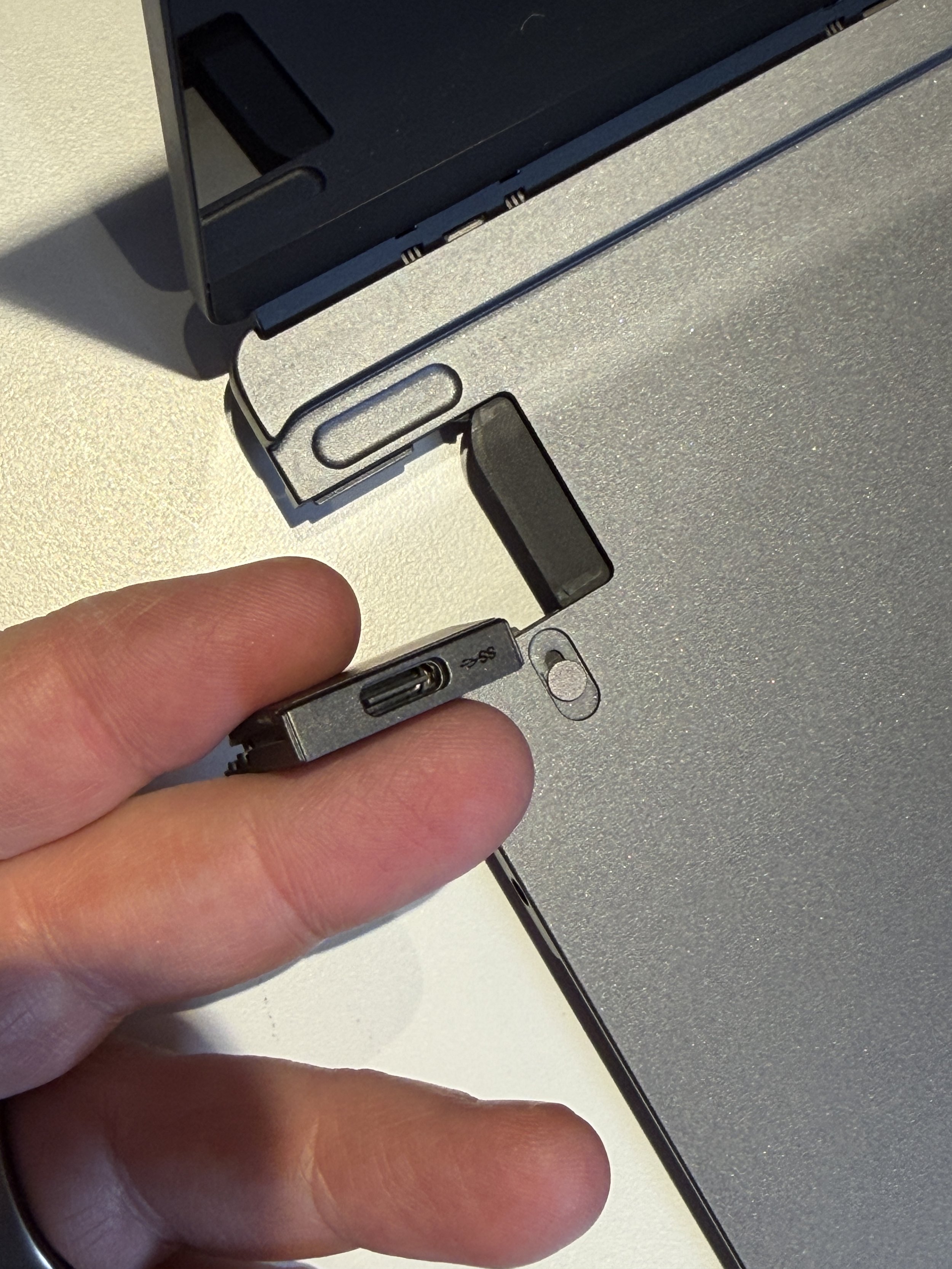
Let’s start with one that seemingly has nothing to do with AI – except that it does. Lenovo got a lot of attention at MWC for its concept designs and Motorola’s foldables (see below), but its most impressive and impactful launch was a redesign of its boring, corporate-issue ThinkPad T series laptops. This is one of the best-selling laptop lines in the world, and of course the ThinkPad T14 and T14s 7th Gen got updated silicon, with a choice of Intel, AMD, or Qualcomm. However, in an age of skyrocketing RAM and rising storage prices, Lenovo’s focus on repairability sets the new models apart. iFixit gave the new ThinkPad T14 a perfect 10/10 score for repairability. Every part of the laptop can be swapped in minutes with just a screwdriver, including the battery, keyboard, and ports. The ability to easily repair rather than replace laptops gives IT departments flexibility to lean into profiling their users and investing strategically, upgrading heavy AI developers with ThinkPad P series loaded up with RAM, while keeping ThinkPad T series laptops in circulation longer for basic knowledge workers. The ThinkPad T series also helps companies hit their sustainability goals without compromising on design or performance.
Wearable AI Is Coming. We Are Not Ready.
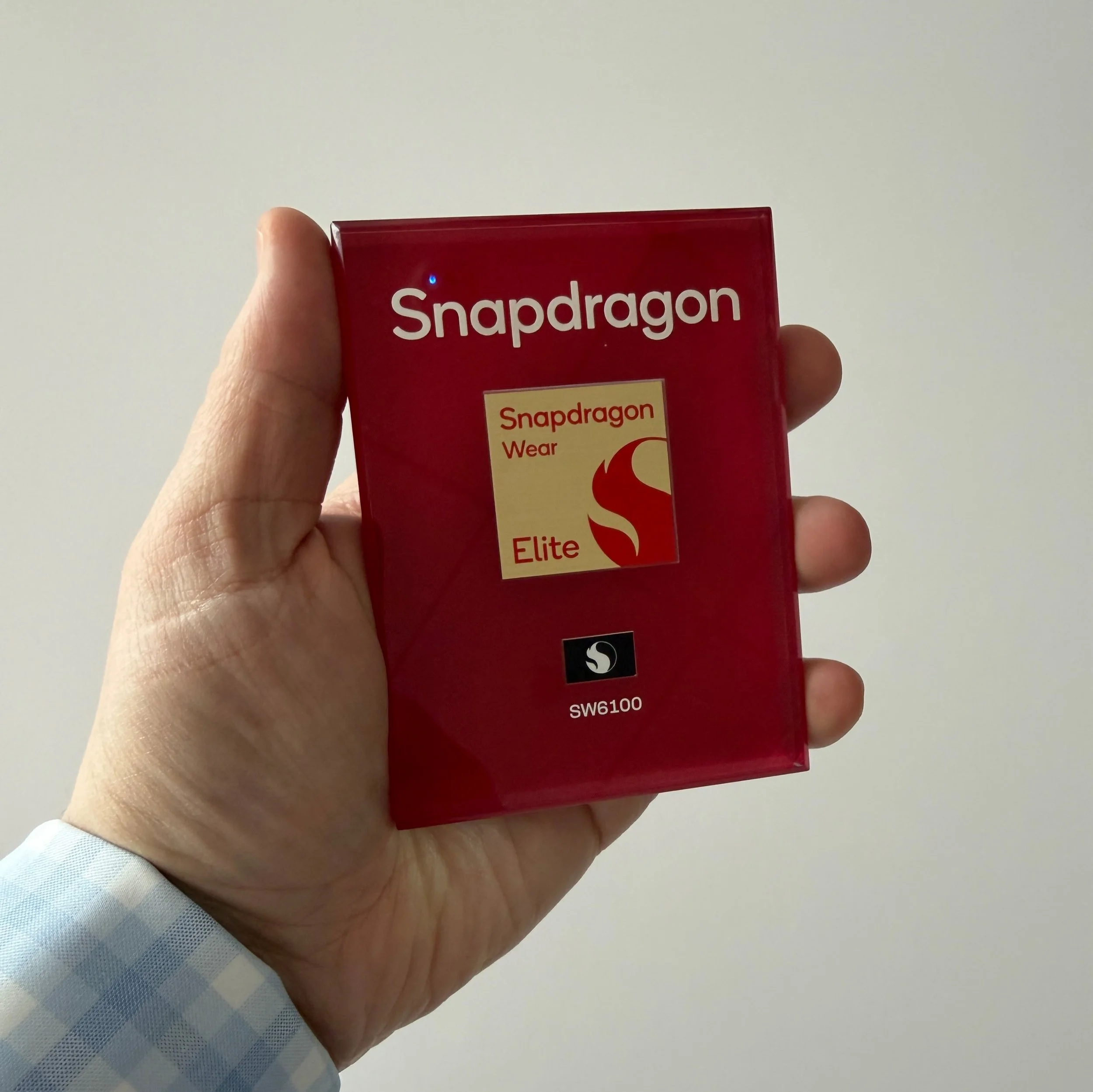
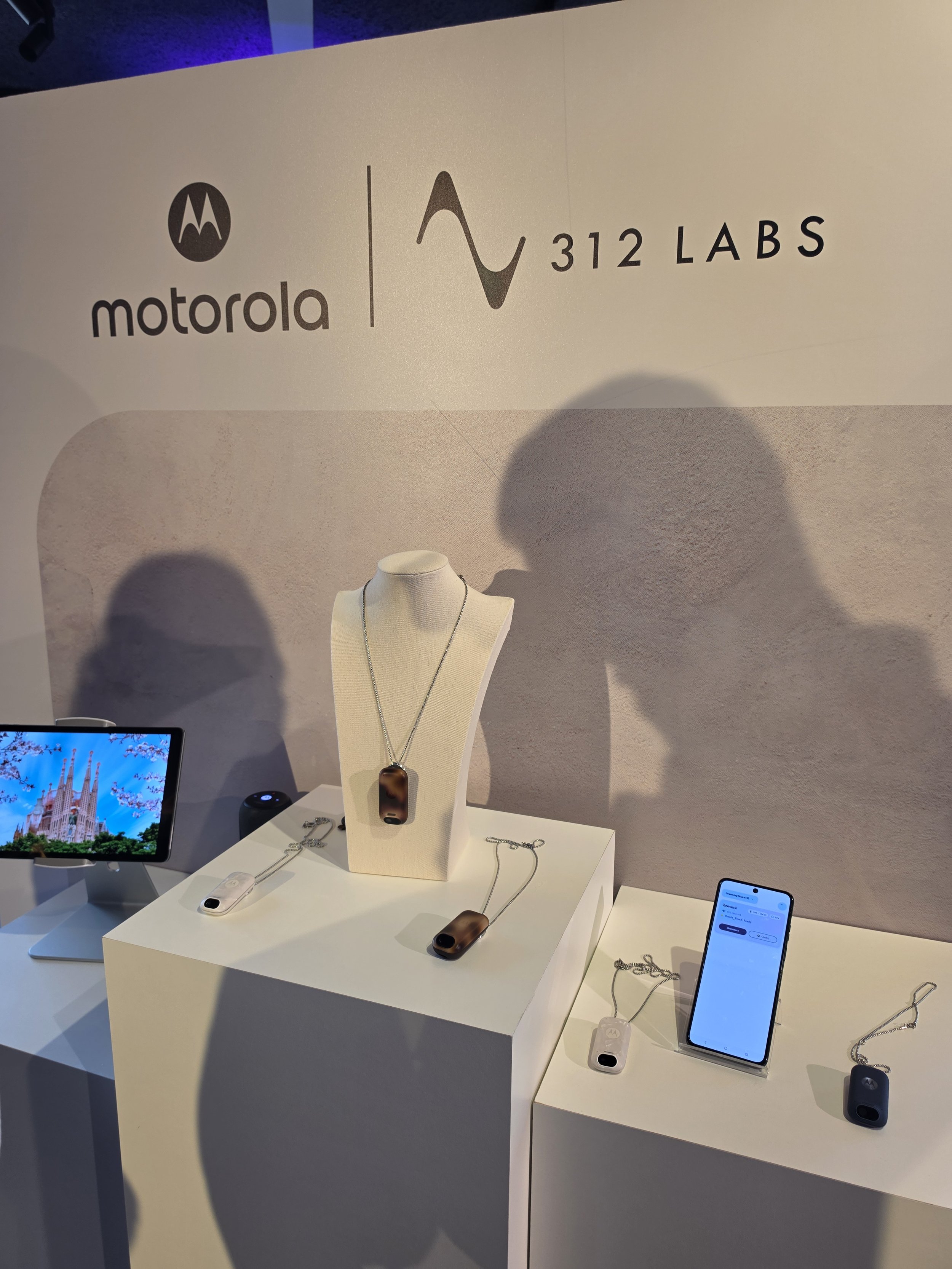
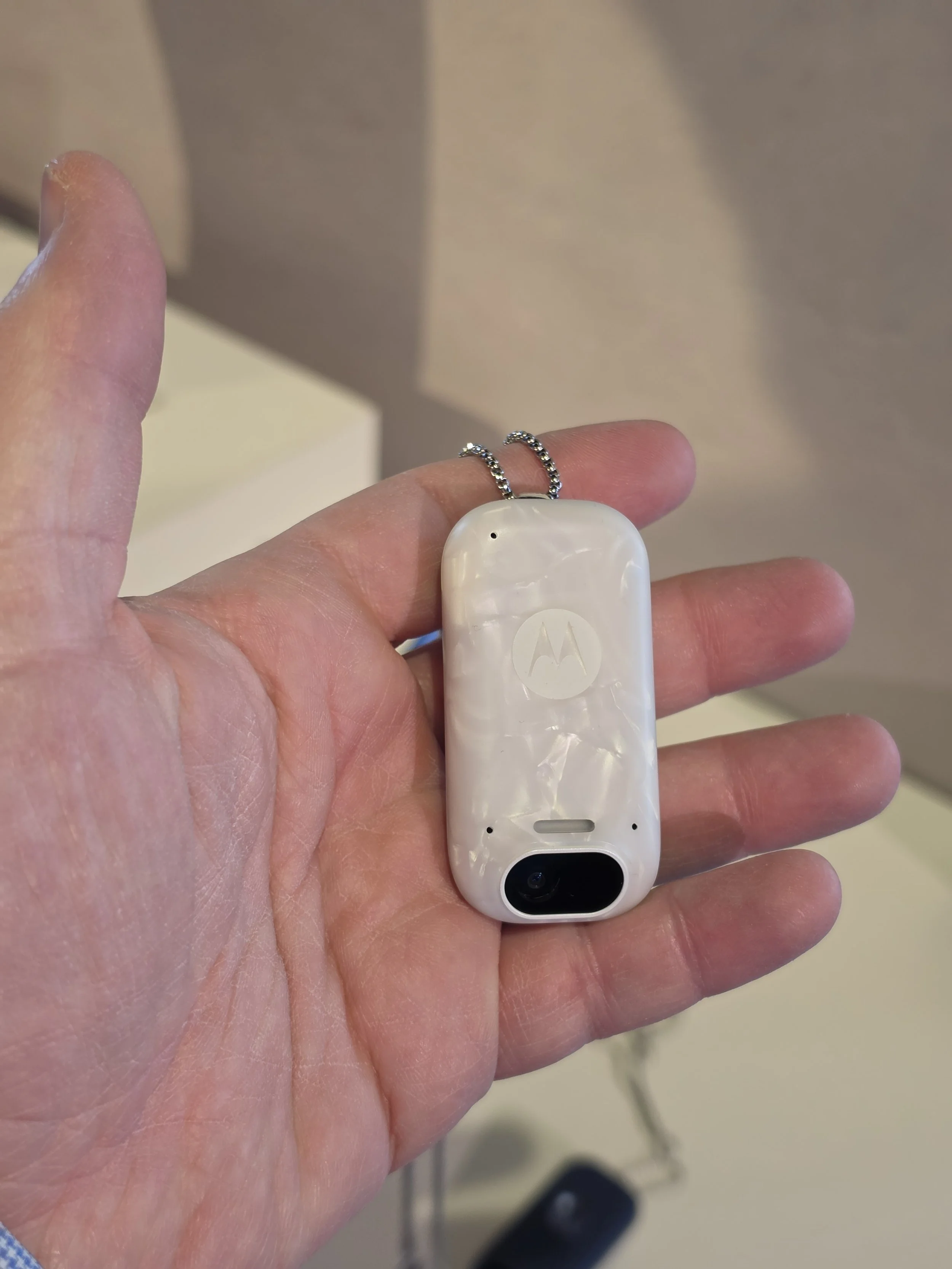
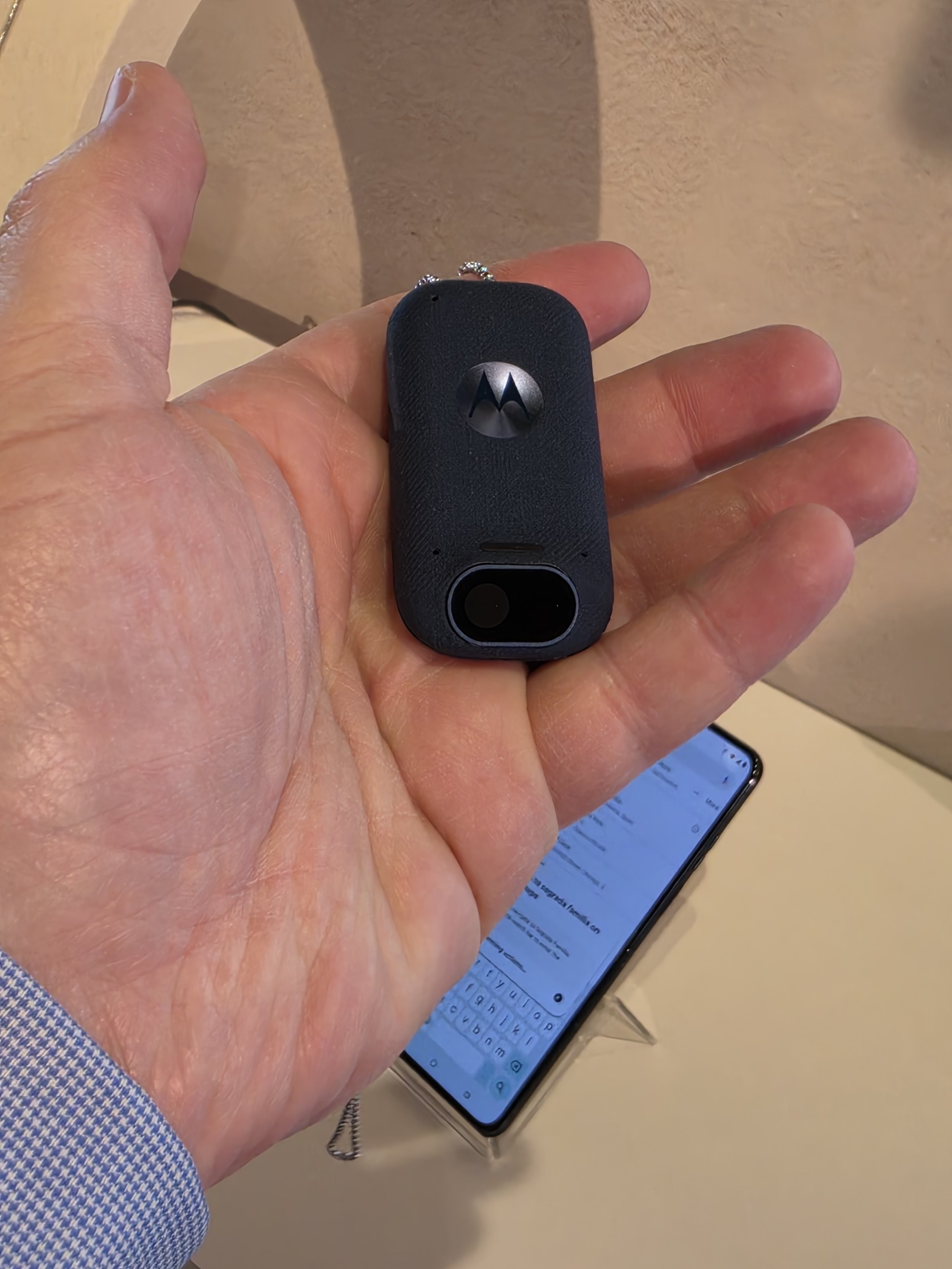
At MWC, Qualcomm applied the Snapdragon Elite brand to a new SoC for wearables expected to power pendants, pins, watches, and other form factors for AI-driven experiences. The silicon seems well considered, but wearable AI will require changes in software, use cases, and social norms that haven’t been addressed. I have suggestions in my report.
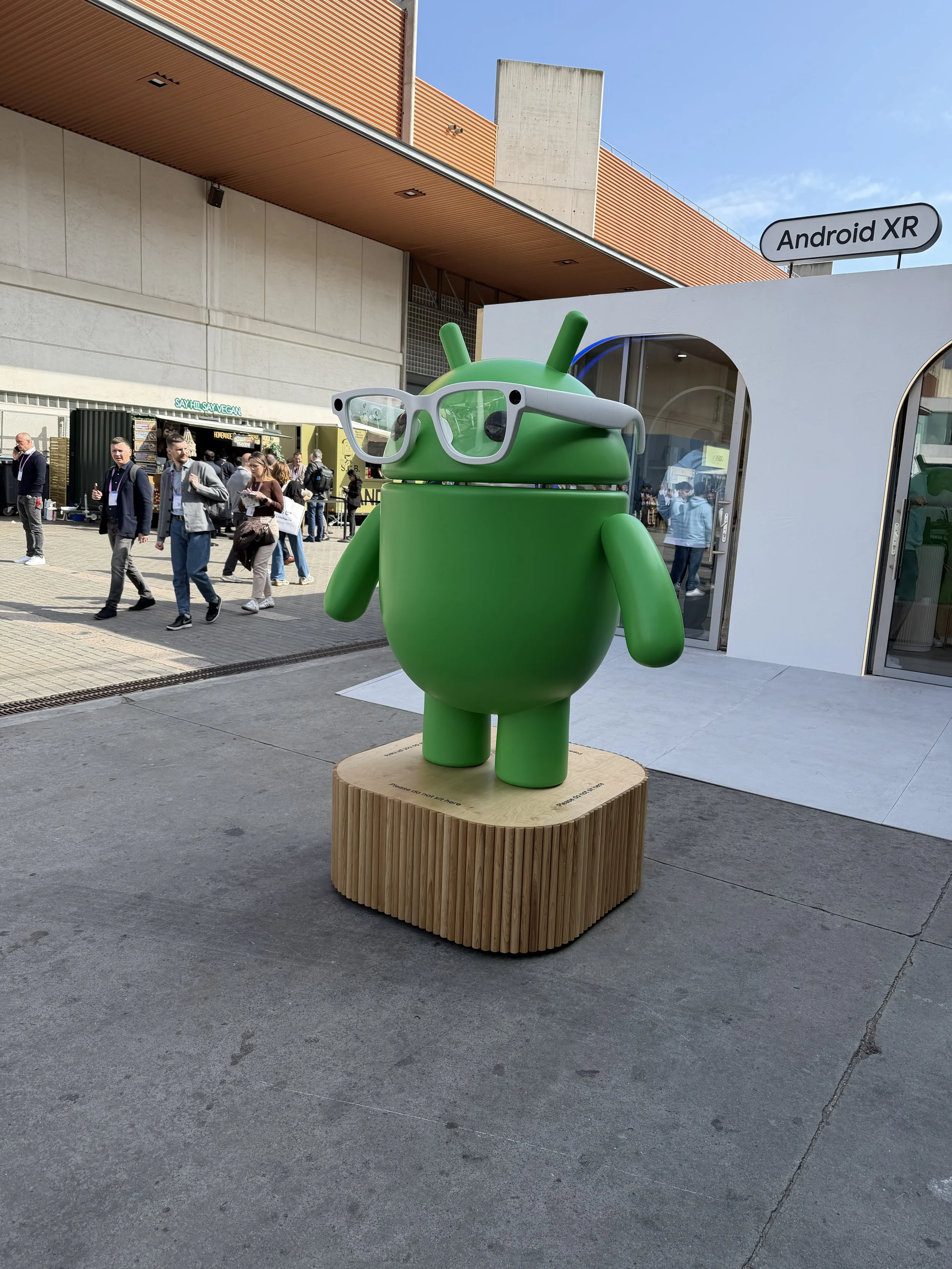
Some of these devices are potentially creepy, but others are undeniably compelling. In the latter category, Google demonstrated upcoming Android XR Glasses to the public for the first time. I missed my press/analyst window on the first day at the show, so I stood in line for a full hour to get a demo on day three. This was a prototype that doesn’t reflect the final design, so they wouldn’t let me take any photos of the demo*. The glasses have a single, full-color display in a legitimately lightweight frame. The prototypes took prescription clip-on lenses that will not be on production versions (though prescriptions should be supported). I found them comfortable. The display was bright enough to overcome late afternoon sunlight streaming through the glass demo shed we were in. The field of view was limited but was definitely wider than the Meta Ray-Ban Display and felt more like I could use it while looking forward rather than off to the side.
Android XR’s capabilities are not unique, but the implementation is. You can ask AI to identify objects with the camera, do live translation, join video calls, and display directions. However, the Android XR uses the best AI model for these types of tasks – Gemini – and works with best-of-breed apps – Google’s own apps and other Android apps that Gemini can control. Having Google Maps in your field of view for live walking or transit directions – complete with an arrow telling you which way is forward when you glance down – may be the killer app that sells people on the entire category. The user control scheme is limited to just voice and temple swipes; Google really needs something else for silent or more complex interactions. Options include the joystick ring used by Google’s North acquisition or licensing the neural bracelet technology from Wearable Devices to match Meta’s Neural Band on the Meta Ray-Ban Displays.
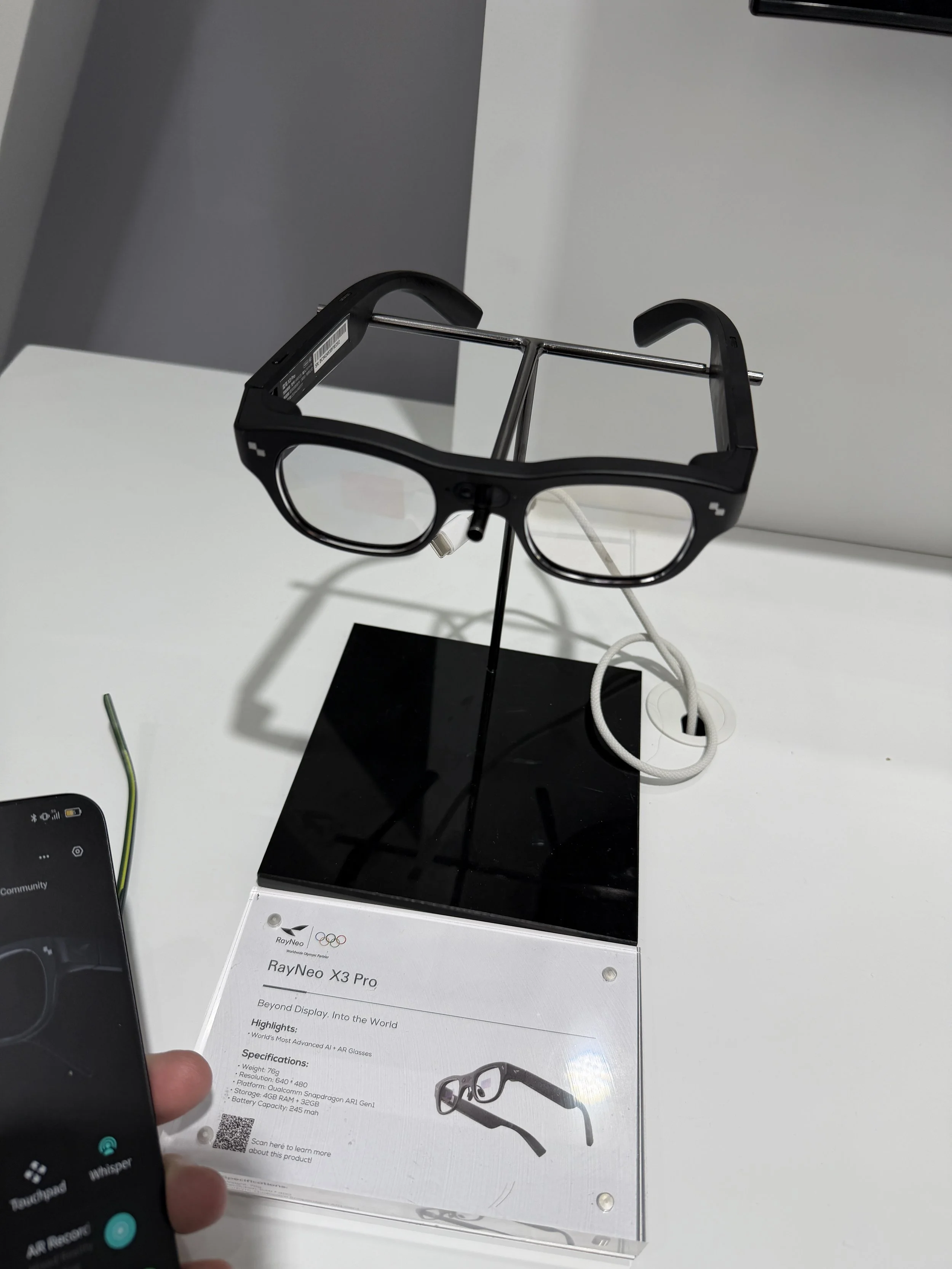
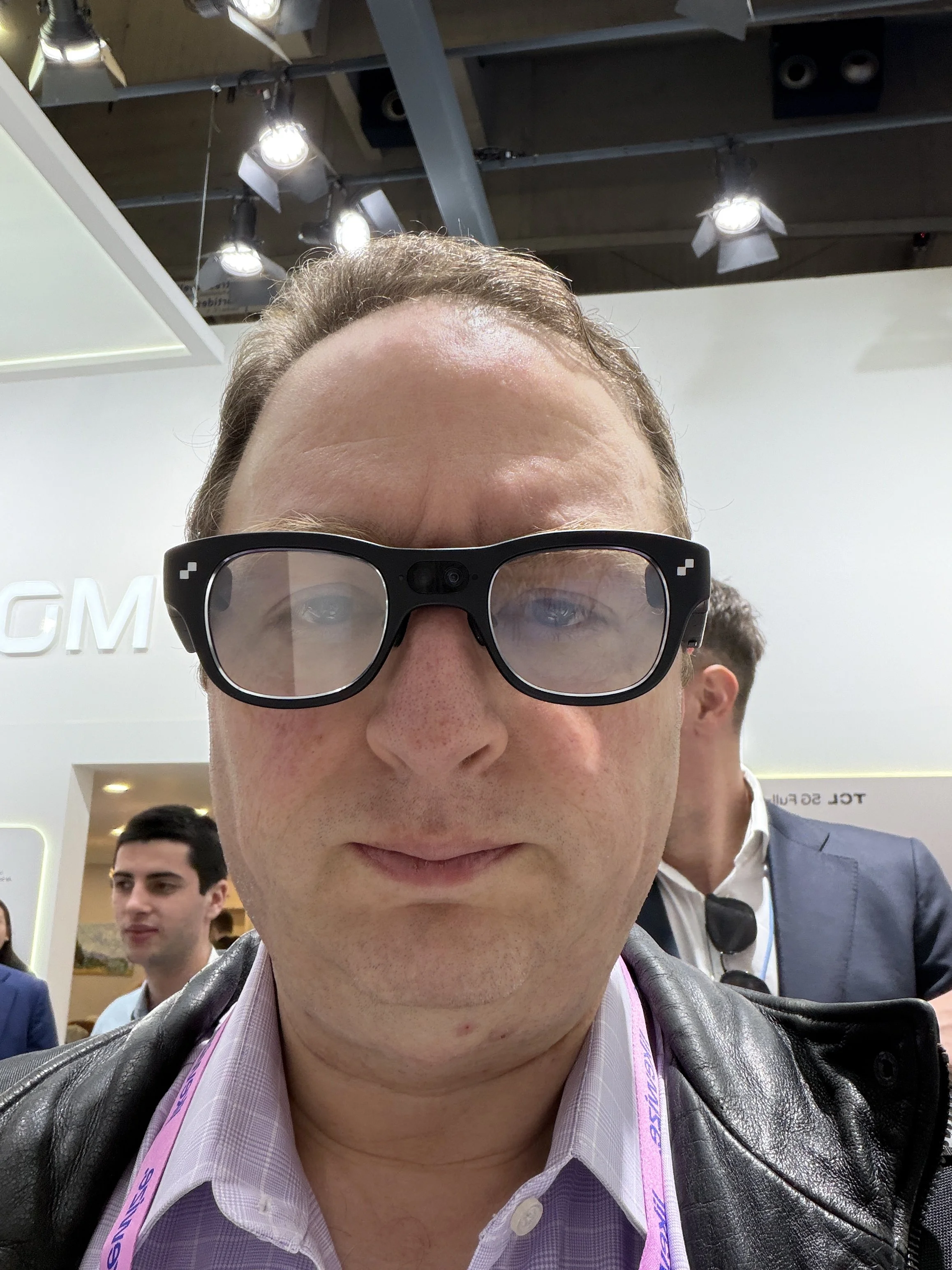
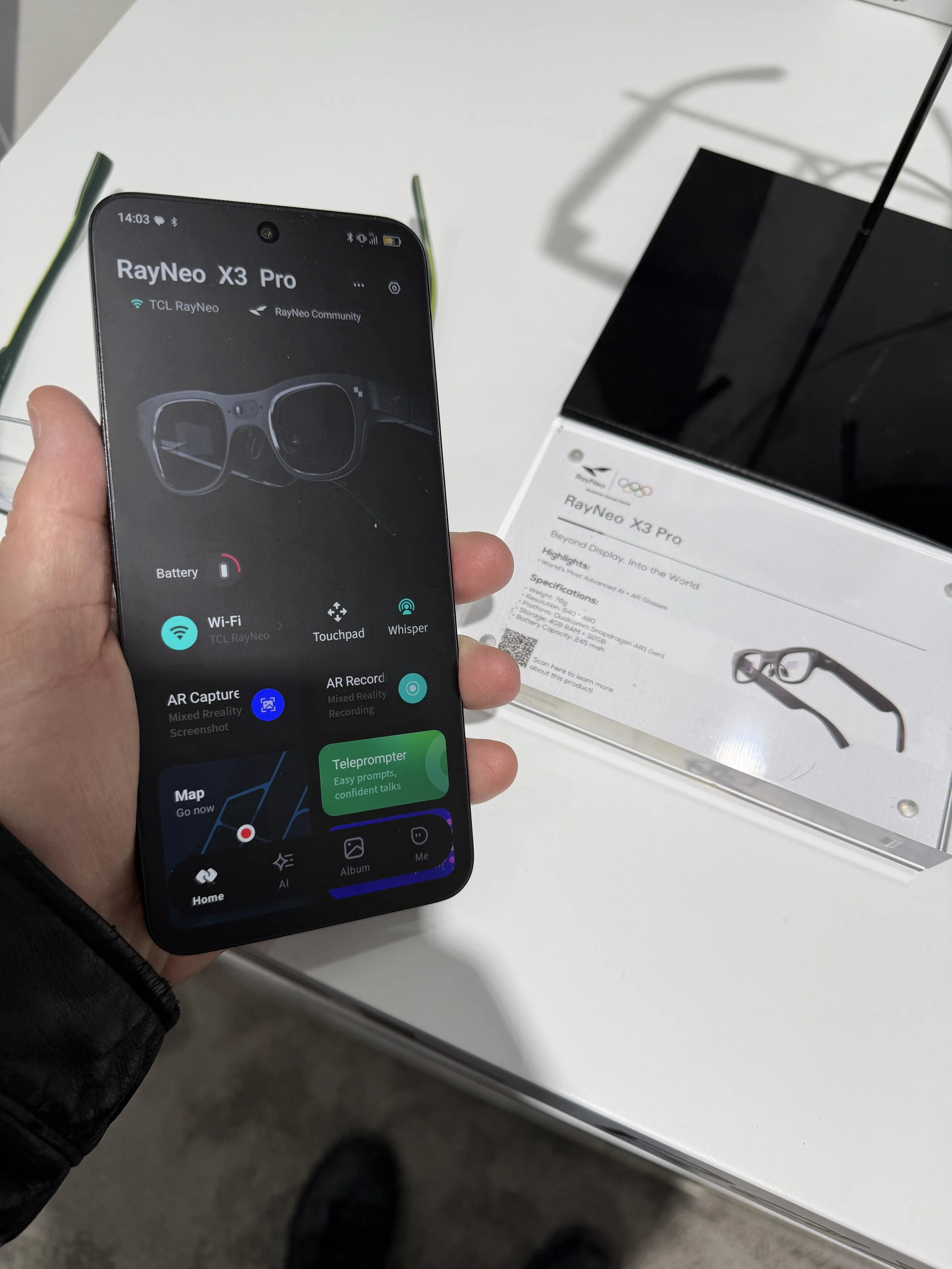
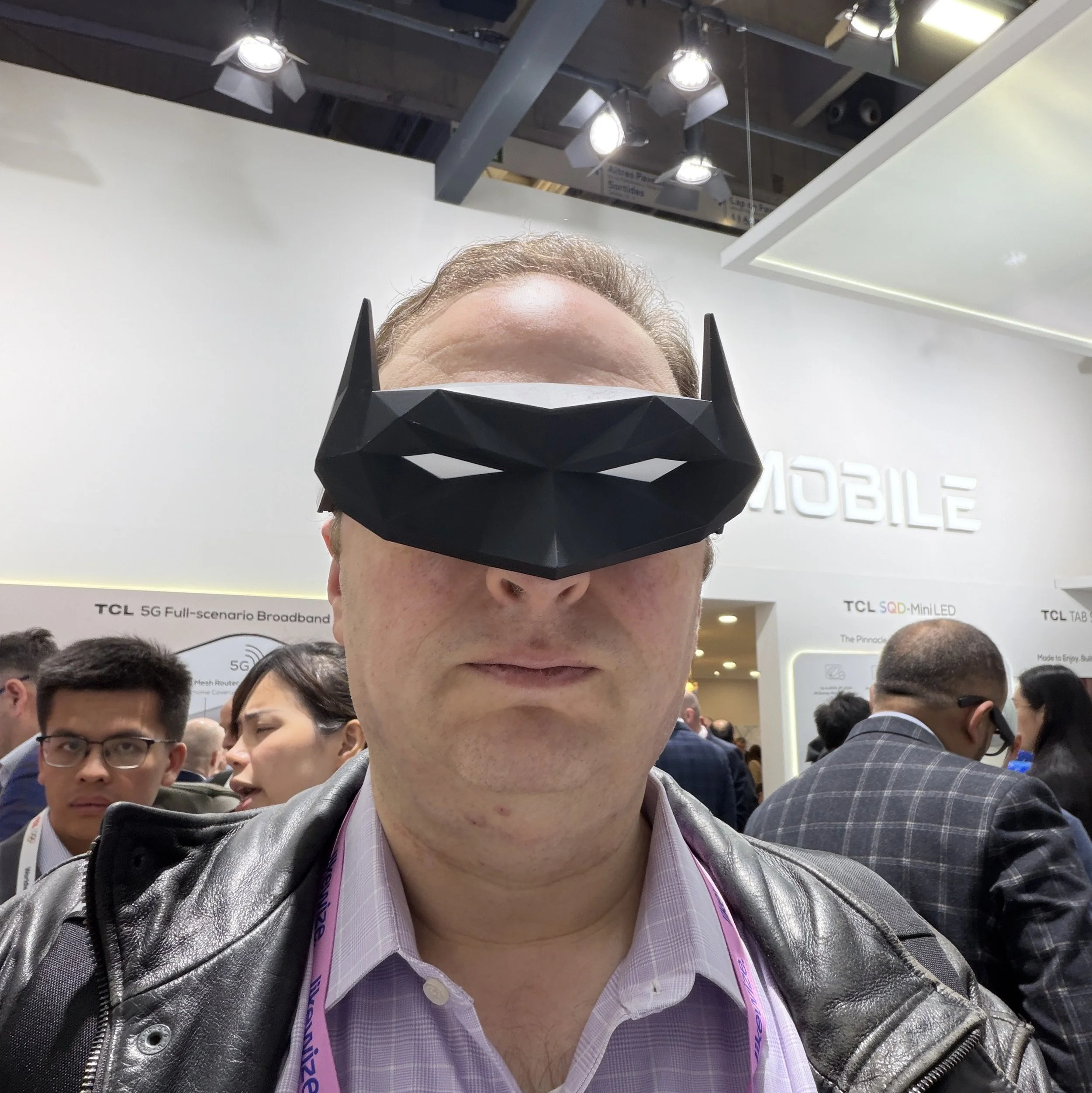
I also got a full demo of RayNeo’s X3 Pro smart glasses in parent brand TCL’s booth. I first tried RayNeo’s earliest hand-built prototypes at CES back in 2022 just after I had completed the first round of Covid vaccines. A lot of progress has been made in the last four years. The X3 Pro had the same basic set of apps as most display glasses, and getting software developers to target the platform is going to be a challenge. The hardware was impressive, with the glasses weighing just 76g with dual full-color MicroLED displays/waveguides. I have asked for a review unit.
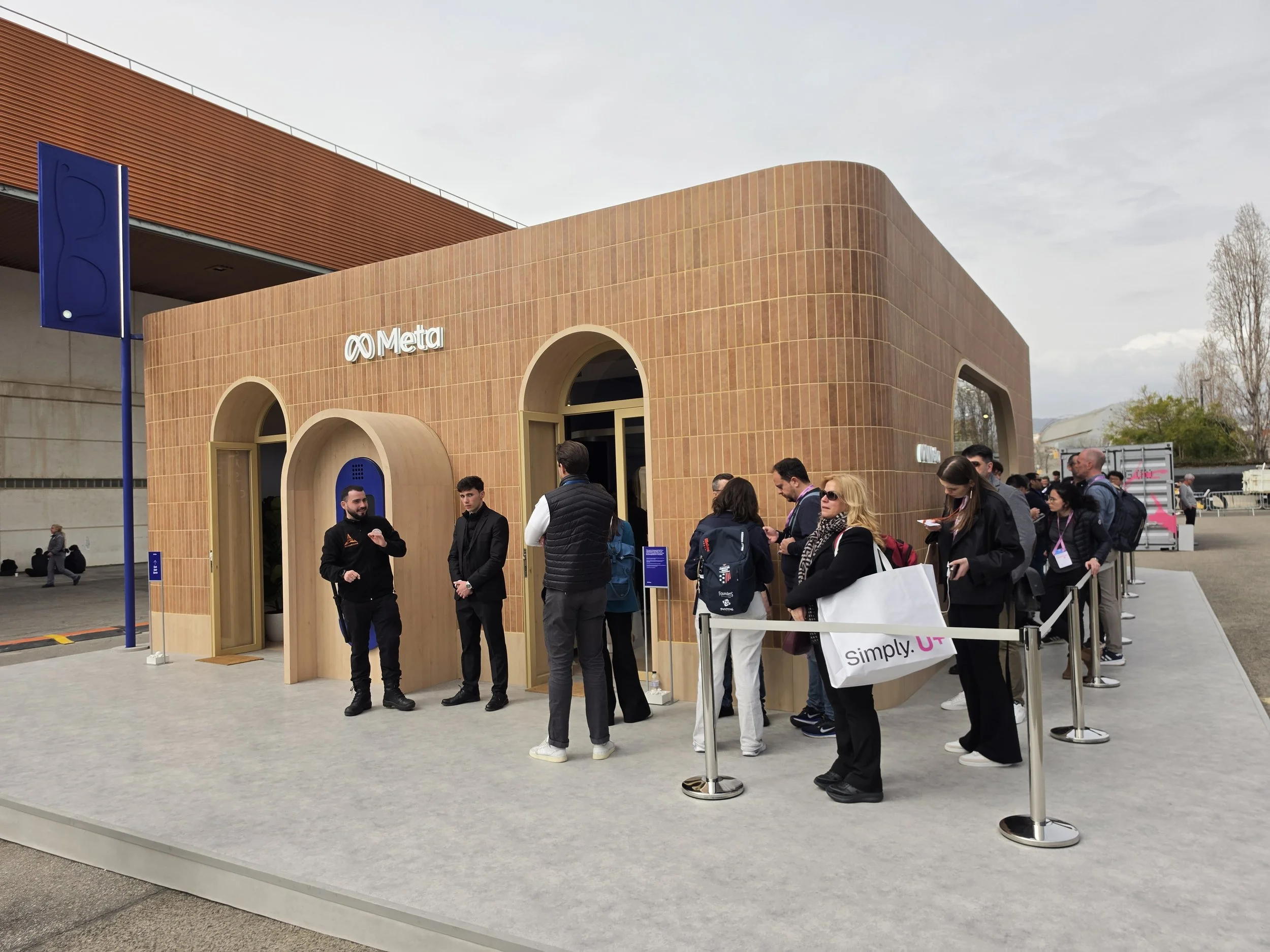
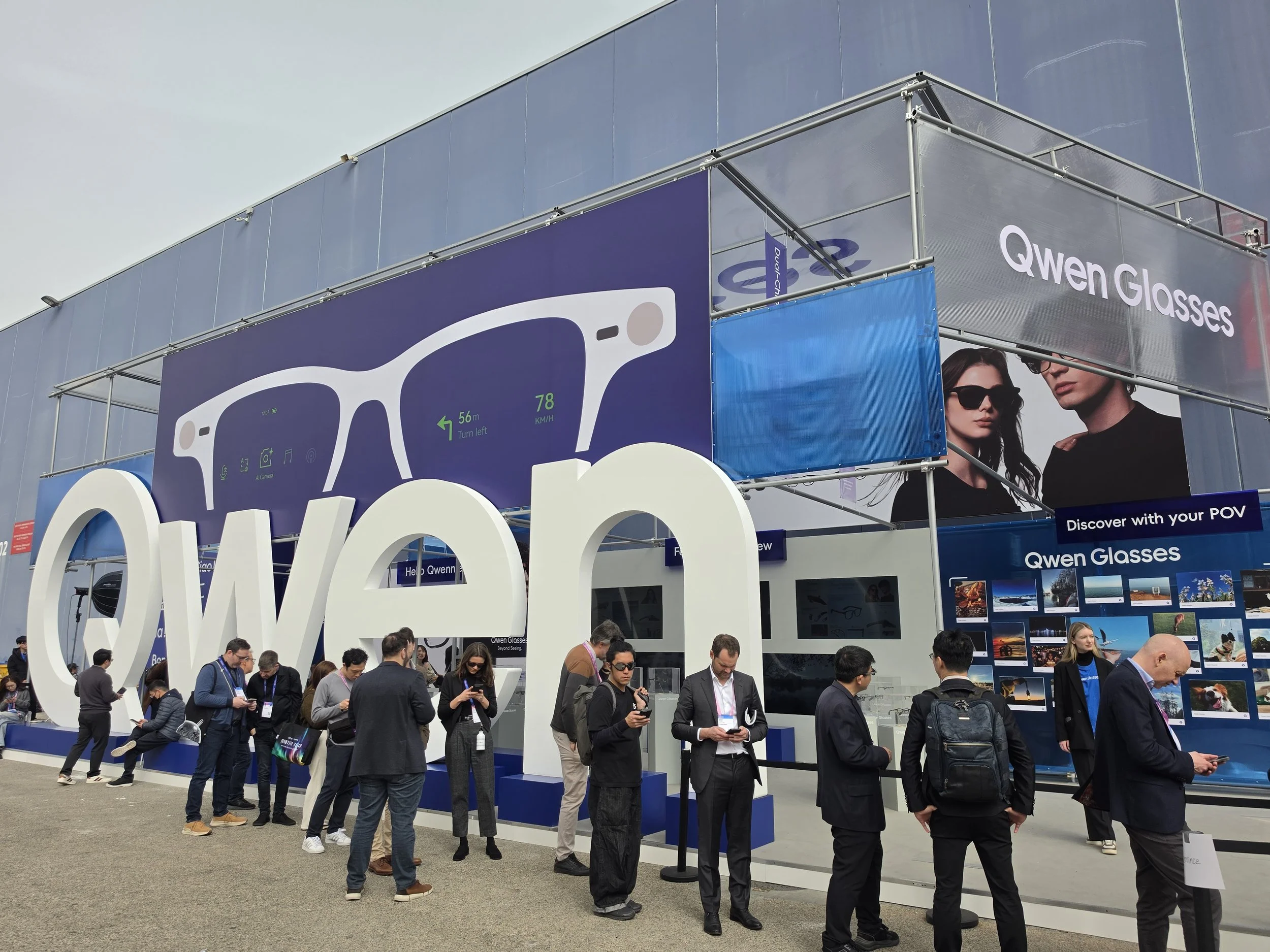
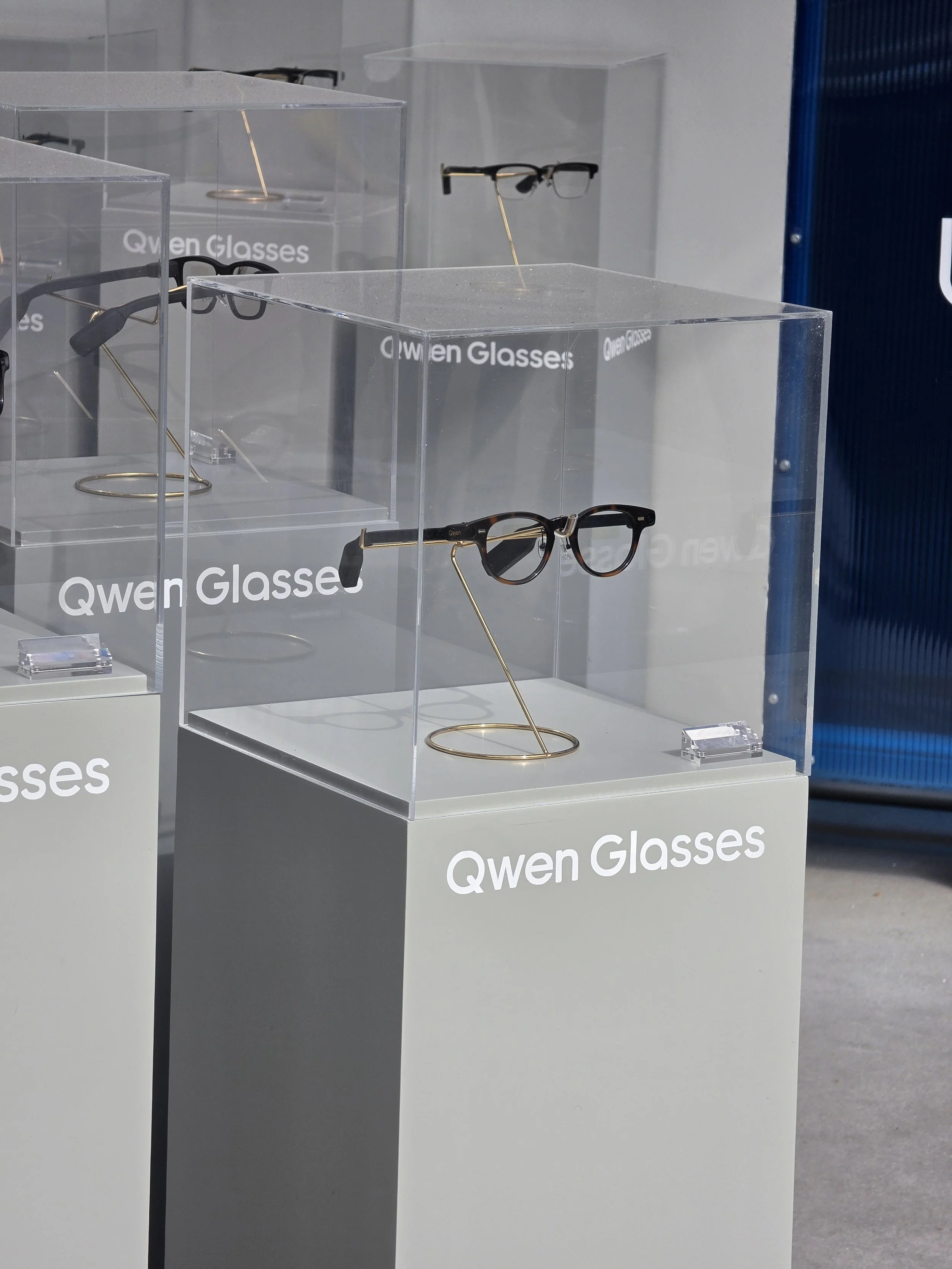
Elsewhere at the Fira, Meta and Alibaba had booths opposite each other demonstrating their competing smart glasses. Barcelona is the only place where the companies are competing directly; Meta has not been able to ramp up production of Meta Ray-Ban Display enough to start selling them outside the U.S., while Alibaba’s Qwen glasses are only available in China for now. Also China-only (or at least China-first) are upcoming OPPO XR glasses that run AI models on connected smartphones powered by MediaTek Dimensity 9500+.
Future Networks Are Being Optimized For Devices and AI
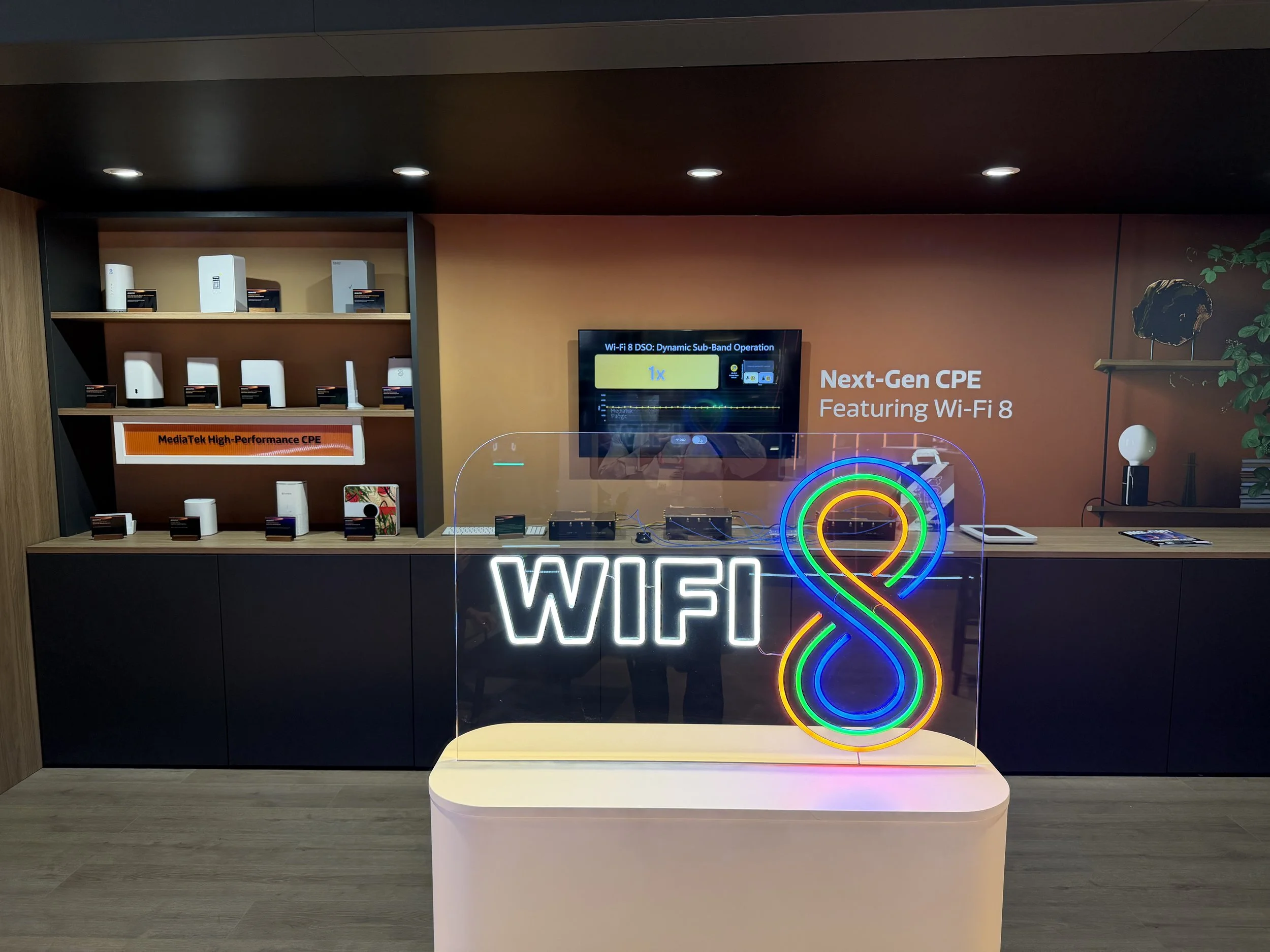
Wi-Fi 8 is getting closer (although the FCC won’t approve new routers in the U.S. unless OEMs set up domestic assembly or get an exemption). At CES, MediaTek showed off the first Wi-Fi 8 -ready chipsets, and at MWC, Qualcomm joined the party with demos of its own solutions. Wi-Fi 8 should deliver more stability in crowded RF environments, lower latency, and AI-enabled networking. Wi-Fi 8 -ready chips should start shipping towards the end of this year, with the standard ratified and rolled out in 2027 or 2028, and early devices getting software updates to the final version.
Standards groups are also starting to work on 6G. Nothing is locked down yet, but I talked to infrastructure vendors and carriers who said that the focus for 6G is shifting to uploads. The expectation is that there will be far more devices on the network uploading to the cloud to provide data points and context for AI engines. The network is going to be broader, as well, with expected integration of satellite (NTN) resources in addition to towers, pico cells, and mesh nodes.
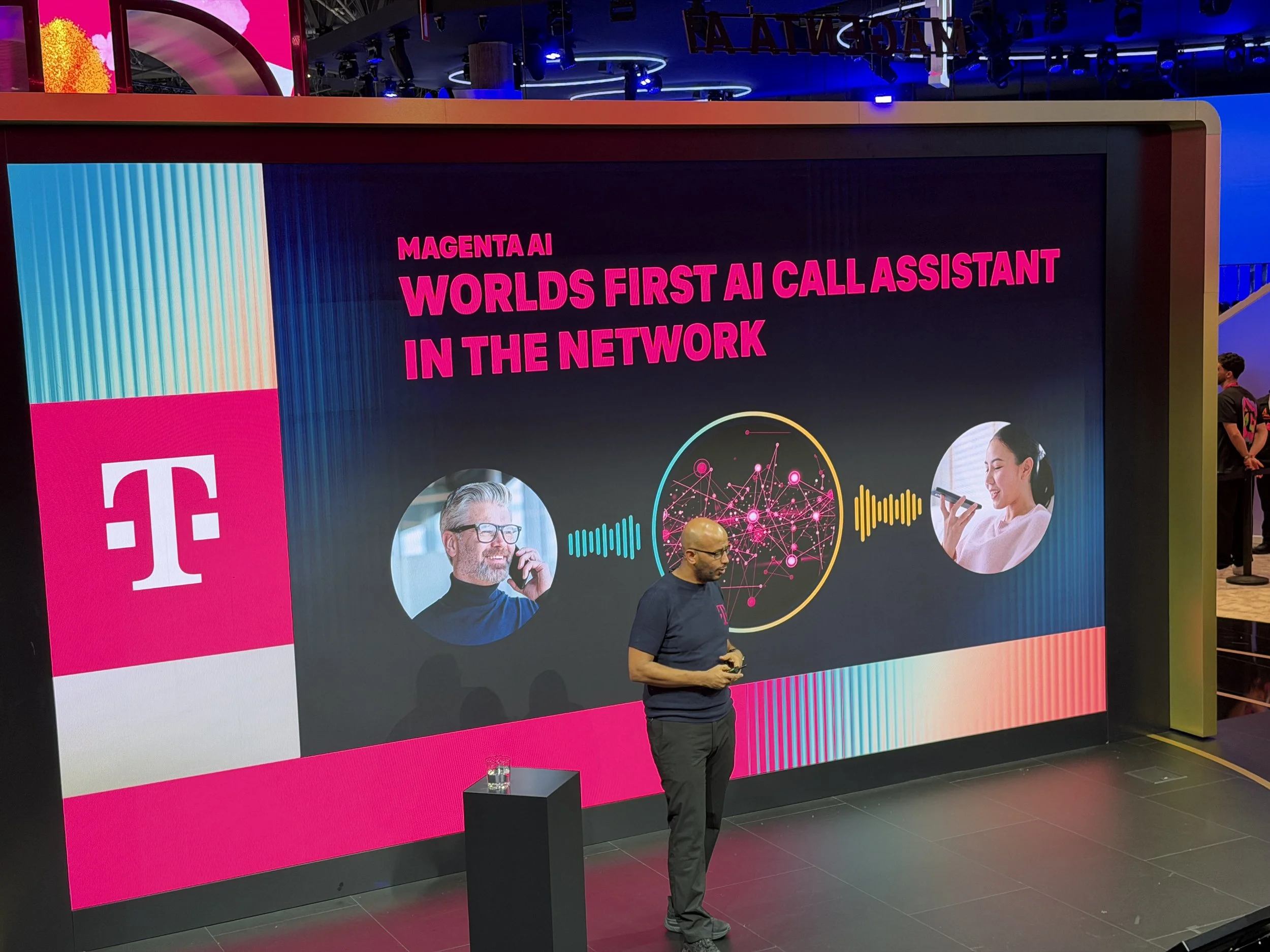
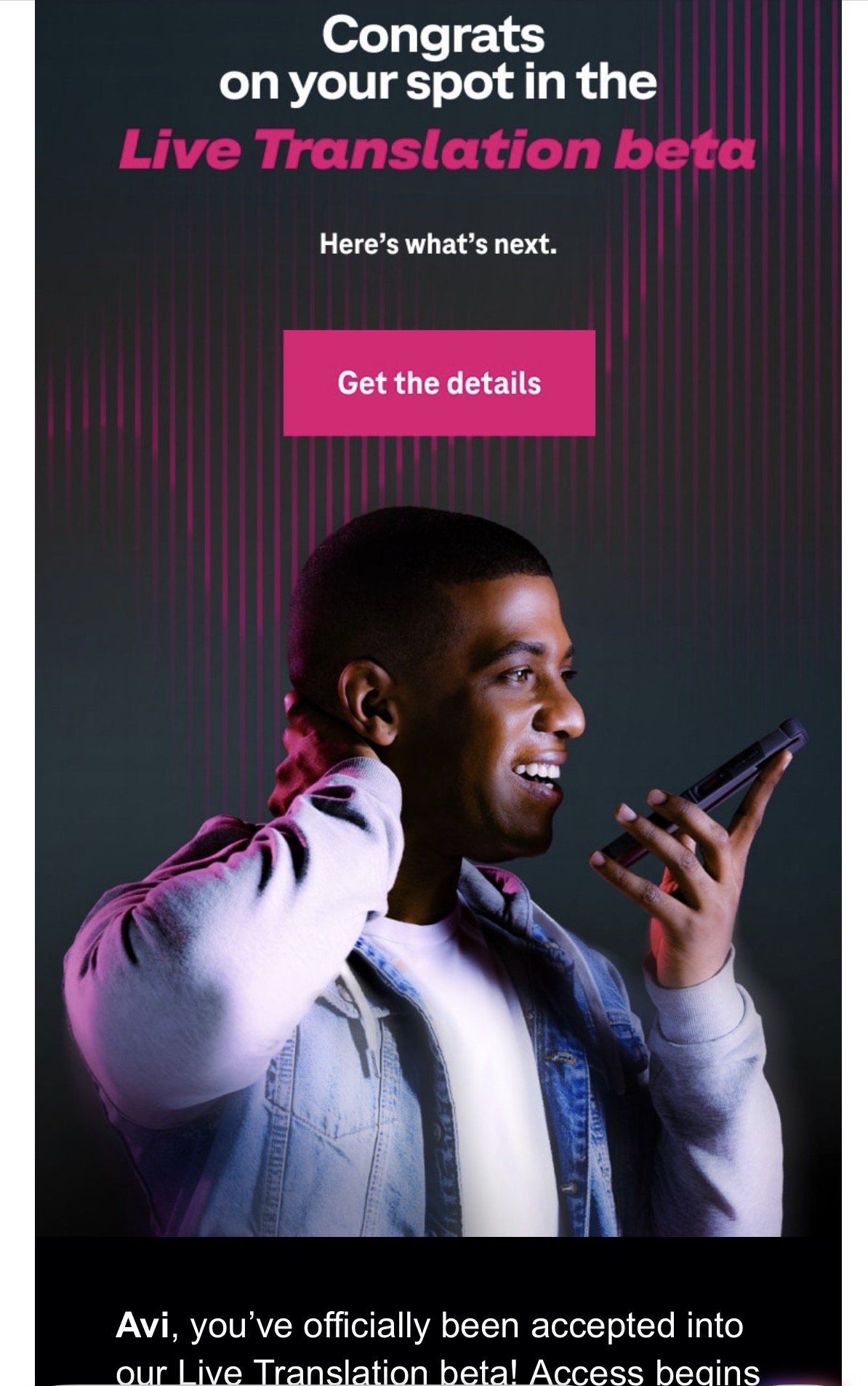
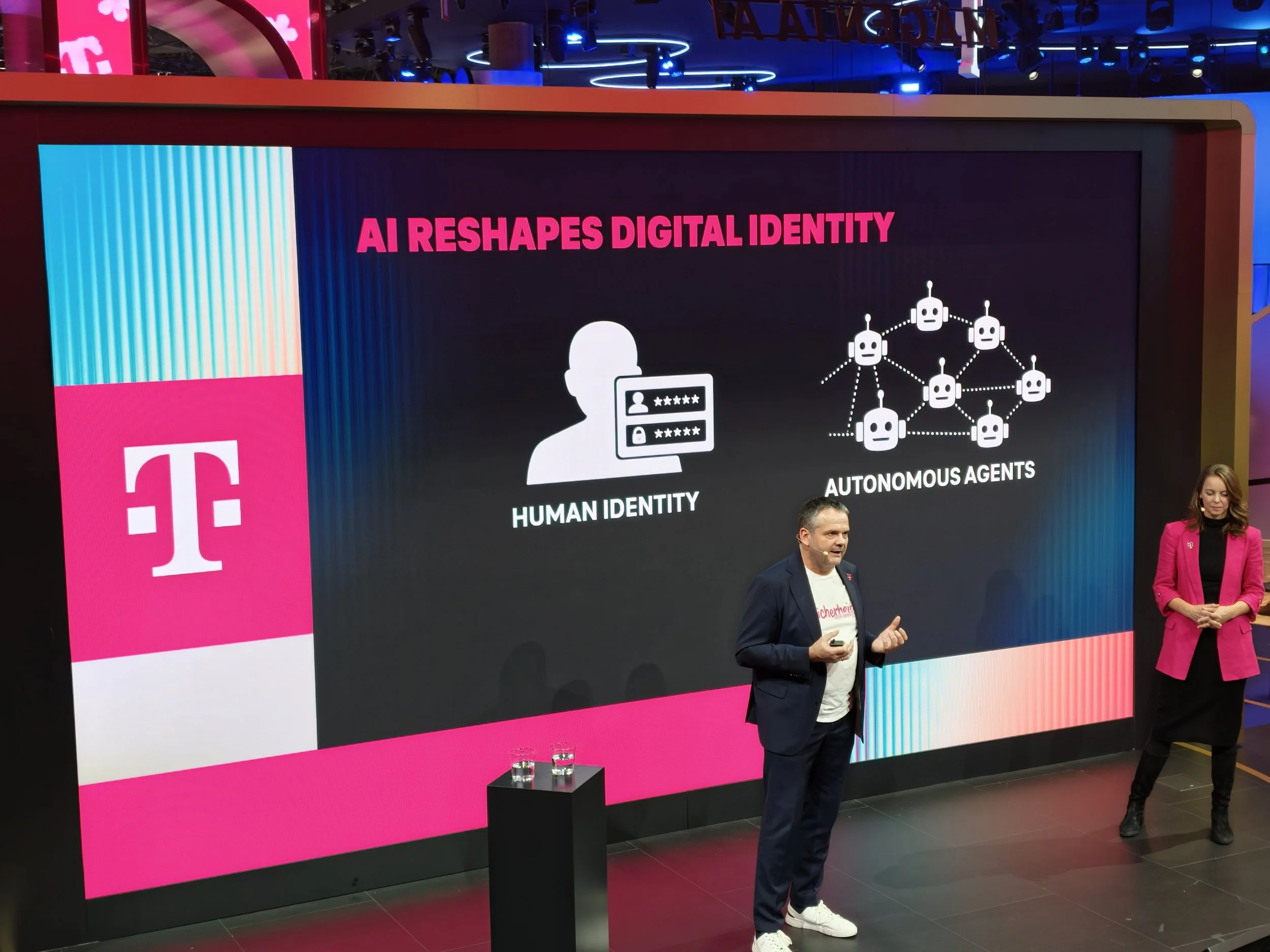
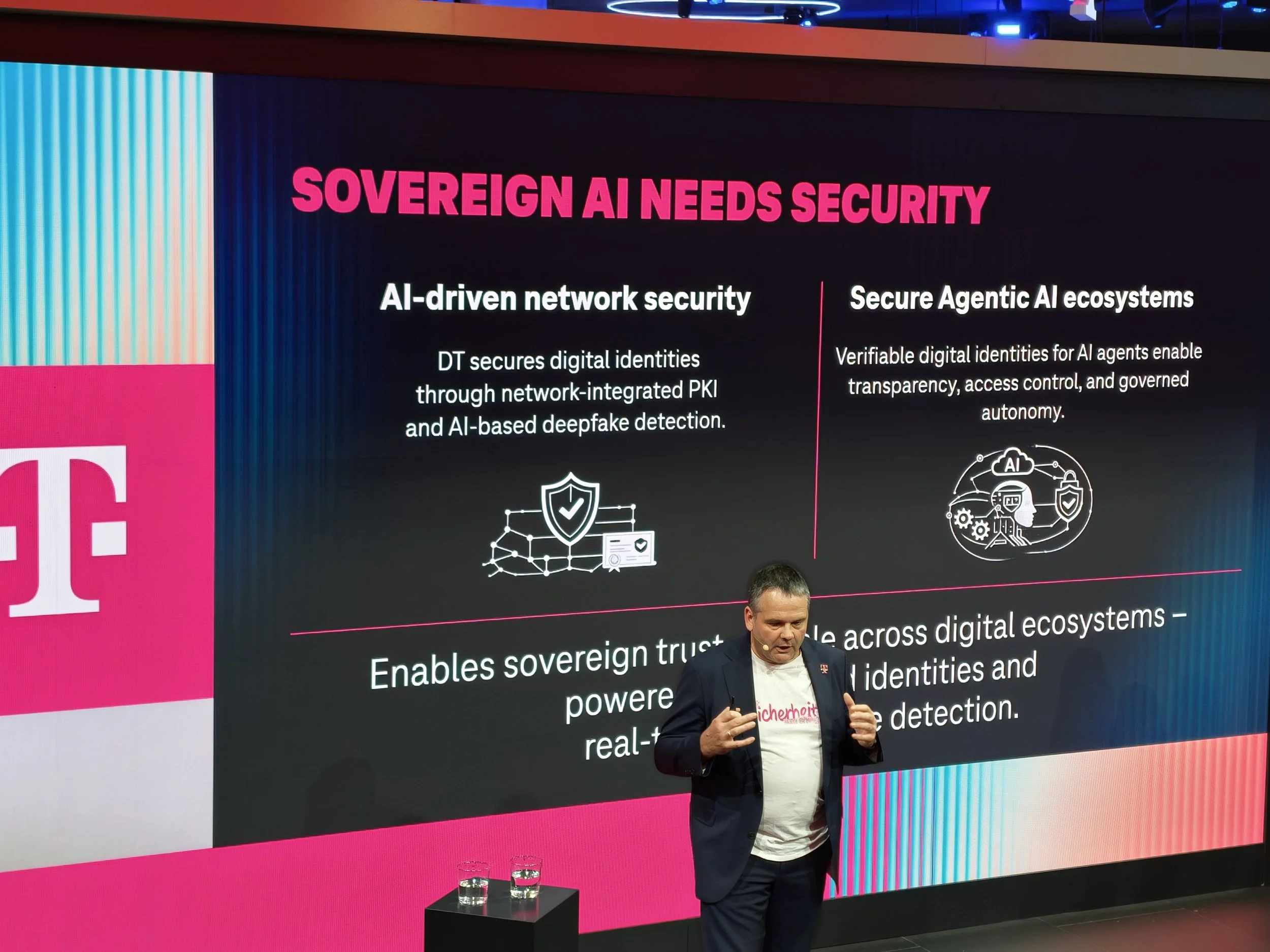
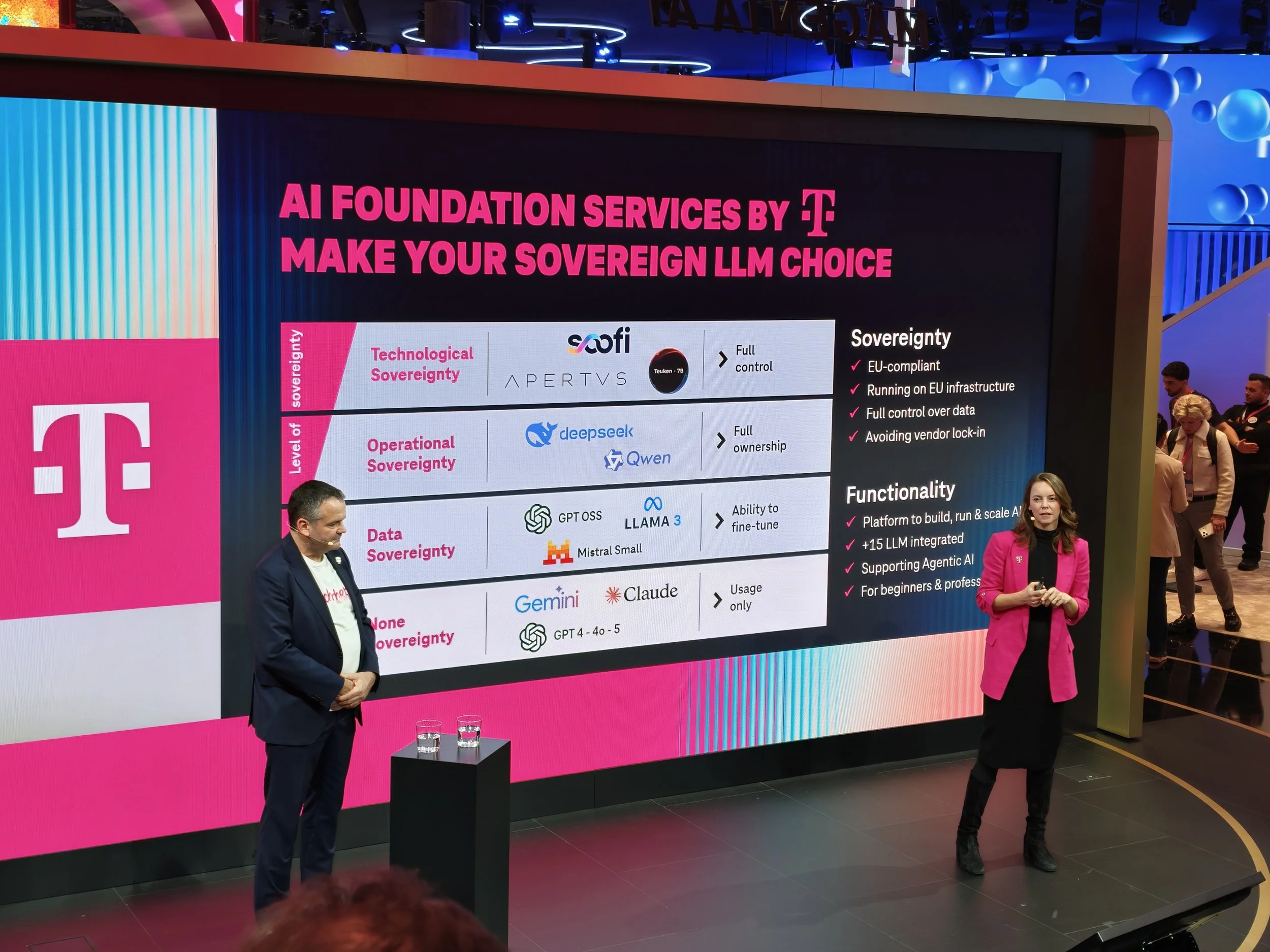
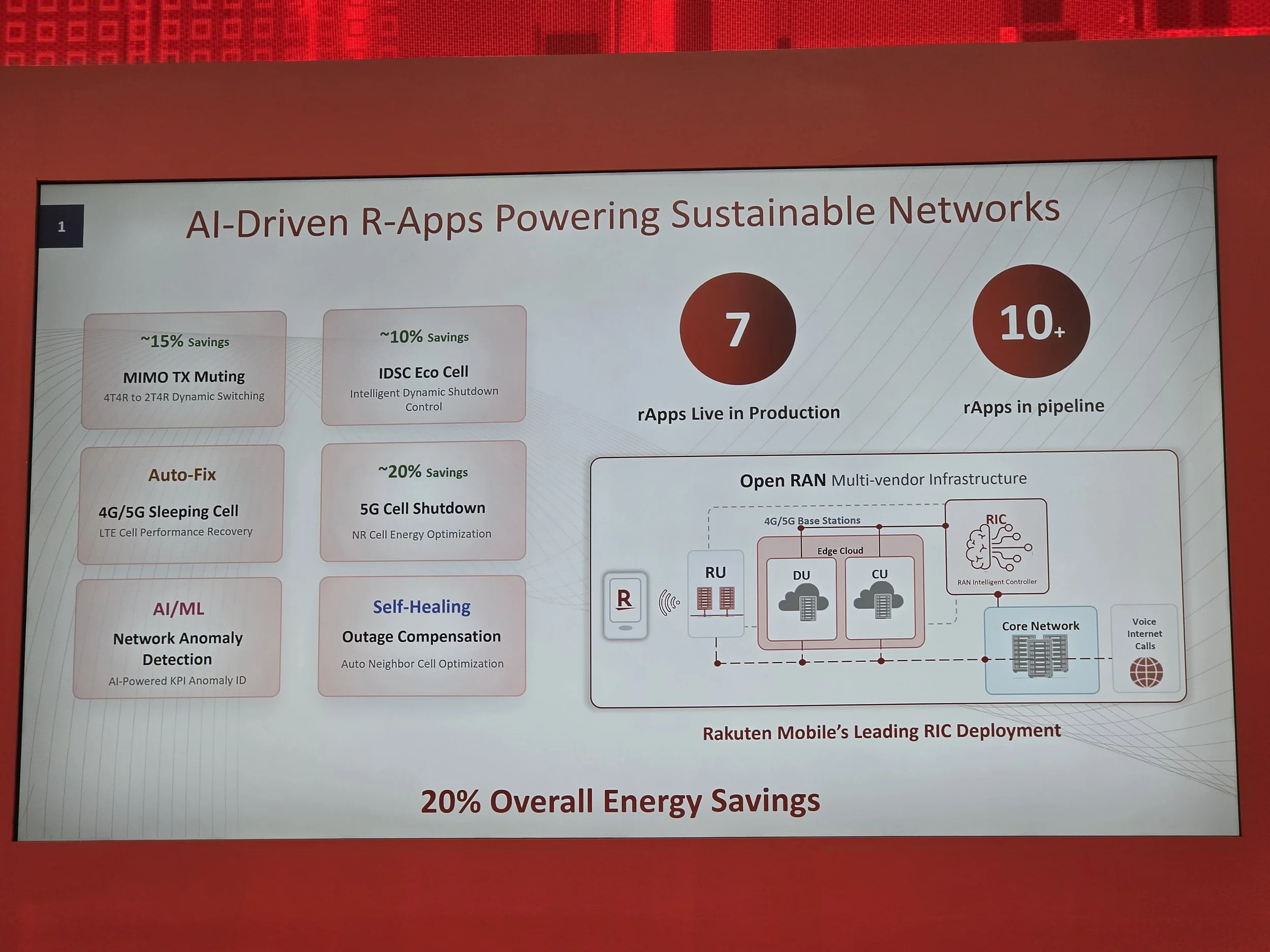
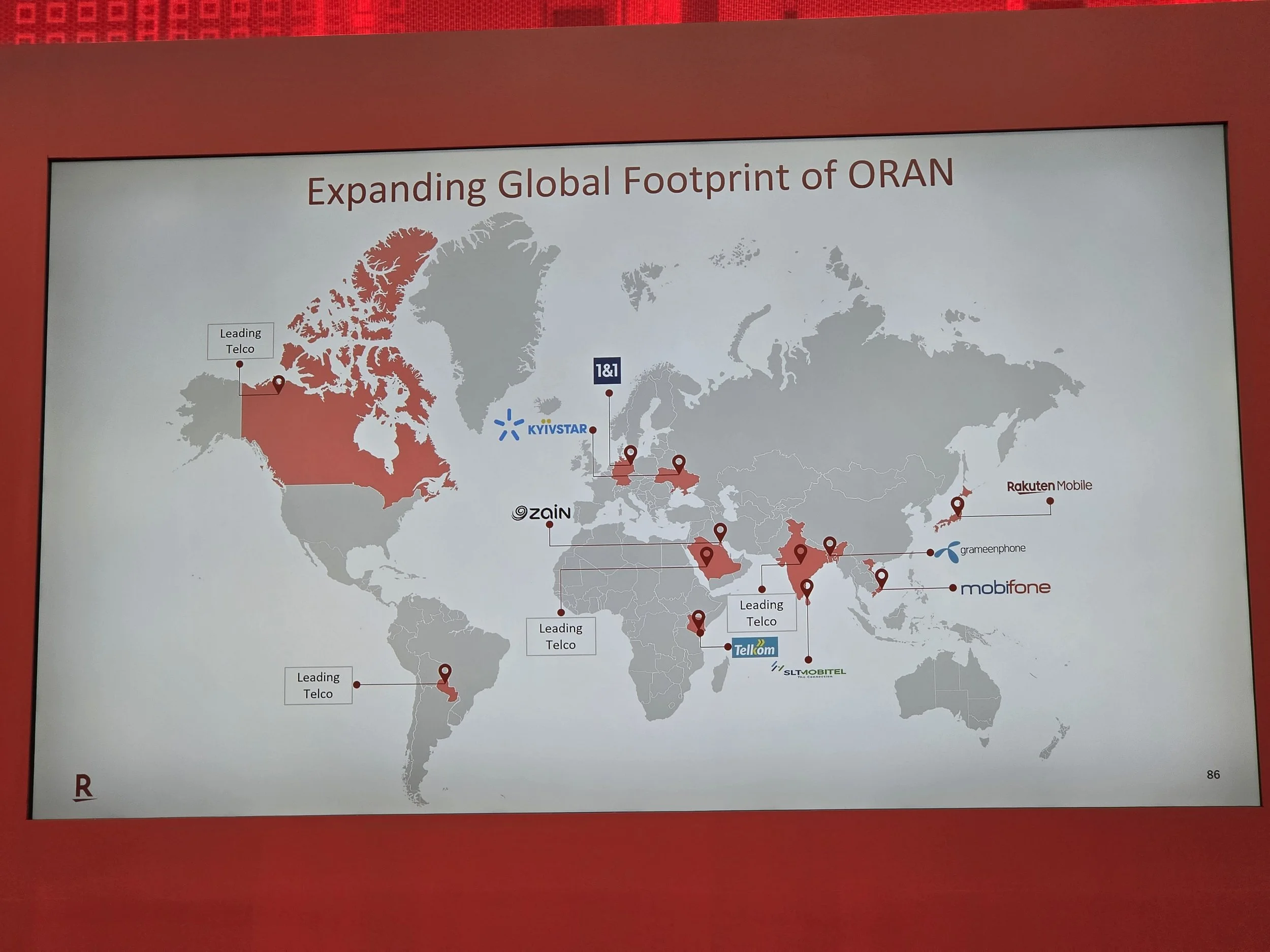
In the meantime, global carriers continue to roll out 5G and 5G Advanced. There’s an AI angle there, too. T-Mobile and parent Deutsche Telekom are already launching AI services on the core network itself, starting with live translation (this is real: my personal T-Mobile line just got beta access). Other network-resident AI services are planned, including an AI assistant that works on any phone connected to the network. T-Mobile’s CTO John Saw noted that T-Mobile repositioned 30,000 antennas during storms in January using AI to track how people were actually connecting to the network. Going forward, Deutsche Telekom intends to use its control over network endpoints for identity and data sovereignty both for AI at the edge and in country-specific data centers within the EU. I also attended a Rakuten presentation providing an update on its 5G SA OpenRAN rollout. It’s working for Rakuten, which now has over 12 million subscribers, and claims that AI apps on the network provide 20% energy savings. However, Rakuten’s Symphony carrier app suite is getting better take rates than its network architecture.
Concept Devices Are Fun Marketing Exercises (Unless You’re Lenovo)
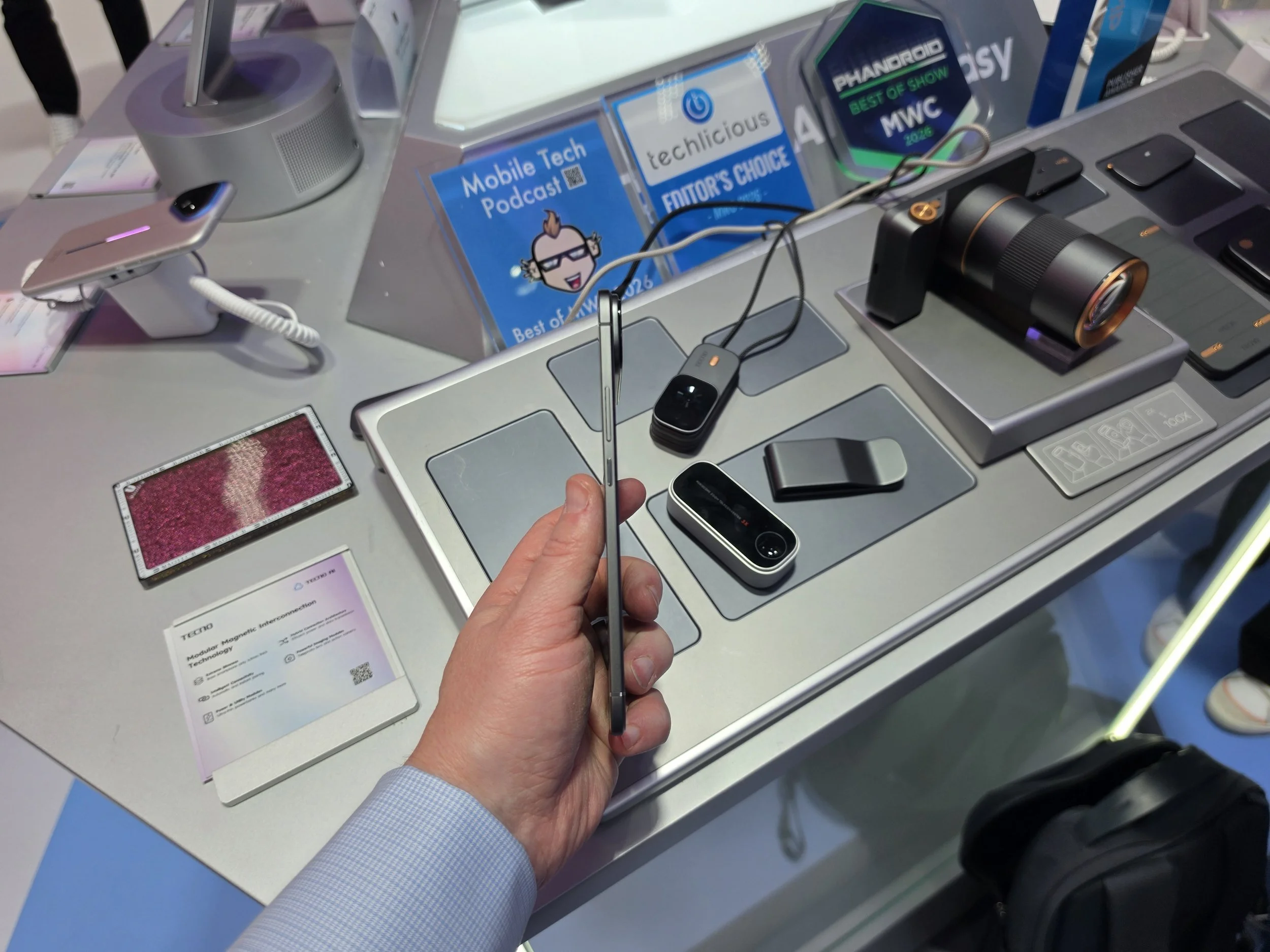
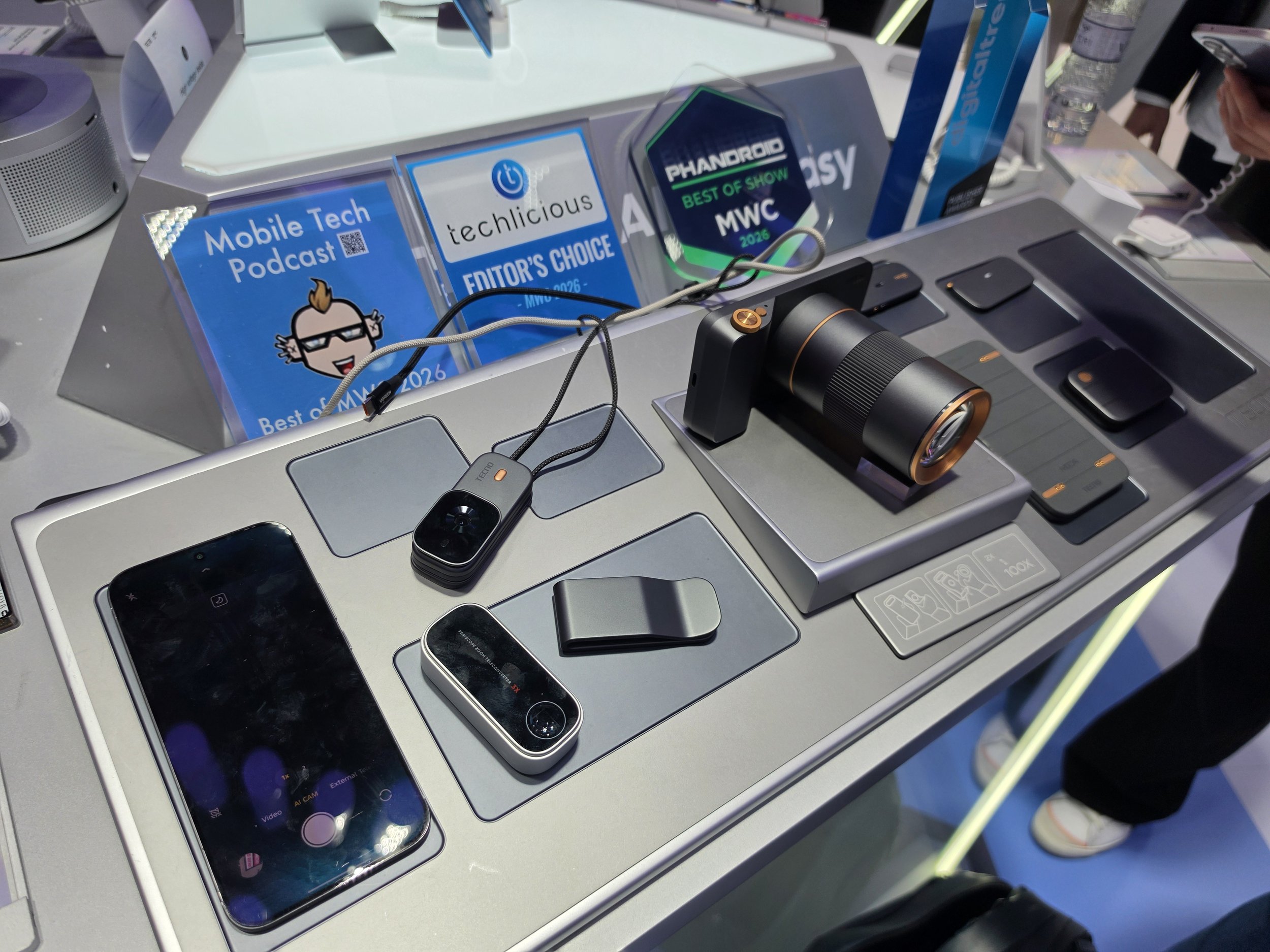
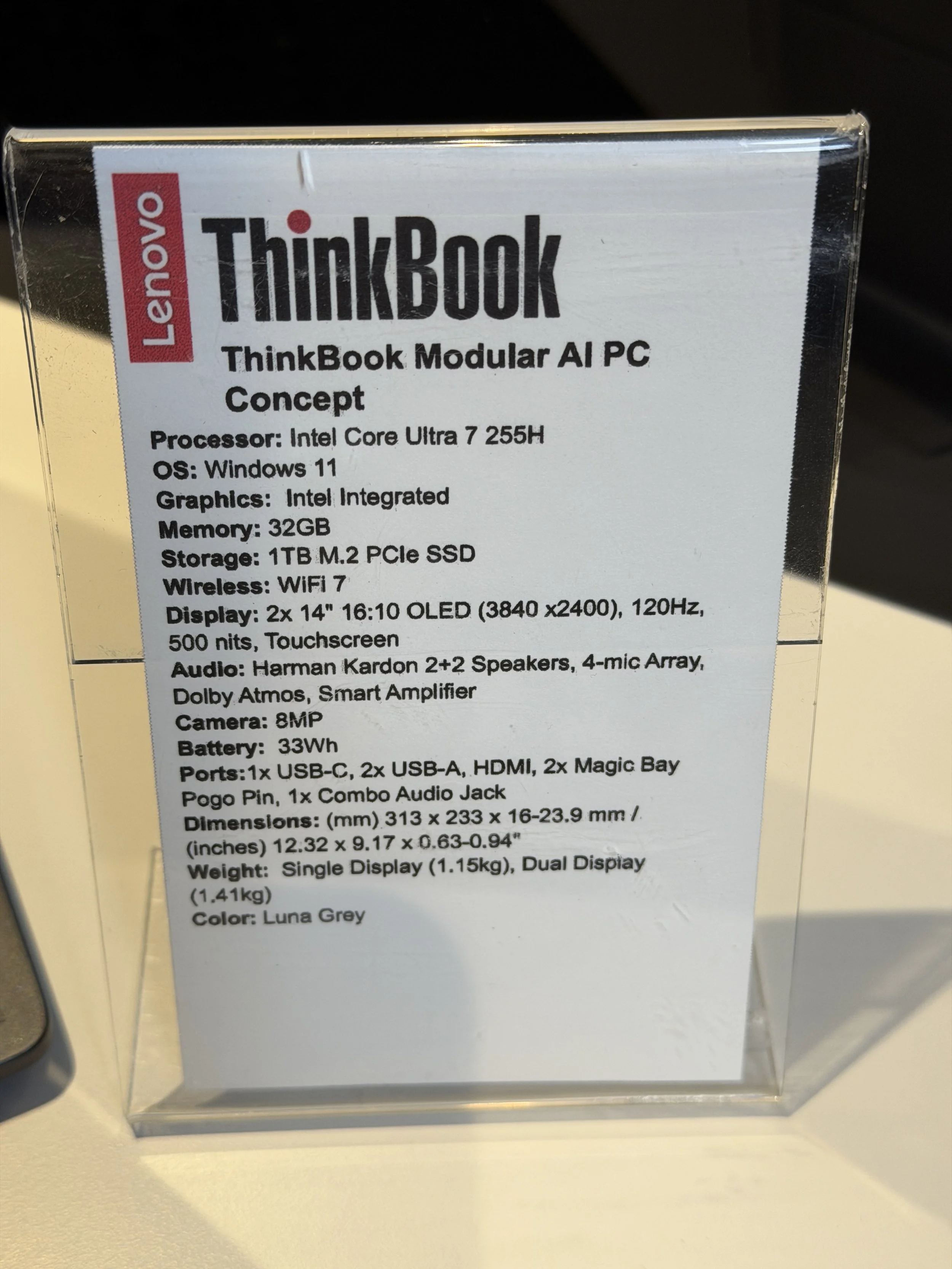
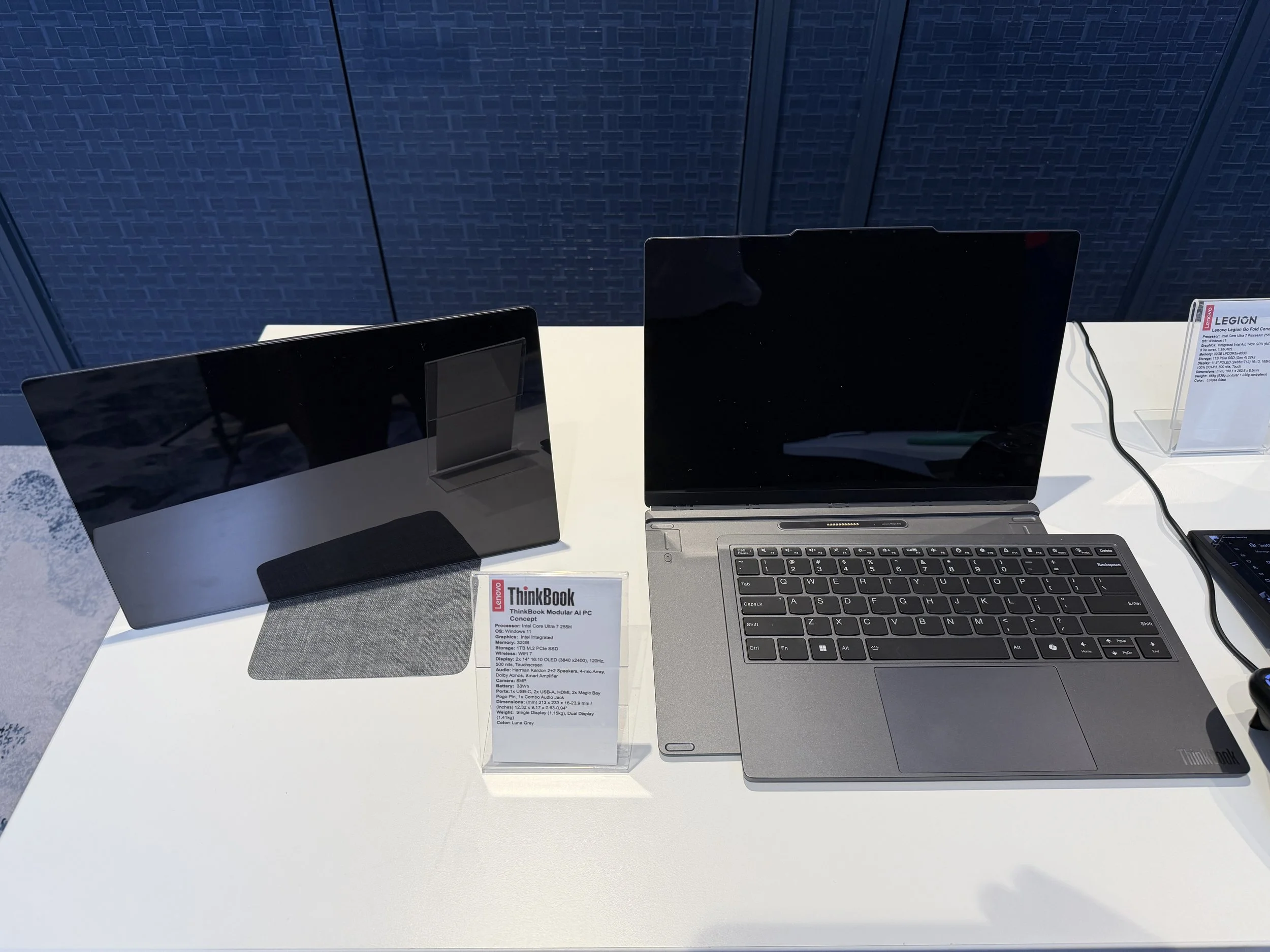
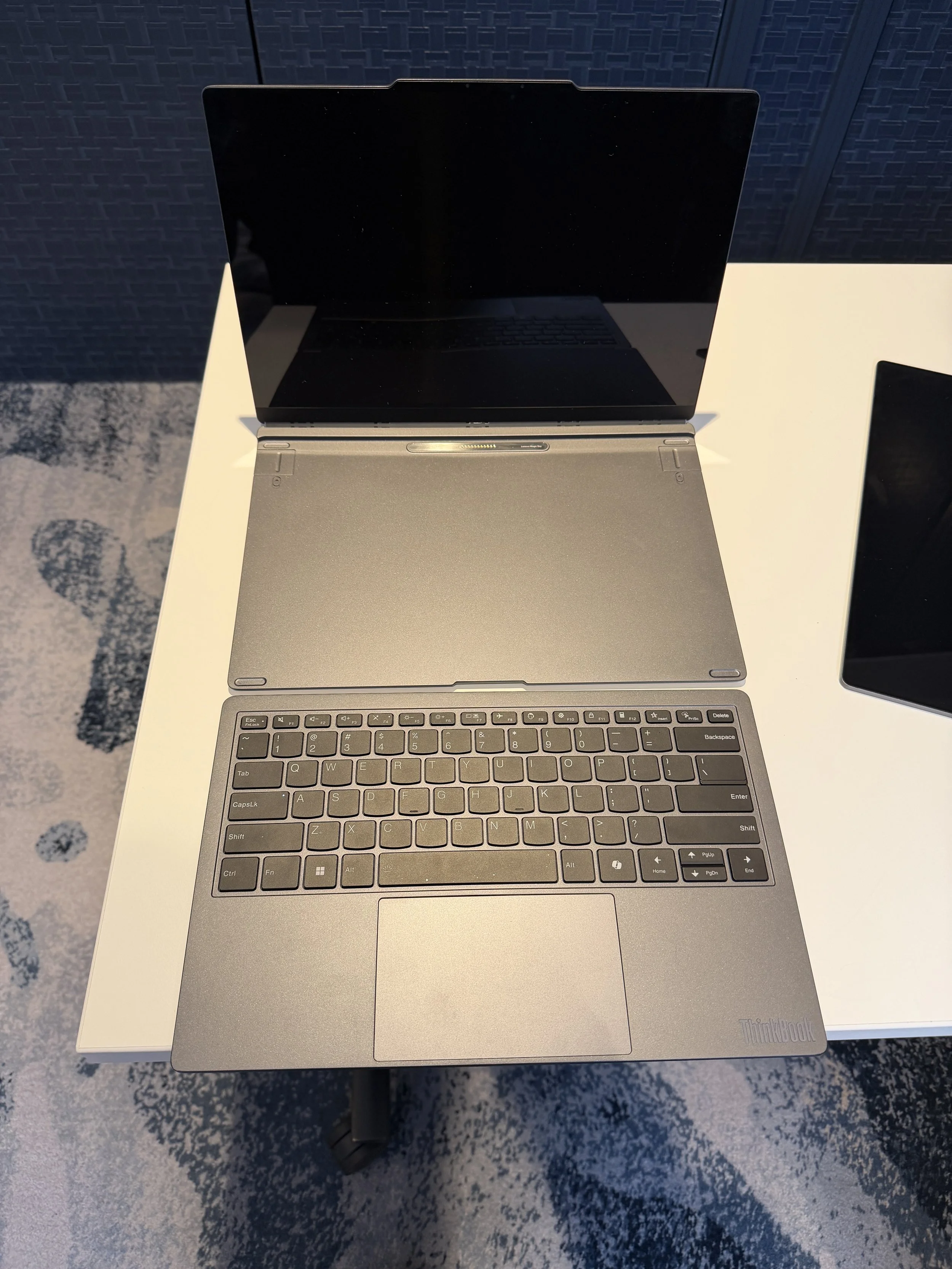
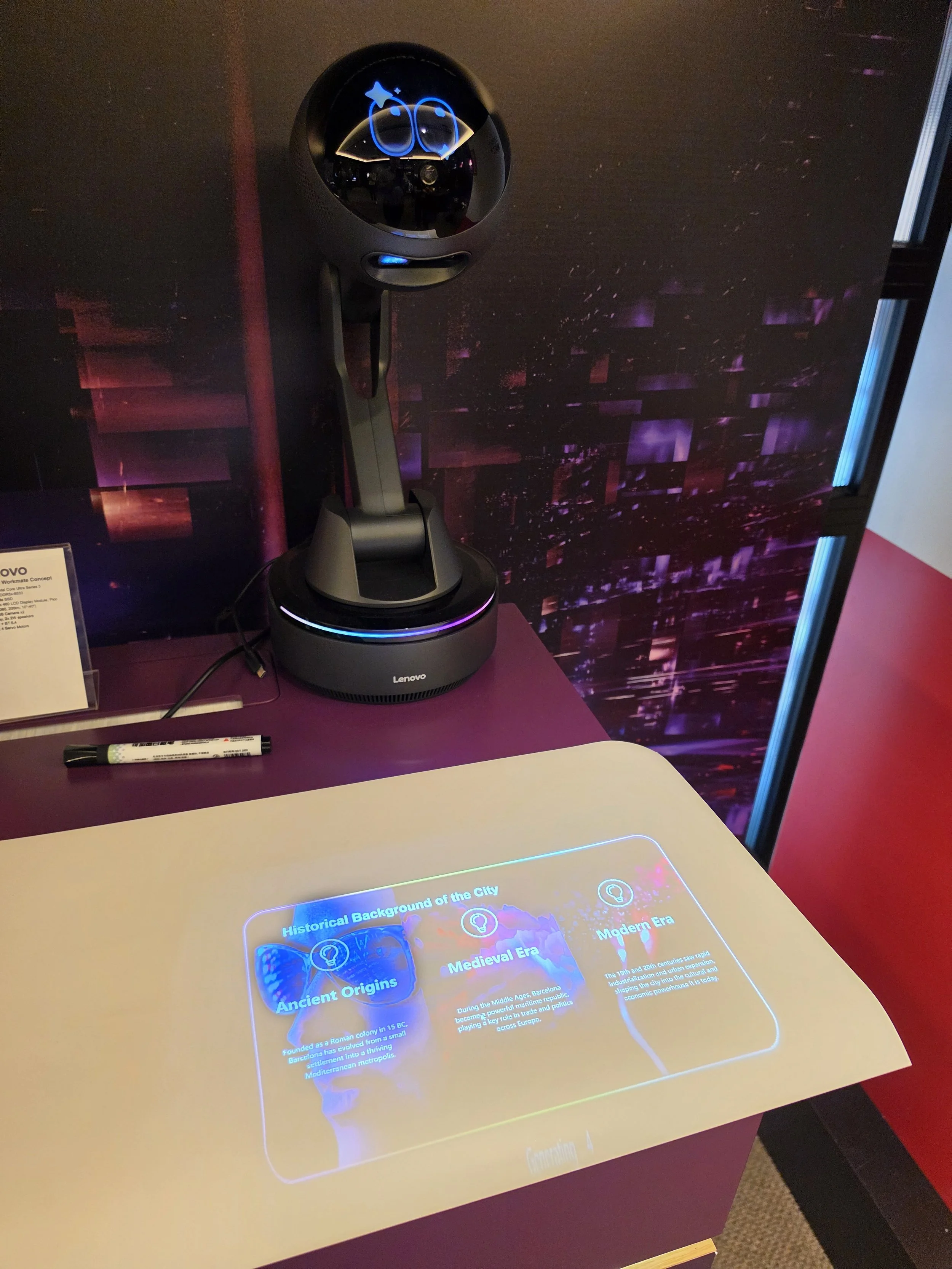
Two fully modular concept devices debuted at MWC: a smartphone from Tecno, and a laptop from Lenovo. The Tecno resembled an updated Moto Z and the unit on display was, shockingly, fully functional. Separately, Tecno had an underwater charging demo. Lenovo’s ThinkBook Modular AI PC deftly turned from a regular laptop to a multi-screen station, and even the ports are hot swappable. Neither of these is likely to make it to market as is because modular design only makes sense to engineers and tech journalists at trade shows, not consumers buying the best product for their needs. However, that doesn’t make them pointless. Tecno primarily sells low and midrange smartphones into cost-constrained African markets, so its ultra thin, foldable, and concept devices are good for PR and increasing its brand value. However, Lenovo has a history of bringing some of its concepts to market. I don’t expect the Modular AI PC to make the jump, but the hot-swappable I/O ports would make its already highly-repairable laptops even better.
We are more likely to see some of Lenovo’s concept devices from CES make it to market. The Legion gaming concept laptop with a horizontally scrolling display is almost a no-brainer -- . The ThinkBook concept with an internal vertically scrolling display should be easier and less expensive to manufacture than today’s sold-out $3,500 Lenovo ThinkBook Plus Gen 6 Rollable (if Lenovo does bring it to market, it needs to it a much better name). Finally, Motorola’s Project Maxwell wearable AI pendant is certainly something Lenovo wants to have in its Qira AI ecosystem. Whether Motorola can get it to work – and overcome cultural, privacy, and security concerns – are still open questions.
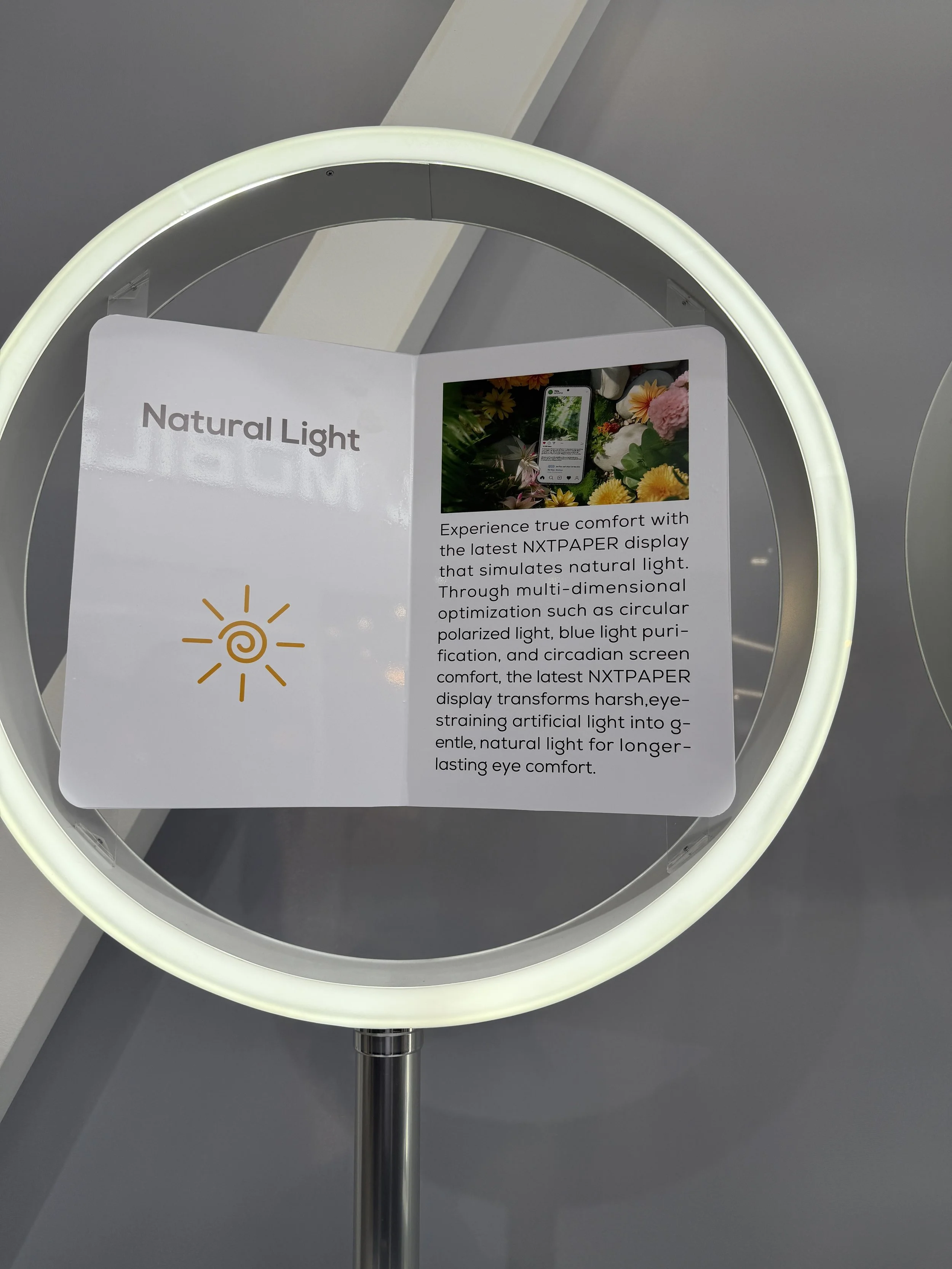
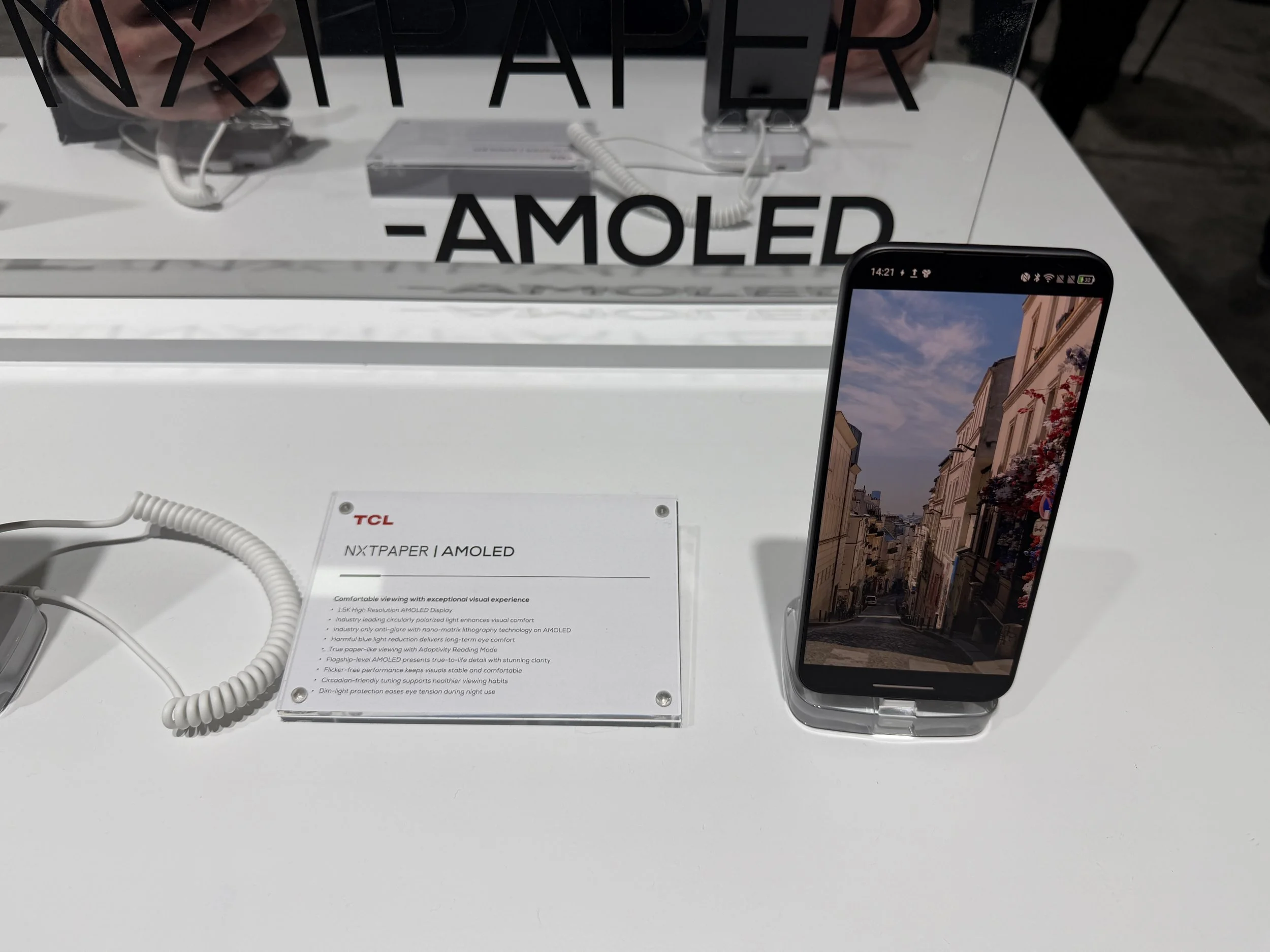
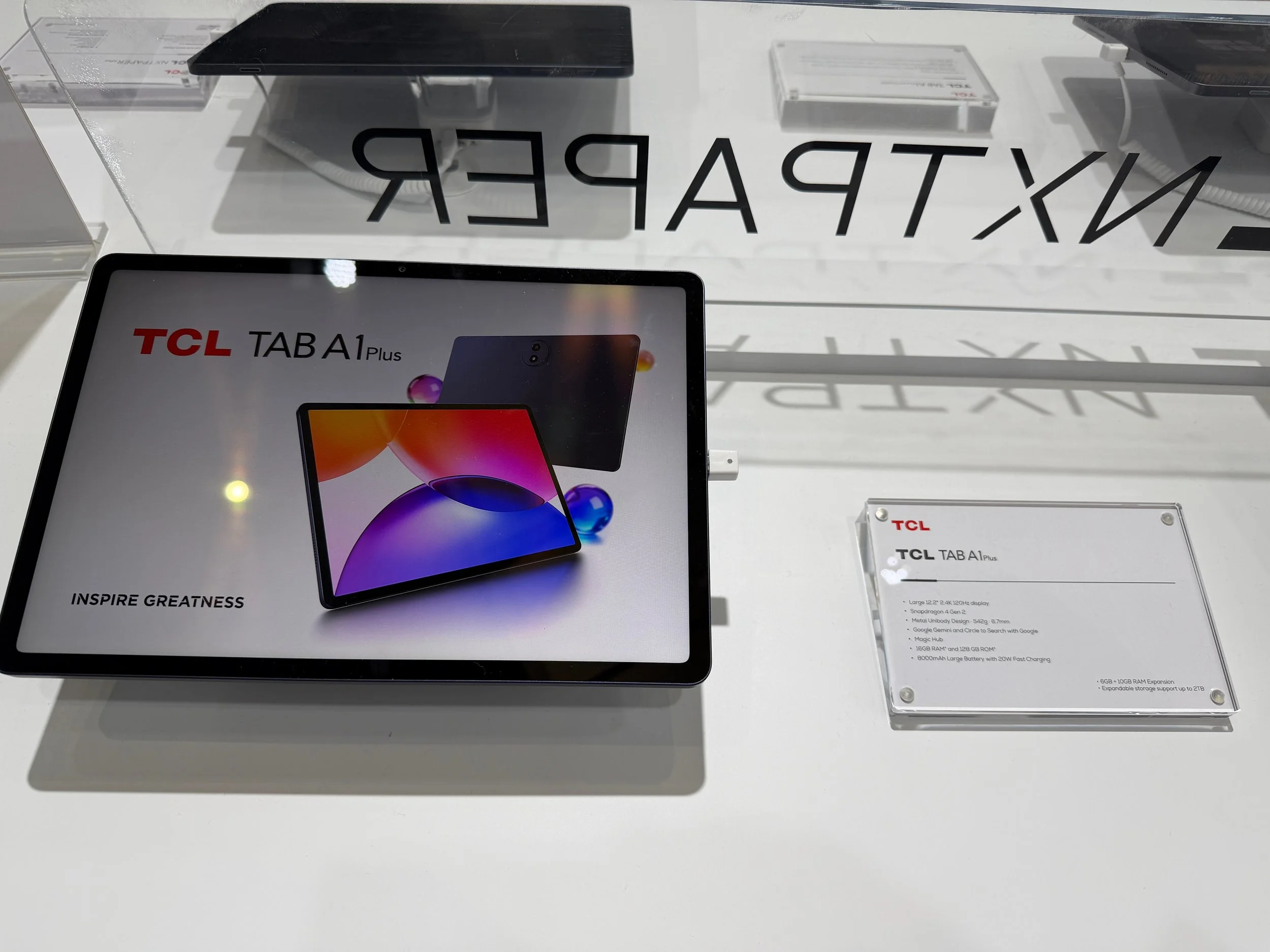
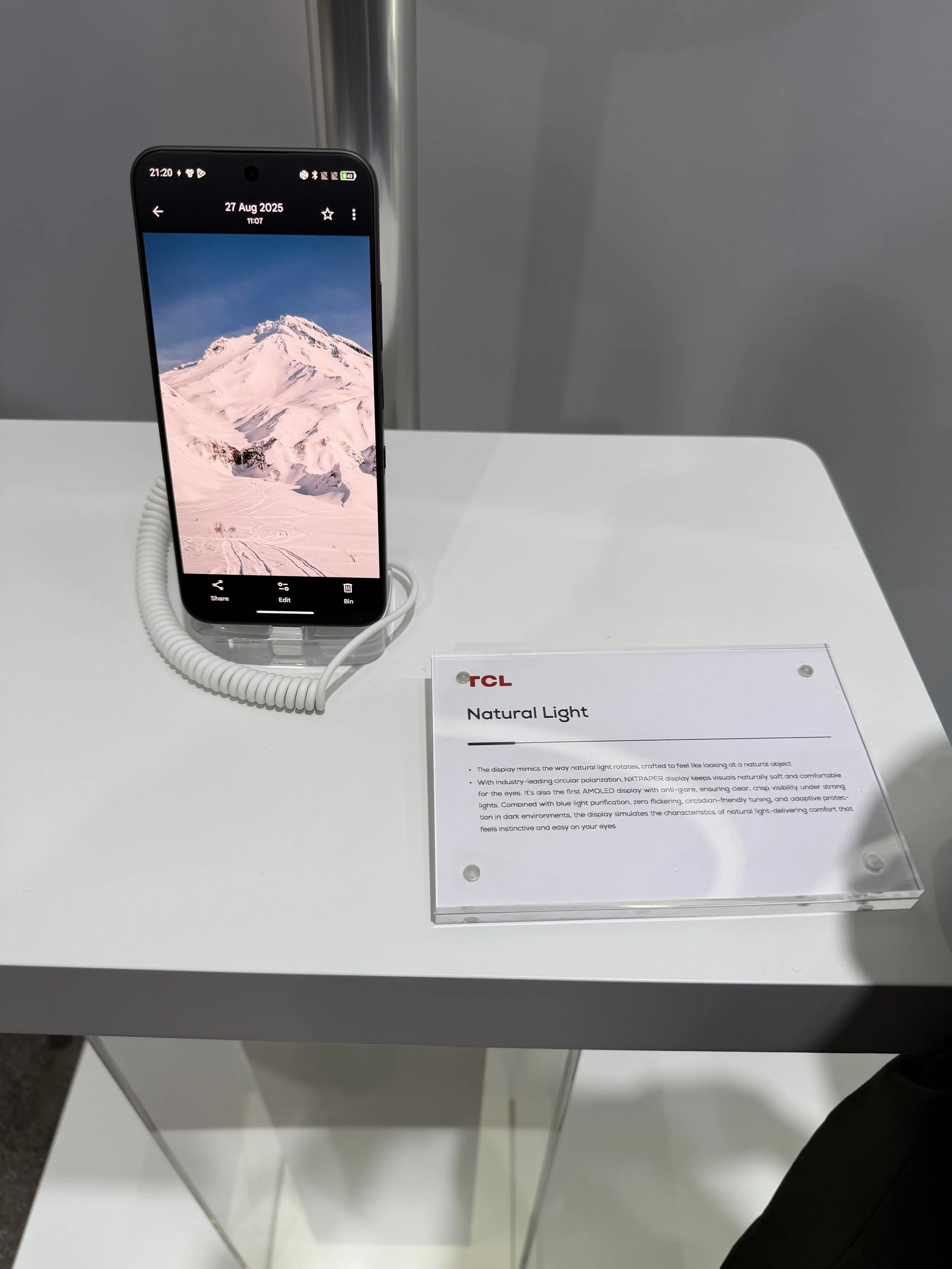
Honorable mention goes to TCL’s AMOLED NXTPAPER devices which use a new type of OLED display with “circularly polarized light.” The new display tech was shown off on otherwise generic phones and tablets, but the tech really does appear to solve the problem with CSOT’s earlier designs by mating bright, colorful, and contrasty AMOLED under diffusion layers; the result looks a lot like a matte e-paper in terms of eyestrain, without the dulled colors and resolution of its current LCD-based NXTPAPER. Hopefully this comes to real products soon.
Smartphones are Still the Center of the Digital World
AI is getting integrated into the network, on lanyards around your neck, or in glasses on your face, but smartphones are still the center of the consumer digital experience.
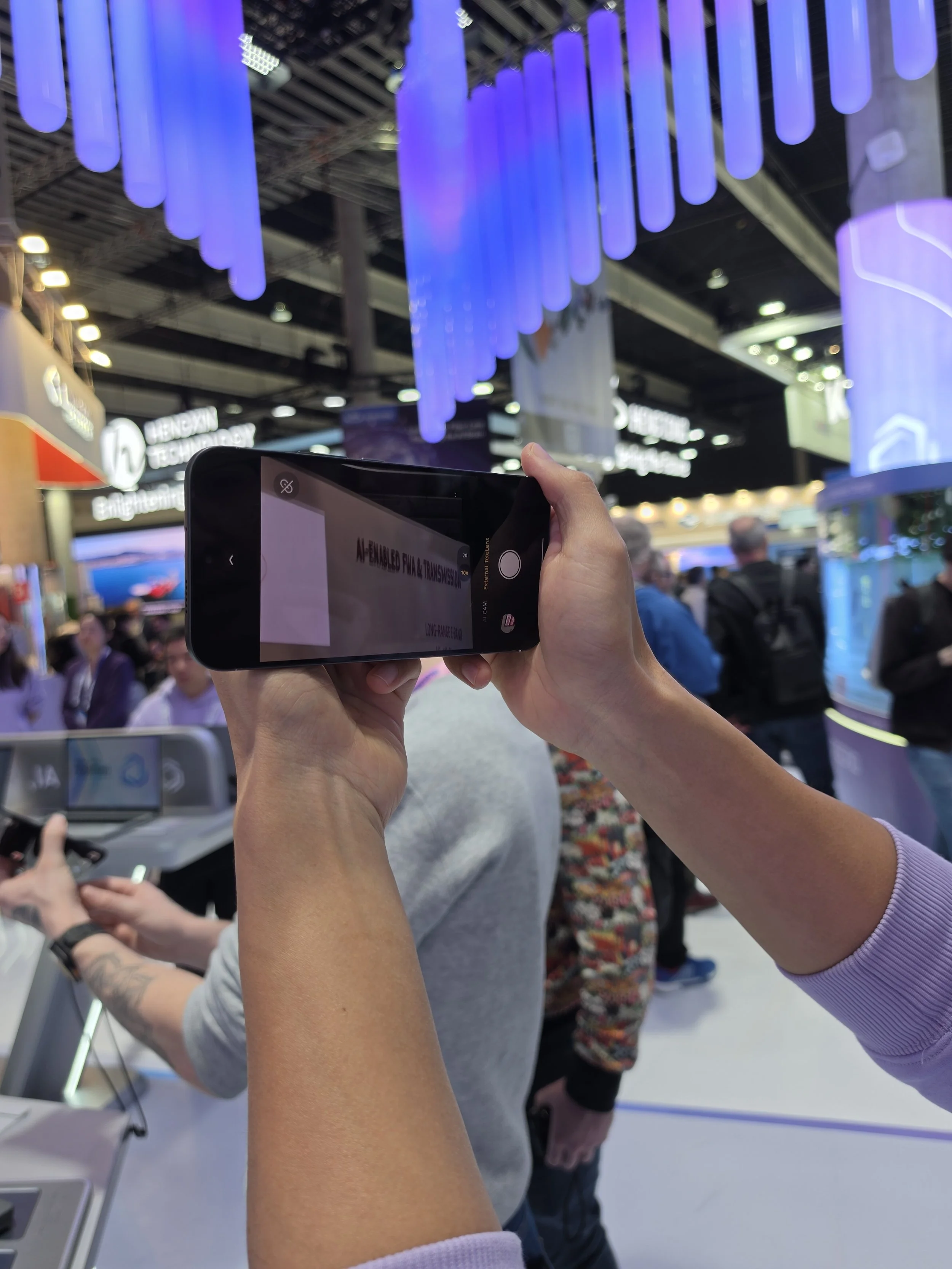
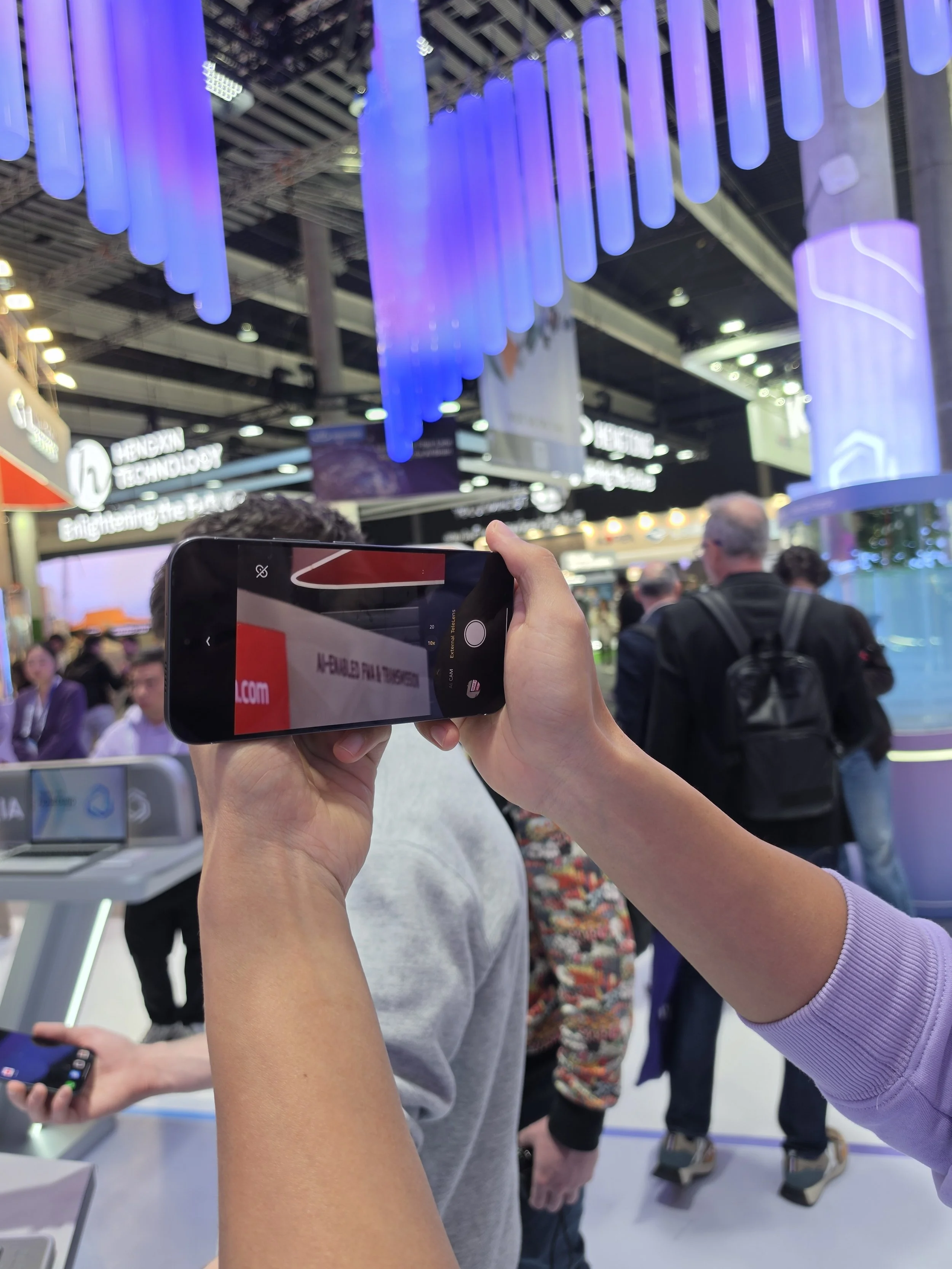
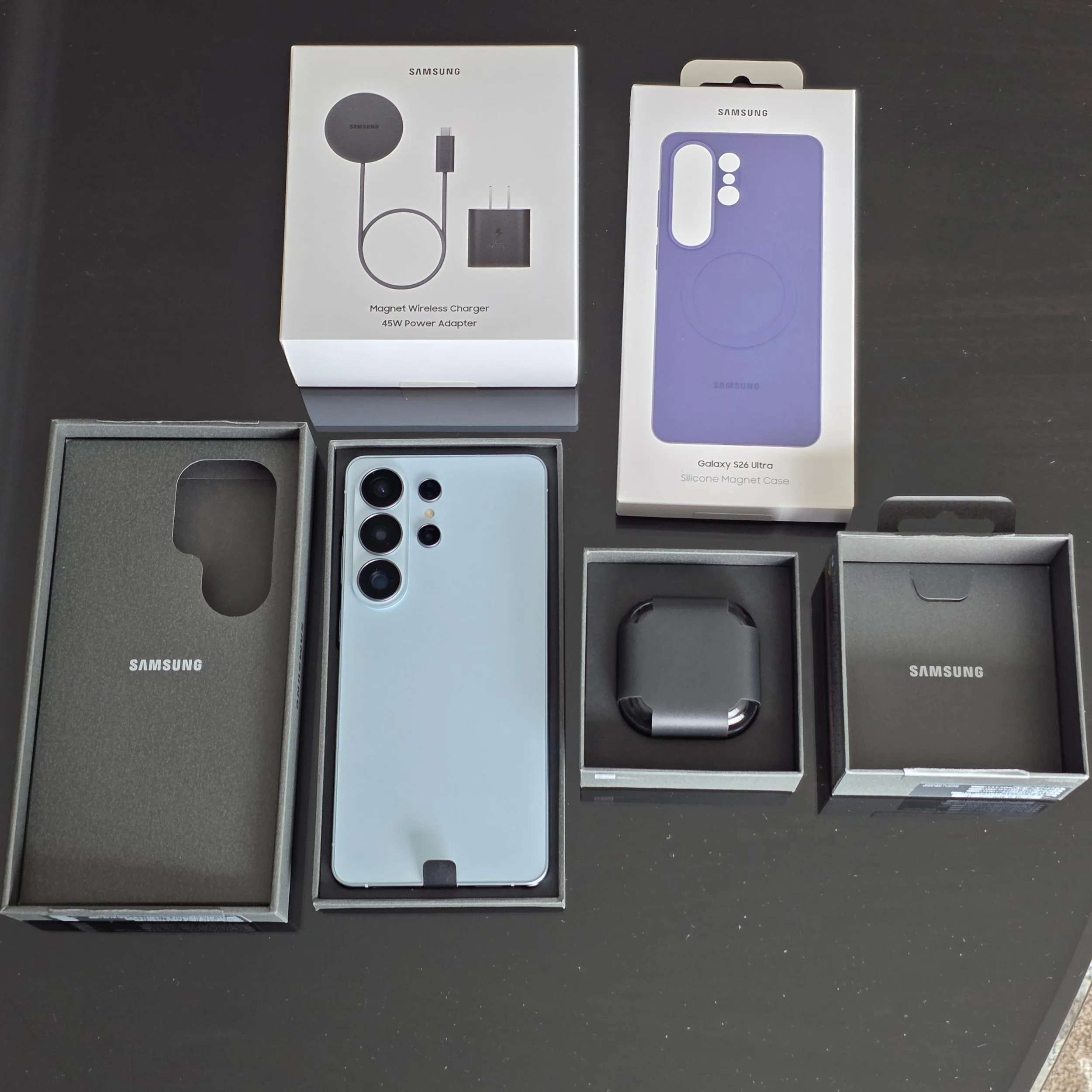
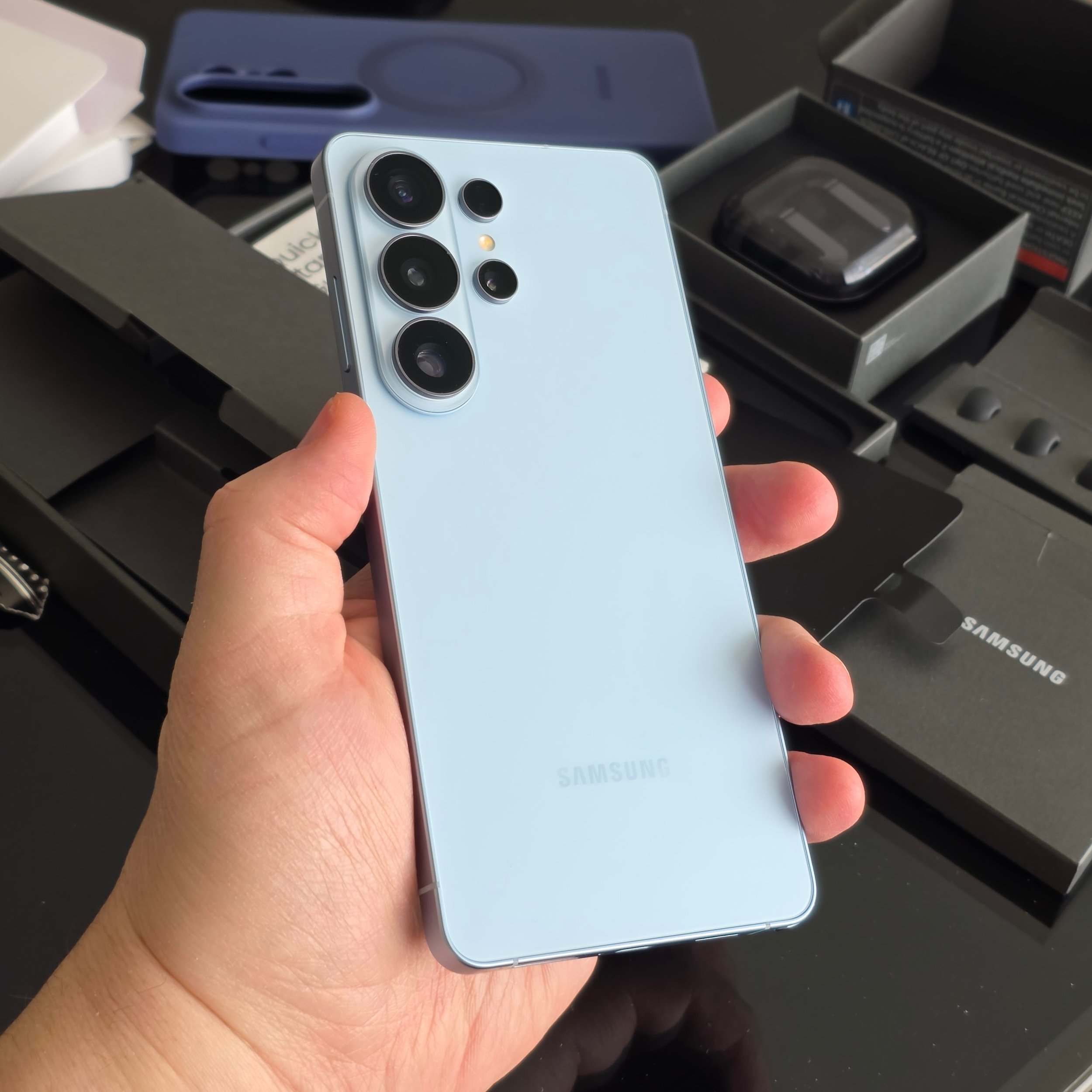
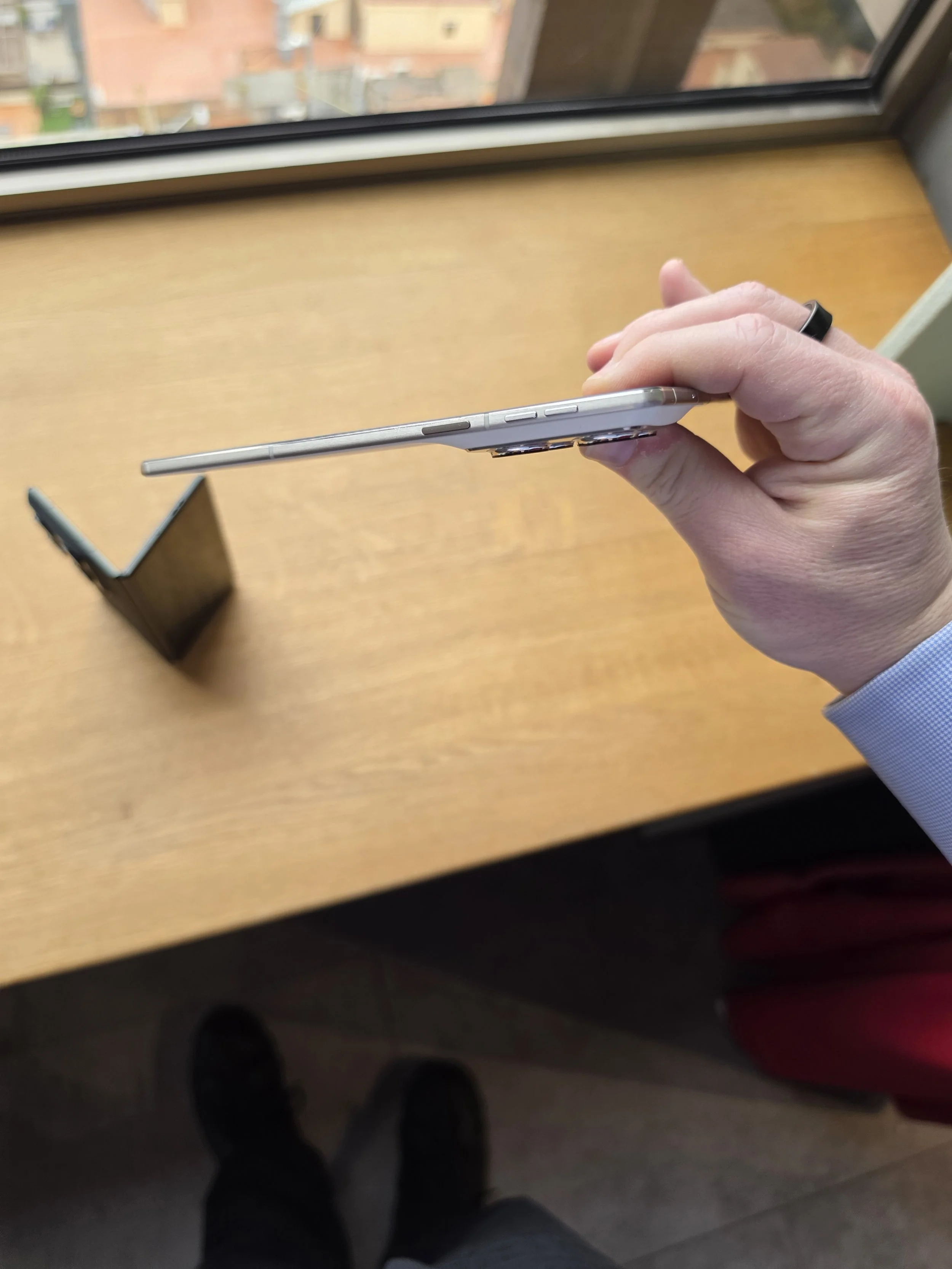
Samsung’s Galaxy S26 family launch preceded MWC by just a few days, and I used my Galaxy S26 Ultra review unit to document the show and test battery life.
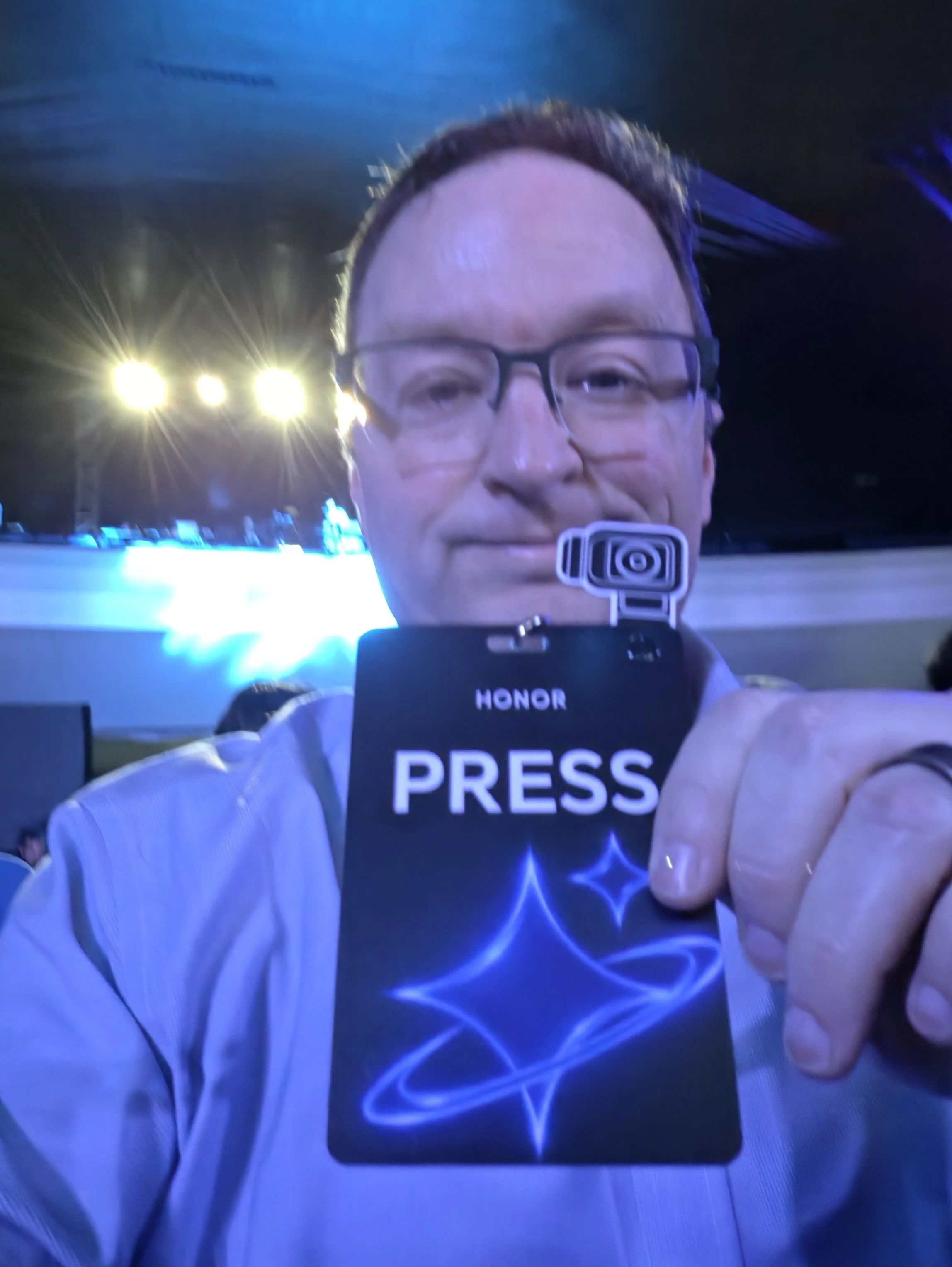
HONOR had MWC’s first big press conference, showcasing the global version of its Magic V6, but spending more time launching the Robot Phone – a phone with a Pixar-like robotic gimbal partly designed to be a more flexible camera, but mostly aimed at being adorable. I borrowed a Magic V6 from a friend for testing, but the HONOR Robot Phone is not expected to reach the market until much later this year and will likely be China-only to start.
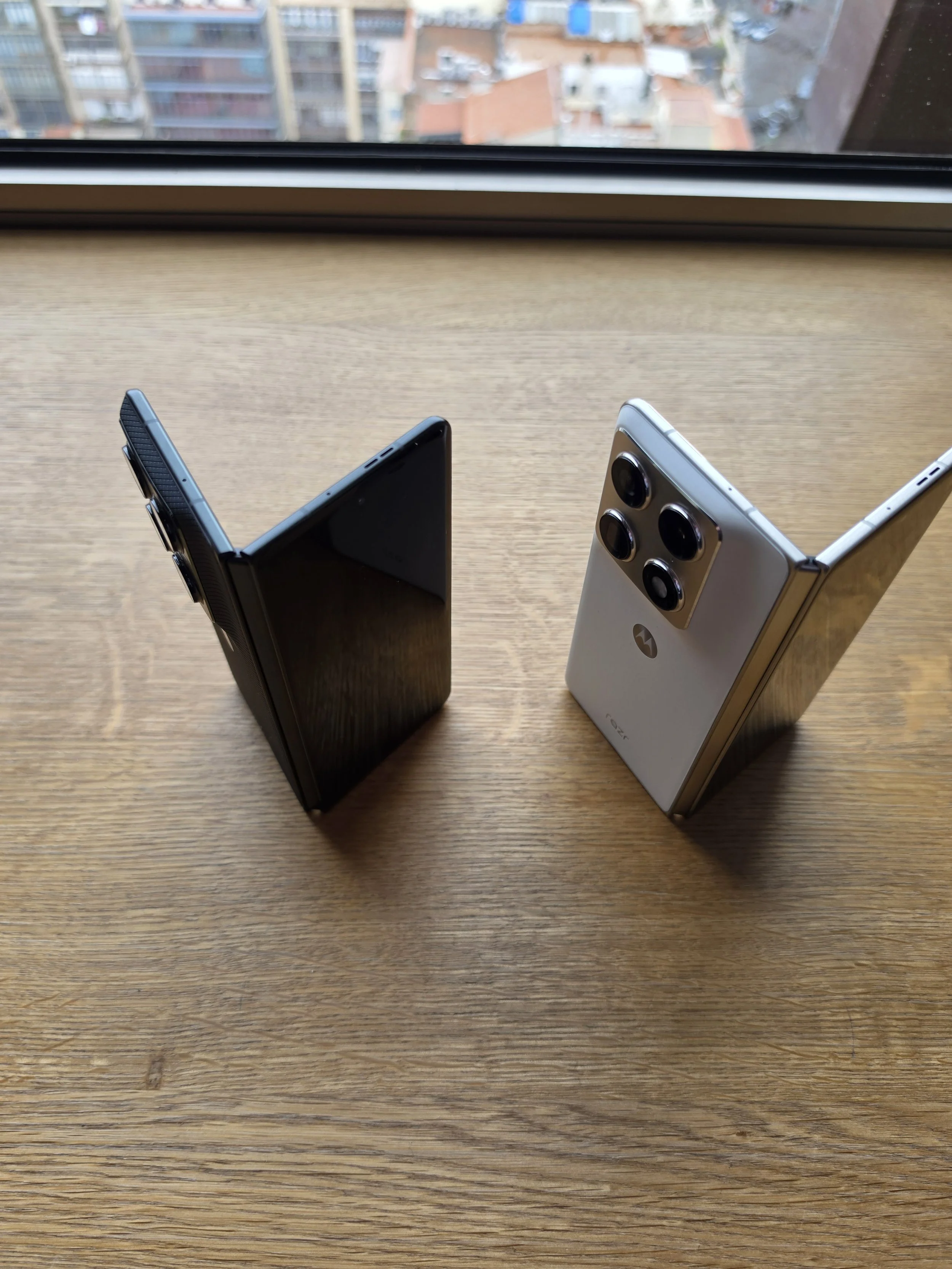
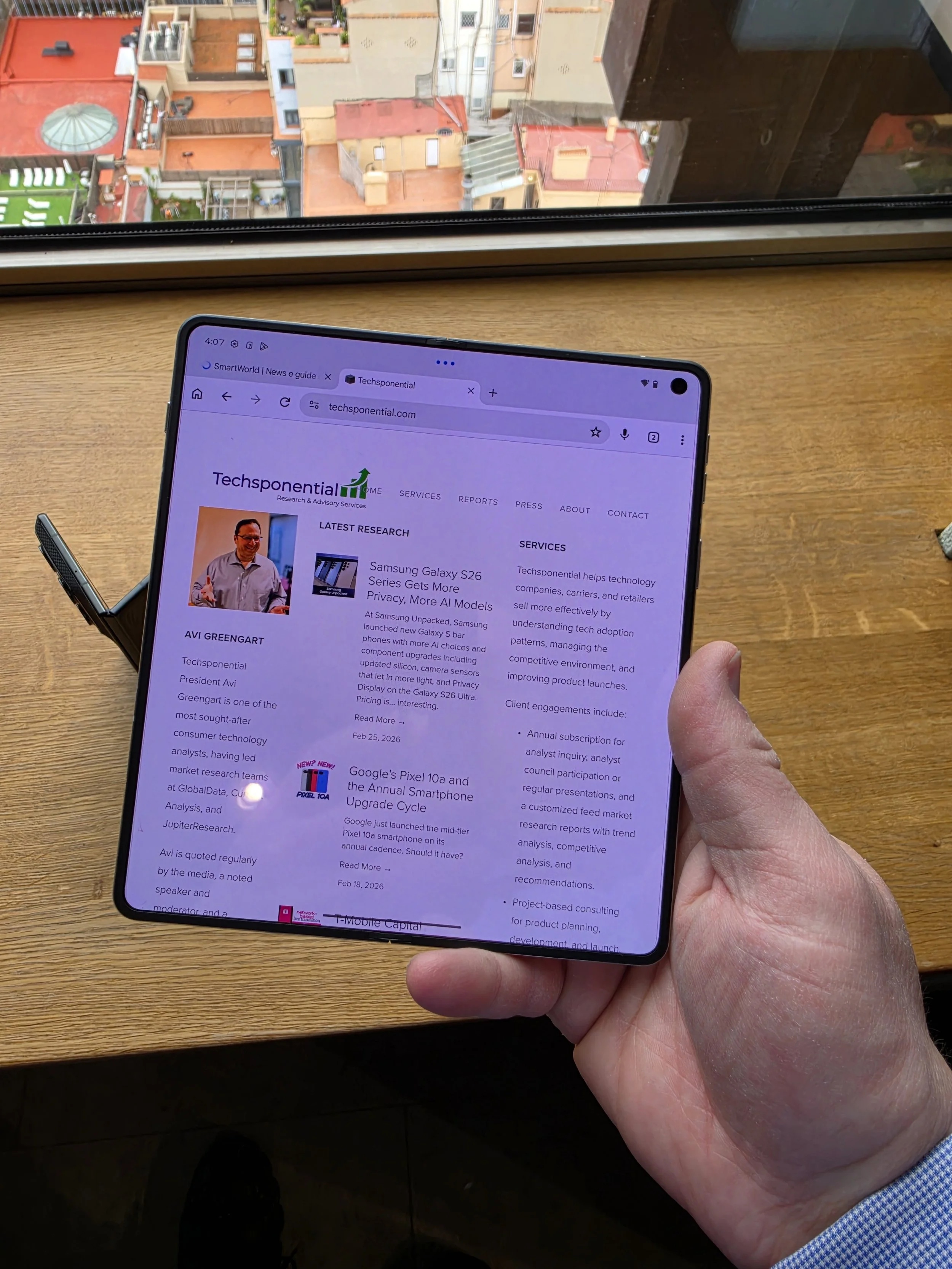
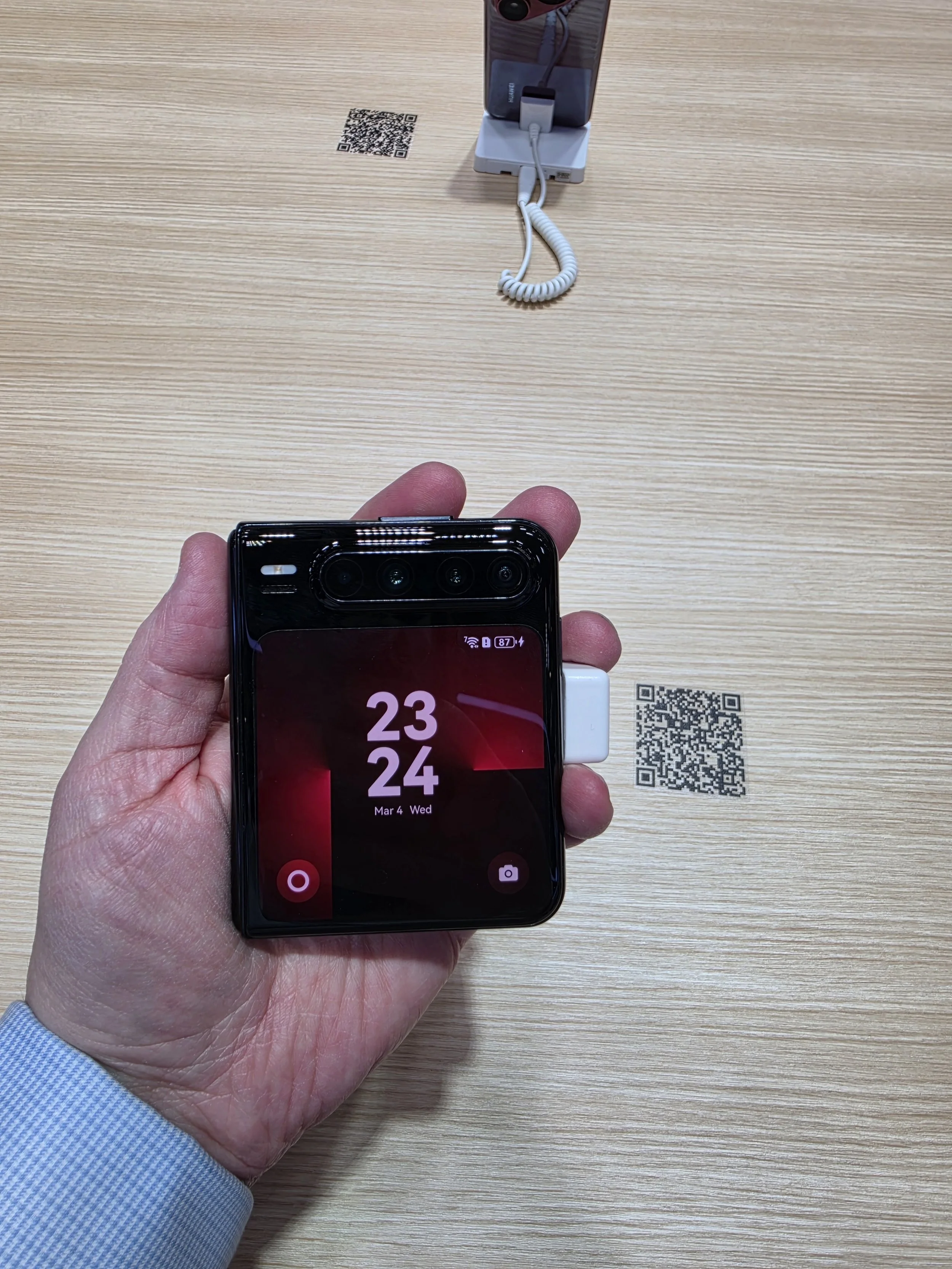
At CES, Motorola gave media a chance to test the camera on the company’s upcoming Signature flagship bar phone. I’ll need to get a production unit to be sure, but on a windy outdoor patio atop a Las Vegas hotel and in staged areas indoors I found the images competitive, which is a big leap for Moto’s imaging group. At MWC, we got hands on with essentially the same camera sensors and lenses in the upcoming Moto Fold. The Fold is Motorola’s first fold-larger phone, and will not only have a strong camera, but also the largest battery in foldables outside China.
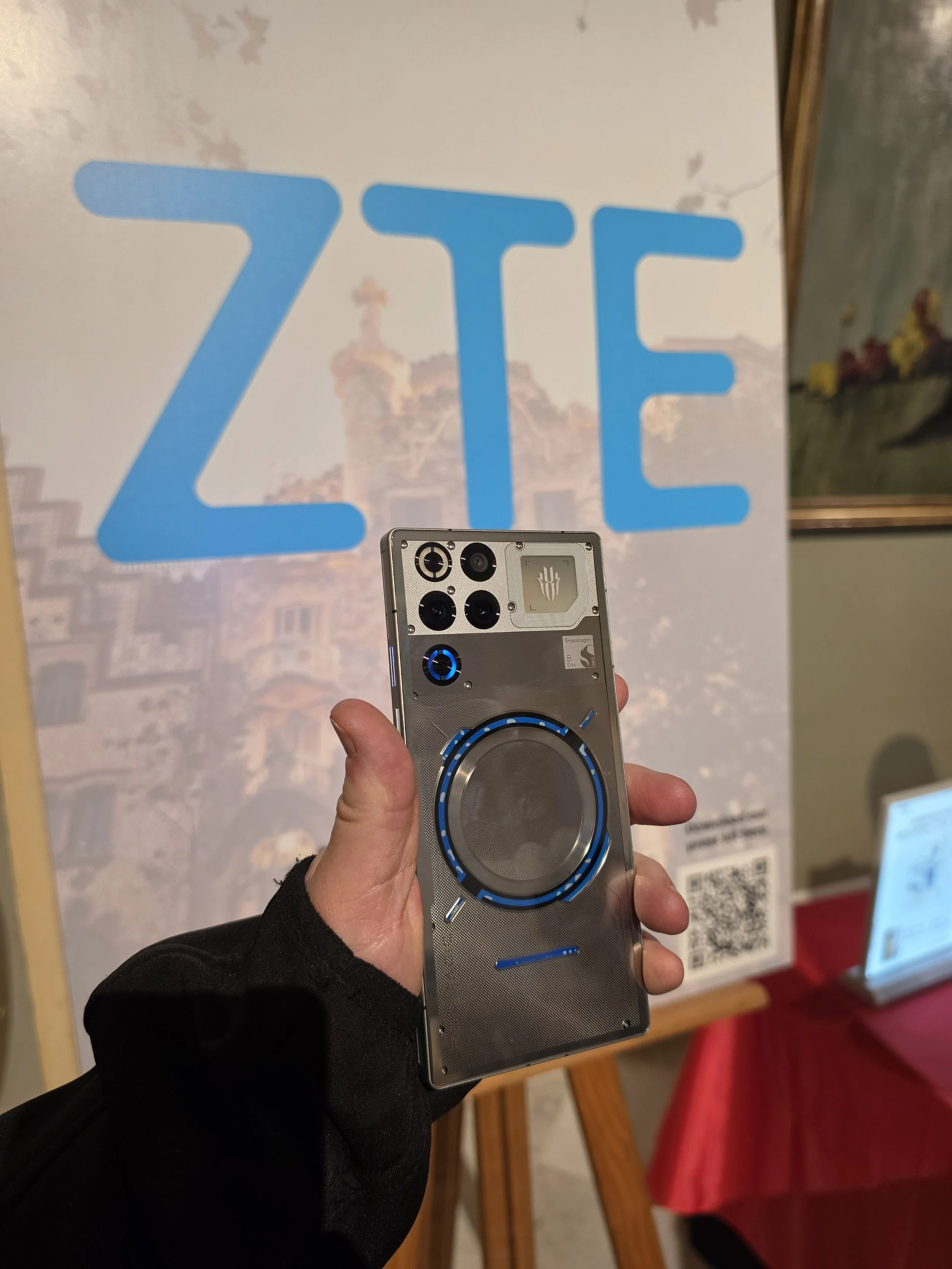
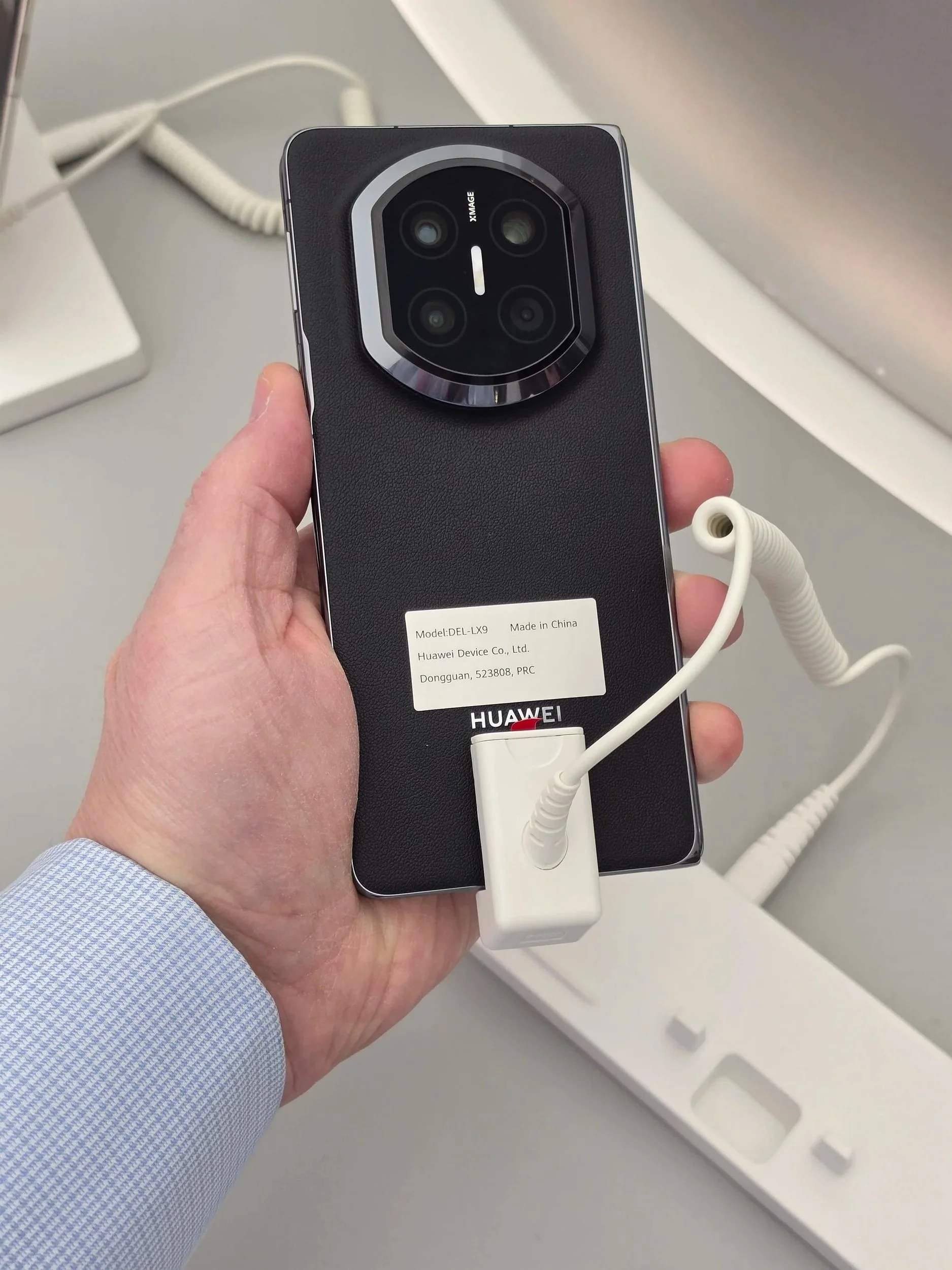
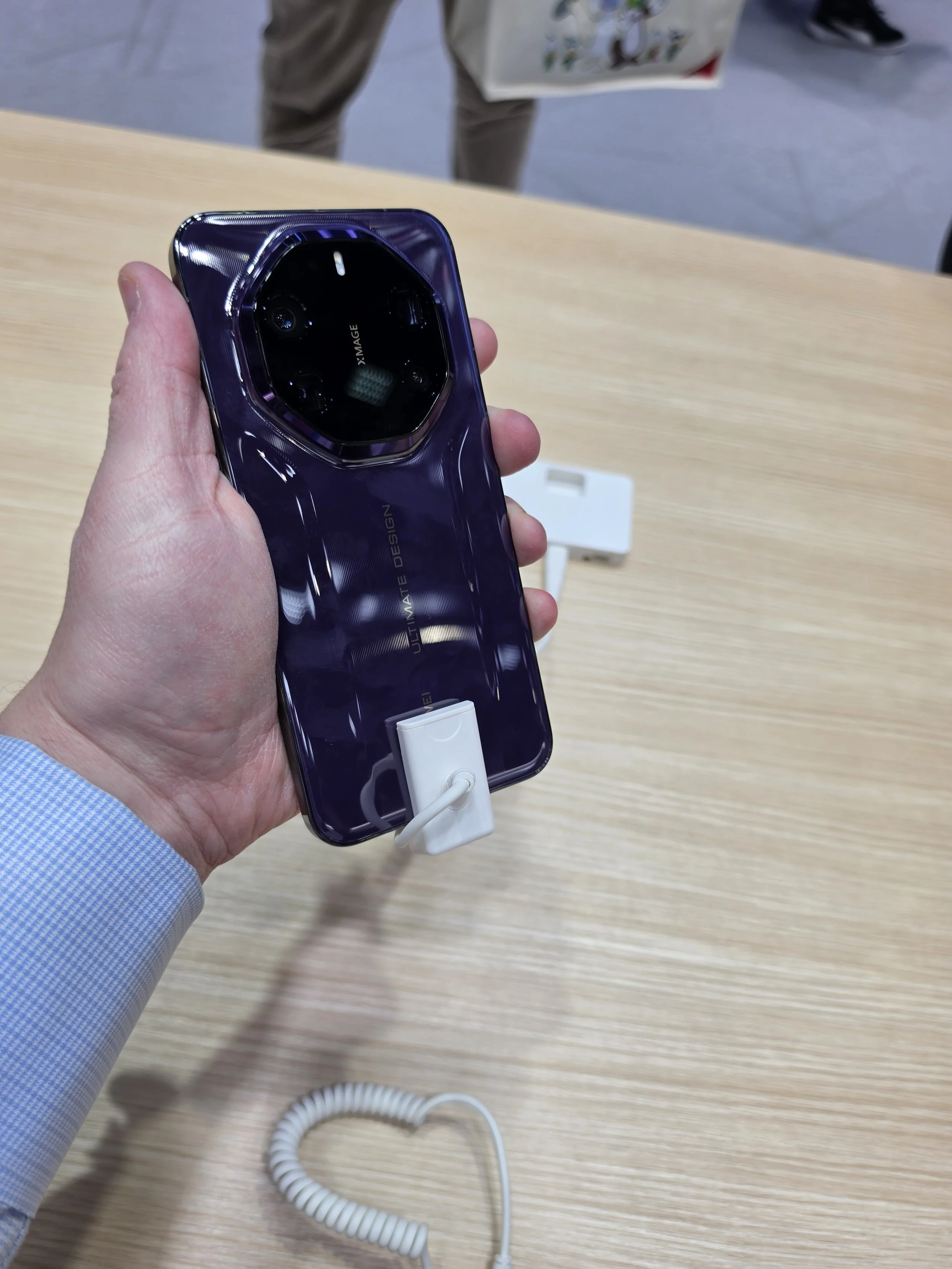
MWC is a great opportunity to catch up on phones from Xiaomi, ZTE, and Huawei that can be hard to get hands-on with elsewhere. Especially Huawei.
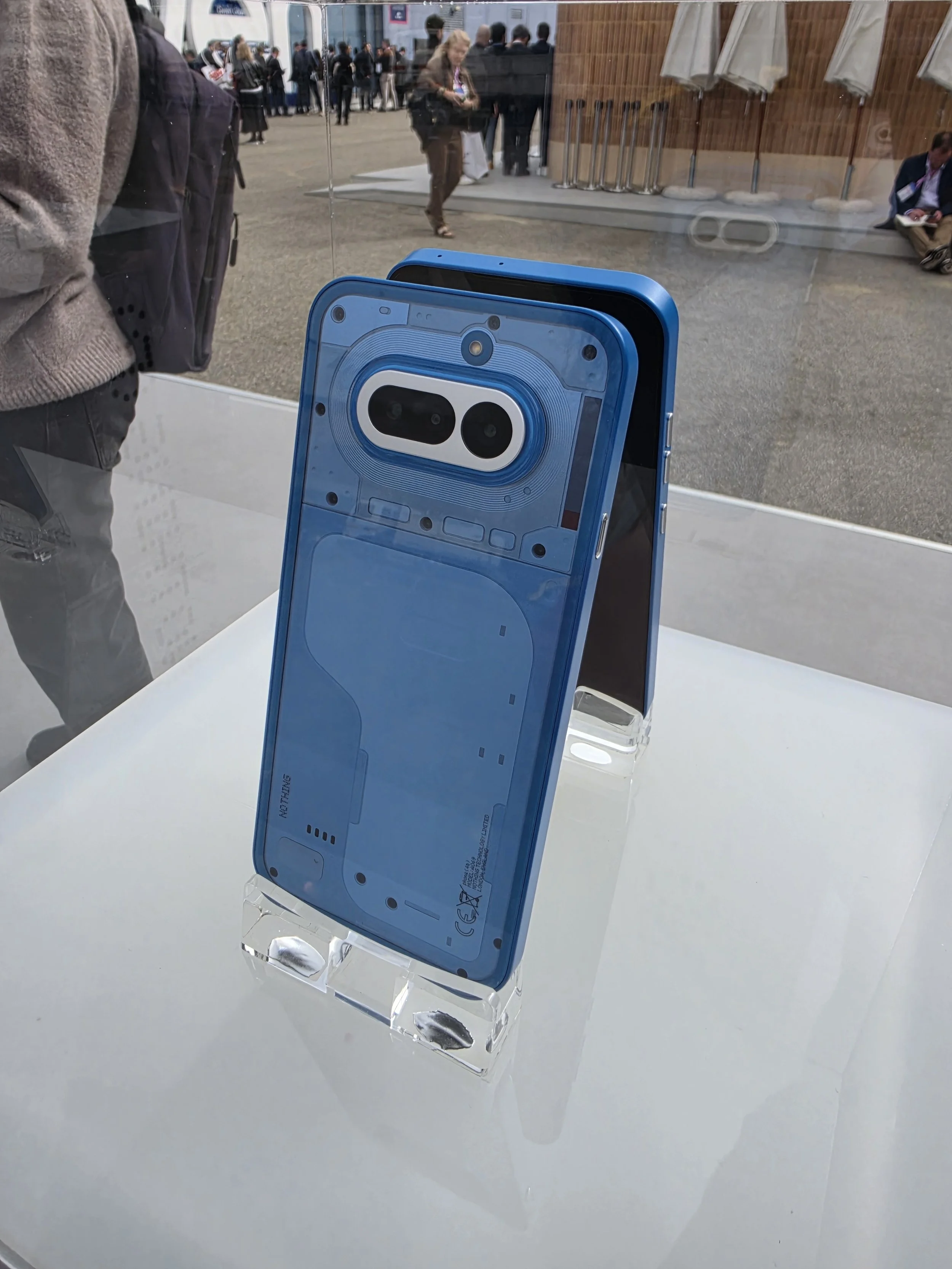
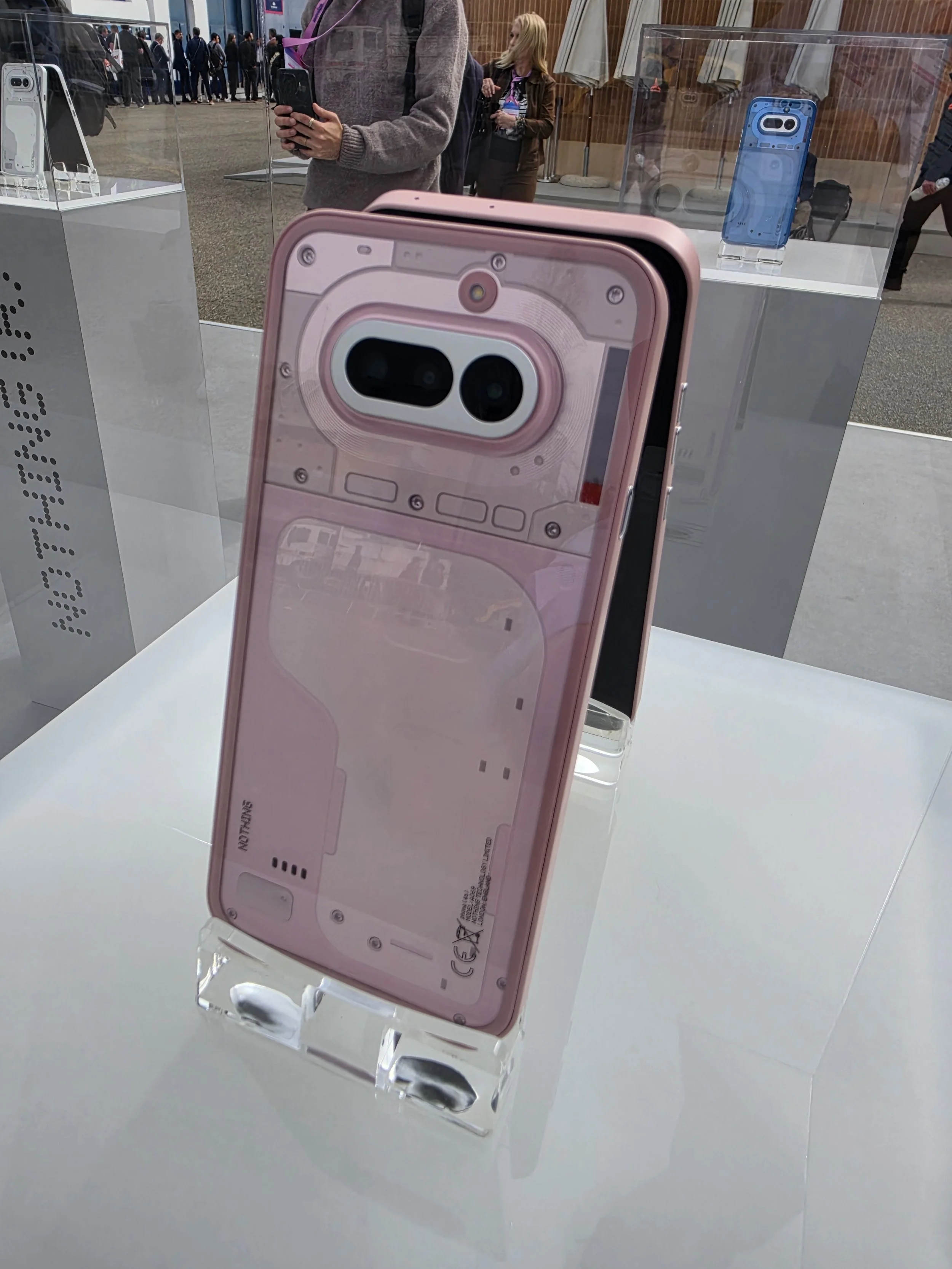
I interviewed Nothing CEO Carl Pei last year about Nothing’s plans to move upmarket, but found the $800 phone(3) hard to recommend. At MWC the company was back to its core product line: mid-teir phones distinguished by considered component choices and unique design language. At its shipping container “booth,” Nothing showed off multiple colors of the new phone 4(a), and at a London event a day after the show Nothing added the phone 4(a) Pro. It’s truly remarkable how close each of the new phones adheres to the Nothing transparent-plus-LED design ethos while remaining distinct and attractive.
Apple Can Disrupt a Tech Conference With Press Releases
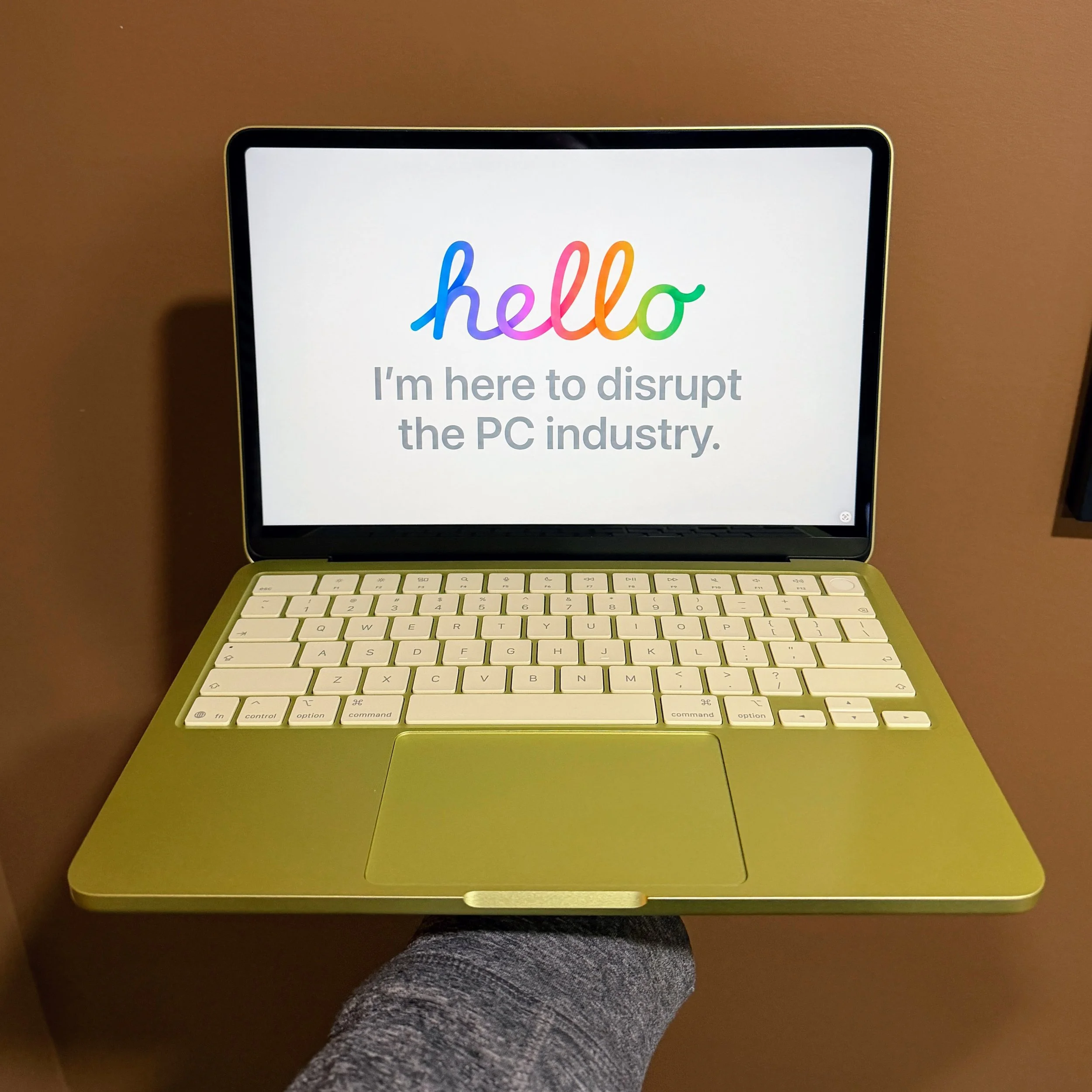
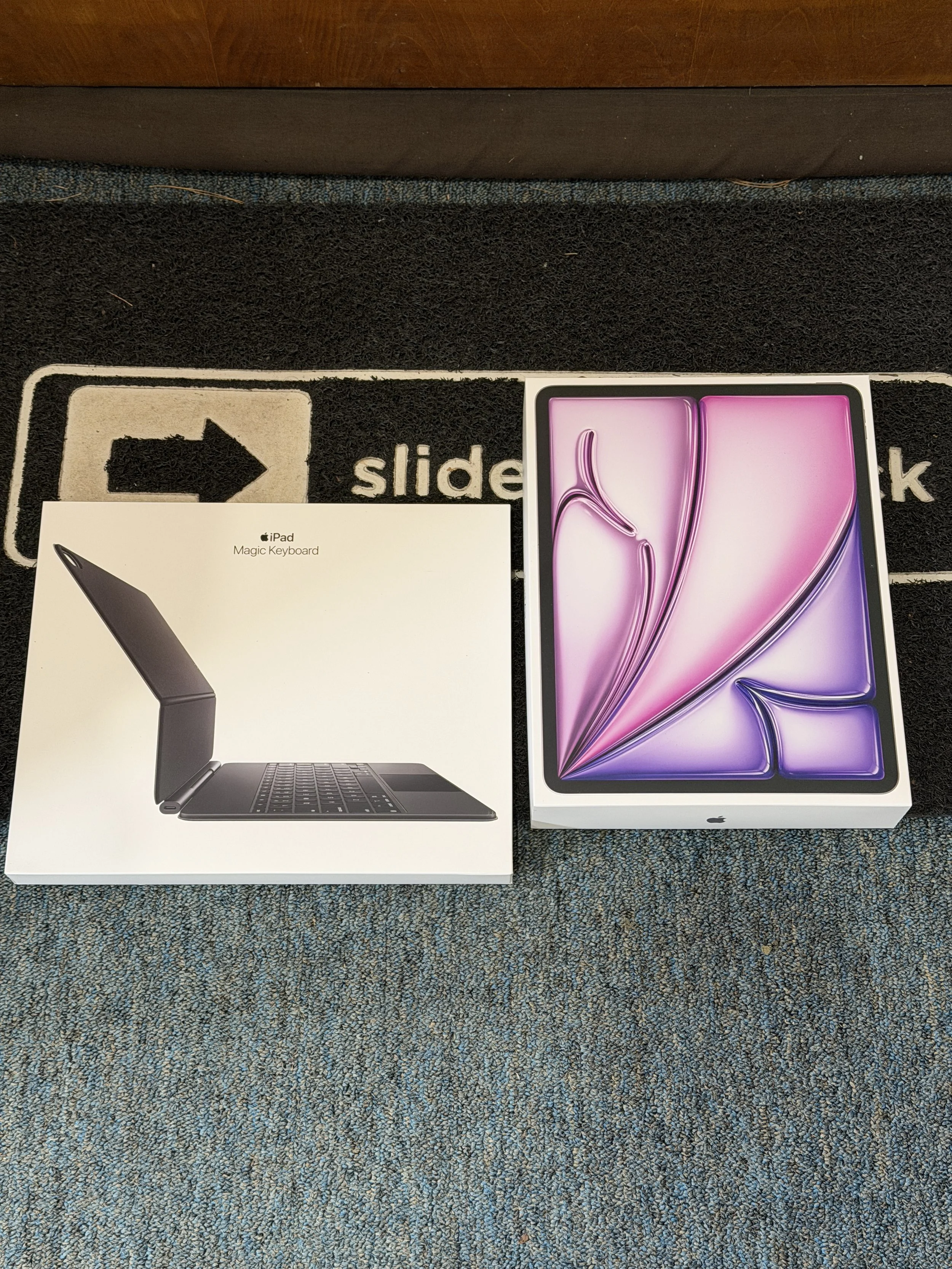
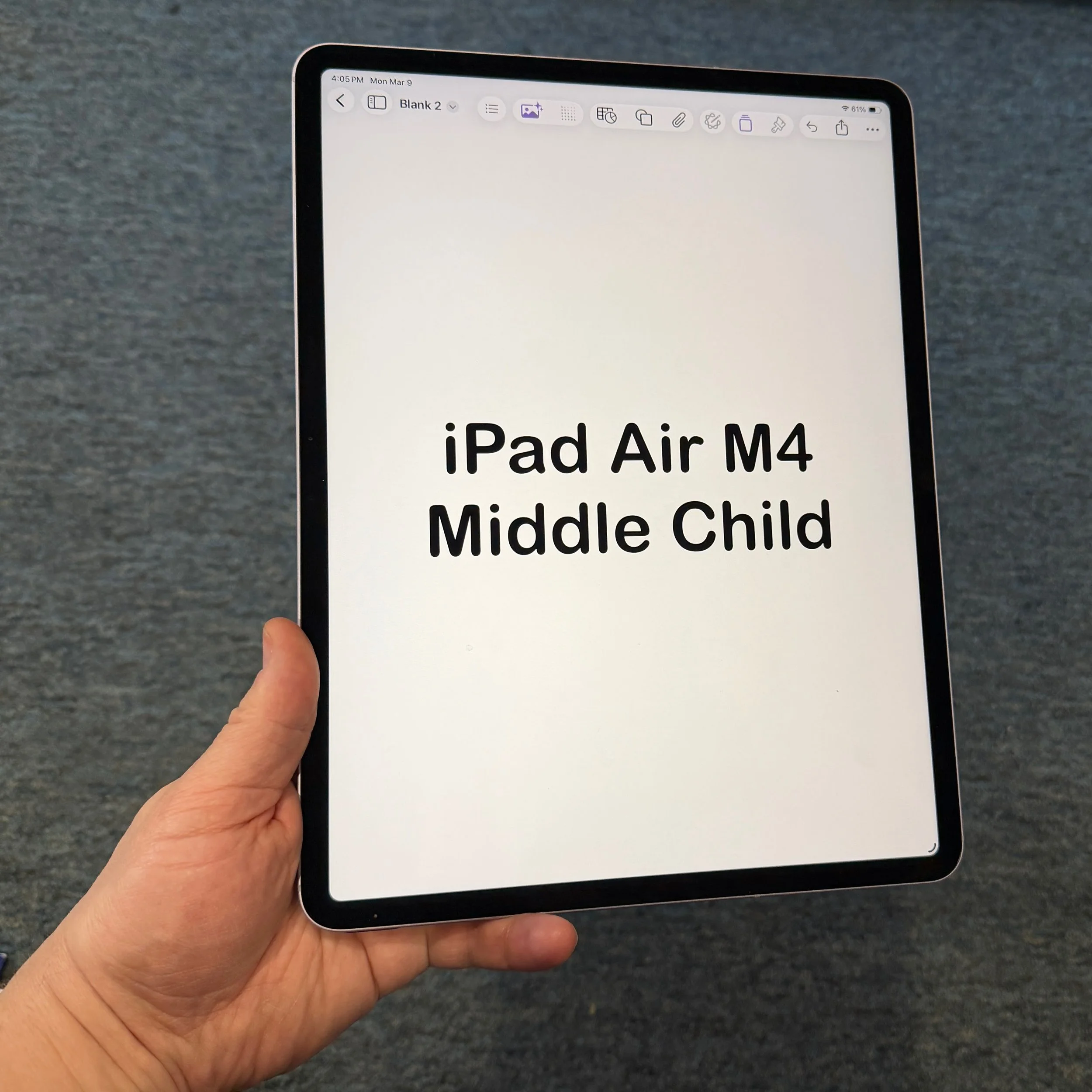
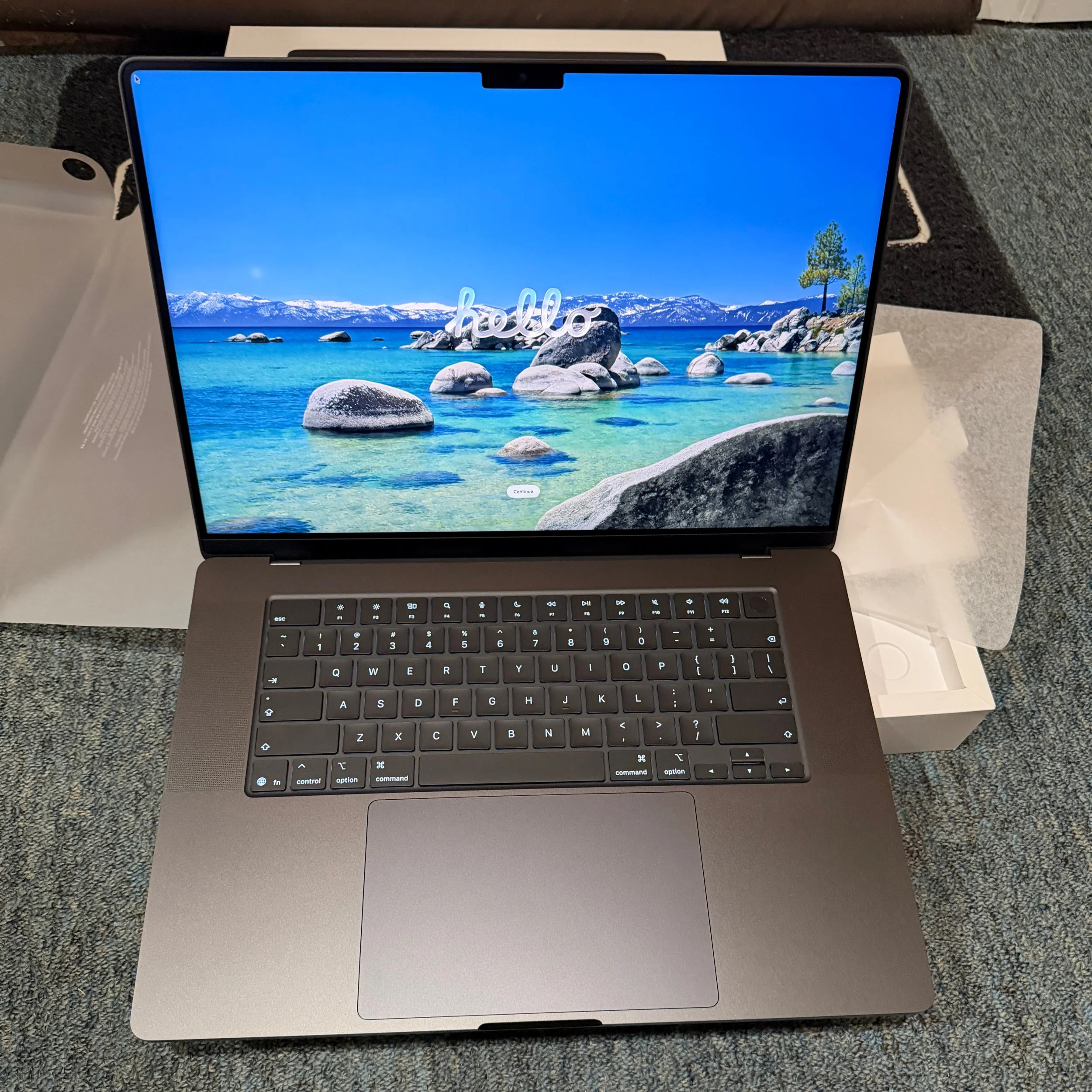
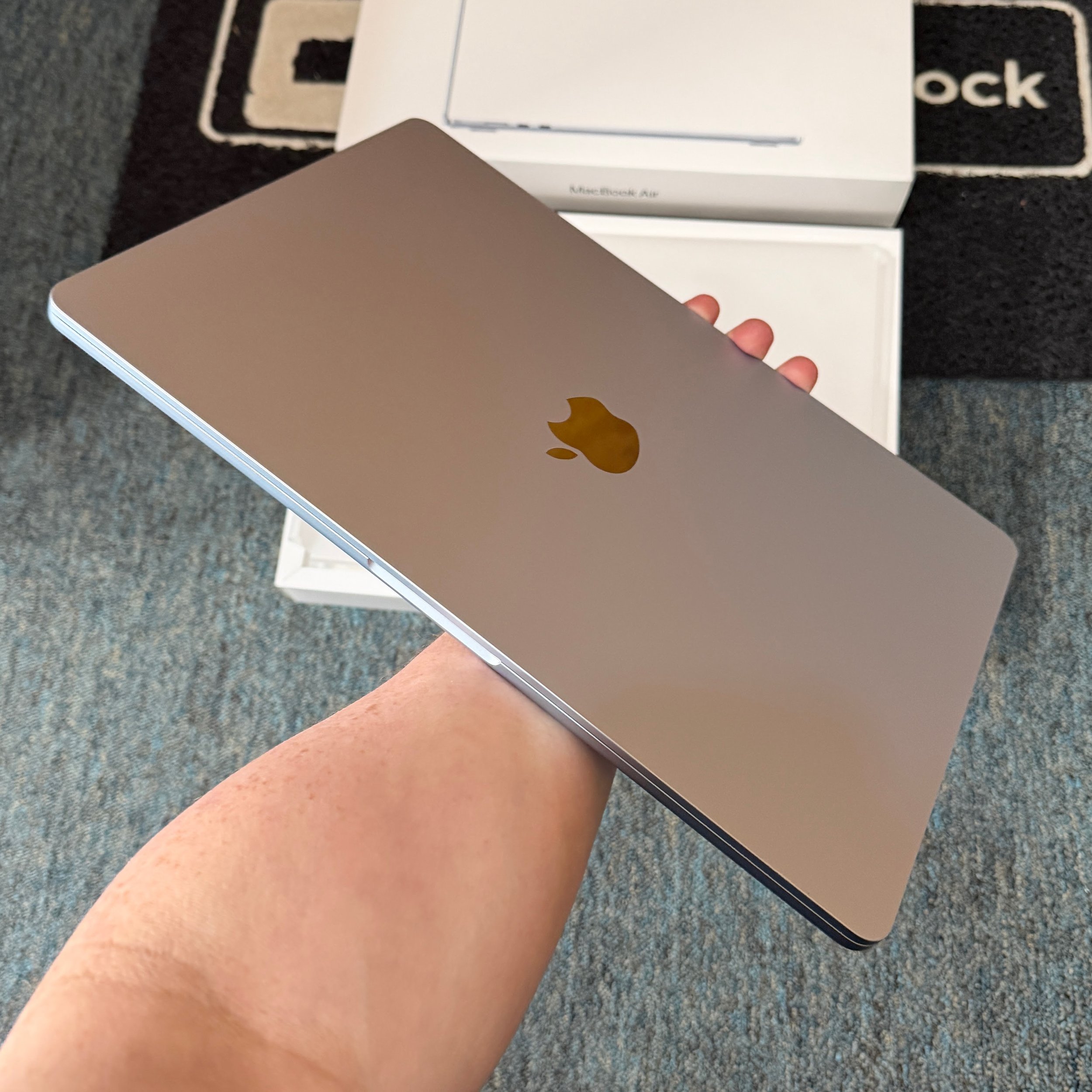
Apple doesn’t attend MWC, but in this case it didn’t even have to hold a competing event to draw attention away, just issue a bunch of press releases. I have all the new products in for review and I’m slowly working my way through them, starting with the iPad Air M4 and extremely disruptive MacBook Neo. iPhone 17e, MacBook Air M5, MacBook Pro M5 Max, and Apple Studio XDR Display analysis is still in progress.
For Techsponential clients, a report is a springboard to personalized discussions and strategic advice. To discuss the implications of this report on your business, product, or investment strategies, contact Techsponential at avi@techsponential.com.
* This seemed odd to me, as we were able to photograph earlier demos at Google I/O last year, and after MWC Google’s Dieter Bohn posted a video of the experience on Reddit.